
Last updated September 23, 2026
Free visual inspection and a written scope of work before any mitigation begins - photos, moisture readings, and drying logs go in your claim file
The scope we write is the scope we bill. Anything new gets shown to you, in writing, before we touch it.
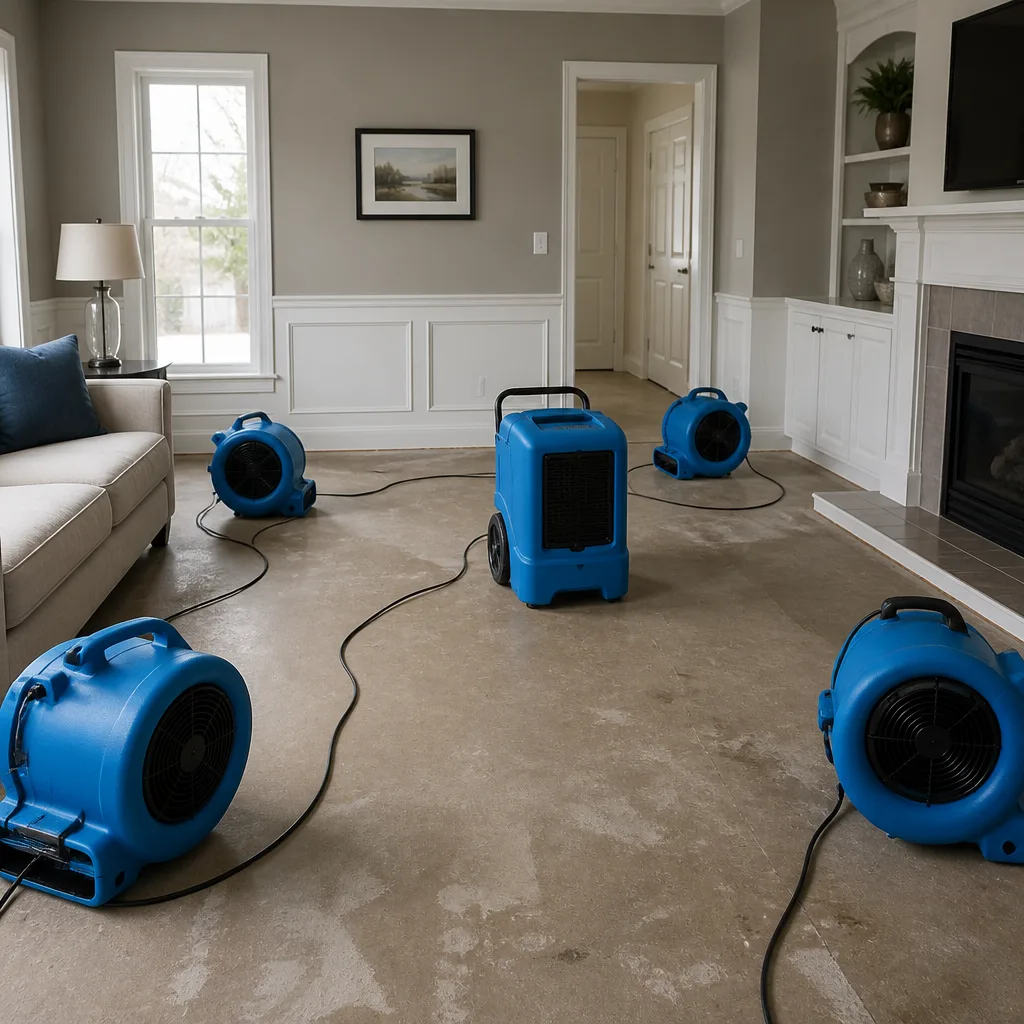

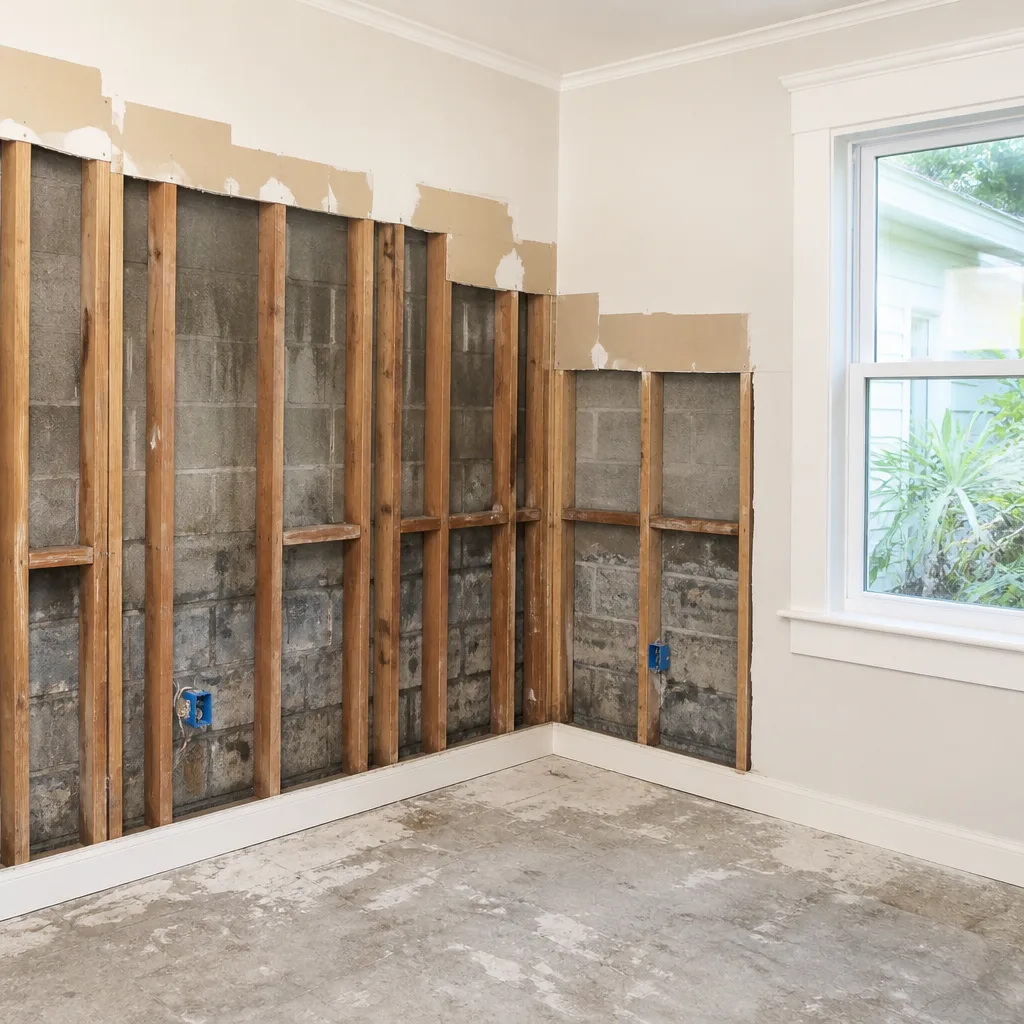

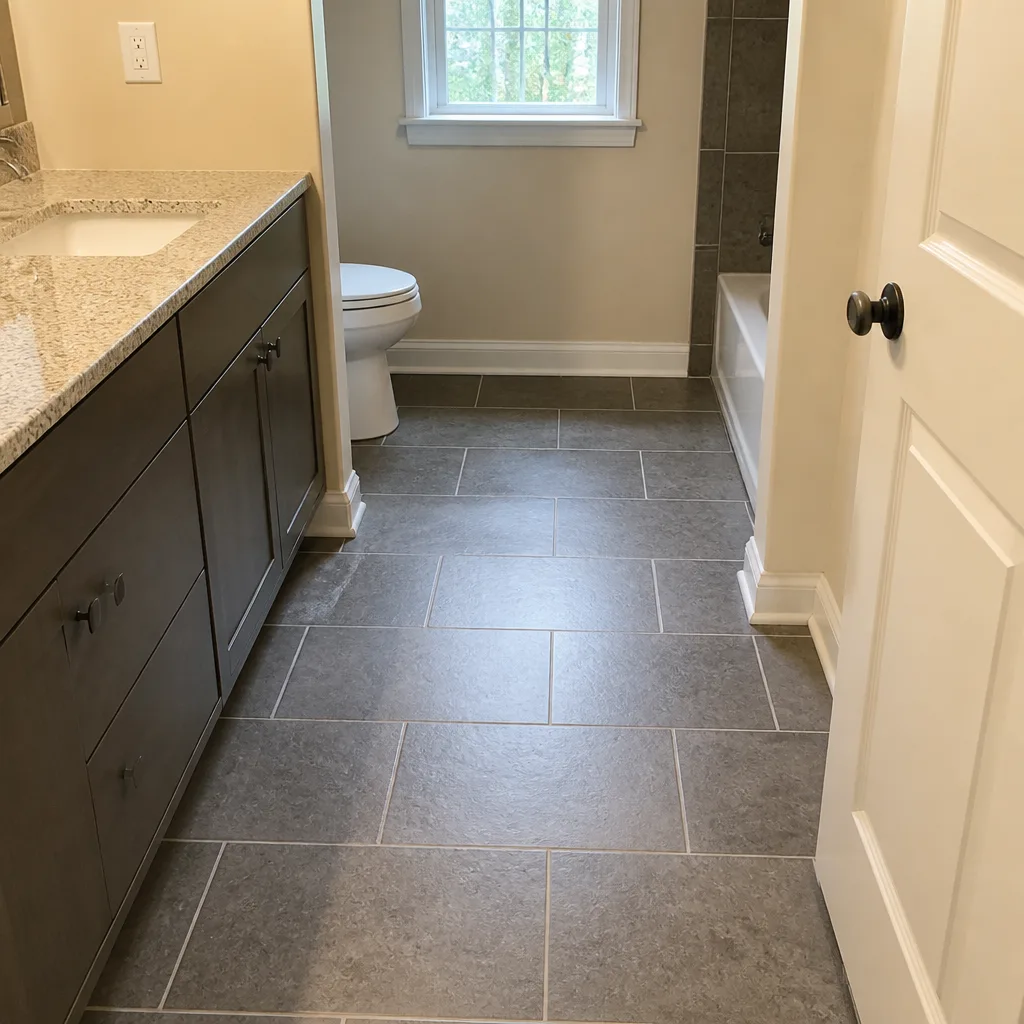

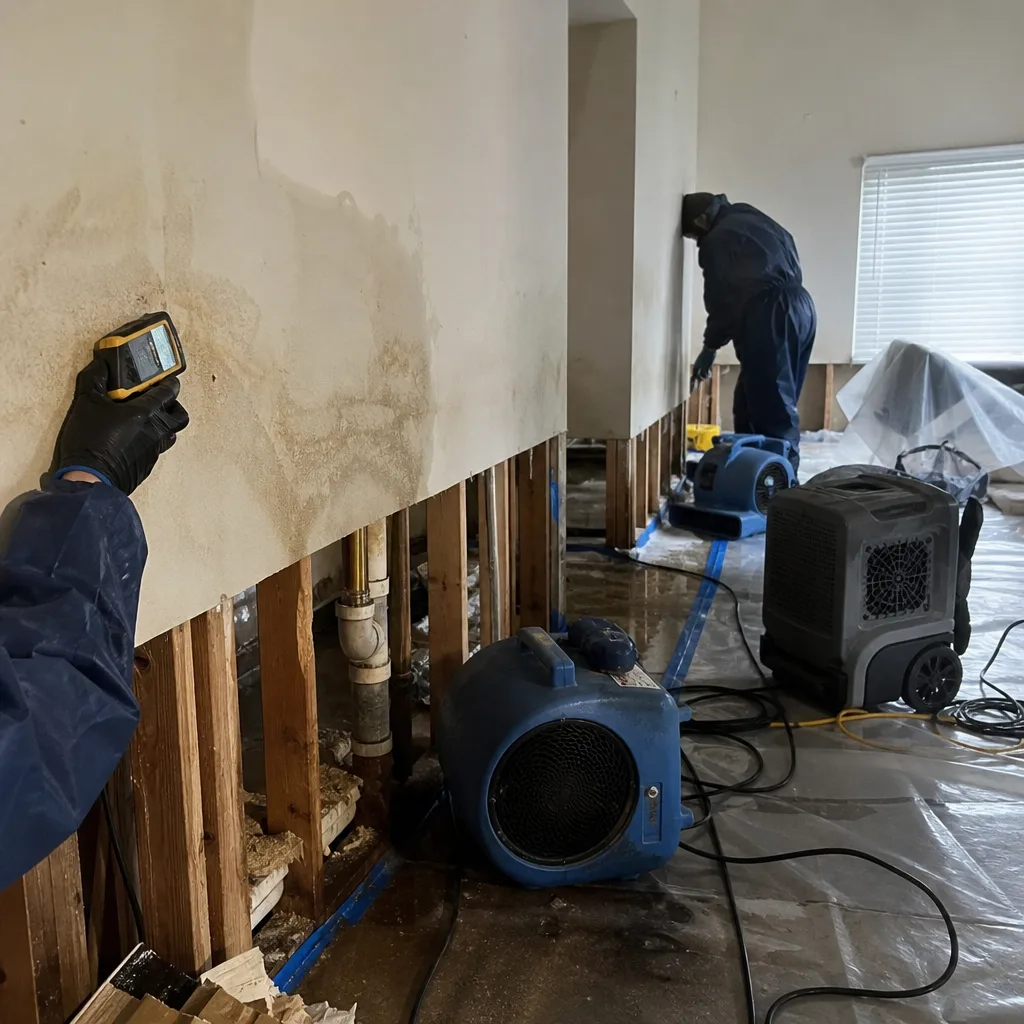 Before
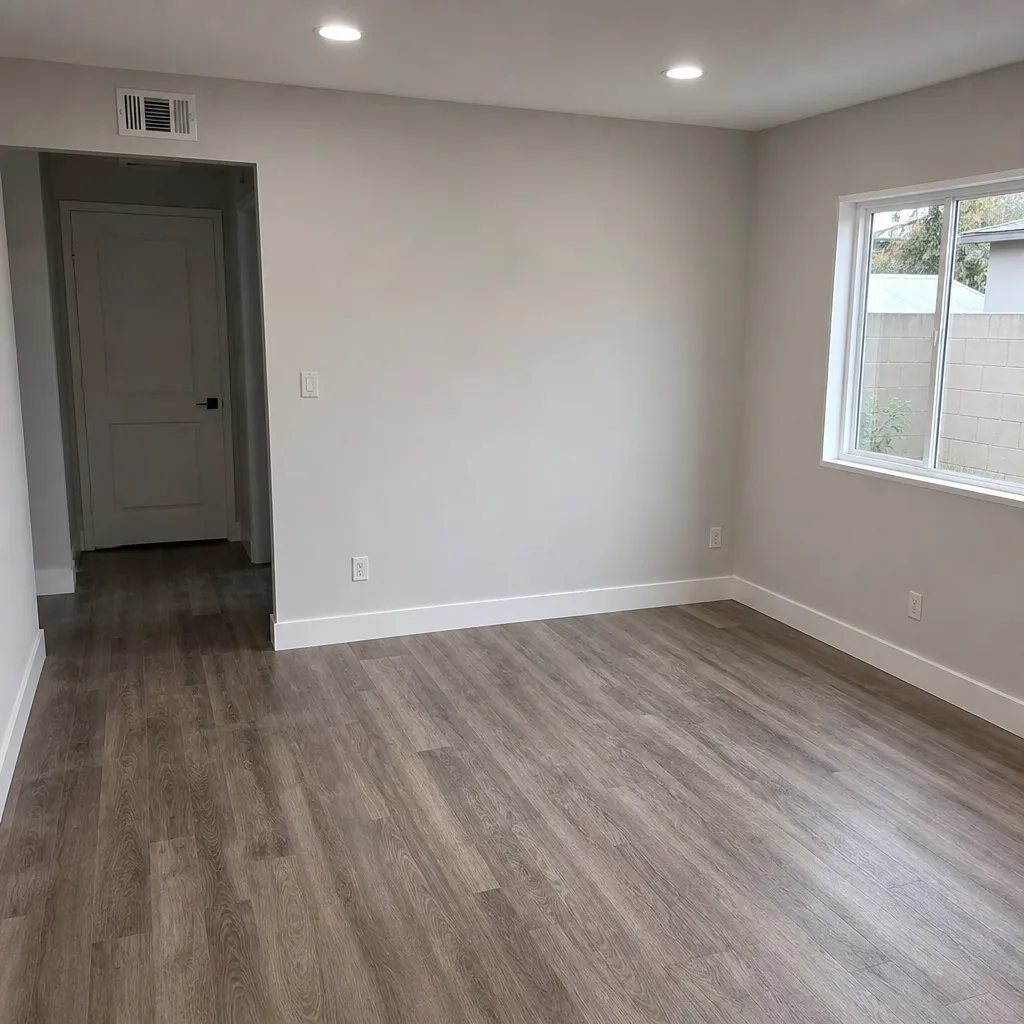 After
After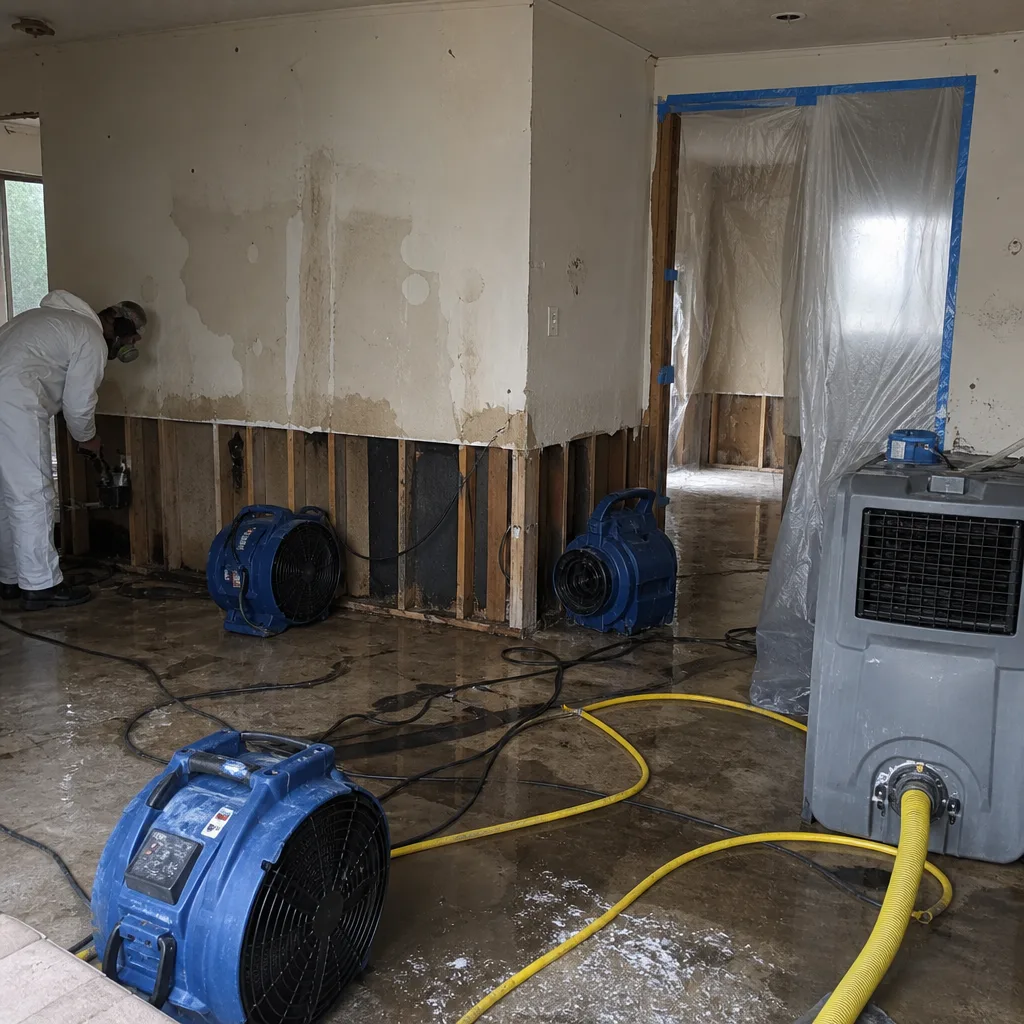 Before
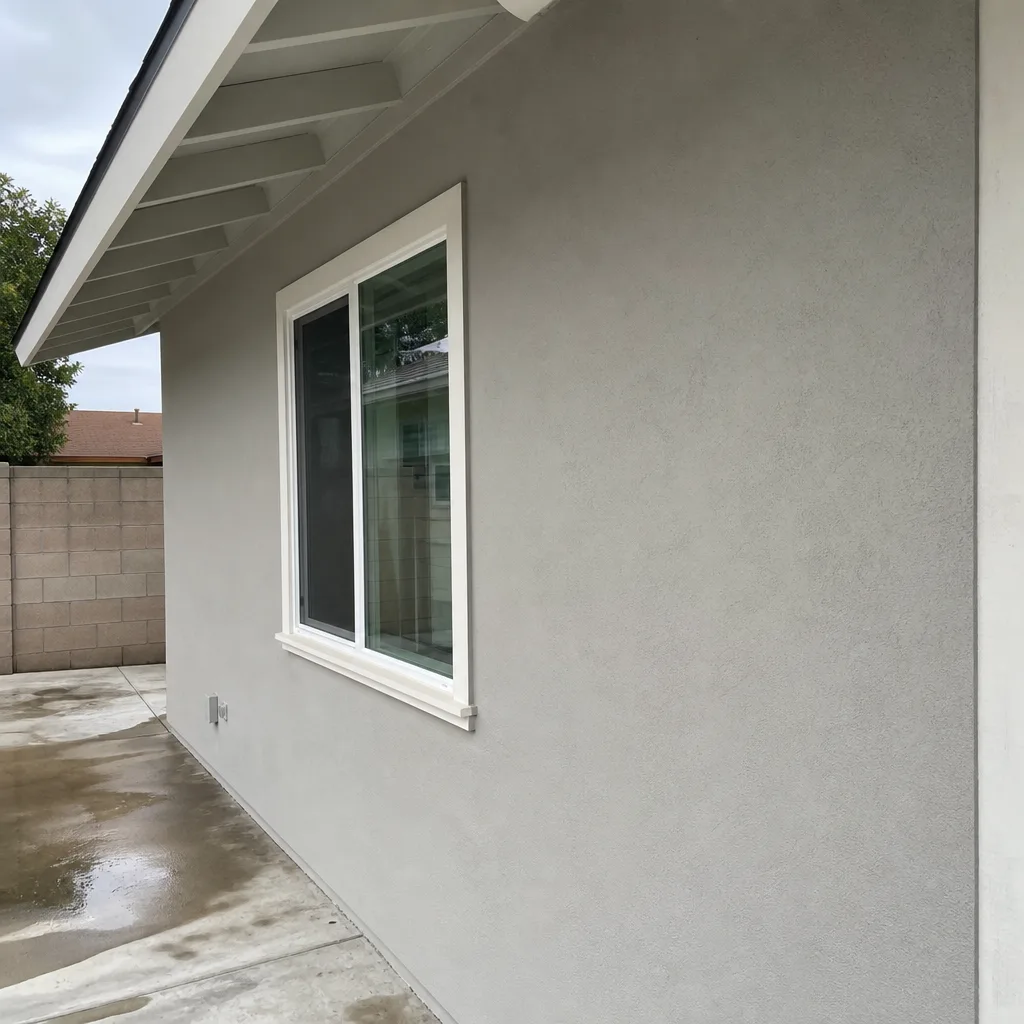 After
After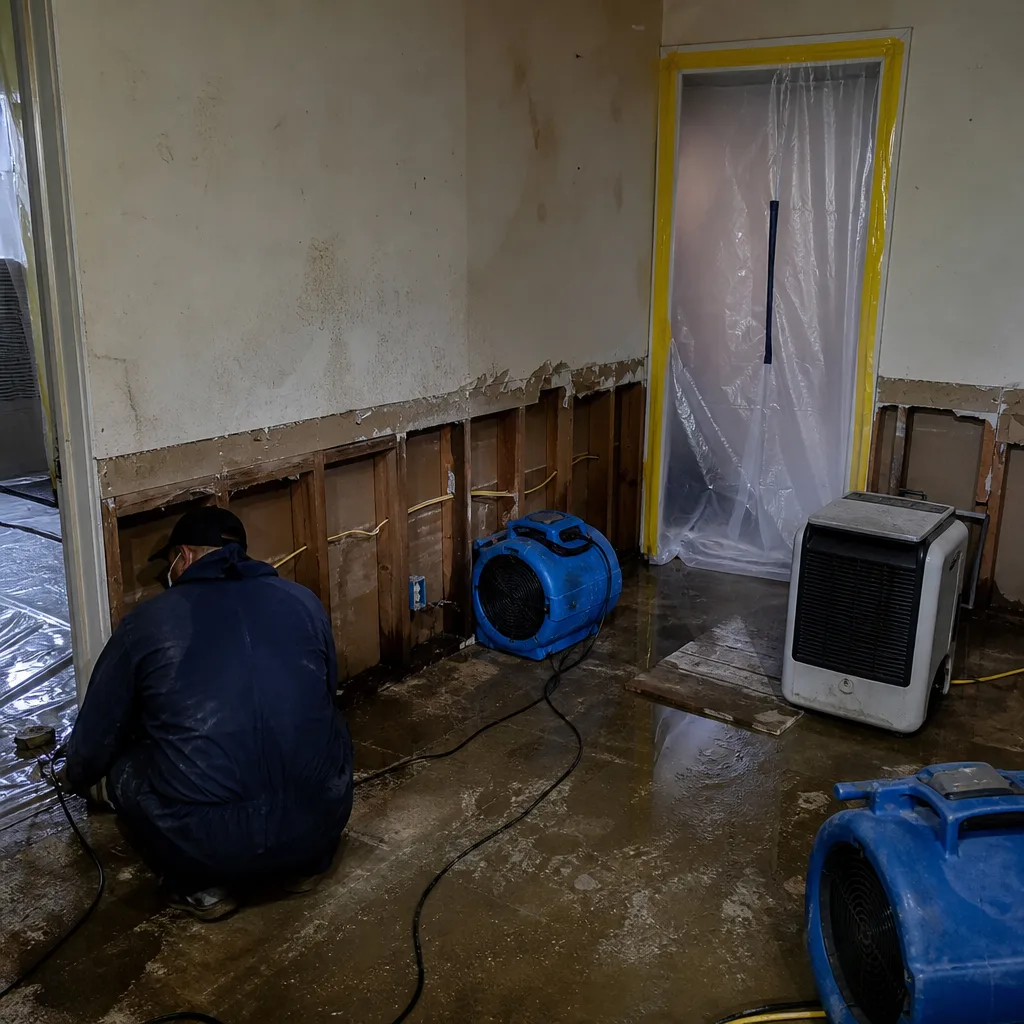 Before
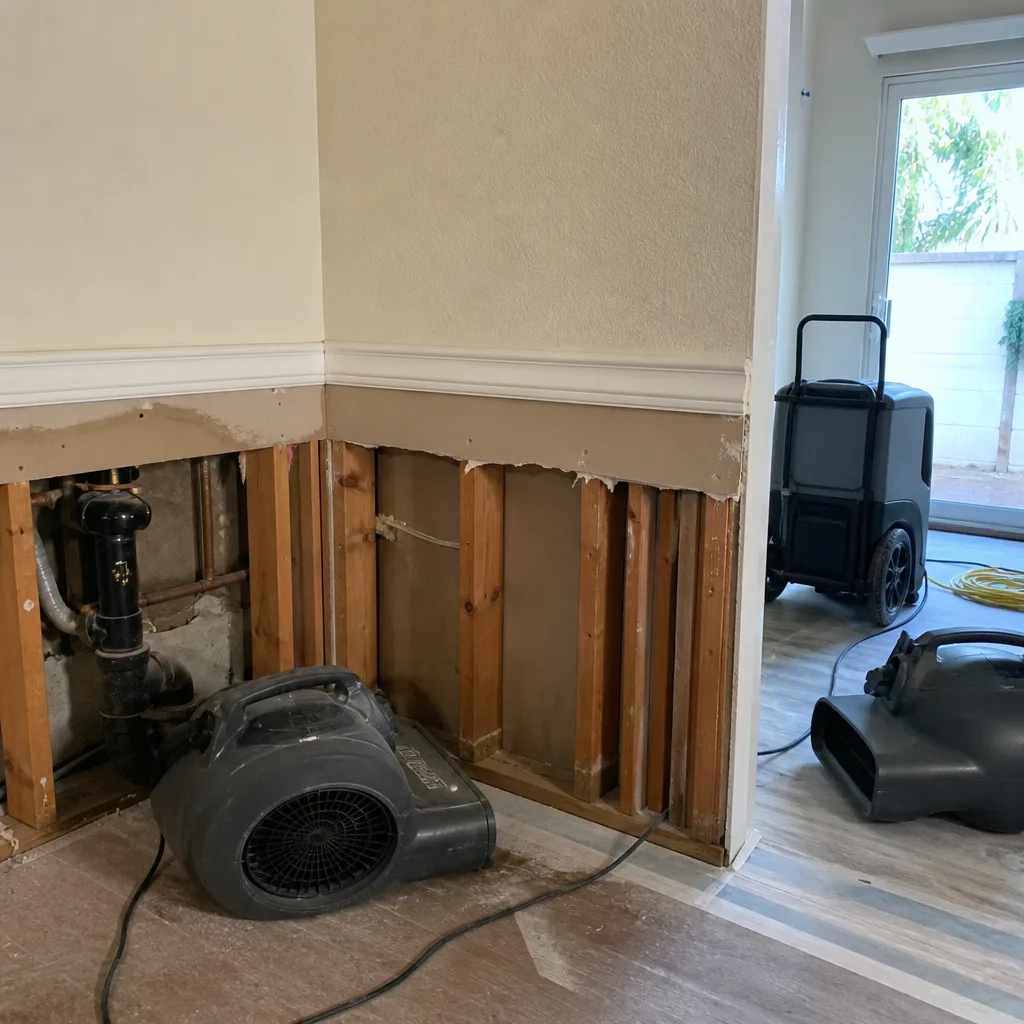 After
AfterSeasonal Damage Restoration Care for Cerritos: Year-Round Homeowner’s Guide
September and October produce more hidden mold discoveries in Southern California than the rainy season itself. Water that entered through a compromised roof membrane in February, or wicked up through slab edges during March storms, often spends six months incubating behind drywall before the first musty odor or surface bloom appears. In Cerritos, where expansive clay soils dominate the subgrade and the housing stock runs heavily 1960s through 1980s, seasonal damage isn’t about dramatic floods. It’s about water that moves slowly, hides effectively, and reveals itself only when the structural or health costs have compounded. This guide treats each period as its own inspection protocol, not a vague checklist like a Water Damage Restoration Maintenance Checklist for Cerritos Homeowners, with specific moisture thresholds, documentation standards, and maintenance tasks calibrated to this city’s soil, climate, and building age.
Quick Answer
Cerritos homeowners should run two distinct inspection protocols annually: a November pre-season check focused on soil-driven slab intrusion and aging plumbing thermal contraction, and a July-October moisture verification scan of any previously wet wall or floor cavity. Documented moisture readings above 16% on wood framing or 4% on concrete indicate active drying failure and require professional assessment before mold colonization accelerates.
Table of Contents
- The November Pre-Season Inspection Protocol for Cerritos
- Wet Season Response: December Through March
- The Dry-Heat Moisture Scan: July Through October
- HVAC Condensate Drainage: The Hidden Summer Threat
- Thermal Contraction Failures in Older Plumbing
- Documenting Inspections for Insurance Verification
- Common Mistakes to Avoid
- When to Call a Professional
- Frequently Asked Questions
BeforeAfterThe November Pre-Season Inspection Protocol for Cerritos
Cerritos sits on some of the most expansive clay soil in Los Angeles County. This material swells when saturated and shrinks during dry periods, creating cyclical pressure against slab foundations that most homeowners never see until water appears at the base of a wall or efflorescence forms on garage floors. Our November protocol addresses this directly.
Step 1: Perimeter soil and drainage assessment. Walk the full exterior of the home after the first irrigation reduction of fall. Look for soil pull-back from the foundation, which indicates prior swelling has receded and left a gap that will channel the winter’s first rains directly against the slab edge. In neighborhoods like Cerritos Estates and the area north of 183rd Street, where original landscaping has matured for 40-plus years, root systems often disrupt perimeter drainage patterns that were functional when the home was built. Measure the gap if visible; anything exceeding 3/4 inch warrants backfilling with compacted, non-expansive material before the first significant storm.
Step 2: Slab edge and stem wall visual inspection. Check the exposed concrete at garage perimeters, patio edges, and any foundation visible in crawl spaces or unfinished areas. Hairline cracking is normal; stepped or offset cracking, or any crack that has accumulated soil or debris, indicates movement that may have compromised the moisture barrier. Photograph each finding with a date stamp. These images establish pre-season condition if a winter claim becomes necessary.
Step 3: Interior baseboard and flooring transition check. Run a hand along baseboards in rooms with exterior walls, especially those facing north or west where wind-driven rain concentrates. Any softness, paint bubbling, or slight detachment from the wall suggests prior or ongoing wicking. In Cerritos’s original ranch and split-level stock, slab construction with minimal vapor barriers was standard; these homes are particularly susceptible to slow-rise moisture that never produces standing water but saturates sill plates over years.
Step 4: Roof and gutter condition verification. The Santa Ana wind season typically begins in November. Verify that gutters are clear, downspouts extend at least 6 feet from the foundation, and any flat roof areas (common in additions and patio covers from the 1970s and 1980s) show no ponding or membrane separation. Document with photos.
This protocol takes approximately 90 minutes for a typical 1,800-square-foot Cerritos home. The documentation produced, stored with your homeowner’s insurance file, establishes a maintenance pattern that insurers recognize as due diligence.
Wet Season Response: December Through March
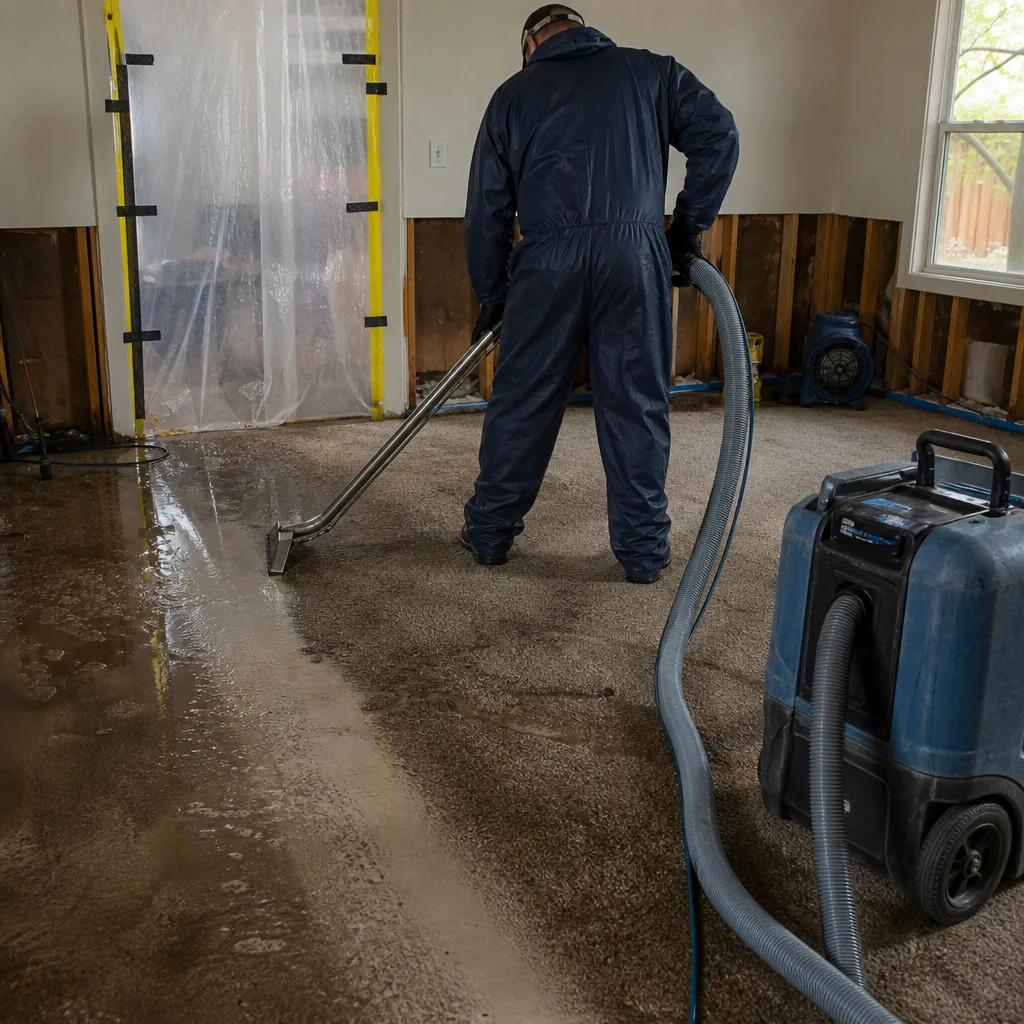
When water enters a Cerritos home during the wet season, speed of documentation matters as much as speed of extraction, as covered in The Complete Guide to Damage Restoration in Cerritos. The difference between a payable claim and a disputed one often rests on whether the initial response produced evidence of the water category, the affected materials, and the drying standard applied.
Immediate response priorities:
- Stop the source and photograph before touching anything. The photo record taken before any mitigation begins is often the most valuable documentation in a claim. Show the water’s origin point, the spread pattern, and any visible material saturation. Include a timestamp.
- Identify the water category. Category 1 (clean water from a supply line) becomes Category 2 (gray water) within 24-48 hours of contact with building materials, and Category 3 (black water) if sewage or ground intrusion is involved. This classification determines everything from salvageability to required documentation. Misclassification by an untrained responder is a common source of claim denial.
- Extract standing water and establish airflow. Professional-grade drying systems from Phoenix and XPOWER, deployed with proper psychrometric calculation, can prevent the secondary damage that turns a $3,000 extraction job into a $25,000 mold remediation. Psychrometric data, simply put, is the measurement of temperature, humidity, and air movement that tells us exactly how much moisture the air can carry away from wet materials at any given moment.
- Establish a drying log. Daily moisture readings, equipment placement maps, and atmospheric conditions recorded to IICRC S500 standards create the documentation trail that insurers require. Without it, even legitimate water damage claims face scrutiny.
In Cerritos specifically, wet-season claims often involve slab-related intrusion that presents as Category 1 or 2 but carries soil contaminants. The clay-heavy subgrade here can harbor bacteria and agricultural runoff from decades of prior land use. We recommend treating any slab-adjacent water as potentially Category 2 until tested, and documenting the soil contact explicitly in the initial scope.
Our Water Damage Restoration in Cerritos service includes full documentation packages with every job, delivered to the homeowner and available to the adjuster on request.
The Dry-Heat Moisture Scan: July Through October
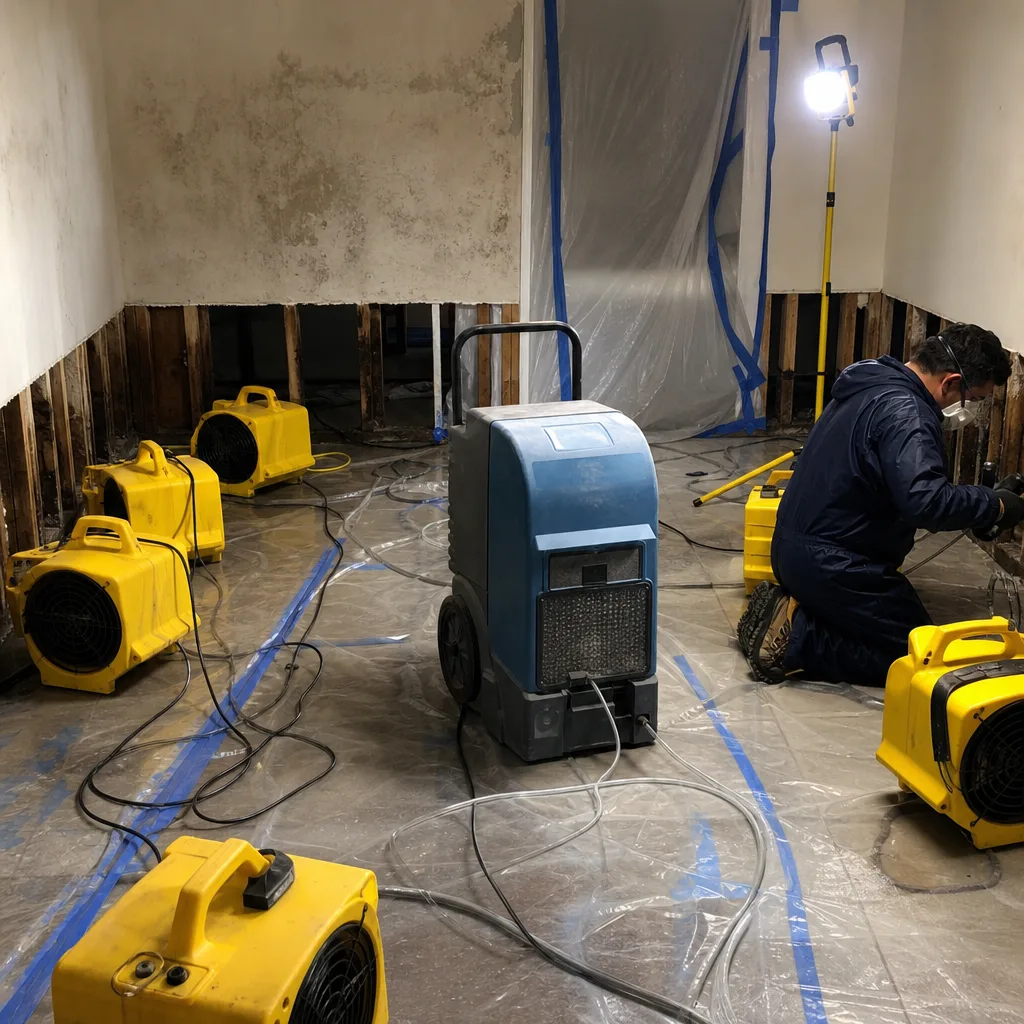
This is the protocol most homeowners skip, and it’s where the September-October mold spike originates. When a wall or floor cavity was wet the previous winter, even professionally dried, residual moisture can remain trapped in low-permeability materials or in areas where airflow was obstructed by insulation, cabinetry, or structural framing.
The dry-heat months provide the ideal verification window because exterior humidity drops, HVAC systems run consistently, and any remaining moisture becomes detectable through thermal differentials or direct measurement.
What to scan:
- Any wall that was stripped to studs or had baseboards removed for drying the previous winter
- Any floor area where carpet and pad were lifted, even if “dry” at project completion
- Cabinet toe-kicks adjacent to previously wet walls, especially in kitchens and bathrooms where supply lines run
- Ceiling cavities below any roof or plumbing leak, even if the ceiling finish was replaced
What readings indicate a problem:
Wood framing moisture content above 16% indicates active moisture that will support mold growth when temperatures are favorable. Concrete or masonry above 4% moisture content by weight, measured with a calibrated calcium chloride test or impedance meter, indicates ongoing vapor drive or residual saturation. Drywall or gypsum at any reading above 1% moisture content above baseline for the home’s conditioned environment warrants investigation.
These thresholds come from IICRC S520 mold remediation standards, but in practice we’ve found that Cerritos homes with original slab construction and minimal exterior insulation often show slightly elevated baseline readings. The key is deviation from the home’s established pattern, not an arbitrary number.
Tertiary drying, the final phase of structural drying that removes bound moisture from deep within materials, is where most DIY and even some professional jobs fail. Vapor pressure differential, the force that drives moisture from wet materials into the drier air, collapses as surface moisture decreases. Without professional-grade desiccant or low-grain refrigerant dehumidification, bound moisture remains. This is why we deploy Injectidry systems for wall cavity drying and B-Air units for continuous low-grain operation in stubborn cases.
If your previous water damage was handled without daily drying logs showing progressive moisture reduction to below these thresholds, schedule a verification scan. Mold Remediation in Cerritos becomes necessary when verification is skipped, not when the mold becomes visible.
HVAC Condensate Drainage: The Hidden Summer Threat
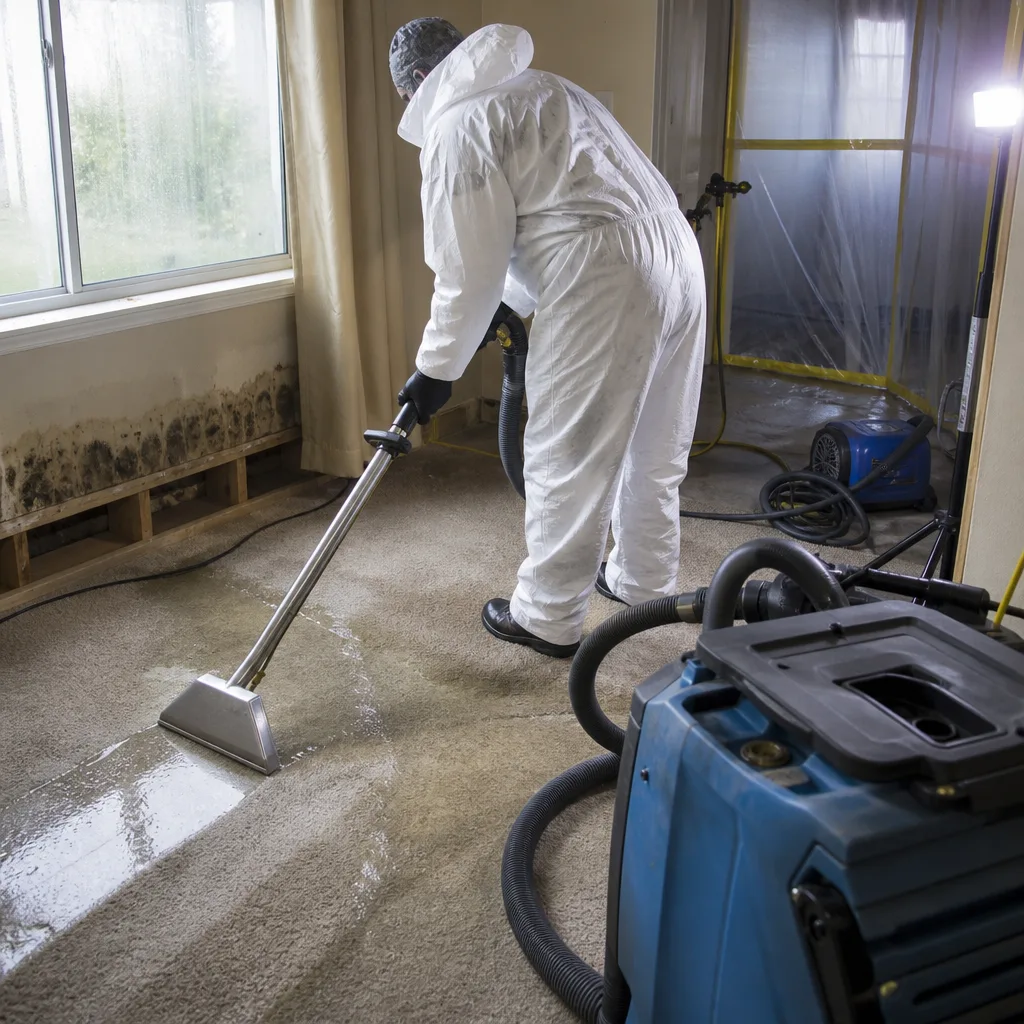
Cerritos summers don’t produce the dramatic storm damage of winter, but they produce a steady stream of ceiling damage claims from condensate drainage failures that go unnoticed between annual HVAC service visits. The combination of extended cooling runs, attic ductwork in many original homes, and condensate lines that often terminate in inconvenient or invisible locations creates a predictable failure pattern.
The maintenance tasks that matter:
- Primary drain line flow verification. Locate where your condensate line exits the home, typically near the exterior HVAC unit or through a soffit. During a cooling cycle, verify visible flow from this line. No flow during active cooling indicates a blockage, a cracked pan, or an improper trap that is allowing water to accumulate elsewhere. In Cerritos’s 1960s and 1970s stock, condensate lines were sometimes routed into plumbing vents or abandoned drain lines that have since corroded or separated.
- Secondary pan and float switch inspection. Attic-mounted air handlers should have a secondary drain pan with a float switch that shuts the system down if the primary drain fails. Test this switch annually by temporarily blocking the primary drain and verifying shutdown. If your system lacks a float switch, this is a code-compliance and insurance issue; installation is straightforward and should be documented with photos for your carrier.
- Condensate line termination check. Lines that terminate at roof gutters, downspouts, or simply discharge against the foundation create moisture problems that masquerade as other issues. Verify termination carries water at least 6 feet from the structure and does not create soil saturation against the slab.
- Filter and coil cleanliness. Restricted airflow from dirty filters or evaporator coils causes the coil to run colder than designed, producing excess condensate that overwhelms drainage capacity. This is particularly common in Cerritos homes where original ductwork is undersized for modern high-efficiency equipment retrofits.
Document each of these checks with dated photos. When a ceiling stain appears in August, the insurer’s first question will be whether the HVAC was maintained. A photo record of condensate flow verification provides the maintenance pattern evidence that supports your claim.
Thermal Contraction Failures in Older Plumbing
The first cold nights of November, when temperatures in Cerritos can drop into the low 40s after months of 70-degree lows, produce a specific failure mode in the city’s older housing stock: thermal contraction stress on plumbing components that have undergone decades of expansion and compression cycles.
The three components most at risk:
1. Copper supply line hangers and supports. Original Cerritos homes often used copper supply lines with minimal expansion accommodation. Years of thermal cycling fatigue the metal at support points and where lines pass through studs. The first significant cold snap produces contraction that can crack solder joints or pull lines from deteriorated hangers. Inspect visible supply lines in garages, crawl spaces, and unfinished areas for green corrosion at joints, which indicates prior slow leaks, and for lines that appear tensioned or bowed between supports.
2. Galvanized steel waste lines. Homes built before the mid-1970s frequently have galvanized steel drain lines that have accumulated internal corrosion and narrowing. Thermal contraction can fracture these lines at threaded joints or at points where the pipe wall has thinned. The first sign is often a slow drain that worsens after cold weather, or a wet spot in a wall where a horizontal branch runs. In Cerritos’s original bathrooms, where galvanized lines were standard, we’ve found that the combination of thermal stress and accumulated scale produces failures that appear sudden but represent decades of degradation.
3. Water heater connections and relief valves. The temperature and pressure relief valve on older water heaters is a common November failure point. Thermal contraction of the tank shell after summer expansion cycles can stress the valve seat, and the first heating season surge of cold inlet water can trigger weeping or full discharge. Check the discharge pipe for moisture or mineral staining. The relief valve should discharge to a visible location, not into a drain where failure goes unnoticed; many original Cerritos installations violate this standard.
These inspections should be completed before the first sustained cold period, typically by mid-November. Document findings with photos, and address any corrosion, staining, or support deterioration before thermal stress compounds the damage.
Documenting Inspections for Insurance Verification
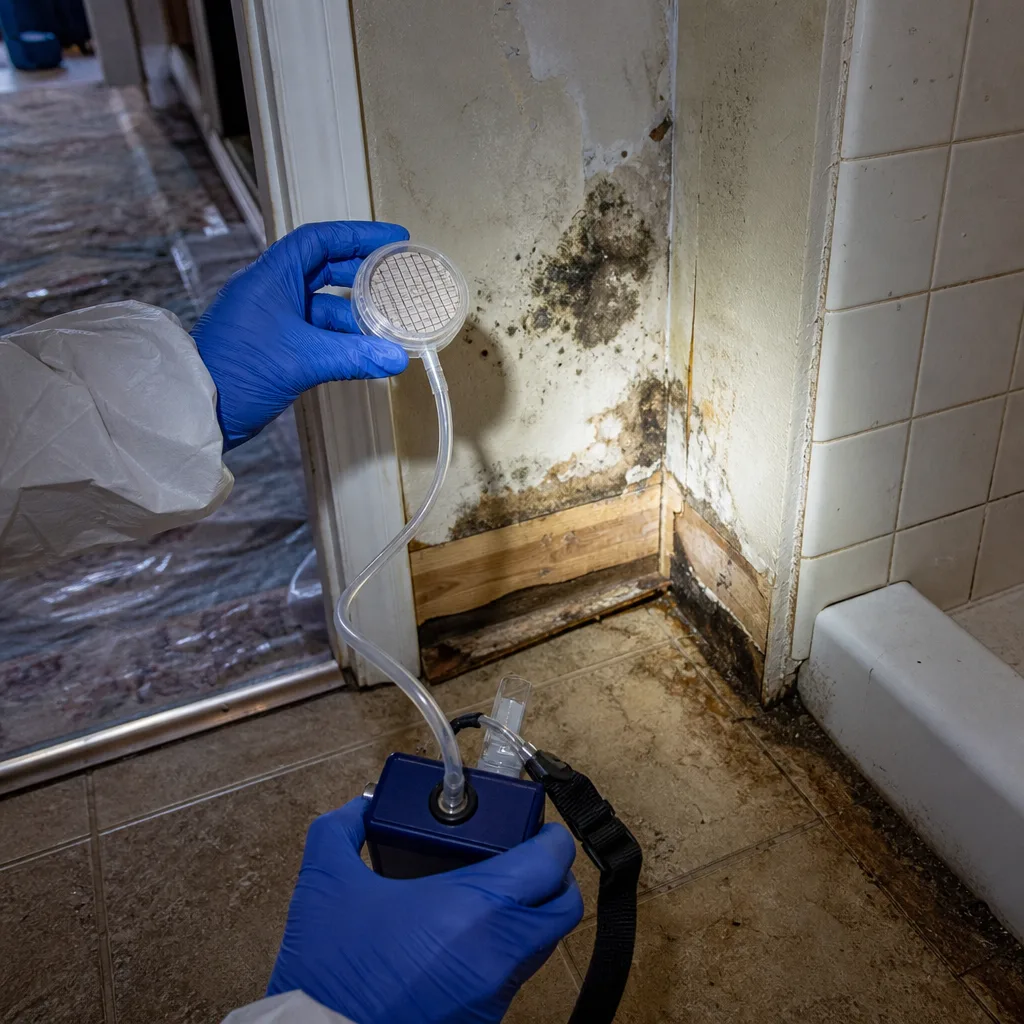
Insurance adjusters evaluate claims against a standard of reasonable maintenance. The homeowner who can produce dated, detailed records of seasonal inspection and response receives faster claim approval and fuller coverage. The homeowner who cannot faces depreciation, denial, or the burden of proving that damage was sudden and accidental rather than the result of long-term neglect.
The documentation format we recommend:
- Date-stamped photographs of each inspection point, stored in a dedicated folder with naming convention: YYYY-MM-DD_Location_Description
- Moisture readings from any previously affected area, recorded with instrument model and calibration date
- Written notes of any anomalies, even if not immediately actionable, with follow-up dates assigned
- Professional assessment records from any contractor visit, including scope, pricing, and completion documentation
- Maintenance receipts for HVAC service, plumbing repairs, roof work, or drainage improvements
This format produces what adjusters call a “maintenance pattern” - evidence that the homeowner exercised due diligence and that damage, when it occurred, was despite reasonable care rather than because of its absence. In our experience with over 12,000 homes restored since 2011, the presence of organized maintenance documentation reduces claim dispute frequency by more than half and accelerates payment timelines significantly.
The Haven Standard requires that we contribute to this documentation on every job we perform. Our deliverables include: a written scope and price before work begins (Haven Standard, Clause 1); a photo record on every visit; daily drying logs with moisture readings and psychrometric data; and a signed completion warranty under the 365-Day Done Right Promise. These documents belong in your insurance file, not in a contractor’s drawer.
Common Mistakes to Avoid
- Waiting for visible mold before acting. Mold becomes visible at roughly 10 square feet of surface colonization, by which time the hidden biomass behind the wall is typically 10 to 100 times larger. In Cerritos’s warm, dry summers, mold can remain dormant and odorless until September humidity triggers sporulation. The moisture scan in July catches what October smell reveals too late.
- Assuming professional drying guarantees complete drying. Even IICRC-certified technicians can miss bound moisture in low-permeability materials or obstructed cavities. The dry-heat verification scan is not an accusation of poor prior work; it’s a confirmation that the job met the standard it claimed.
- Neglecting the condensate line between HVAC service calls. Annual service typically includes drain cleaning, but 11 months of dust accumulation, algae growth, or insect intrusion can block a line by August. Monthly flow verification during cooling season takes 30 seconds and prevents the ceiling damage that costs $2,000-$5,000 to repair.
- Ignoring soil pull-back from the foundation. The gap left by receding expansive clay looks like a minor landscaping issue. It’s actually a direct channel for the next season’s rain against the slab edge, and in Cerritos’s clay-heavy subgrade, this is the most common slow-intrusion path we encounter.
- Failing to document pre-existing conditions before winter. The photo taken in November, showing intact baseboards and dry slab edges, is the evidence that distinguishes winter storm damage from long-term maintenance neglect when a March claim is filed.
- Using consumer-grade moisture meters for verification. Pinless meters available at hardware stores measure surface conditions only and are easily fooled by paint, wallpaper, or surface treatments. Professional assessment with impedance-based or thermo-hygrometric instruments measures material conditions at depth.
When to Call a Professional
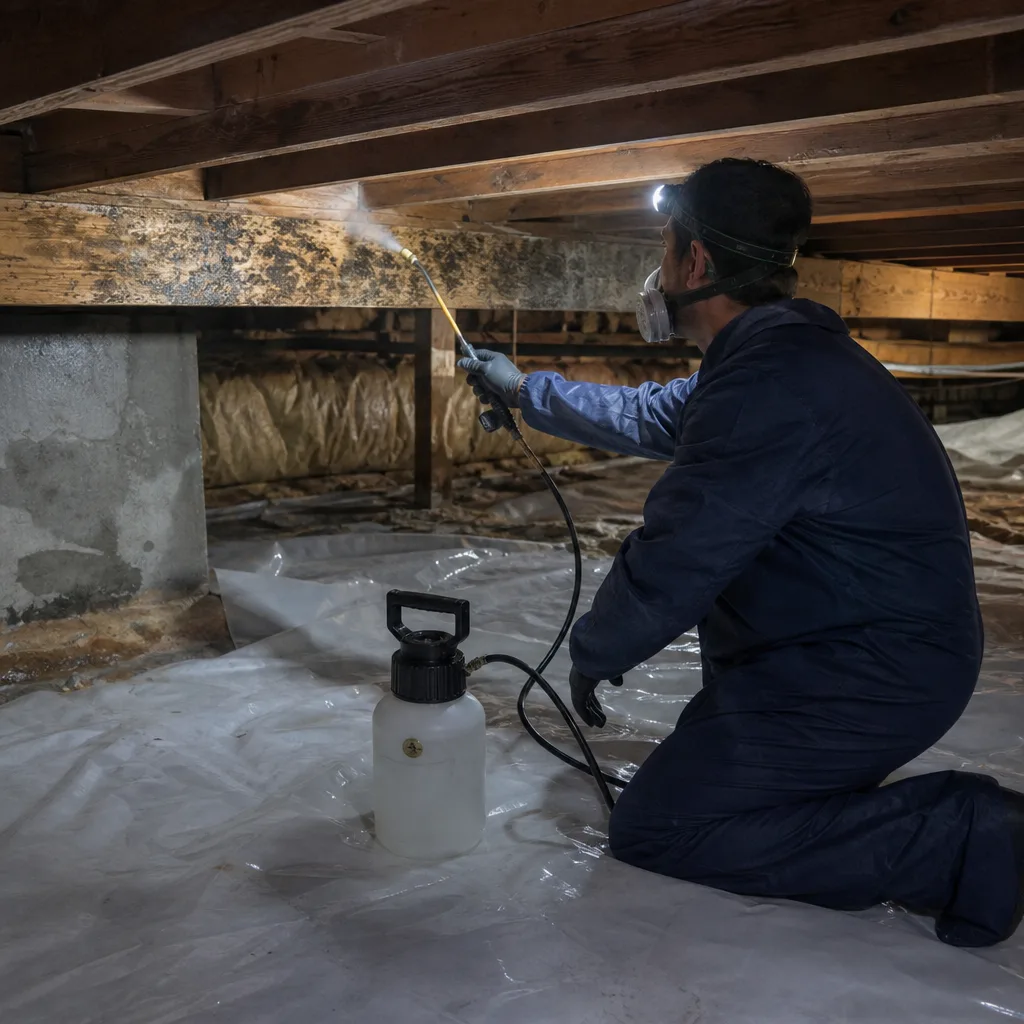
Call for professional assessment when: moisture readings exceed the thresholds specified above; any water intrusion involves potential soil contact or sewage; visible mold exceeds 1 square foot; or your documentation review reveals gaps in prior drying logs or completion records. In Cerritos, where slab construction and expansive clay create non-obvious moisture pathways, professional interpretation of readings is often necessary even when the numbers seem borderline.
DryMark Restoration Cerritos offers free estimates in Cerritos. We also provide a Free Second Opinion on any competitor’s written estimate, reviewing their scope and pricing at no charge. Every job we perform begins with a written price before work starts (Haven Standard, Clause 1), includes a documented photo record on every visit, and is covered by our 365-Day Done Right Promise. Call (562) 600-5083 to schedule assessment or estimate review.
Frequently Asked Questions
Professional moisture verification scanning for a typical 1,800-square-foot home ranges from $150 to $350, depending on the number of previously affected areas and the instrumentation required; see our Damage Restoration Cost Breakdown: The Cerritos Homeowner’s Reference for 2026 for fuller pricing context. Full documentation with written findings suitable for insurance file inclusion adds approximately $100. Call (562) 600-5083 for exact pricing on your specific property - estimates are free.
Most policies exclude damage resulting from lack of maintenance, but the definition of “maintenance” is interpretable. Documented annual HVAC service plus monthly flow verification typically satisfies the reasonable maintenance standard. Damage from a sudden line separation or equipment failure, even in a maintained system, is generally covered. The key is producing evidence of diligence, not perfection.
Our live dispatch operates 24 hours a day, 7 days a week with no voicemail on emergency lines. For active water intrusion in Cerritos, initial response typically occurs within 60-90 minutes during standard coverage hours. Mitigation begins with extraction and documentation; reconstruction is scoped, scheduled, and priced in writing like any remodel, not started same-day.
Visible growth on a hard surface smaller than 10 square feet can sometimes be addressed with appropriate cleaning and moisture source elimination, provided the underlying moisture issue is fully resolved and verified. Growth on porous materials (drywall, insulation, carpet, wood), growth exceeding 10 square feet, or any growth resulting from Category 2 or 3 water requires professional remediation under containment to prevent cross-contamination. In Cerritos’s climate, surface cleaning without moisture verification almost guarantees recurrence within 12 months.
We coordinate directly with adjusters as a standard service, not an upsell. Our documentation package, delivered in the format most carriers prefer, includes the written scope, daily drying logs, photo record, and completion certificate. We do not negotiate settlements or coverage determinations, which remain between you and your carrier, but we ensure the technical documentation supporting your claim is complete and defensible.
Slab-edge wicking from expansive clay soil cycling, discovered only when baseboards swell or flooring buckles in September after six months of hidden saturation. The November inspection protocol described above catches this before it becomes a $15,000-$30,000 reconstruction project involving flooring, baseboards, drywall, and potentially mold remediation.
The Bottom Line
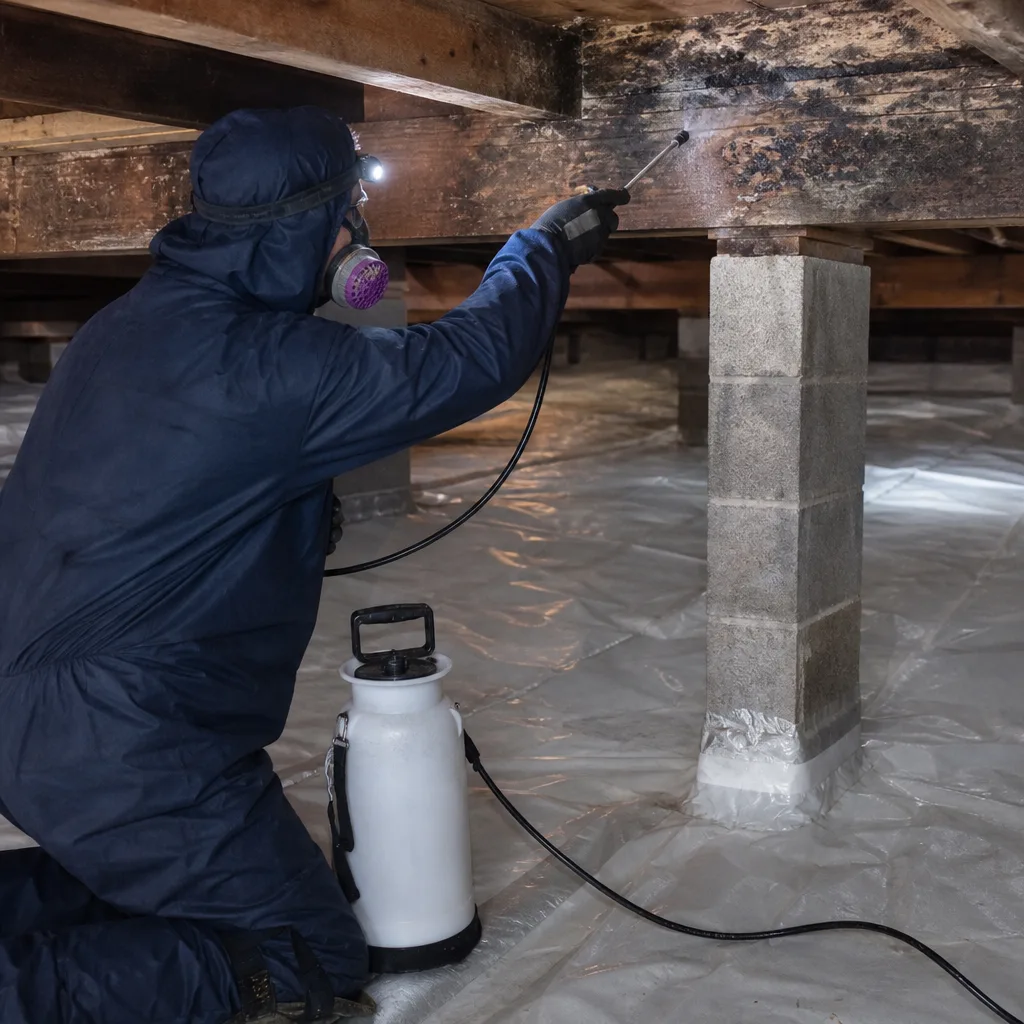
Cerritos’s two damage seasons, wet and dry, each demand specific action: November inspection for soil-driven intrusion and thermal-stress plumbing, July-October verification for residual moisture in previously affected structures, and year-round attention to HVAC condensate drainage. The common thread is documentation. Moisture readings, dated photos, and written scopes transform restoration from a disputed expense into a verifiable claim. The homeowners who treat seasonal care as an evidence-building exercise, not a chore, are the ones whose homes and claims survive intact. For more guides & resources, visit our blog.
Written by Alicia Brennan, Owner at DryMark Restoration Cerritos, serving Cerritos since 2011.