
Last updated September 23, 2026
Free visual inspection and a written scope of work before any mitigation begins - photos, moisture readings, and drying logs go in your claim file
The scope we write is the scope we bill. Anything new gets shown to you, in writing, before we touch it.
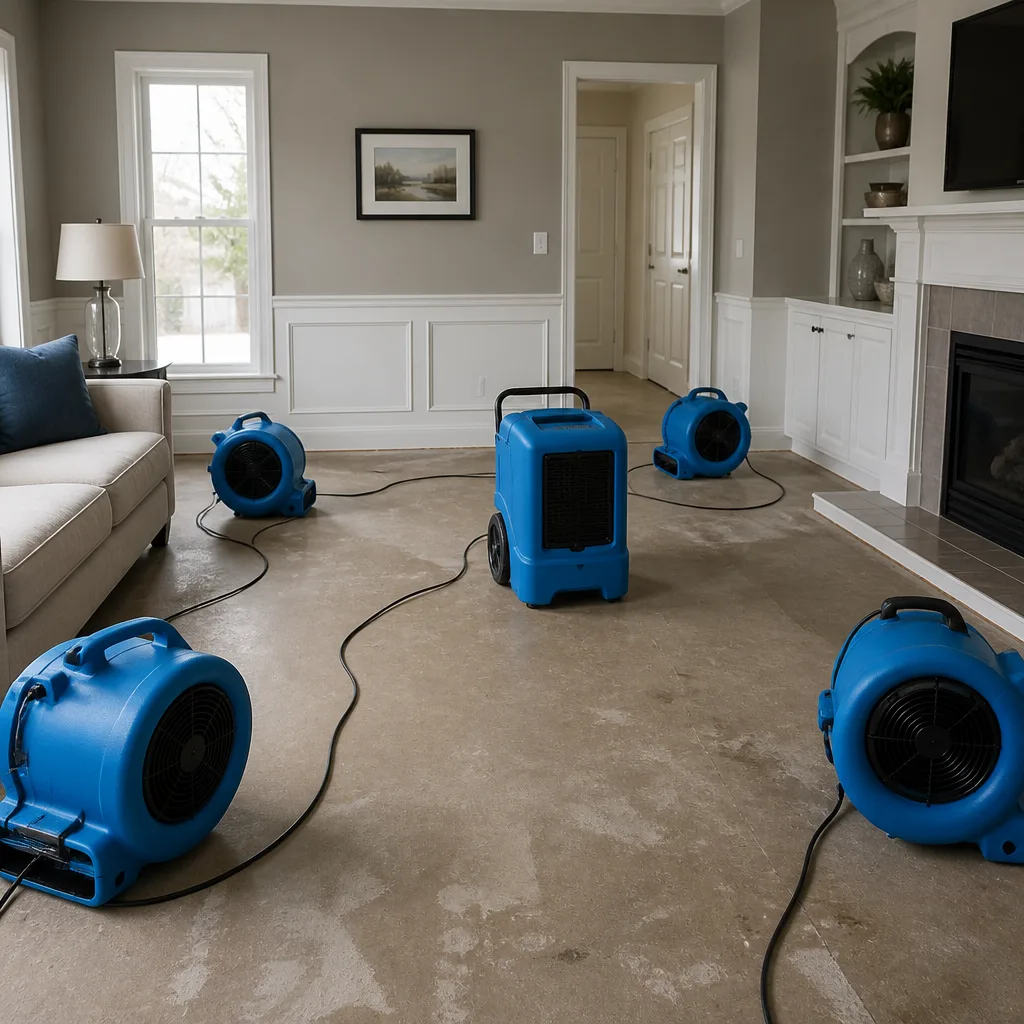

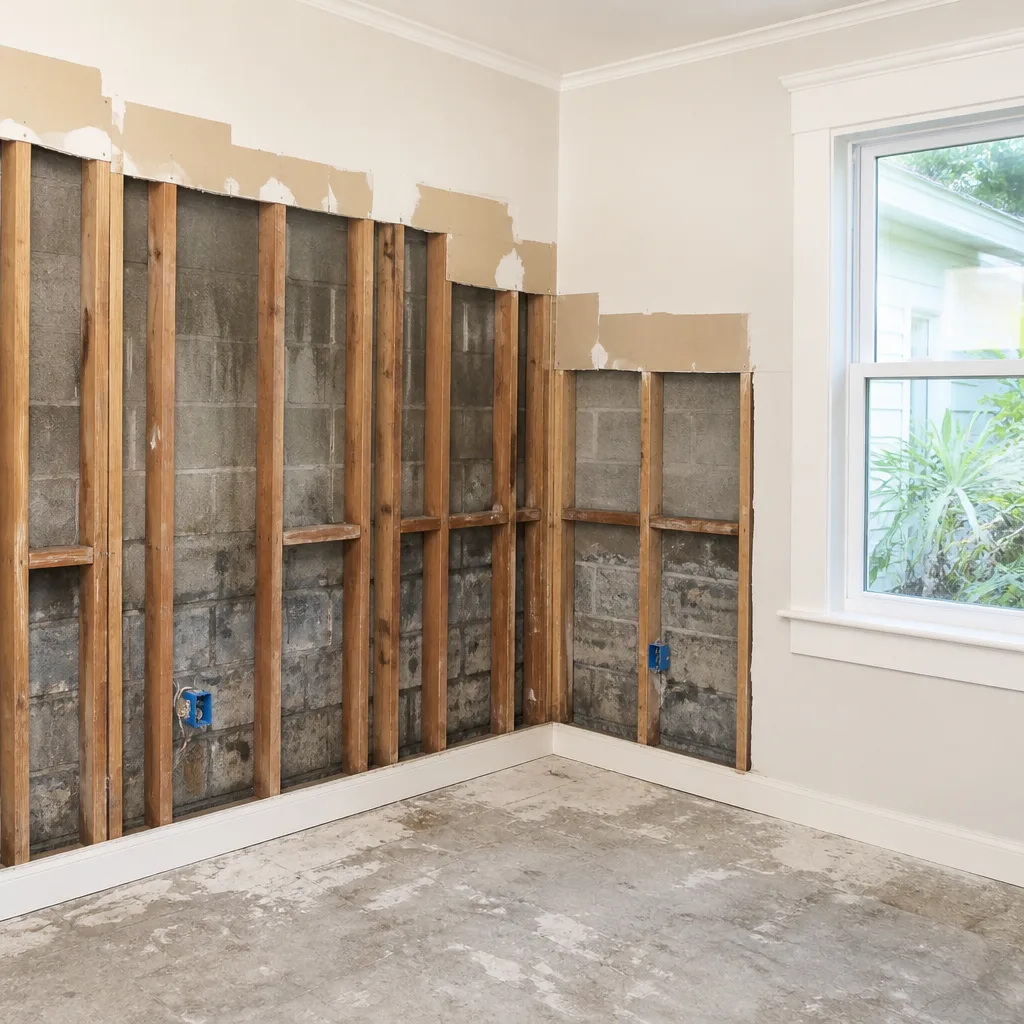
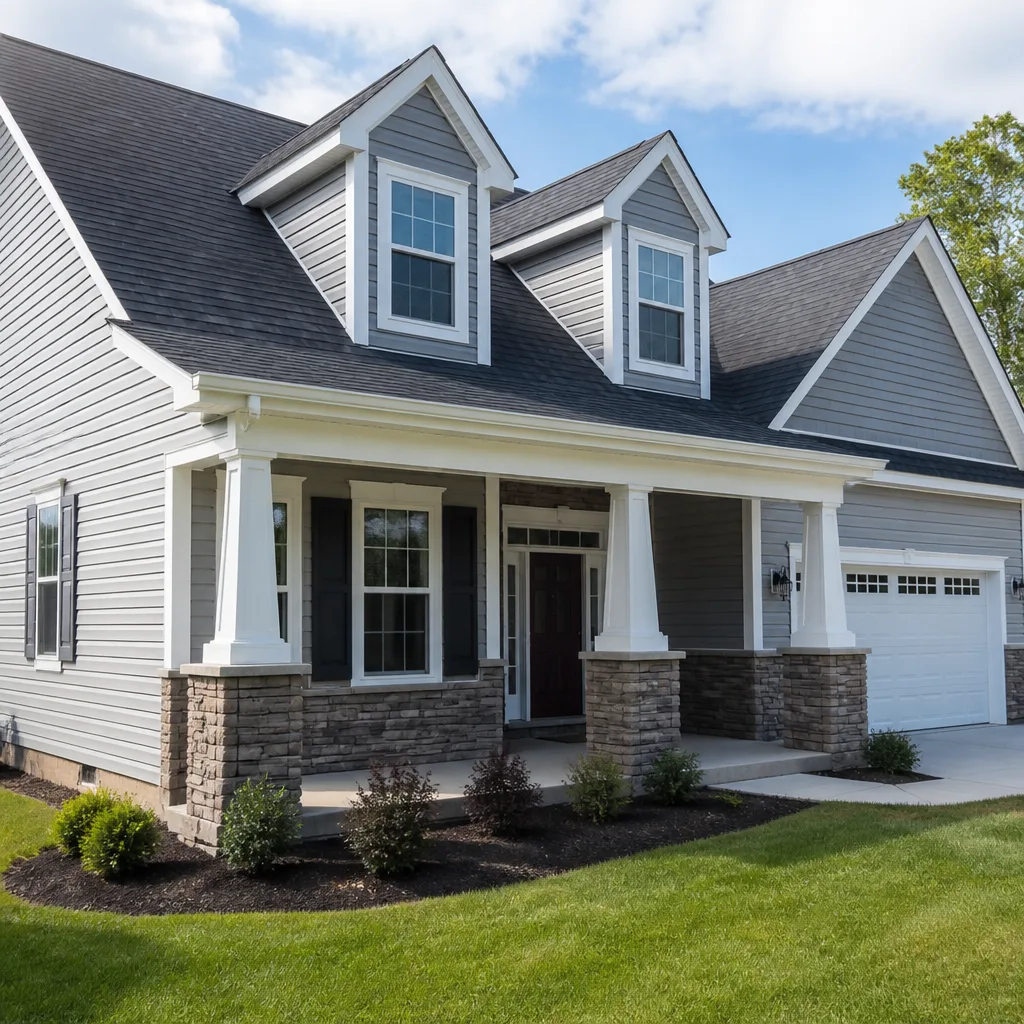
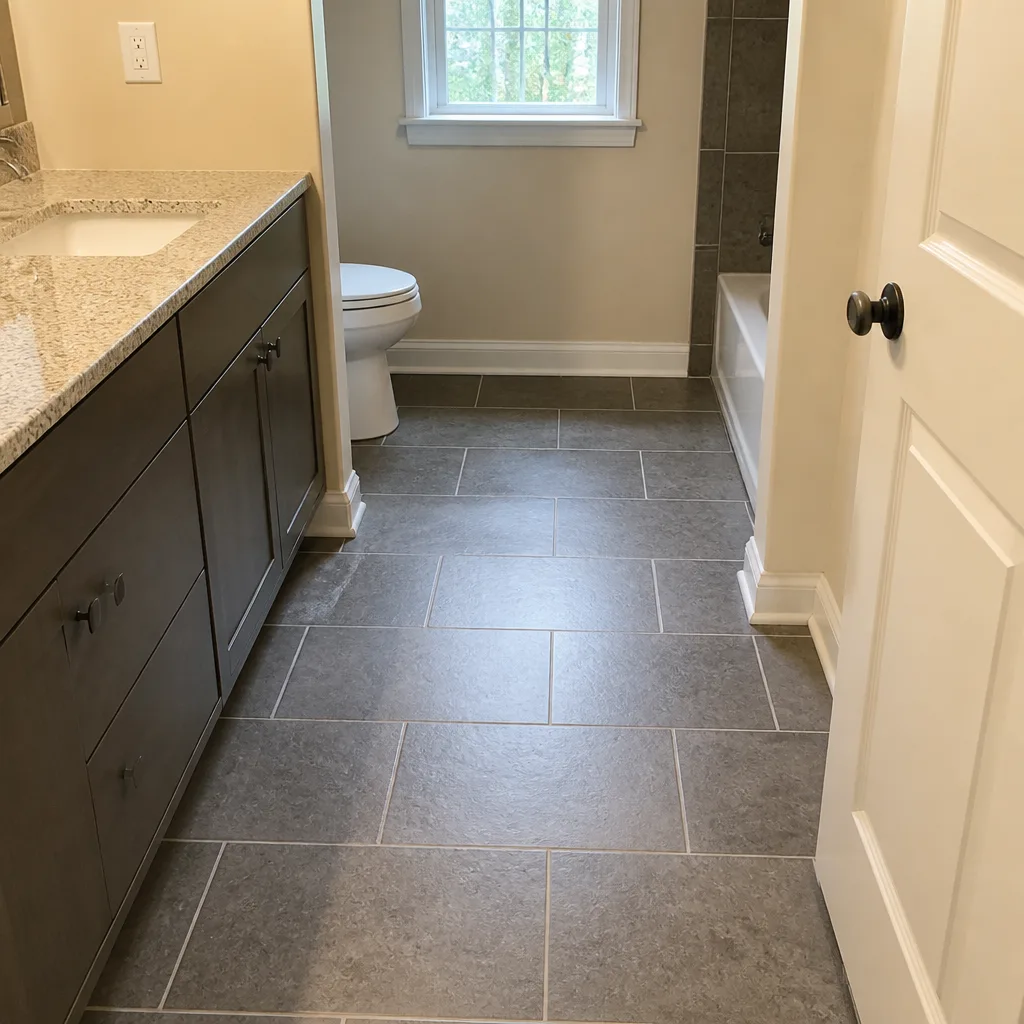

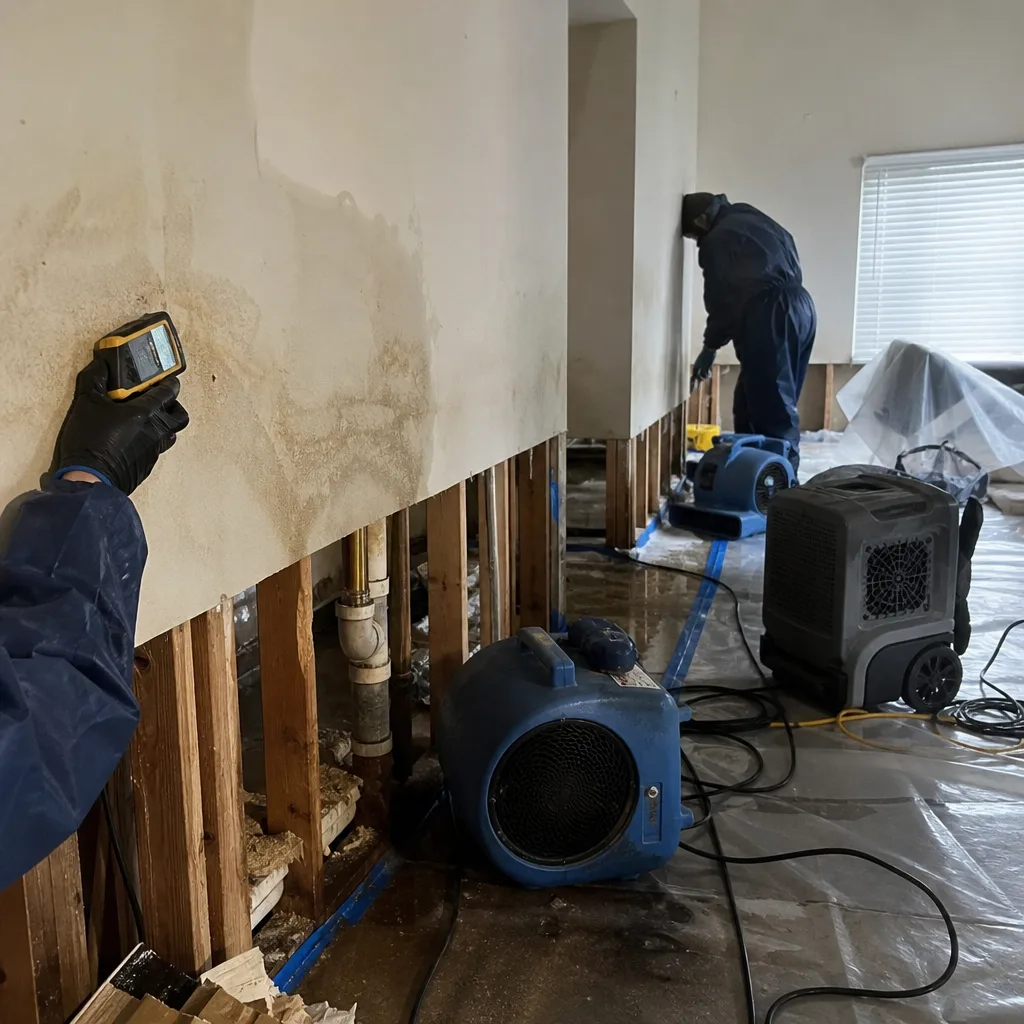 Before
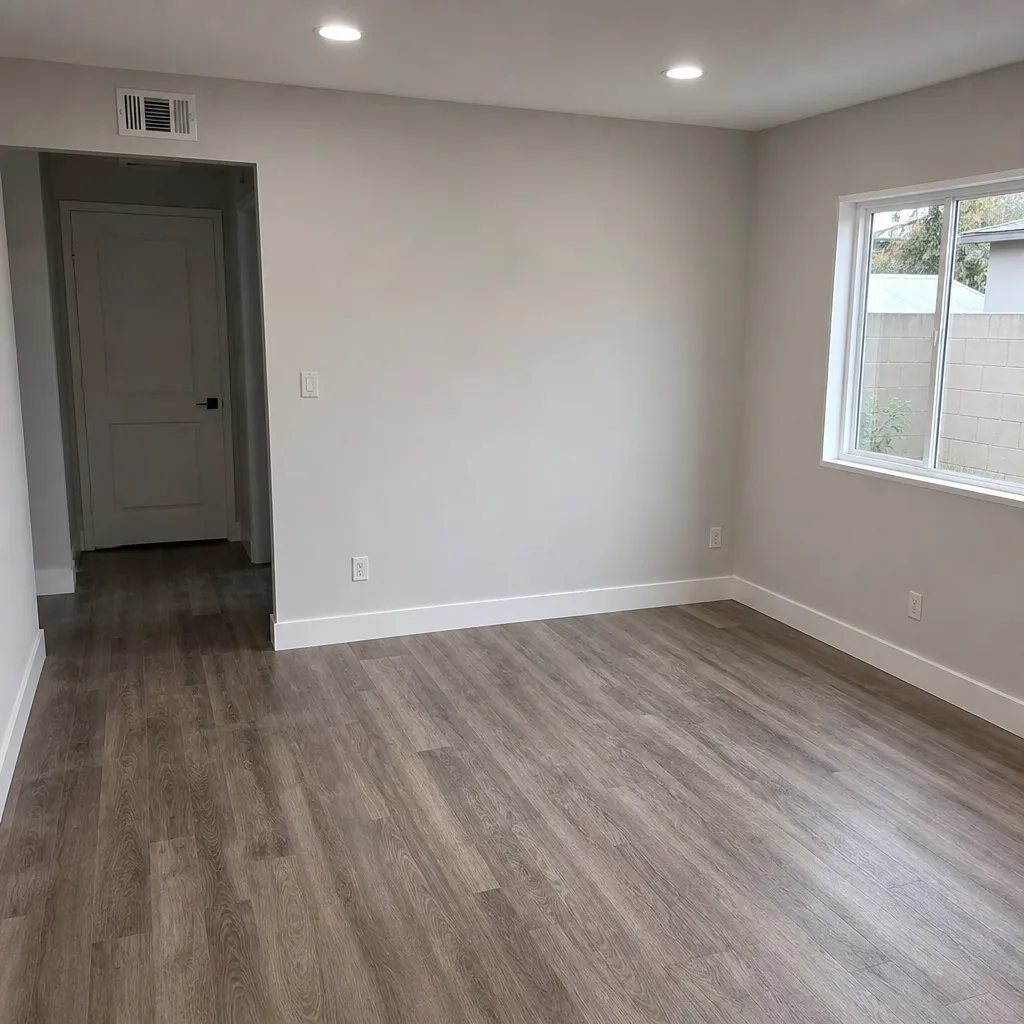 After
After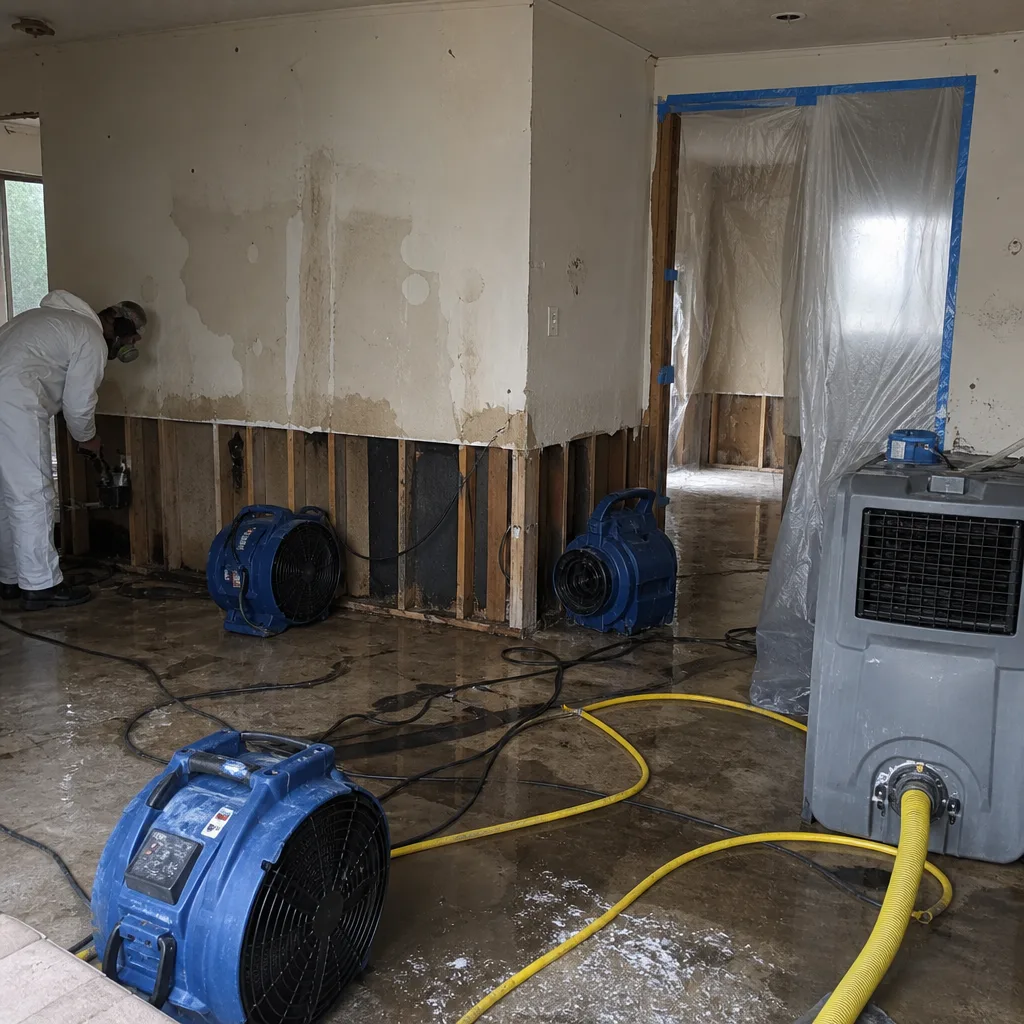 Before
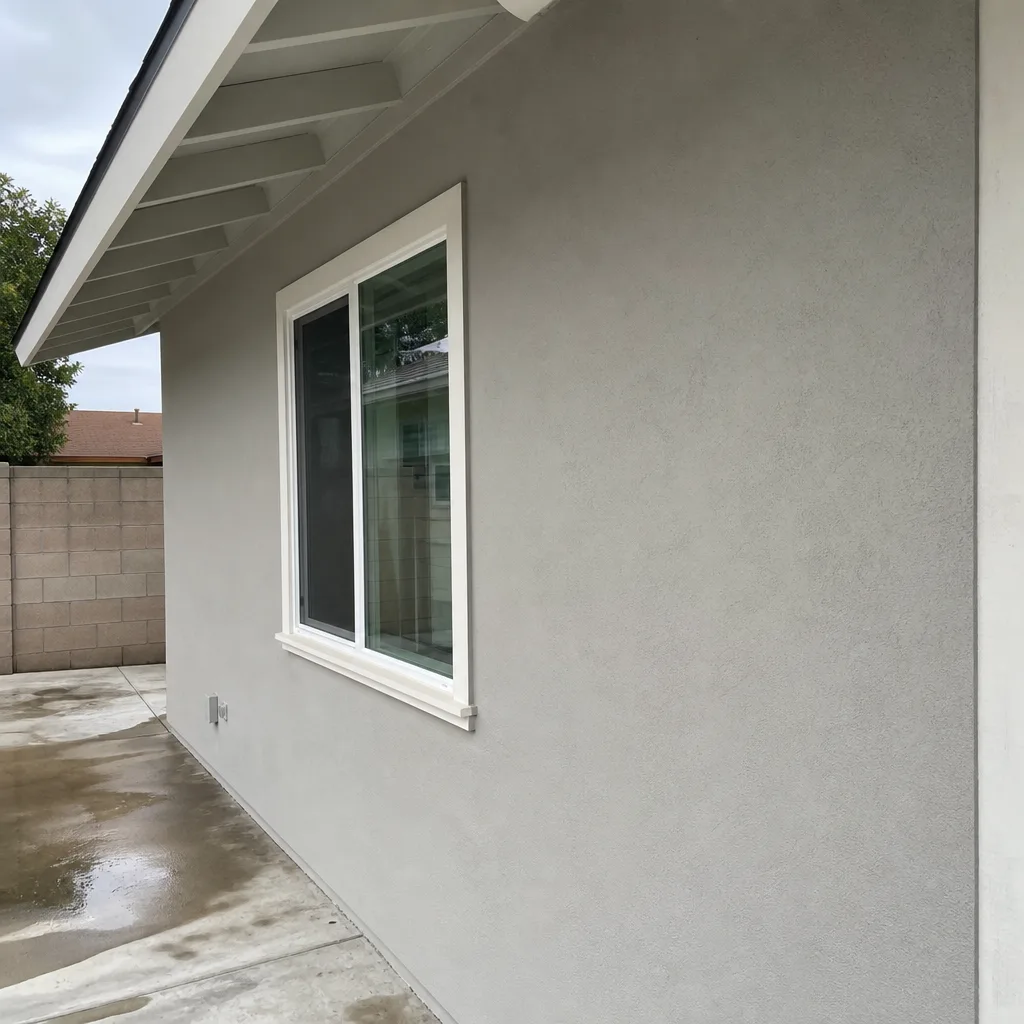 After
After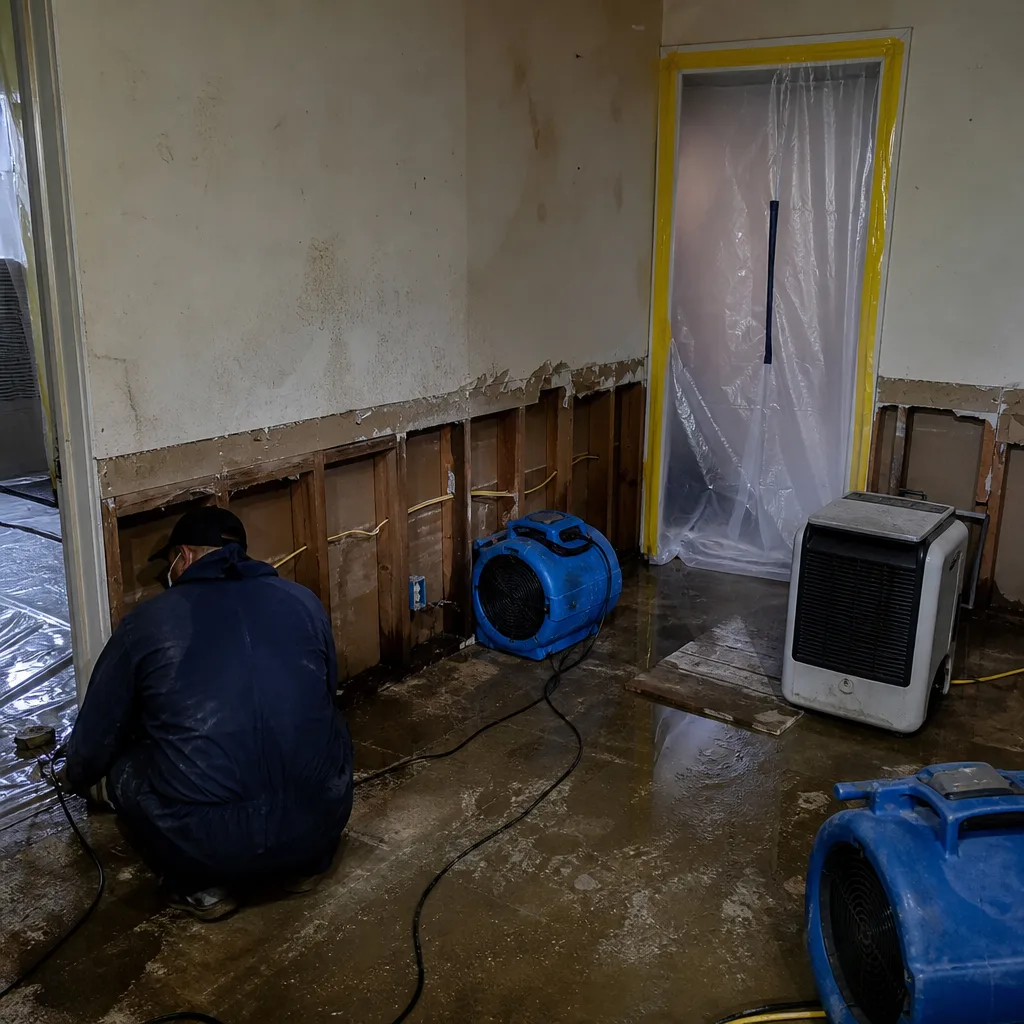 Before
 After
AfterThe Complete Guide to Damage Restoration in Cerritos
The average disputed water damage claim in California takes 14 months to resolve - not because the damage wasn’t real, but because the paperwork couldn’t prove it was. In Cerritos, where slab-on-grade construction from the 1960s through 1980s meets seasonal Santa Ana wind-driven moisture events and periodic San Gabriel River basin flooding, that documentation gap costs homeowners their deductibles, their coverage renewals, and sometimes their homes. This guide maps every link in the restoration chain so nothing gets handed over undocumented, and you can explore more guides & resources once you’ve finished.
Quick Answer
Damage restoration in Cerritos follows four distinct phases: emergency mitigation, structural drying, rebuild, and final inspection. Each phase requires specific documentation - moisture logs, psychrometric data, written scopes, and photo records - to protect your insurance claim. Without daily drying logs and a written price before work begins, your Certificate of Completion is functionally worthless if the claim is disputed.
Table of Contents
- The Four Phases of Restoration (and What Documentation Each Requires)
- Why Cerritos Homes Fail Differently: Local Geography and Construction
- Restoration Scope of Work vs. Contractor Estimate: Only One Protects You
- How to Read a Psychrometric Report and Verify Real Drying Progress
- Building the Documentation Chain Your Adjuster Will Pay
- Equipment, Certifications, and What They Actually Mean
- Common Mistakes to Avoid
- When to Call a Professional
- Frequently Asked Questions
- The Bottom Line
BeforeAfterThe Four Phases of Restoration (and What Documentation Each Requires)
Most homeowners think restoration is one phone call and one invoice. It’s four separate projects, each with its own documentation standard and its own failure mode.
Phase 1: Emergency Mitigation (Hours 0-48)
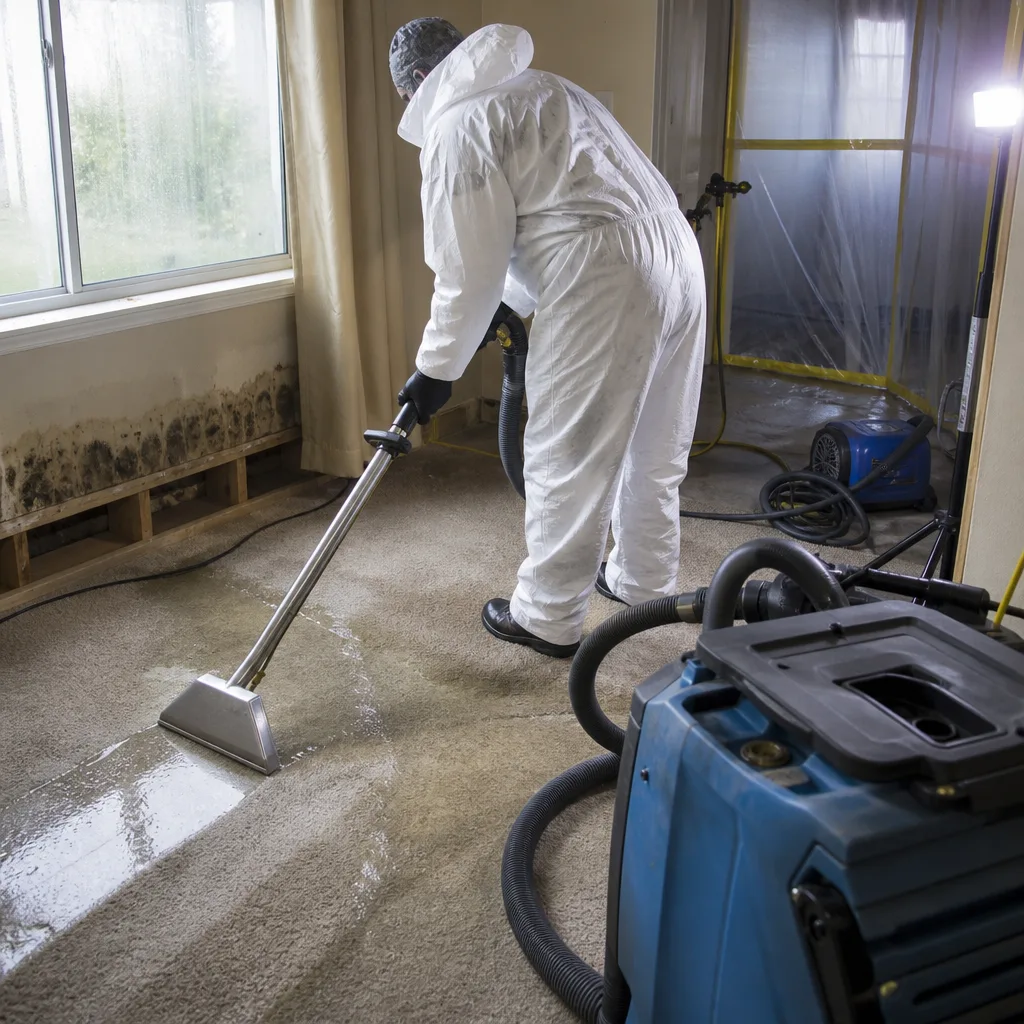
This is extraction, containment, and initial stabilization. The goal is stopping active water movement and preventing secondary damage. Documentation required: moisture mapping with pin and non-invasive meters, photo record of all affected materials, and a written mitigation scope with line-item pricing signed before work begins.
Under Haven Standard, Clause 1, we deliver that written price before anyone starts work. No exceptions. The photo record begins on this first visit and continues on every subsequent visit.
Phase 2: Structural Drying (Days 2-7, sometimes longer)
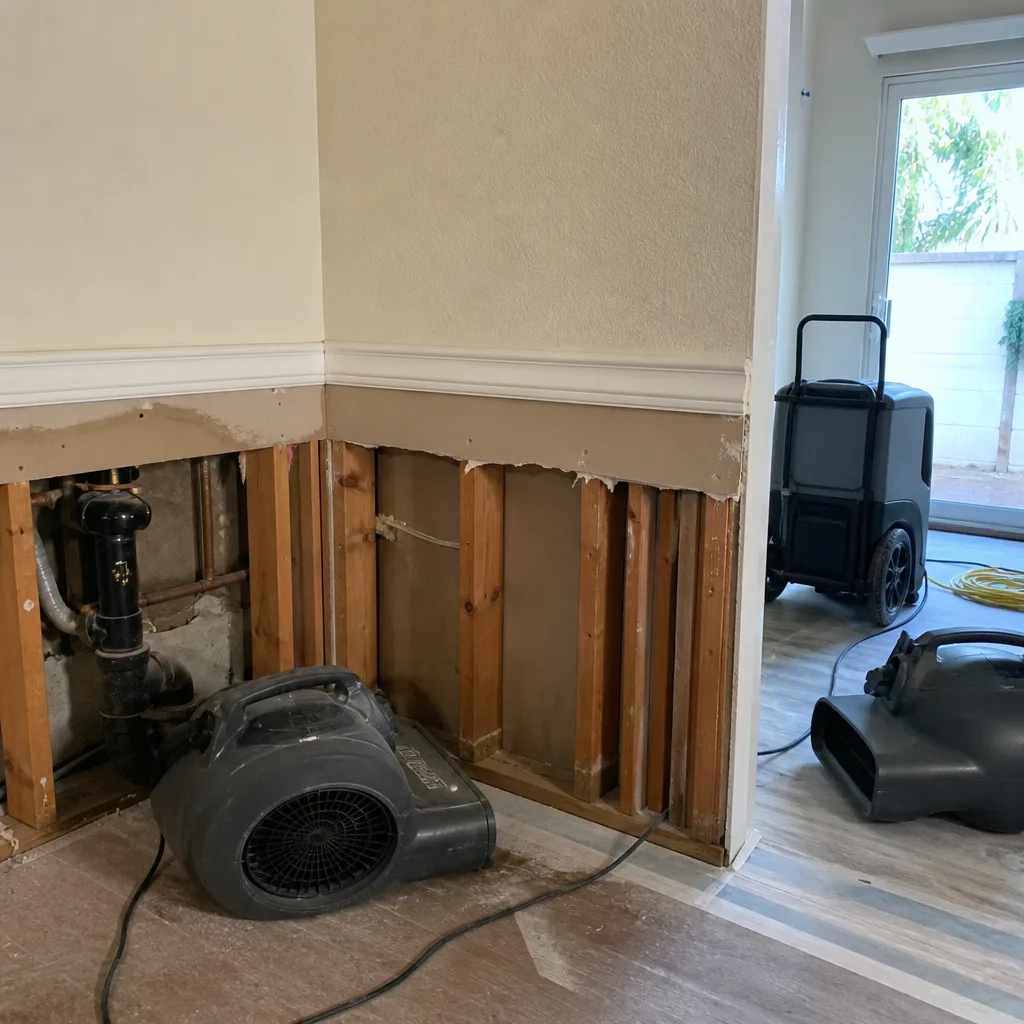
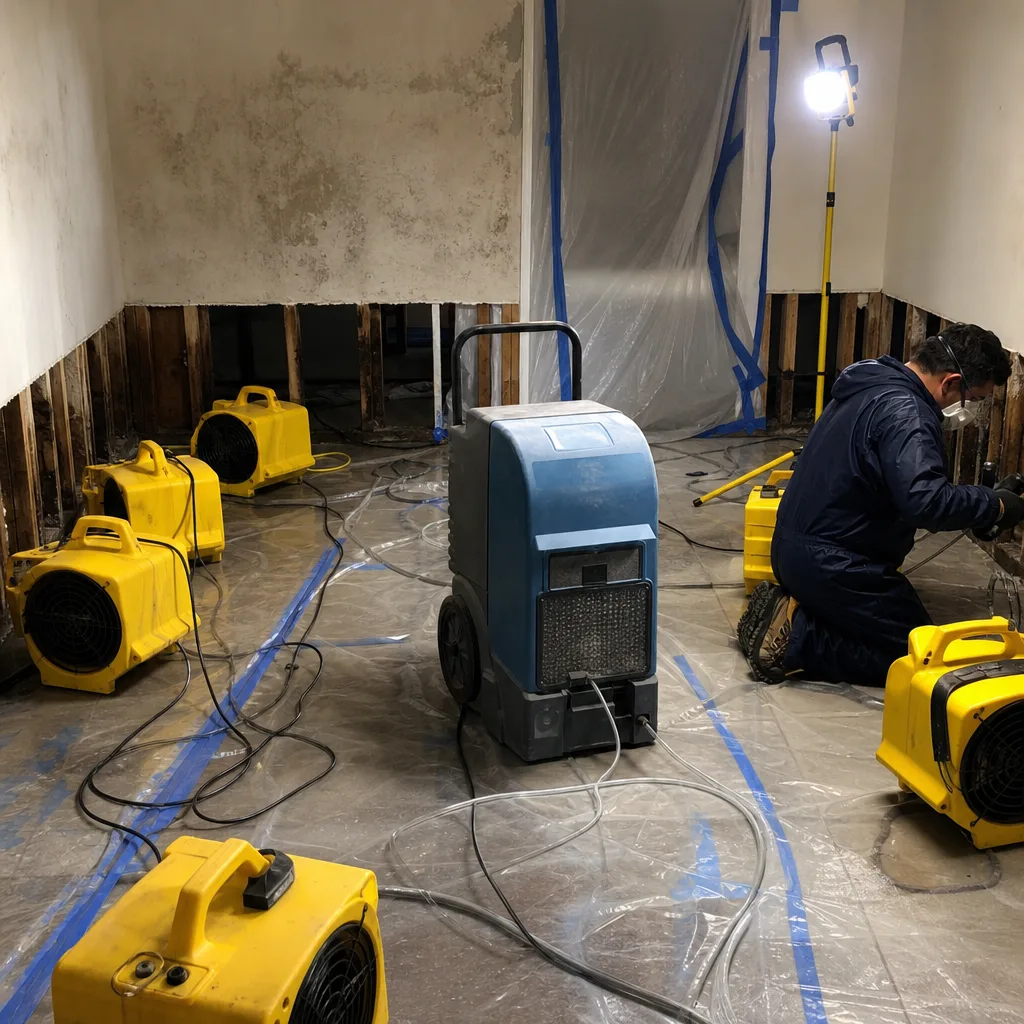
This is where most claims fail. Drying is not “running fans until it feels dry.” It’s controlled manipulation of temperature, humidity, and air movement to achieve specific moisture content targets in specific materials. Documentation required: daily psychrometric readings, equipment placement logs, moisture content readings at affected and unaffected control points, and progressive photo documentation.
We document to IICRC, RIA, and IFA standards. Our daily drying logs record vapor pressure differential - the measurable force that actually moves moisture out of materials - so an adjuster can see that drying happened, not just that equipment ran.
Phase 3: Rebuild (Post-drying, scheduled, not dispatched)
Reconstruction is scoped, scheduled, and priced in writing like any remodel. Never promise same-day service for rebuild work - that signals a company that doesn’t understand the difference between mitigation and construction. Documentation required: written rebuild scope with material specifications, permit applications where required by Cerritos building codes (see our guide on Damage Restoration Permits, Codes & Inspections in CA: What You Need to Know), and progressive photo record.
Phase 4: Final Inspection and Claim Closure
The deliverable is a complete file: mitigation invoice with daily logs, drying summary with psychrometric charts, rebuild scope with completion photos, and a signed Certificate of Completion. Without the daily logs, that certificate is a piece of paper with a date on it. With them, it’s proof of performance.
Water Damage Restoration in Cerritos follows this exact protocol, whether the loss is a slab leak in Park Estates or a washer hose failure in Cerritos South.
Why Cerritos Homes Fail Differently: Local Geography and Construction
Cerritos sits on the edge of the San Gabriel River flood plain, with a significant portion of its housing stock built during the 1960s through 1980s slab-on-grade boom. That combination creates damage patterns that adjusters in other markets don’t see.
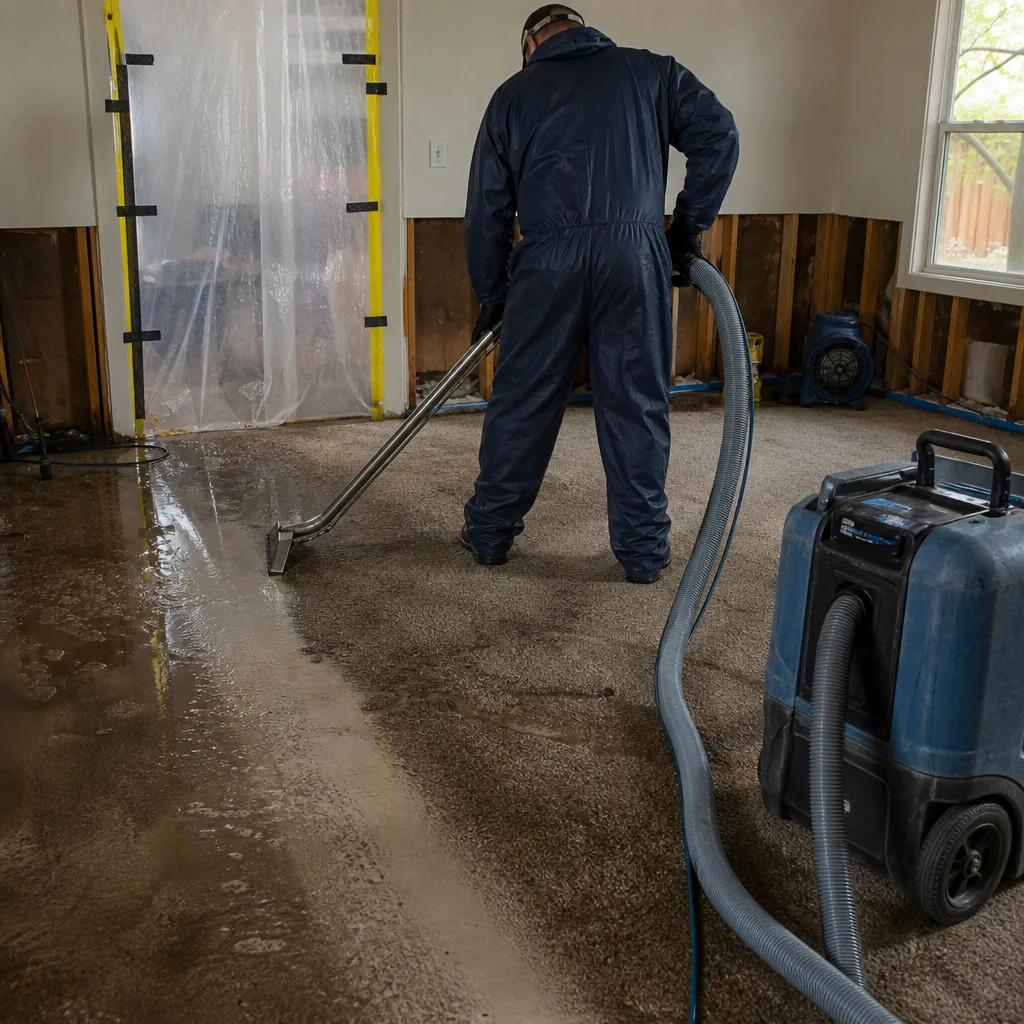
Slab-on-grade moisture migration: Without a crawl space, water from slab leaks, irrigation line breaks, or seasonal water table rise has nowhere to go but up. We’ve measured moisture content in Cerritos slab floors at 28% - well above the 16% threshold for mold growth on organic materials - with no visible water because the moisture is wicking through concrete and into base plates and drywall bottoms. Pin meters on baseboards in the Cerritos South and Country Club Drive areas regularly reveal hidden saturation that non-invasive scanners miss.
Santa Ana wind-driven envelope failure: The hot, dry Santa Ana winds that blow through Cerritos in fall and winter create negative pressure differentials in older homes with unsealed attics and single-pane windows. When those winds coincide with rain events, water gets driven into wall cavities through gaps that would never leak in calm conditions. We’ve documented this pattern repeatedly in the neighborhoods east of Carmenita Road, where 1970s stucco-over-wood-frame construction meets minimal weather barrier detailing.
Aging polybutylene and copper: Cerritos homes from the peak construction years often have original plumbing that’s now past functional life. Polybutylene supply lines fail at fittings; copper develops pinhole leaks from internal corrosion accelerated by local water chemistry. Both create slow, hidden losses that homeowners discover only when baseboards swell or tile cracks from subfloor expansion.
These patterns matter because insurers know them. When a Cerritos claim arrives without documentation that addresses slab moisture migration or wind-driven envelope failure specifically, adjusters default to “long-term maintenance issue” - denied.
Restoration Scope of Work vs. Contractor Estimate: Only One Protects You
This distinction destroys more claims than any other single factor.
A contractor estimate is a price for work. It says: “We will do these tasks for this amount.” It protects the contractor, not the homeowner. It doesn’t document what was actually found, what standards will govern the work, or what proof of completion will be delivered.
A restoration scope of work is a technical document that defines the loss, specifies the drying standard, identifies the equipment and methods, and commits to measurable outcomes. It includes:
- Initial moisture readings by material and location
- Drying goals by material classification (Class 1-4 per IICRC S500)
- Equipment specifications and placement rationale
- Psychrometric targets and measurement frequency
- Photo documentation protocol
- Criteria for progression to rebuild phase
- Final verification method and deliverables
Under Haven Standard, Clause 1, every DryMark Restoration Cerritos job begins with a written scope, not an estimate. The price is in there, but it’s attached to documented conditions and measurable outcomes. When an adjuster reviews that scope, they’re looking at a file that matches their own training - not a contractor’s guess that they have to argue over.
We’ve reviewed competitor estimates through our Free Second Opinion service that list “dry out house: $4,200” with no material classifications, no equipment specs, no drying goals, and no photo protocol. That’s not a scope. That’s a price that invites dispute.
How to Read a Psychrometric Report and Verify Real Drying Progress
Psychrometric data is the single most powerful documentation in a disputed claim - and the most commonly faked. Here’s what to look for.
The Five Numbers That Matter
- Temperature (°F): Affected area and unaffected control area. Should show controlled elevation in affected area, not ambient fluctuation.
- Relative Humidity (%): Affected area should trend downward as drying progresses. Static RH with running equipment indicates ineffective setup or hidden moisture source.
- Grains per Pound (GPP): The actual moisture content of the air. This is what dehumidifiers remove. Daily GPP reduction proves progress.
- Vapor Pressure (VP): The force driving moisture from wet materials to drier air. Affected area VP should exceed unaffected area VP - that’s the differential that drives drying.
- Dew Point (°F): The temperature at which condensation occurs. Must stay below surface temperatures to prevent secondary condensation damage.
Red Flags in Drying Logs
- Identical readings across multiple days - equipment was running, not drying
- No unaffected control readings - no baseline for comparison
- Missing GPP or VP data - the most important numbers omitted
- Readings taken at doorways instead of center of affected area - unrepresentative
- No correlation to moisture content readings in actual materials
Our daily logs from Dri-Eaz and Phoenix dehumidification systems record all five values at specified intervals, with technician initials and timestamp. Adjusters recognize this format because it’s what their own training manuals describe. Logs without it require explanation - and explanation is where claims get delayed.
Tertiary drying - the final phase where bound moisture is removed from dense materials like hardwood and plaster - requires sustained vapor pressure differential, not just low RH. A contractor who reports “dry” at 40% RH but doesn’t show VP data may have dried the air while leaving moisture in the materials. We’ve seen this failure mode in Cerritos hardwood floor claims where the floor cupped six months post-restoration because bound moisture was never addressed.
Building the Documentation Chain Your Adjuster Will Pay
Insurance claim review is a documentation chain. Break one link and the whole claim gets pulled for manual review - the 14-month delay.
Link 1: Proof of Loss Event
Date, time, cause, and initial photo record. For water losses in Cerritos, note whether source was supply line (typically covered) or ground/surface water (typically excluded, unless separate flood policy). Slab leak origin matters - gradual leakage from corroded pipe may be denied as maintenance.
Link 2: Emergency Response Documentation
Mitigation scope signed before work, with line-item pricing. Photo record of all affected areas before any disturbance. Moisture mapping with meter type, settings, and readings recorded.
Link 3: Drying Performance Record
Daily psychrometric logs with all five values. Equipment placement logs with make, model, serial number, and CFM/pint capacity. Progressive moisture content readings showing material-specific progress toward goals. Photo record of equipment in place and affected areas during drying.
Link 4: Completion Verification
Final moisture readings at or below drying goals. Post-restoration photo record. Written Certificate of Completion referencing the specific scope and standards applied. 365-Day Done Right Promise documentation under The Haven Standard.
Link 5: Rebuild Documentation (if applicable)
Separate written scope for reconstruction. Permit records for electrical, plumbing, or structural work per Cerritos building department requirements. Material invoices with specifications matching pre-loss condition. Progressive photo record. Final inspection sign-off.
Each link must reference the others. The drying log references the mitigation scope number. The completion certificate references the drying log date range. The rebuild scope references the completion certificate. This cross-referencing is what makes a file “clean” in adjuster terminology - payable without supplemental documentation requests.
Our photo record on every visit is included as standard, never an upsell. An adjuster can scroll from loss event through completion in chronological order, with every material change documented. That’s not extra service. That’s the minimum standard for a claim that pays without fight.
Equipment, Certifications, and What They Actually Mean
Restoration equipment branding matters because it determines whether the documentation your contractor produces will be accepted by adjusters and third-party reviewers.
Dehumidification: Dri-Eaz and Phoenix LGR (low-grain refrigerant) dehumidifiers are the industry standard for residential and light commercial drying. Their onboard sensors and data-logging capabilities produce the grain-per-pound and vapor-pressure readings that adjusters expect. Desiccant dehumidifiers from the same manufacturers handle specialty applications like hardwood drying and low-temperature environments.
Air Movement: XPOWER and B-Air axial and centrifugal fans provide the controlled airflow that accelerates evaporation without driving moisture into unaffected areas. Placement matters - we calculate air changes per hour based on room volume and dehumidifier capacity, not guesswork.
Specialty Drying: Injectidry systems provide directed drying for wall cavities, hardwood floors, and other confined spaces where conventional air movement can’t reach. In Cerritos slab-on-grade homes with water migration into base plates, Injectidry panel systems often provide the only path to verified drying without full demolition.
Certifications: IICRC sets the procedural standards (S500 for water damage, S520 for mold, S700 for fire and smoke). RIA provides advanced technical training and peer review. IFA focuses on forensic documentation and claim defensibility. A technician with IICRC certification knows the procedure. A company documenting to all three standards knows how to prove the procedure was followed.
We don’t list certifications for credibility. We reference them in our documentation so adjusters recognize the standard being applied. That’s the difference between marketing and evidence.
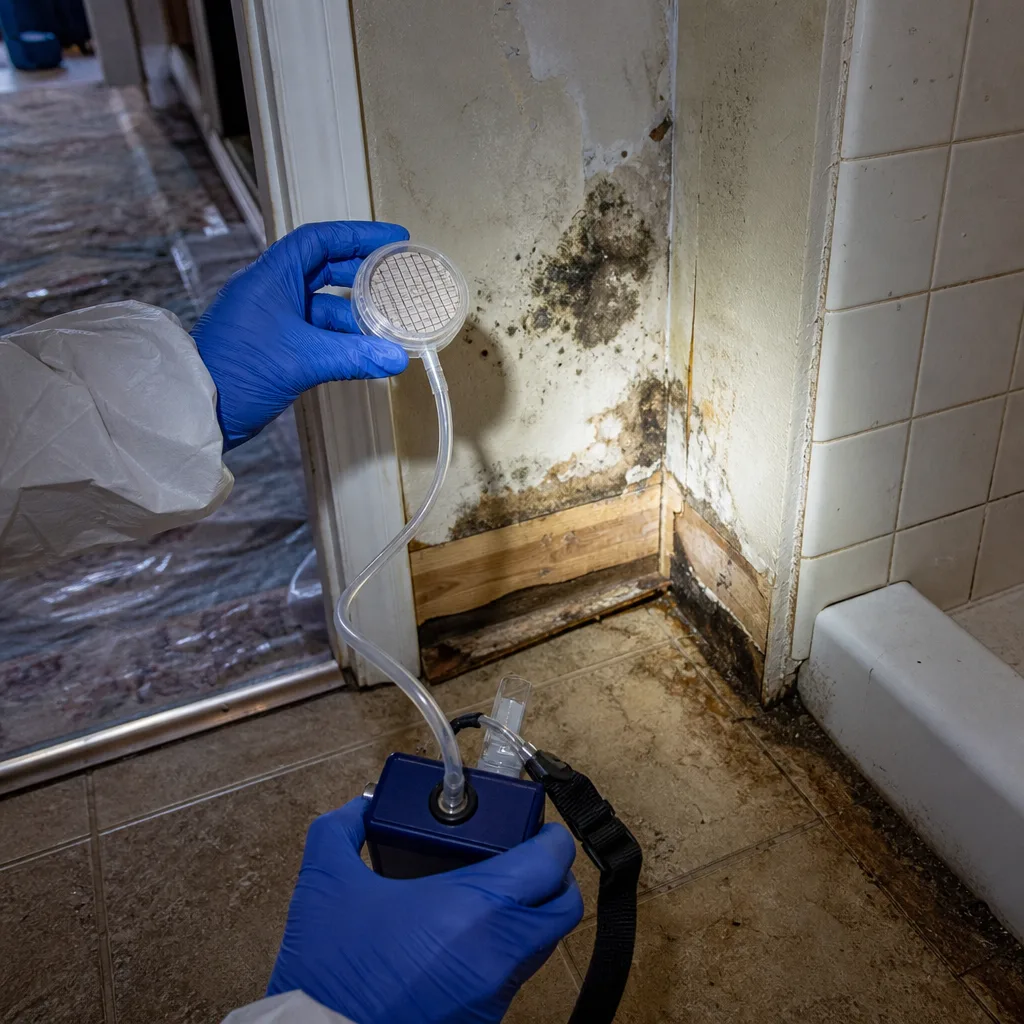
Mold Remediation in Cerritos requires additional documentation under IICRC S520: containment air pressure differentials, clearance sampling protocol, and chain-of-custody records for laboratory analysis. Without these, a mold claim is virtually unpayable in dispute.
Common Mistakes to Avoid
- Starting work without a written scope and price. Haven Standard, Clause 1 exists because we’ve seen too many Cerritos homeowners sign blank authorizations under pressure, then receive invoices 40% above verbal quotes. The written price before work starts is non-negotiable.
- Accepting a Certificate of Completion without daily drying logs. That certificate proves someone visited. The logs prove something happened. In a disputed claim, only the latter matters.
- Confusing mitigation speed with rebuild speed. Water extraction and initial drying are emergency services with rapid response. Reconstruction is scheduled construction. A contractor who promises same-day rebuild is either cutting scope or doesn’t understand the distinction.
- Ignoring slab moisture in Cerritos slab-on-grade homes. Surface drying of carpet and pad while concrete remains at 90%+ RH guarantees mold growth and future claim denial. Pin meters in concrete, not just carpet probes, are required.
- Letting the insurance adjuster choose the contractor. You choose the contractor. The adjuster evaluates the scope. Any adjuster who pressures vendor selection is creating a conflict of interest that may not serve your property’s best interest.
- Not documenting pre-existing conditions. Cerritos homes from the construction boom years often have prior repairs, additions without permits, or gradual deterioration. Photo document everything before restoration work begins - it protects against scope-creep accusations later.
- Discarding equipment before final verification. Dehumidifiers removed based on calendar days instead of moisture content goals leave hidden moisture that manifests months later. Equipment stays until data says it’s done.
When to Call a Professional
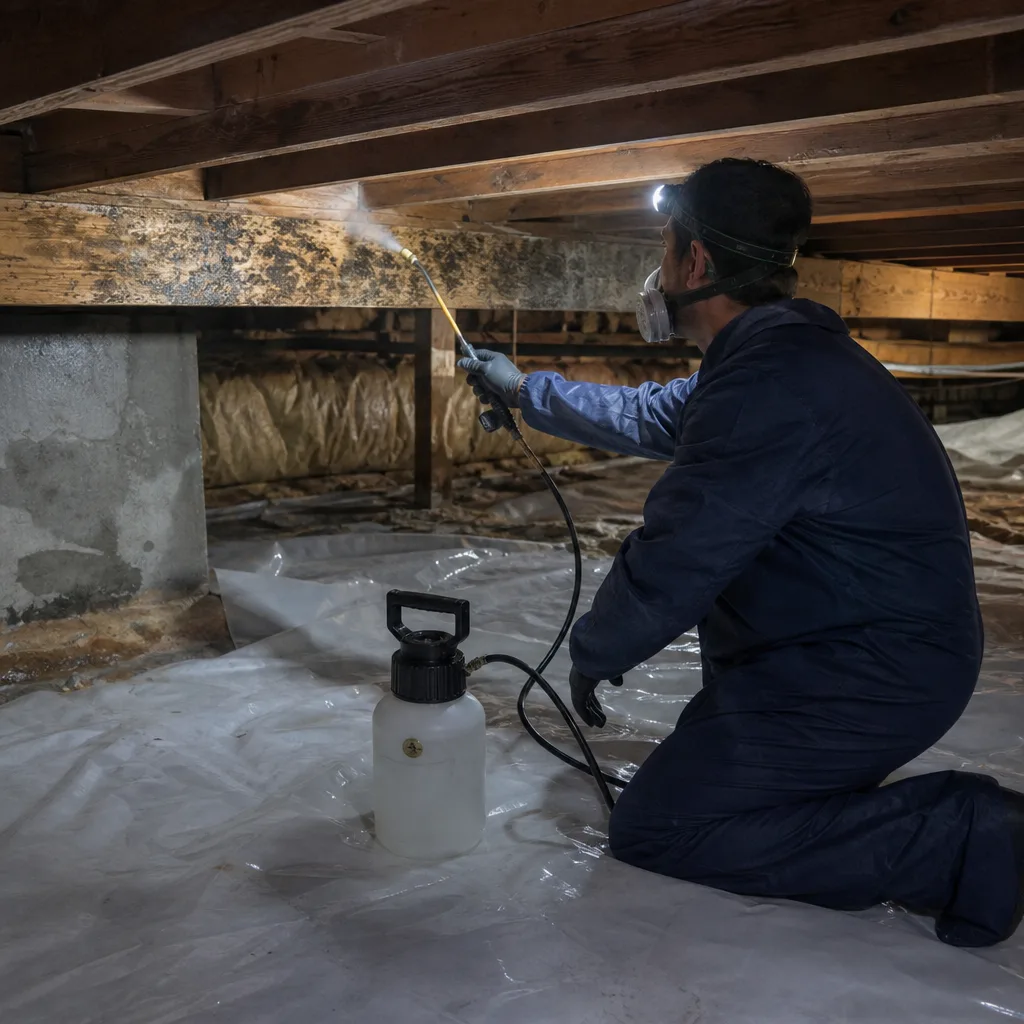
Call immediately when water is actively moving, when you smell mold but can’t locate the source, when fire damage involves structural compromise or HVAC contamination, or when sewage or biohazard materials are present. These are not diagnostic situations - they’re containment emergencies where every hour of delay expands the affected area and the documentation burden.
For slower-developing concerns - a water bill spike suggesting hidden leak, visible staining with no active moisture, or post-storm roof inspection - schedule assessment within 24-48 hours. The documentation protocol is the same; only the response speed differs.
DryMark Restoration Cerritos home provides live phone coverage 24 hours a day, 7 days a week with no voicemail on emergency lines. Every job is quoted in writing before work begins, documented with a photo record on every visit, and covered by the 365-Day Done Right Promise. DryMark Restoration Cerritos offers free estimates in Cerritos - call (562) 600-5083.
Frequently Asked Questions
Emergency water mitigation in Cerritos typically ranges from $1,800 for a contained Class 1 loss to $6,500+ for a whole-house Class 3 or 4 event with significant demolition. Mold remediation runs $15-$30 per square foot of contained area depending on accessibility and containment complexity. Fire and smoke restoration starts around $4,000 for light surface cleaning and deodorization, with full reconstruction priced separately per written scope. Call (562) 600-5083 for an exact quote - estimates are free, and Haven Standard, Clause 1 requires a written price before any work starts. For detailed pricing context, see our Damage Restoration Cost Breakdown: The Cerritos Homeowner’s Reference for 2026.
Most sudden and accidental water damage from supply lines, appliance failures, or storm intrusion is covered under standard California homeowners policies. Gradual leaks, maintenance-related failures, and ground water intrusion are typically excluded. The key is documentation that proves the loss event was sudden and the response was immediate. Our daily drying logs and photo records are designed specifically to support this documentation standard. We also coordinate directly with adjusters and provide photo-documented assessments for claim submission.
Emergency mitigation crews can be on-site within 60-90 minutes for active water losses in Cerritos and surrounding areas. This is dispatch speed for extraction and stabilization, not rebuild scheduling. Reconstruction work is always scoped, scheduled, and priced in writing before commencement - typically 3-10 days post-drying depending on permit requirements and material lead times. Call (562) 600-5083 for current emergency response availability.
If mold growth exceeds 10 square feet, involves HVAC systems, or follows Category 2 or 3 water damage, professional remediation with containment and negative air pressure is required per IICRC S520 and California Department of Public Health guidance. Surface cleaning of isolated, recent growth under 10 square feet on non-porous materials may be adequate. We provide free assessment to determine which protocol applies, with written scope and pricing before any work begins. The wrong choice - cleaning when remediation is needed - leaves viable spores that regrow and voids future claim coverage for related damage.
A restoration company documents to insurance standards, manages emergency mitigation and controlled drying, and produces the daily logs and photo records that claims require. A general contractor builds and repairs, typically without the documentation protocol or equipment inventory for emergency water extraction and structural drying. Some projects need both - we handle the restoration phase and can provide or coordinate rebuild under separate written scope. Only a restoration scope with daily documentation protects your claim; only a contractor estimate protects the builder.
We coordinate directly with your adjuster, providing photo-documented assessments, daily drying logs, and written scope amendments as conditions change. Our documentation is formatted to match adjuster training standards, reducing supplemental documentation requests and claim delays. You remain the policyholder and final decision-maker - we don’t negotiate coverage, we provide the evidence that supports your claim. Direct adjuster coordination is standard on every DryMark Restoration Cerritos job, not an additional service.
The Bottom Line
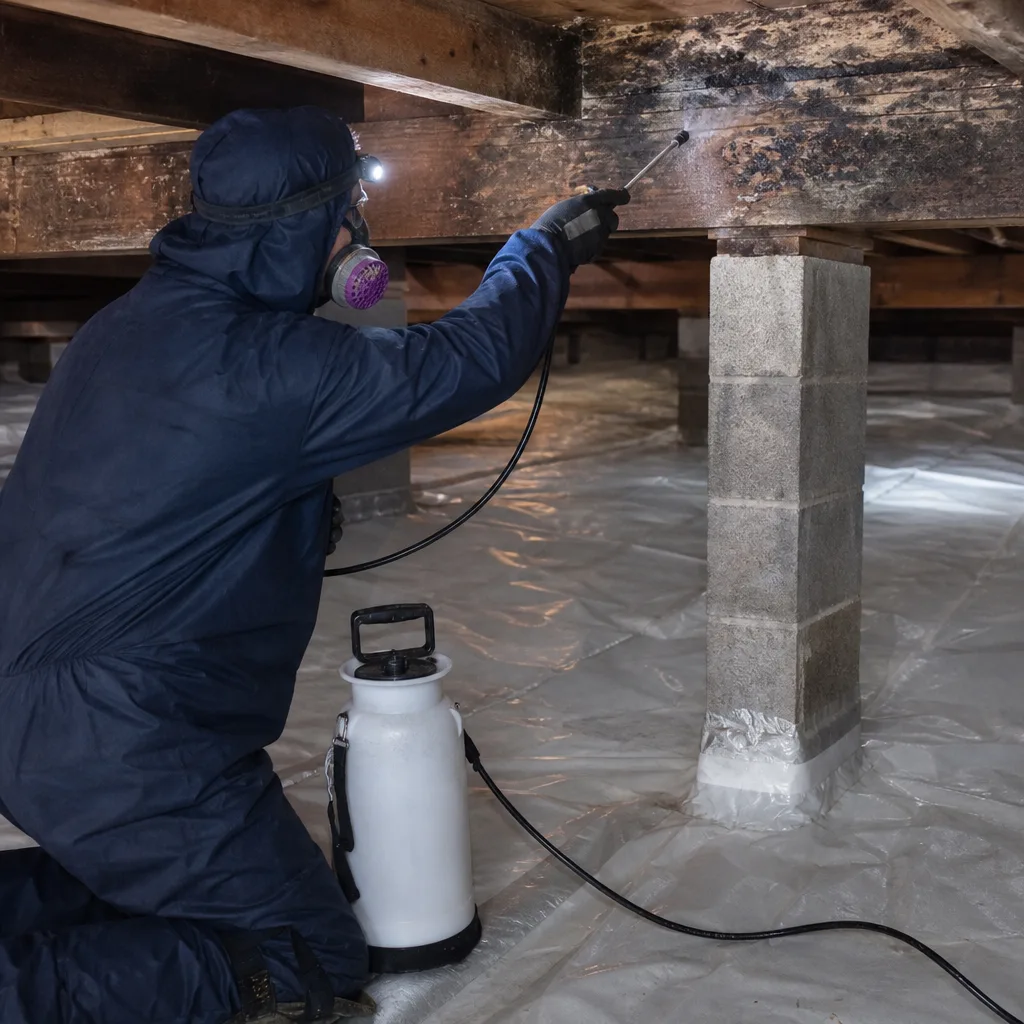
Damage restoration in Cerritos is not a single event. It’s a chain of documented decisions - emergency response, controlled drying, verified completion, and if needed, permitted rebuild. Each link either strengthens your insurance claim or creates a gap that adjusters exploit to delay or deny. The homes that recover fastest and most completely are not the ones with the most expensive contractors. They’re the ones with the most complete files: written scopes, daily psychrometric logs, progressive photo records, and cross-referenced completion documentation. That’s what The Haven Standard requires. That’s what we deliver on every job, starting with a written price before work begins.
Ready to start your documentation the right way? Call DryMark Restoration Cerritos at (562) 600-5083 for a free estimate. Every assessment includes moisture mapping, photo documentation, and a written scope with line-item pricing - before anyone picks up a tool.
Written by Alicia Brennan, Owner at DryMark Restoration Cerritos, serving Cerritos since 2011.