
Last updated September 23, 2026
Free visual inspection and a written scope of work before any mitigation begins - photos, moisture readings, and drying logs go in your claim file
The scope we write is the scope we bill. Anything new gets shown to you, in writing, before we touch it.
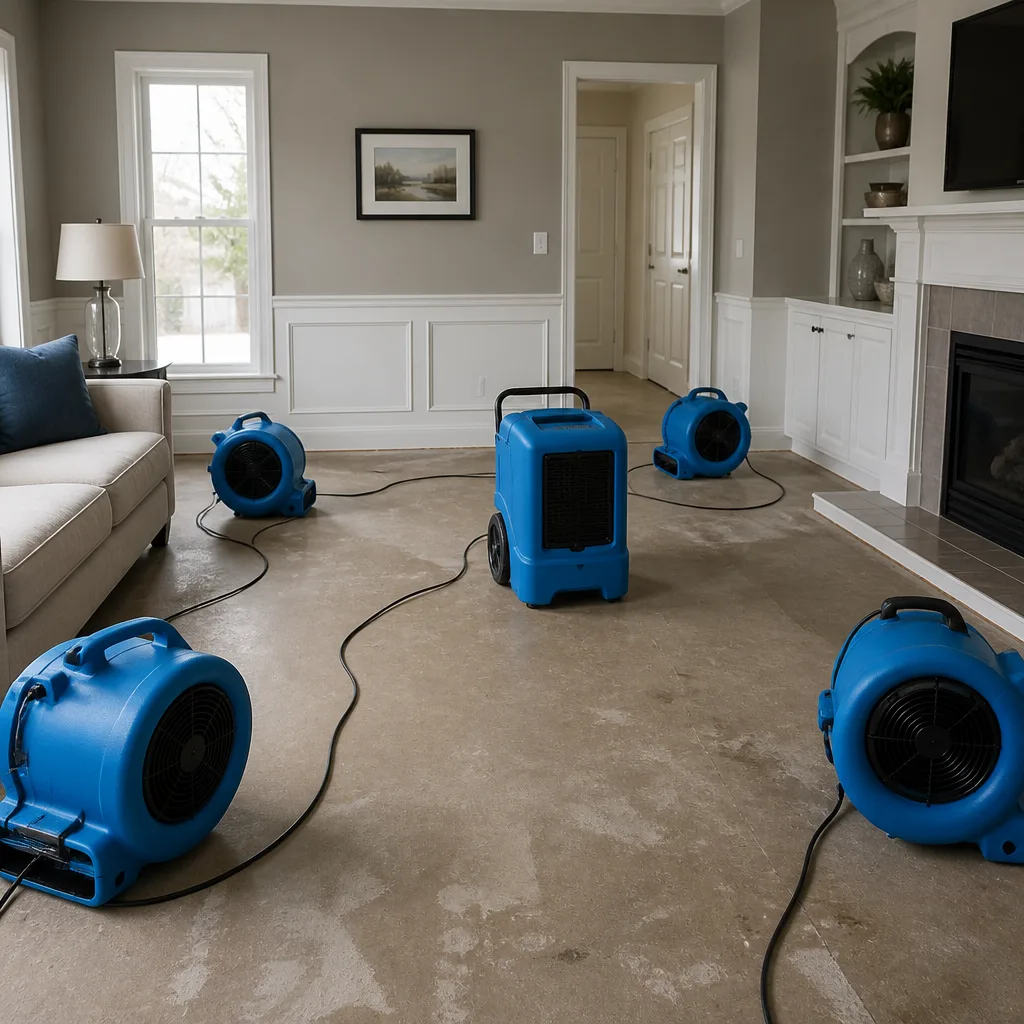
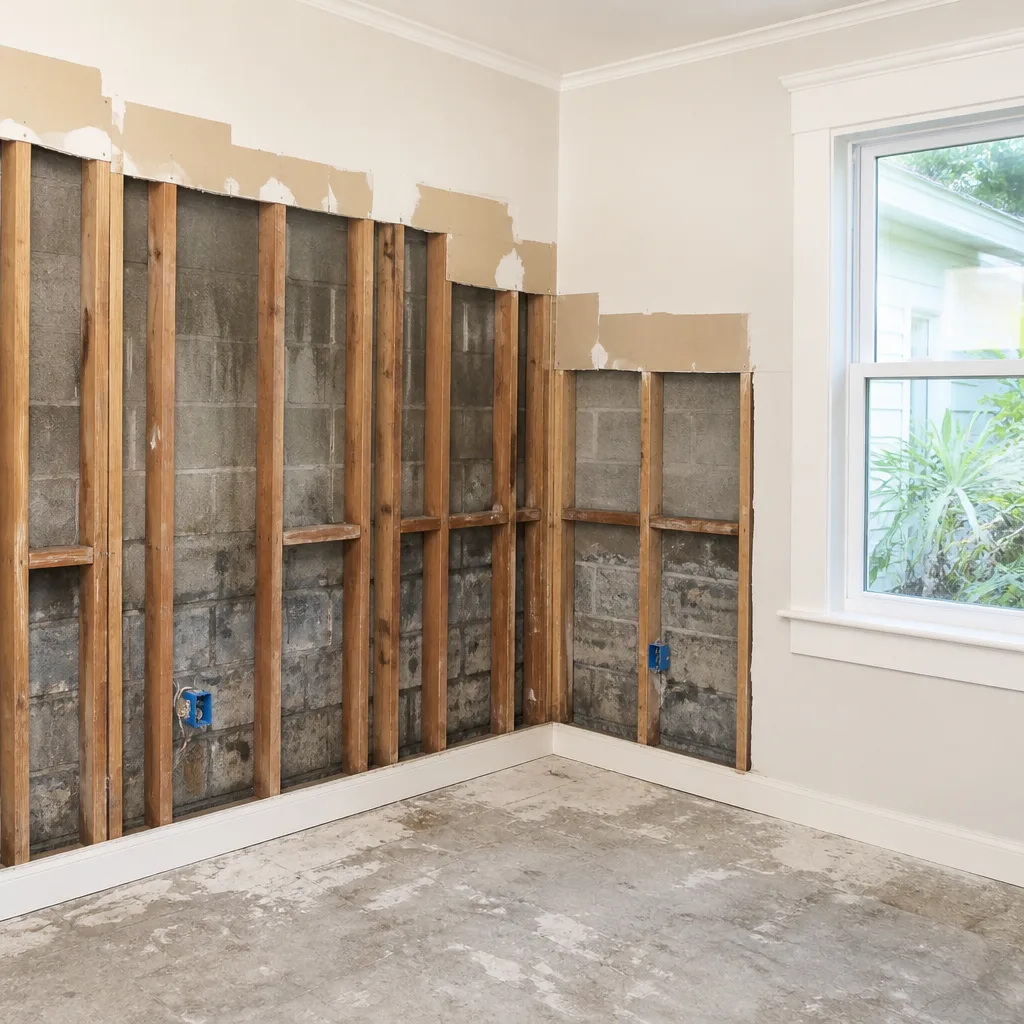
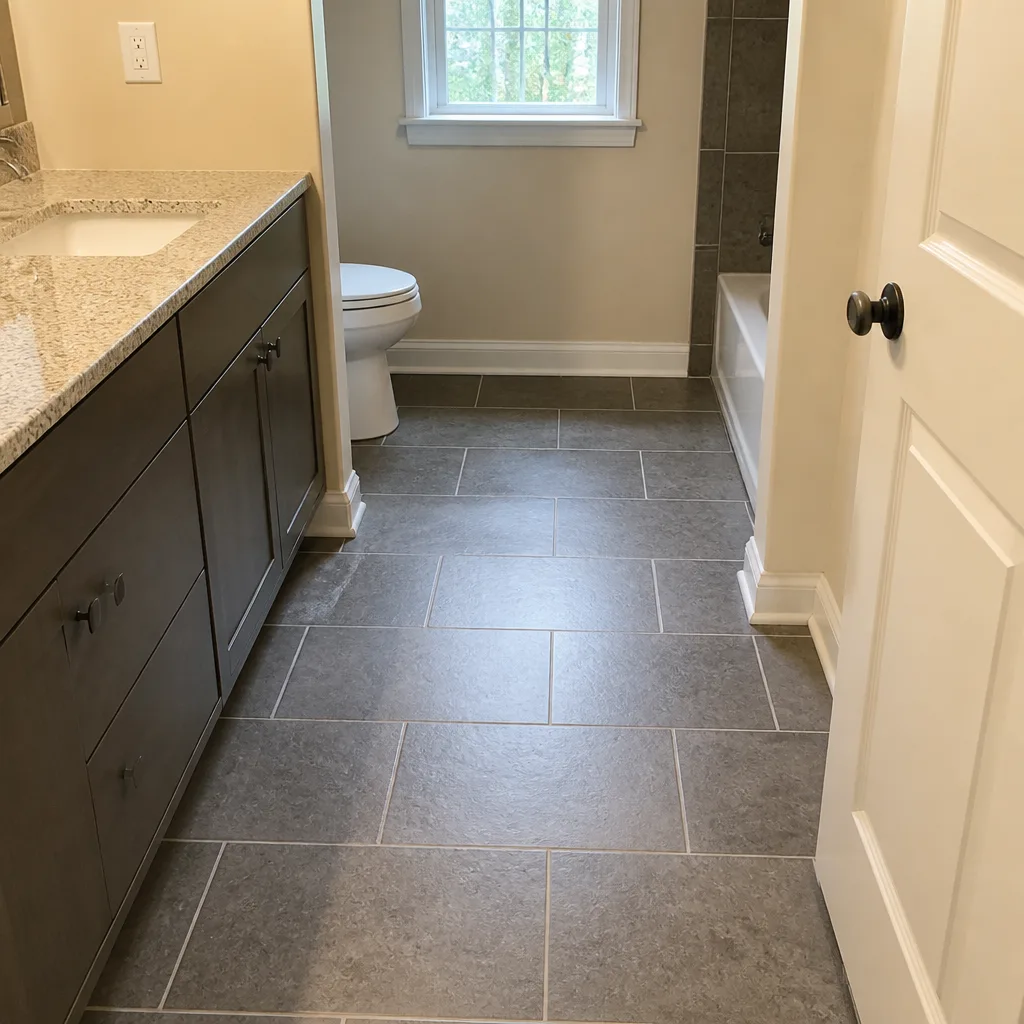

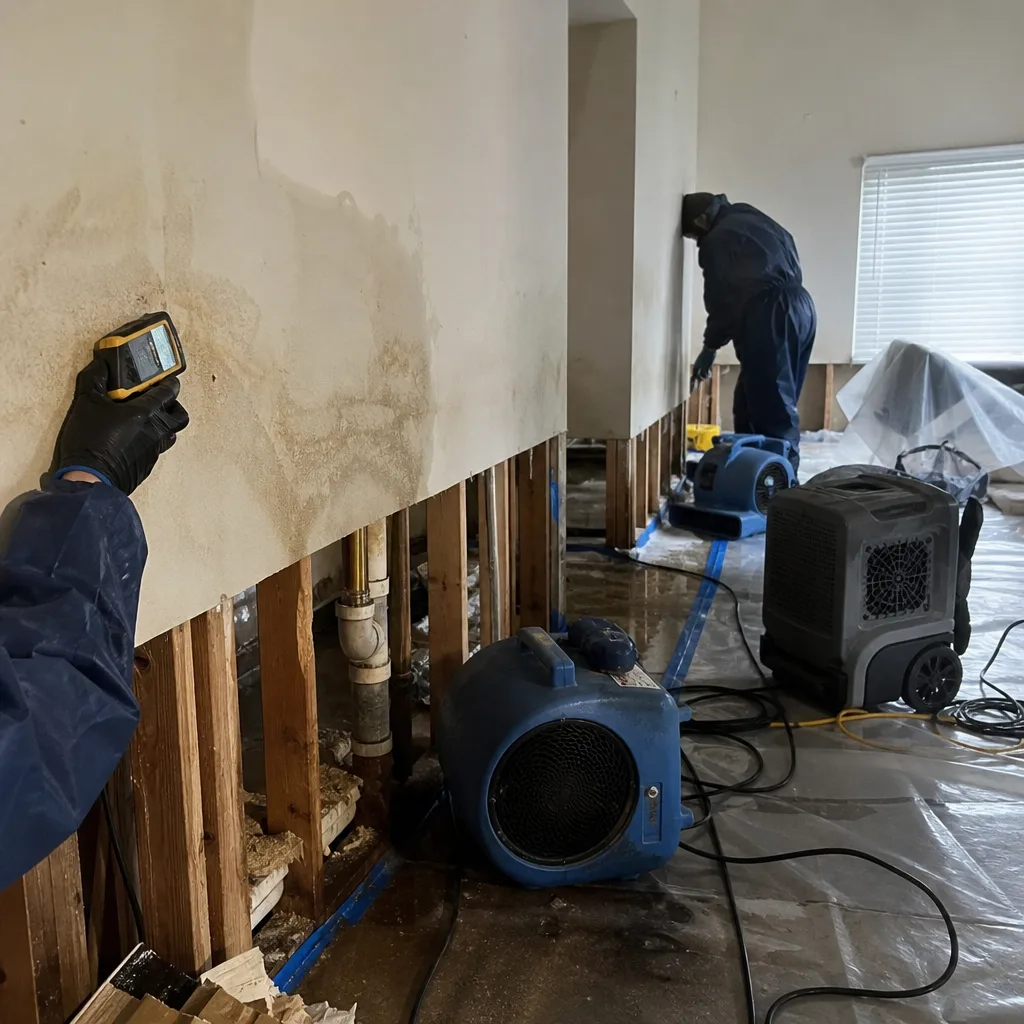 Before
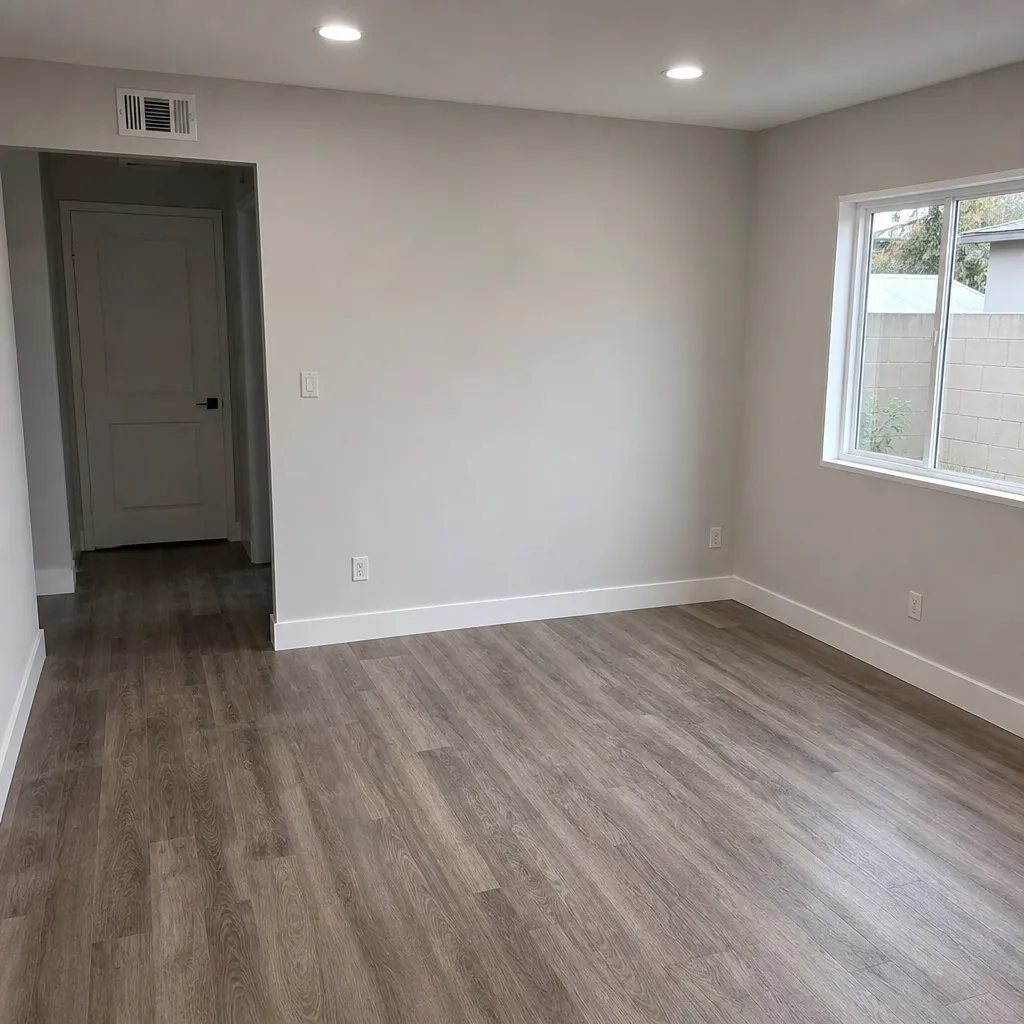 After
After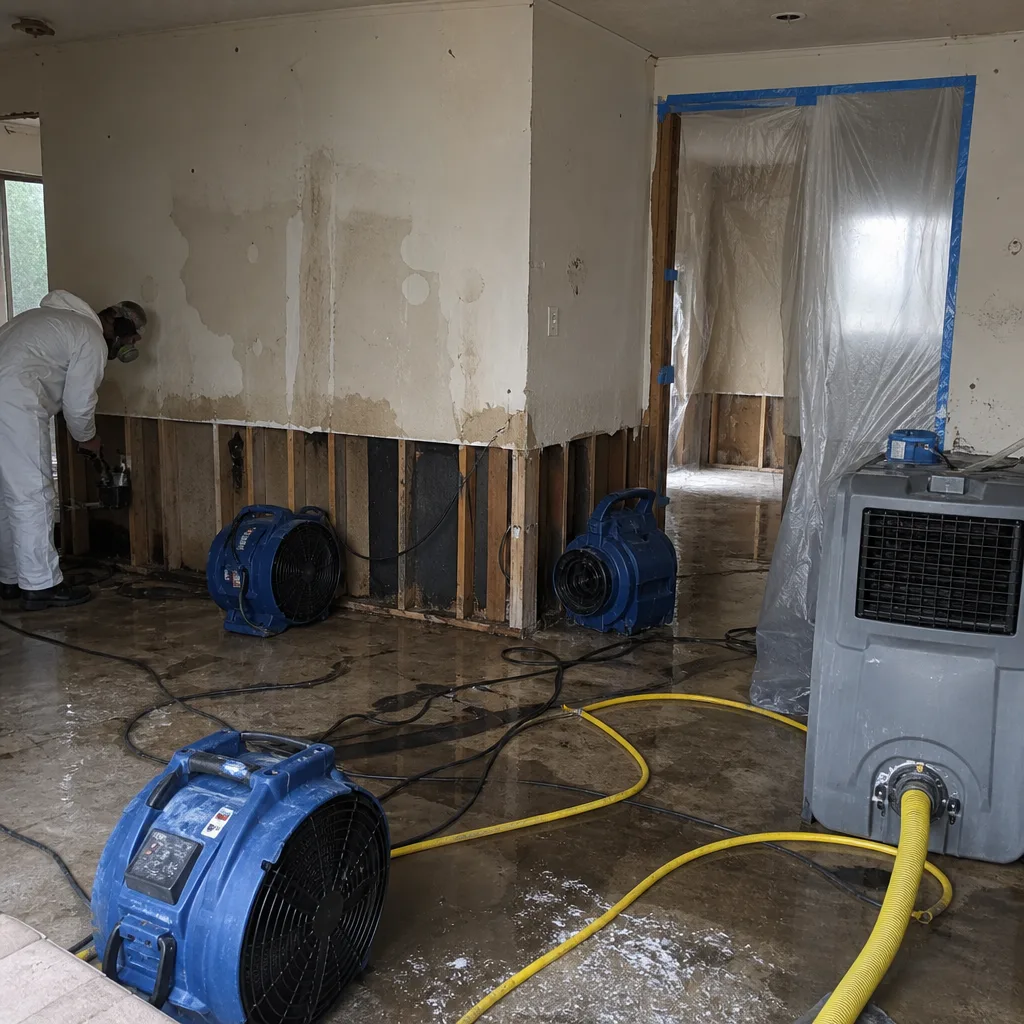 Before
 After
After Before
 After
AfterDamage Restoration Cost Breakdown: The Cerritos Homeowner’s Reference for 2026
The same 200-square-foot water-damaged room in Cerritos can generate a legitimate invoice anywhere from $4,800 to $11,400 depending on moisture readings, material classification, and containment requirements - and all three numbers can be correct. Most homeowners never see that range because they ask the wrong question: “What’s your price per square foot?” Restoration pricing in Los Angeles County doesn’t work that way. It’s built from Xactimate, the unit-cost database that insurers use to audit claims, and a homeowner who understands that system will spot a lowball settlement or an inflated contractor estimate before signing anything. This guide decodes the actual cost structure for Cerritos properties in 2026.
Quick Answer
Water damage restoration in Cerritos typically ranges from $3,200 for a contained Category 1 loss with minimal demolition to $18,500+ for a Category 3 sewage backup requiring full gutting, tertiary drying, and reconstruction. The final invoice depends on moisture readings (not square footage), material classification (porous vs. non-porous), and whether the scope was written to Xactimate standards that your adjuster will recognize. A written estimate delivered before work begins is the only way to compare bids fairly - anything else is a guess.
Table of Contents
- Why Xactimate Pricing Matters More Than “Per Square Foot”
- Line-by-Line: A Typical Cerritos Category 2 Water Loss
- Hidden Reimbursables That Contractors Often Omit
- Reading Your Scope: ACV vs. RCV on the Xactimate Printout
- Why the Cheapest Bid in Cerritos Usually Costs the Most
- Mold, Fire, and Specialty Restoration: Different Cost Structures
- Common Mistakes to Avoid
- When to Call a Professional
- Frequently Asked Questions
BeforeAfterWhy Xactimate Pricing Matters More Than “Per Square Foot”
Restoration contractors in Cerritos who quote by the square foot are either simplifying for convenience or avoiding documentation. Xactimate, the pricing engine developed by Verisk and used by State Farm, Allstate, Farmers, and most California insurers, assigns a unit cost to every discrete action: extract standing water from carpet (per square foot, but only up to a certain depth), remove baseboard (per linear foot), deploy a LGR dehumidifier (per day, with fuel surcharge), or perform a moisture reading (per visit, per room).
The system exists because restoration isn’t remodeling. A kitchen remodel has a defined endpoint: cabinets installed, countertop sealed, invoice paid. A water damage job has a conditional endpoint: when the moisture content of structural materials reads below 16% on a pinless meter and the vapor pressure differential between affected and unaffected areas falls within IICRC S500 parameters. That endpoint moves based on what the drying log shows, not what the contractor estimated on day one.
Here’s what this means for a Cerritos homeowner. Your property sits in Los Angeles County’s Zone 3 climate region - mild winters, dry summers, but with marine layer humidity that can slow evaporation in May and June. A contractor using Xactimate correctly will factor that regional data into drying day projections. One quoting “$8 per square foot” has no mechanism to adjust for humidity, for the fact that your home in the ABC Unified School District area has post-1980s drywall with vinyl wallpaper (slow permeance), or for the Category 2 gray water that requires antimicrobial application per IICRC protocol.
The per-square-foot quote also fails on scope. Two hundred square feet of wet carpet might require:
- Extraction with a truck-mounted system or portable extractor
- Lifting and blocking the carpet for airflow
- Removing wet pad (always - pad is non-salvageable in Category 2)
- Deploying air movers (typically one per 50-70 square feet of affected area)
- Deploying one LGR dehumidifier per 1,000-1,500 cubic feet
- Daily moisture readings with documented psychrometric data
- Antimicrobial application to subfloor and baseplate
- Contents manipulation to access wet areas
Each of these is a separate line item in Xactimate. A per-square-foot quote bundles them, hides them, or omits them. The homeowner who understands this can ask: “Will you provide an Xactimate-formatted scope with line items before work begins?” At DryMark Restoration Cerritos, Haven Standard Clause 1 requires exactly that - a written price before any work starts, every time, with no exceptions.
Line-by-Line: A Typical Cerritos Category 2 Water Loss
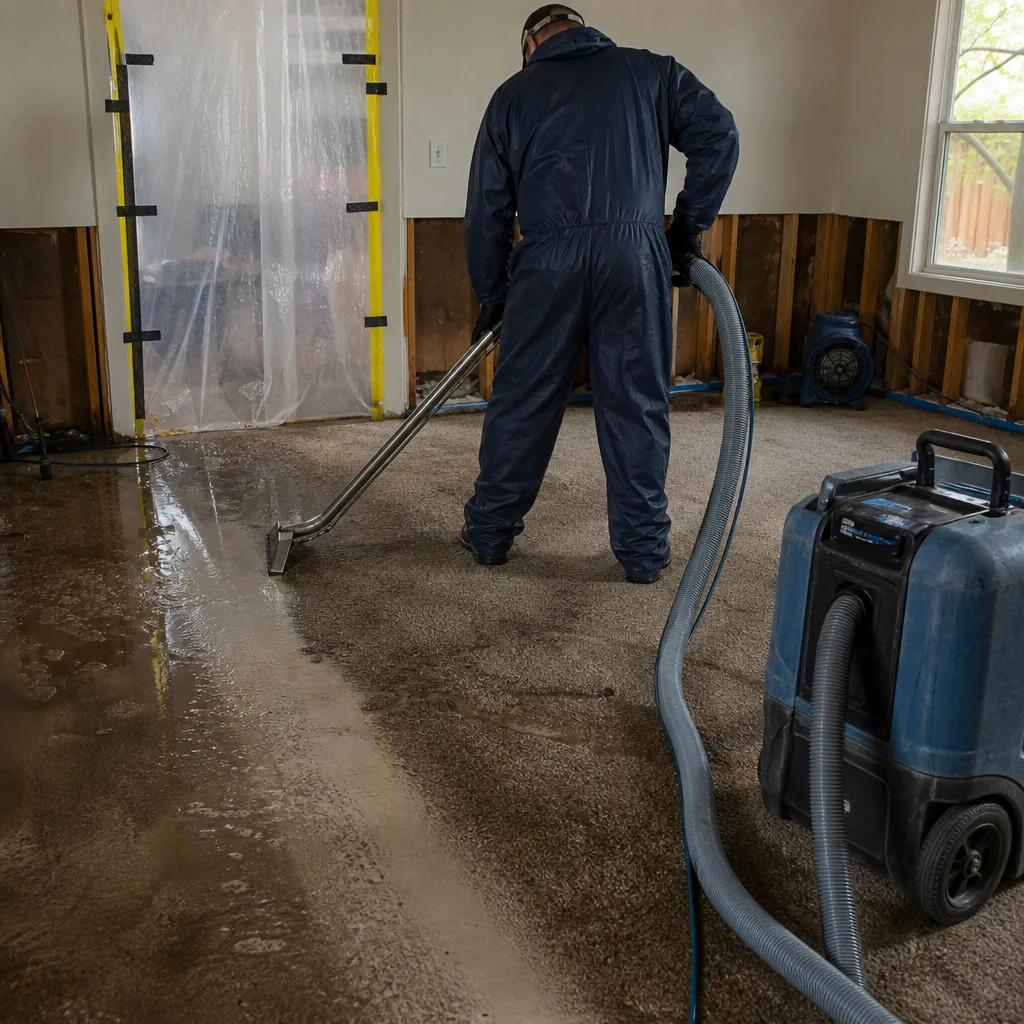
Category 2 water - often called “gray water” - contains significant contamination and has the potential to cause discomfort or sickness if contacted or consumed by humans. Sources include washing machine overflow, dishwasher discharge, or sump pump failures. In Cerritos, where many homes in neighborhoods like Carmenita and South Street were built between 1965 and 1995 with original plumbing still in service, Category 2 losses are common; see Damage Restoration Warning Signs: A Cerritos Homeowner’s Reference Guide for early indicators.
Below is a representative breakdown for a 200-square-foot affected area with water intrusion into carpet, pad, baseboard, and lower drywall (up to 12 inches). These are current Los Angeles County market rate ranges based on Xactimate pricing as of early 2026, adjusted for regional labor costs and material availability.
| Line Item | Unit | Quantity | Rate Range | Subtotal |
|---|---|---|---|---|
| Water extraction, carpet | sq ft | 200 | $0.85-$1.20 | $170-$240 |
| Remove and dispose of carpet pad | sq ft | 200 | $0.55-$0.80 | $110-$160 |
| Remove baseboard | ln ft | 60 | $1.10-$1.60 | $66-$96 |
| Cut and remove lower drywall (12″) | ln ft | 60 | $2.80-$4.20 | $168-$252 |
| Deploy LGR dehumidifier | day | 4-6 | $38-$52/day | $152-$312 |
| Deploy axial air mover | day | 4-6 | $18-$26/day | $288-$624 |
| Daily moisture monitoring/reading | visit | 4-6 | $85-$125/visit | $340-$750 |
| Antimicrobial application, Category 2 | sq ft | 200 | $0.45-$0.75 | $90-$150 |
| Contents manipulation (furniture moving) | hr | 2-3 | $65-$95/hr | $130-$285 |
| Dehumidifier fuel surcharge | day | 4-6 | $8-$14/day | $32-$84 |
| Waste disposal, construction debris | load | 1 | $180-$280 | $180-$280 |
| Mitigation Subtotal | $1,726-$3,233 |
Notice what’s not in this table: reconstruction. The mitigation phase dries and stabilizes. Rebuilding - new drywall, paint, baseboard, carpet pad, carpet - is a separate scope with its own Xactimate line items. A homeowner who receives only a mitigation estimate should ask when the rebuild scope will be written and whether the contractor handles both phases or subcontracts reconstruction.
Also notice the range. Four drying days versus six depends on initial moisture readings, the permeance of affected materials, and whether the home’s HVAC system can assist or must be isolated. A contractor using Phoenix 200 HT dehumidifiers and Injectidry floor drying systems may achieve tertiary drying faster than one with less efficient equipment, but the daily monitoring log - not the equipment brand - proves completion.
Hidden Reimbursables That Contractors Often Omit
California HO-3 policies, the most common homeowner form in Cerritos, cover “sudden and accidental” water damage with specific exclusions for long-term leaks and flood (the latter requires separate NFIP coverage). Within covered losses, many reimbursable line items never appear on contractor estimates because the contractor either doesn’t know to bill them or prefers a simpler invoice.
The homeowner who documents these items and ensures they appear in the scope summary will recover more from their insurer without dispute. Here are the most commonly omitted:
- Contents manipulation. Moving furniture, electronics, and personal property to access wet areas is billable at hourly rates. Many contractors absorb this as “courtesy” and never bill it, leaving money on the table that the policy would have paid. The correct approach: photograph contents before moving, log hours, and line-item the charge.
- Dehumidifier fuel surcharges. Xactimate includes a daily surcharge for generator fuel or electrical cost when dehumidifiers run on auxiliary power. In Cerritos, where Southern California Edison rates average $0.28-$0.34 per kWh, this is not trivial for a six-day dry with three LGR units drawing 6-8 amps each.
- Air quality testing. Post-mitigation clearance testing for mold spores or VOCs is reimbursable under many policies when the loss involved Category 2 or 3 water, or when mold was visible. A contractor who skips this to “save money” leaves the homeowner without documentation that the space is safe to reoccupy.
- Psychrometric data logging. Daily temperature, relative humidity, and specific humidity readings, plotted to show drying progress, are required by IICRC S500 and are a standard line item. Without this data, an adjuster may deny that drying was completed properly.
- Containment barriers. For Category 3 losses or mold remediation, polyethylene containment with negative air pressure is required. The setup, daily monitoring, and takedown are separate line items that many contractors bundle into a single “remediation” charge, making audit difficult.
- Specialty drying: hardwood, plaster, tile. Injectidry systems for hardwood floors, desiccant dehumidifiers for dense materials, and cavity drying systems all carry different unit costs. A contractor who treats all materials as carpet-and-pad will underbid, then cut corners, or overbid and hope the homeowner doesn’t compare.
At Water Damage Restoration in Cerritos, we itemize every reimbursable line in the initial scope. Haven Standard Clause 1 requires a written price before work begins; that price includes every element we believe the loss requires, documented to standards that adjusters recognize.
Reading Your Scope: ACV vs. RCV on the Xactimate Printout
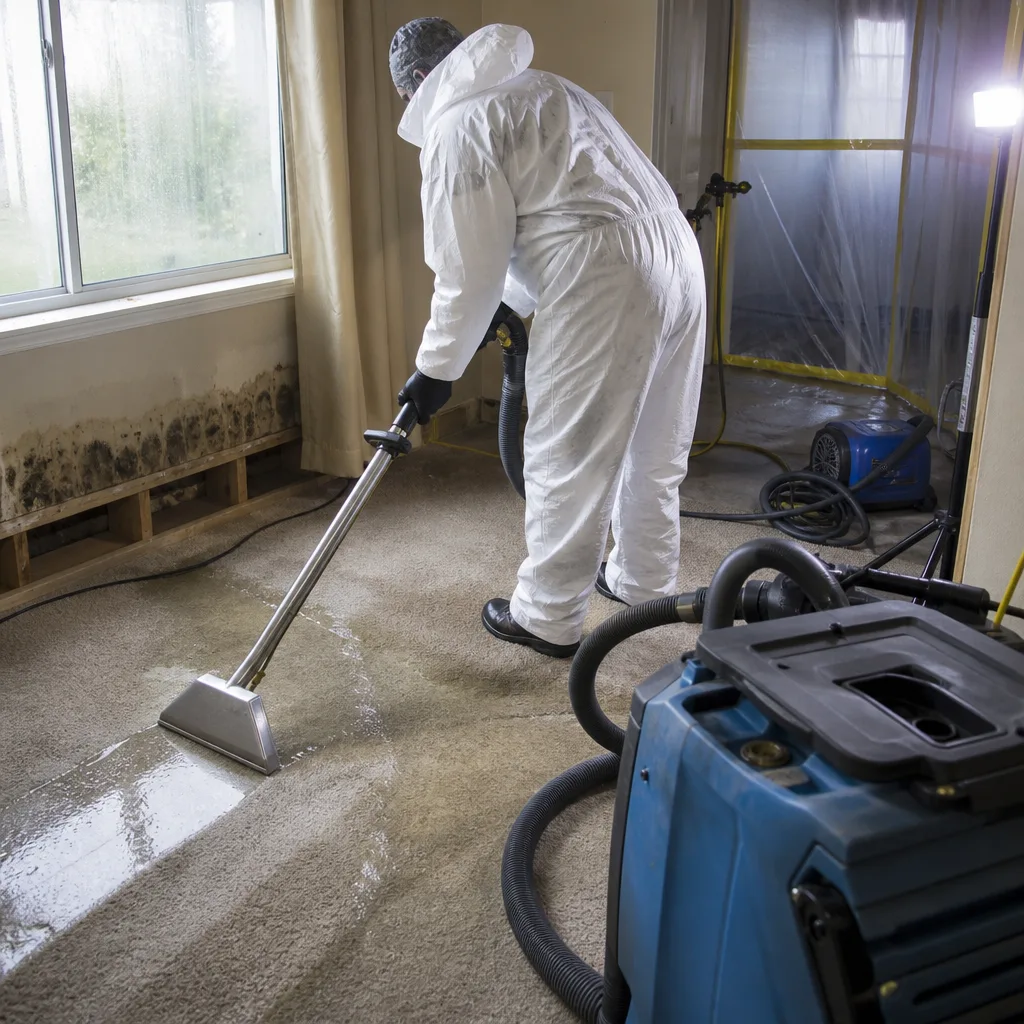
Every Xactimate estimate includes a summary page that states whether materials are priced at Actual Cash Value (ACV) or Replacement Cost Value (RCV). This distinction determines how much the insurer pays initially and whether supplemental payments follow.
ACV pays what the damaged item was worth at the moment of loss, minus depreciation. A 12-year-old carpet with a 15-year life expectancy might be depreciated 80%, leaving the homeowner to cover the gap. RCV pays the full cost of replacement with like kind and quality, with depreciation recoverable after the work is completed and documented.
Here’s how to read the scope summary:
- Look for the header “Valuation” or “Settlement” near the top of the summary page.
- If it states “RCV,” the estimate assumes full replacement cost. Your initial payment will be ACV (RCV minus depreciation), with the holdback released when you submit proof of completion.
- If it states “ACV only,” the policy or the adjuster has limited your recovery. This is common in California for certain mold claims or when coverage limits apply.
- Check the “Depreciation” column for each line item. Heavy depreciation on structural materials (drywall, insulation, framing) often indicates the adjuster believes those materials were older or partially deteriorated before the loss.
- Compare the “Unit Price” column to regional averages. Xactimate updates unit costs quarterly; a scope written in January 2026 may use Q4 2025 pricing, which could be 3-5% below current rates in Los Angeles County due to material inflation.
A contractor who understands this will write the initial scope to RCV standards and document every replacement with dated photos, product specifications, and invoices. At DryMark Restoration Cerritos, our photo record on every visit - standard deliverable, never an upsell - provides the documentation needed to recover RCV holdbacks without dispute.
The homeowner who doesn’t understand ACV vs. RCV may accept an ACV settlement and never realize they could have recovered thousands more by completing the work and submitting documentation. This is particularly costly in Cerritos, where 1970s-era homes in the Park Plaza neighborhood often have original materials that carry heavy depreciation but require full replacement to meet Damage Restoration Permits, Codes & Inspections in CA: What You Need to Know.
Why the Cheapest Bid in Cerritos Usually Costs the Most
In 2023, we were called to a home on Bloomfield Avenue where a previous contractor had “completed” a Category 2 water loss for $2,800 - roughly 40% below the Xactimate range for the affected area. The homeowner’s insurer had paid the invoice without audit. Six months later, mold was visible behind the baseboard, the subfloor had delaminated, and the musty odor indicated active microbial growth.
The re-remediation required full gutting of the lower wall cavity, HEPA-contained removal of contaminated materials, three weeks of drying with desiccant dehumidifiers, and reconstruction. Total cost: $14,200. The insurer denied the second claim as “resulting damage from faulty workmanship,” leaving the homeowner to litigate or absorb the cost.
This pattern repeats because low bids achieve their price through specific, identifiable omissions:
- Incomplete extraction. Standing water left in subfloor cavities evaporates slowly, extending drying time and creating conditions for mold. Proper extraction uses weighted extraction tools or vacuum panels to remove water from pad and subfloor, not just surface pumping.
- Insufficient equipment. One dehumidifier for 2,000 square feet, or air movers placed for visual effect rather than airflow engineering, produces a drying log that looks active but fails to achieve vapor pressure equilibrium.
- Skipped monitoring. Daily moisture readings with documented psychrometric data - temperature, relative humidity, specific humidity, and dew point - are required to prove drying progress. A contractor who visits twice and declares “dry” has no defensible documentation.
- No antimicrobial application. Category 2 water requires antimicrobial treatment to non-salvageable materials and affected surfaces. Skipping this saves $150-$300 on a small job and creates liability later.
- Demolition without containment. Cutting drywall without polyethylene containment and negative air pressure in a Category 2 or 3 loss disperses contaminants through the HVAC system, potentially affecting the entire home.
The Haven Standard’s 365-Day Done Right Promise exists for exactly this scenario. If our work fails to achieve documented drying standards, we return at our expense. But that guarantee requires that we performed the work initially - a homeowner who hires the low bidder and then calls us for the resulting damage faces a new scope, a new deductible, and often a coverage dispute.
Mold, Fire, and Specialty Restoration: Different Cost Structures
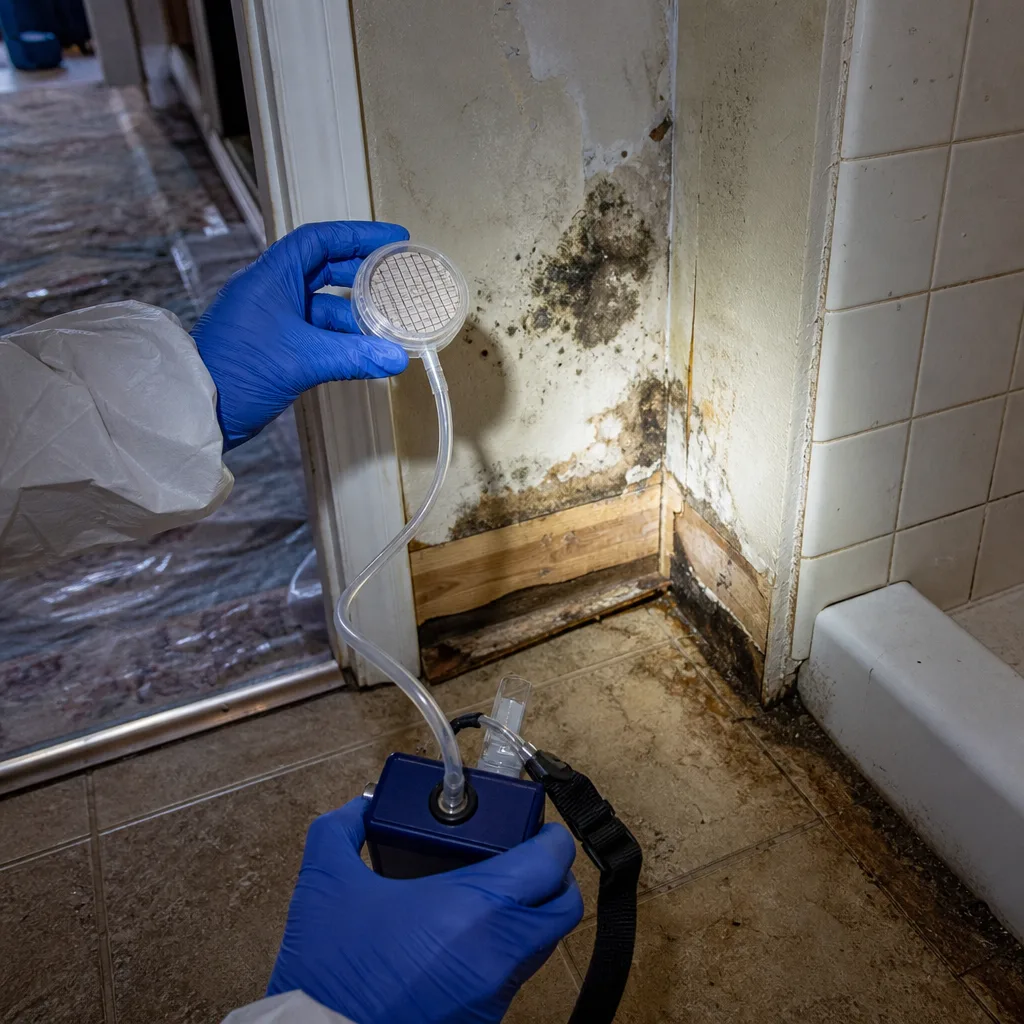
Water damage mitigation follows predictable patterns because the physics of drying are constant. Mold remediation, fire restoration, and biohazard cleanup operate under different constraints and cost structures; explore more guides & resources for detailed breakdowns of each.
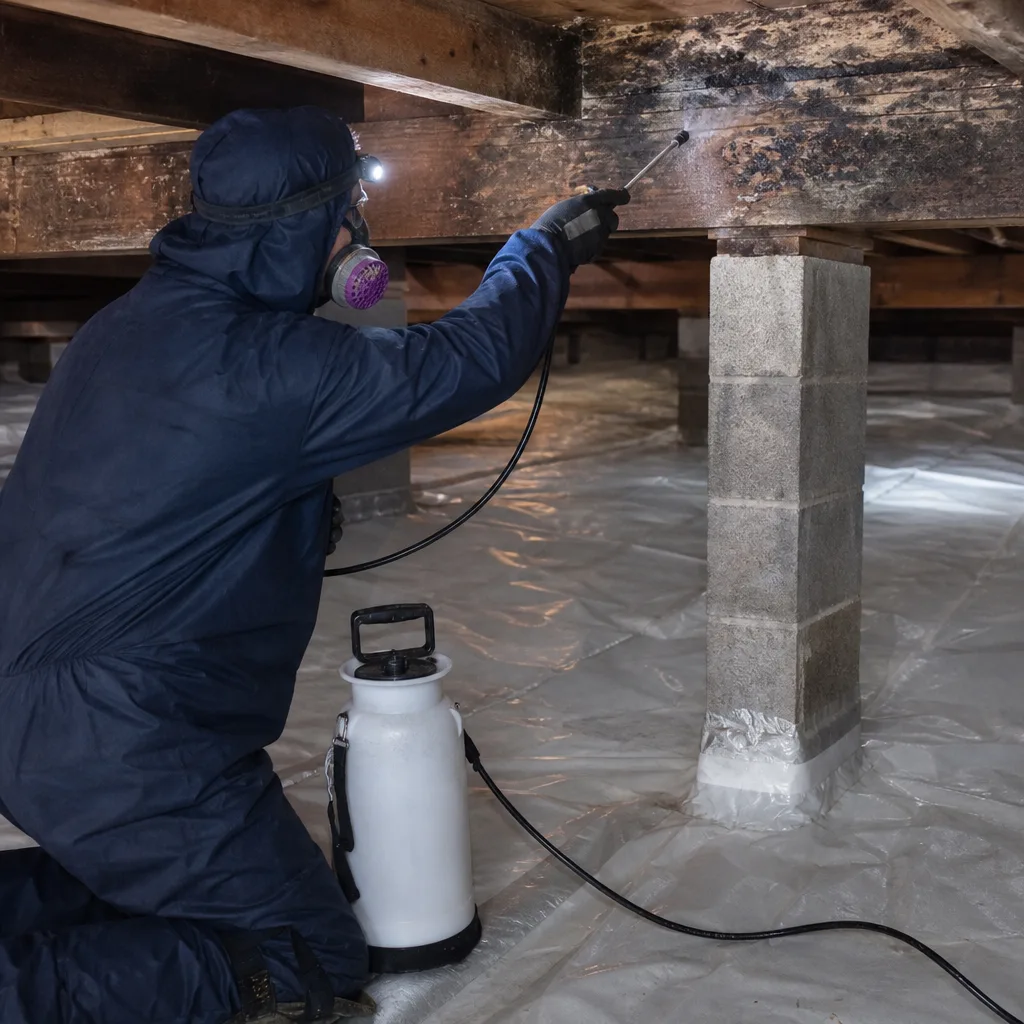
Mold Remediation. California’s Mold Disclosure Act and Los Angeles County health codes require specific containment, air filtration, and clearance testing for mold-impacted areas greater than 10 square feet. Costs are driven by:
- Containment complexity: a crawl space in a Cerritos ranch home requires different engineering than a second-story bathroom in a townhome near the Cerritos Auto Square
- Material removal vs. HEPA vacuuming and encapsulation: non-porous materials (tile, metal) can often be cleaned; porous materials (drywall, insulation, carpet) must be removed
- Post-remediation clearance: air sampling and surface sampling by an independent hygienist, required by IICRC S520 and most insurers for coverage confirmation
A typical Cerritos mold remediation for a 150-square-foot bathroom with shower pan failure runs $3,800-$7,500, with clearance testing adding $450-$850. Larger crawl space or attic jobs with HVAC contamination can exceed $15,000. At Mold Remediation in Cerritos, we scope to IICRC S520 and provide independent clearance documentation.
Fire and Smoke Damage. Structure fires in Cerritos are less common than water losses but carry higher per-square-foot costs due to:
- Soot and odor removal requiring thermal fogging, ozone treatment, or hydroxyl generation
- Contents pack-out, inventory, and off-site cleaning
- Structural assessment for heat damage to framing and sheathing
- Code-required upgrades triggered by reconstruction permits (Title 24 energy compliance, seismic bracing)
Even a “small” kitchen fire with smoke damage to 400 square feet typically runs $8,500-$16,000 for mitigation alone, with reconstruction often doubling the total. Fire & Smoke Damage Restoration in Cerritos requires documentation that separates covered smoke damage from excluded maintenance issues - a distinction that adjusters scrutinize closely.
Biohazard and Crime Scene Cleanup. These services are priced by the hour with minimums, not by square foot, due to OSHA bloodborne pathogen requirements, California Medical Waste Management Act compliance, and the unpredictable nature of each scene. Costs typically start at $1,500-$2,500 for minimum response and can exceed $10,000 for extensive trauma scenes or unattended death with advanced decomposition. Documentation for these scenes includes chain-of-custody records and waste manifest receipts that standard restoration jobs do not require.
Common Mistakes to Avoid
- Accepting a verbal estimate. Haven Standard Clause 1 exists because verbal estimates are unenforceable and un-auditable. A written Xactimate scope is the only estimate that an insurer will treat as documentation.
- Confusing mitigation with reconstruction. Many homeowners assume one contractor’s “restoration” quote covers both drying and rebuilding. These are separate trades with separate billing structures. Ask explicitly: does this scope include reconstruction, and if so, is it priced separately?
- Ignoring the drying log. A contractor who cannot produce daily moisture readings with equipment serial numbers, placement diagrams, and psychrometric data has not documented the job to IICRC standards. This gap becomes expensive when the insurer audits or mold appears later.
- Hiring based on speed alone. “We’ll be there in 30 minutes” is appropriate for water extraction to prevent further damage. It is not appropriate for mold remediation or fire restoration, where proper containment and scope development prevent larger problems. Speed and thoroughness are not opposites, but speed without documentation is just haste.
- Not reviewing the adjuster’s estimate against the contractor’s. Insurers sometimes write ACV scopes with deprecated unit costs. A contractor working from a more current Xactimate database may identify legitimate supplements that the homeowner can request.
- Neglecting Cerritos-specific code triggers. Los Angeles County unincorporated areas and Cerritos city limits have different permit requirements for reconstruction. A contractor who works across the county line but doesn’t know Cerritos’ specific requirements may trigger delays or re-inspections.
- Failing to document pre-existing conditions. Photos of the space before work begins protect both homeowner and contractor from disputes about whether damage was caused by the loss or existed previously. This is standard at DryMark Restoration Cerritos - included on every visit, never an upsell.
When to Call a Professional
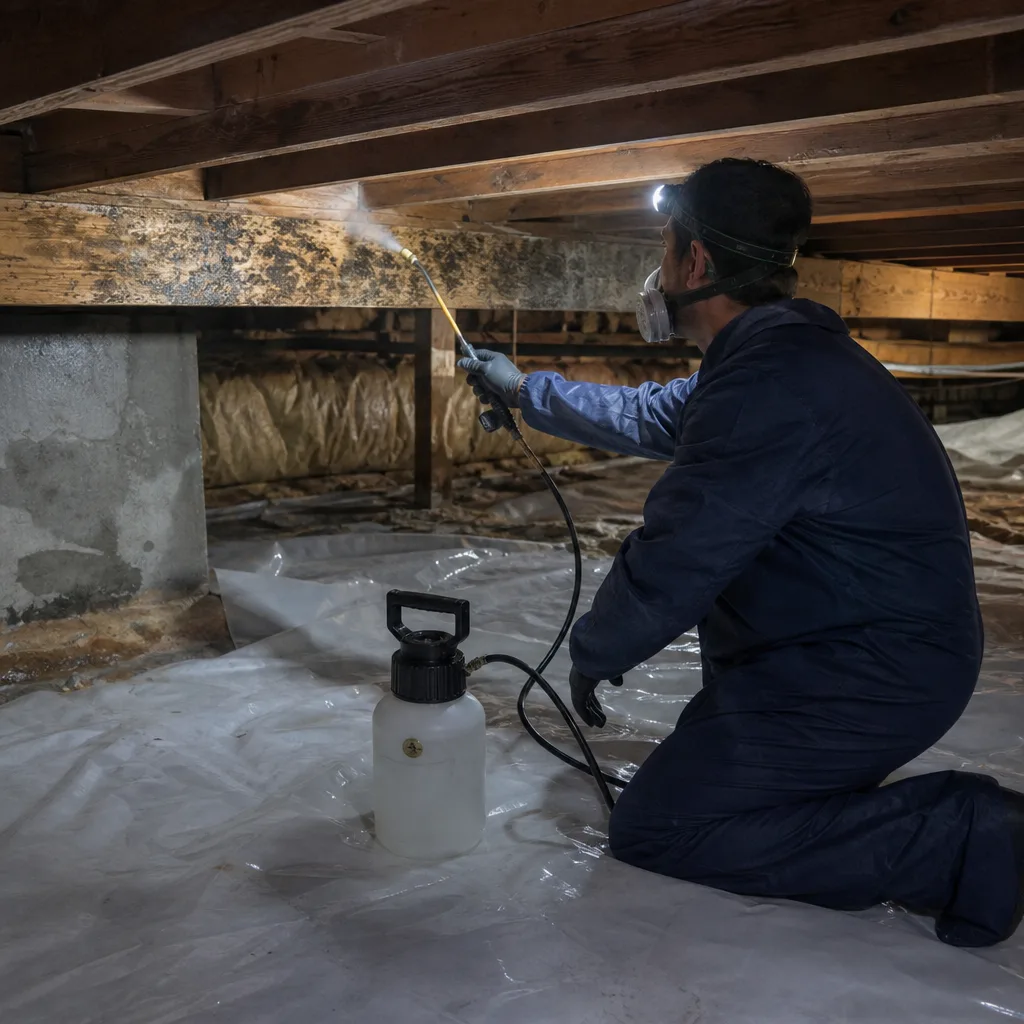
Call immediately when water is actively flowing, when sewage or Category 3 water is involved, when mold is visible or suspected, or when fire has affected more than one room. These scenarios worsen with time and carry health risks that DIY approaches cannot address safely.
For water damage, the critical window is the first 24-48 hours. After that, mold colonization becomes likely and the loss category may escalate, increasing both cost and complexity. For fire damage, do not enter the structure until it has been cleared by the fire department and a structural assessment has been performed.
DryMark Restoration Cerritos offers free estimates in Cerritos - call (562) 600-5083. Every estimate is delivered in writing before work begins, with line-item Xactimate pricing, and includes our Free Second Opinion on any competitor’s written estimate. Live phone coverage is available 24 hours a day, 7 days a week with no voicemail on emergency lines.
Frequently Asked Questions
A typical Cerritos water damage mitigation runs $3,200-$8,500 for Category 1 or 2 losses under 500 square feet, with Category 3 sewage backups or larger affected areas reaching $12,000-$18,500+. Reconstruction is additional and depends on material selections and code requirements. Call (562) 600-5083 for a written estimate with exact line-item pricing - estimates are free.
Most California HO-3 policies cover sudden and accidental water damage to the structure, with coverage for contents subject to your policy limits and deductible. The key factor is whether the scope is written to RCV or ACV standards - RCV policies pay replacement cost minus recoverable depreciation, while ACV policies apply depreciation that the homeowner cannot recover. We document every job to support RCV recovery and coordinate directly with adjusters. Call (562) 600-5083 to review your specific policy language.
For active water losses, we dispatch within our emergency response window - live phone coverage is available 24 hours a day, 7 days a week with no voicemail. However, the correct question is not speed of arrival but speed of documentation: a crew that arrives quickly but without moisture meters, extraction equipment, and scope-writing capability will delay the actual mitigation. Our background-checked, uniformed technicians arrive with Phoenix and XPOWER drying systems, pin and pinless moisture meters, and the capacity to write a Haven Standard scope on-site.
For mold areas under 10 square feet with no HVAC involvement, limited DIY cleaning may be adequate. For larger areas, hidden mold (behind walls, in crawl spaces), or any mold resulting from Category 2 or 3 water, professional remediation is required by IICRC S520 and California health guidelines. Improper DIY removal disperses spores and often makes contamination worse. We provide independent post-remediation clearance testing to document that the space is safe. Call (562) 600-5083 for assessment.
Mitigation is emergency stabilization: water extraction, drying, demolition of unsalvageable materials, and antimicrobial application. It is priced by the day and by unit, with an endpoint defined by moisture readings. Reconstruction is rebuilding: new drywall, paint, flooring, fixtures. It is priced as a construction project with defined materials and labor, with an endpoint defined by completion of the scope. Separating them allows accurate insurance billing and protects the homeowner from paying for reconstruction on a space that hasn’t been properly dried. At DryMark Restoration Cerritos, we handle both phases with separate, written scopes for each.
Request an Xactimate-formatted scope with line items, then compare unit costs to regional averages. Ask whether the estimate includes all reimbursable items: contents manipulation, fuel surcharges, daily monitoring, antimicrobial application, and waste disposal. Ask for proof of documentation: will you receive a photo record, a drying log, and a written warranty? Finally, bring any competitor’s written estimate to us for a Free Second Opinion - we’ll review it at no charge and identify omissions or inflated line items.
The Bottom Line
Restoration pricing in Cerritos is not mysterious - it is specific, documentable, and built from the same unit-cost database that insurers use to audit claims. The homeowner who understands Xactimate line items, ACV vs. RCV valuation, and the difference between mitigation and reconstruction will make better decisions, recover more from their insurer, and avoid the costly re-remediation that follows incomplete drying. The cheapest bid is rarely the correct bid. The correct bid is the one that includes a written price before work begins, daily documentation, and a warranty that the contractor will stand behind. Those are Haven Standard clauses, not marketing promises, and they are available on every job we perform.
Written by Alicia Brennan, Owner at DryMark Restoration Cerritos, serving Cerritos since 2011.