
Last updated September 23, 2026
Free visual inspection and a written scope of work before any mitigation begins - photos, moisture readings, and drying logs go in your claim file
The scope we write is the scope we bill. Anything new gets shown to you, in writing, before we touch it.
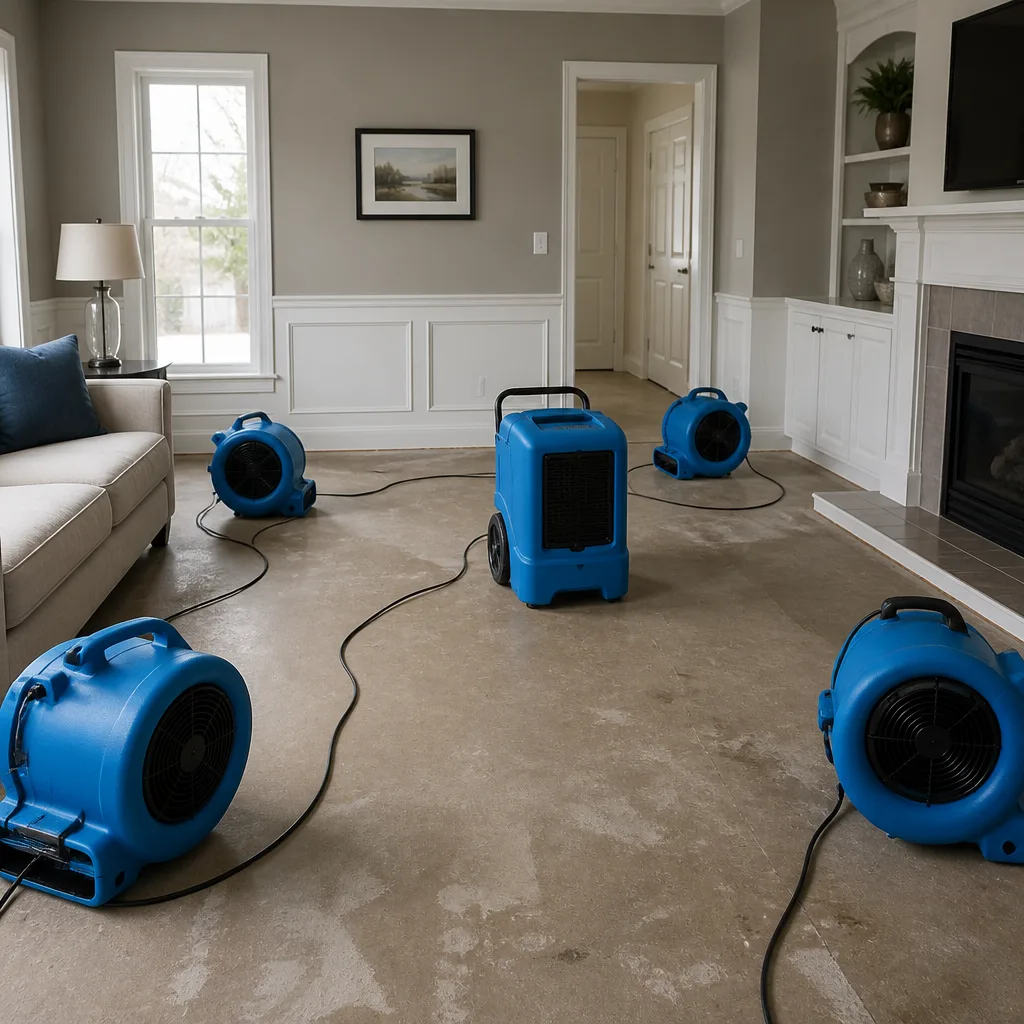

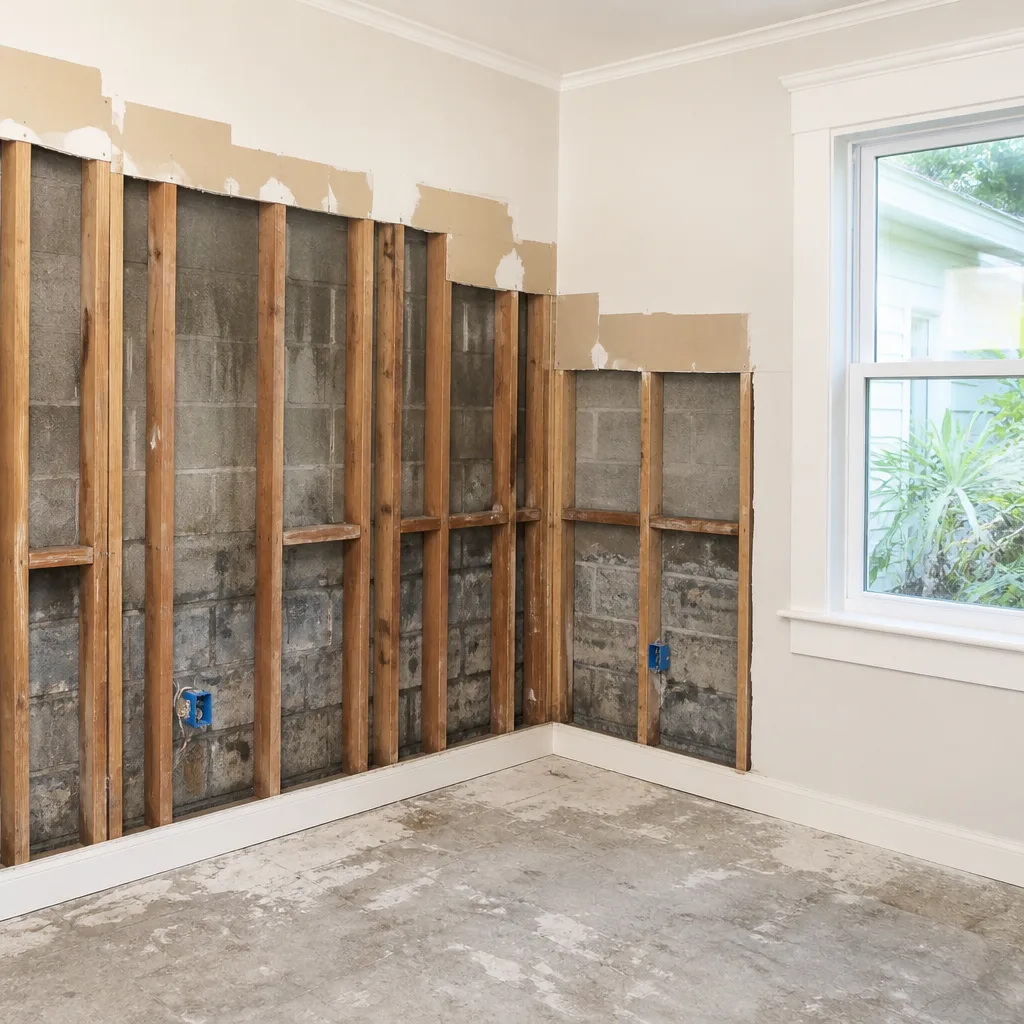

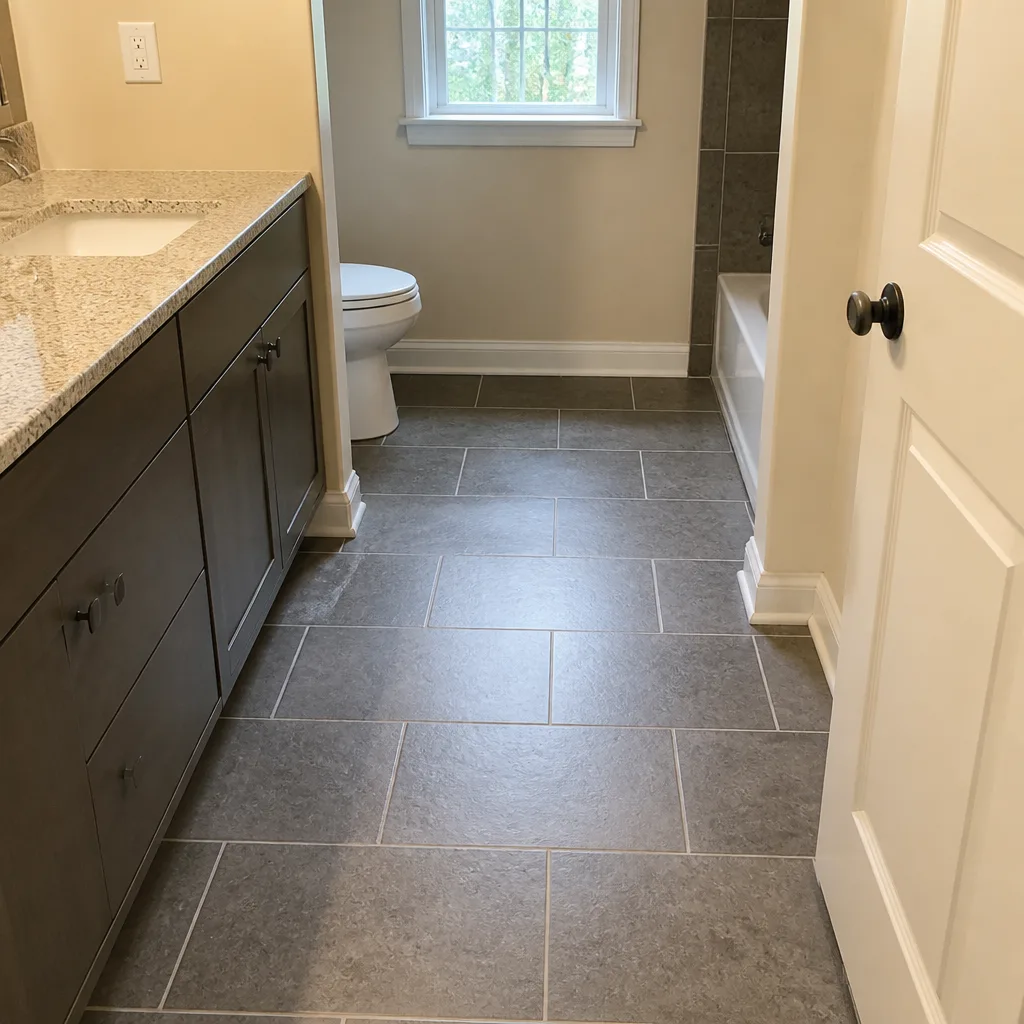

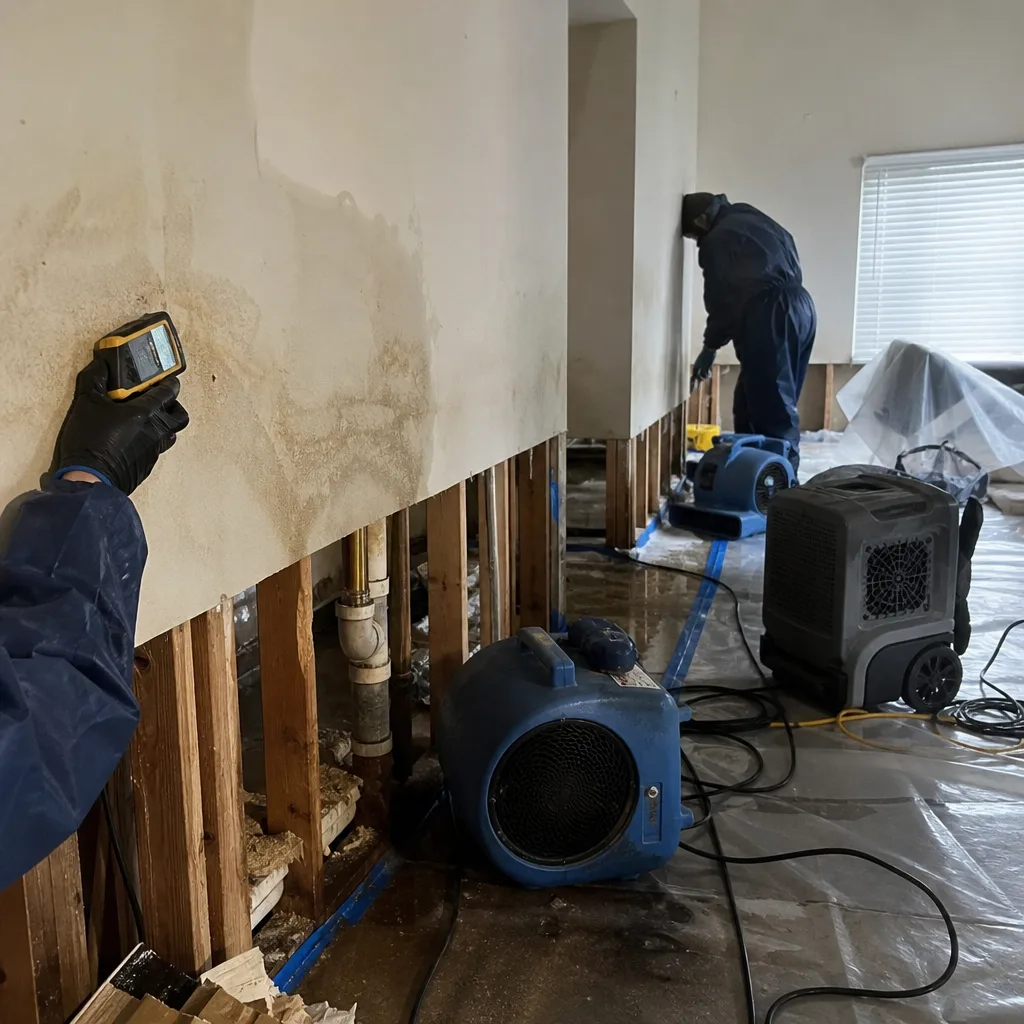 Before
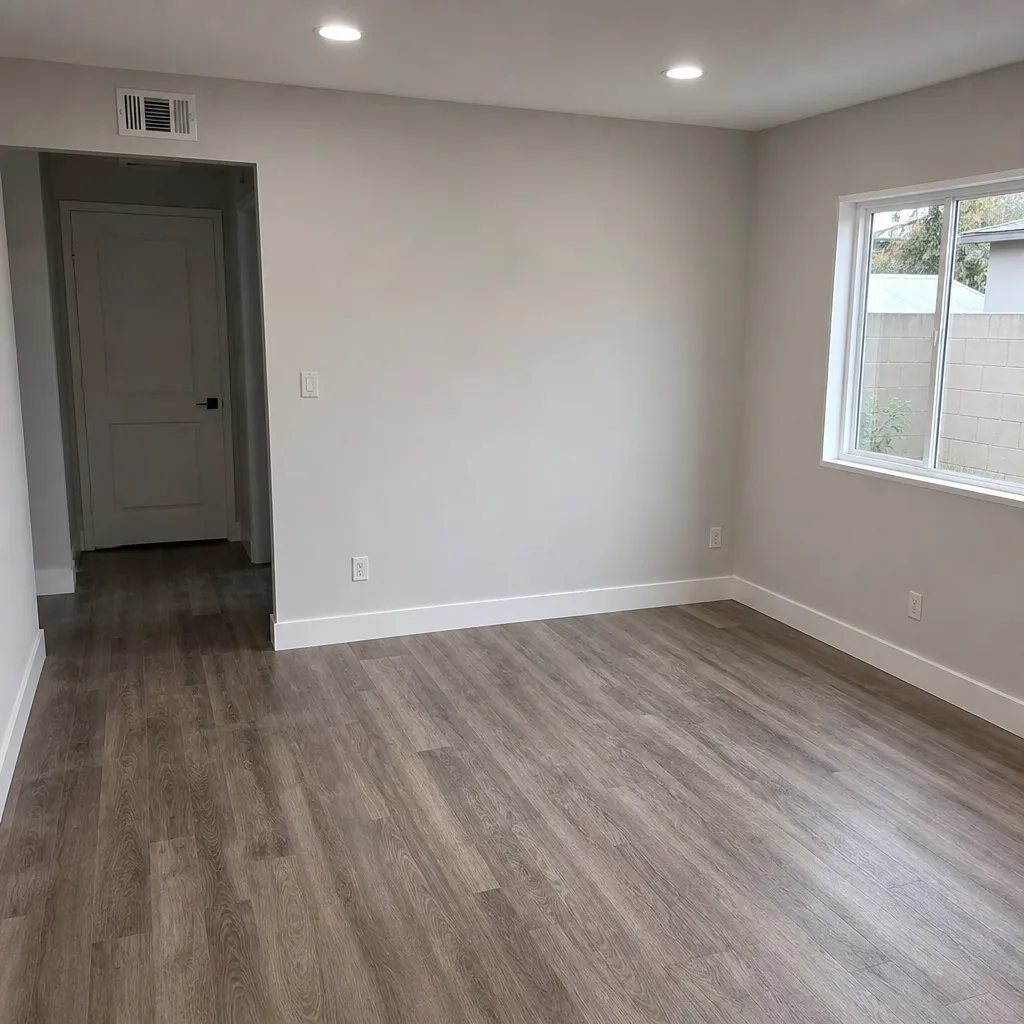 After
After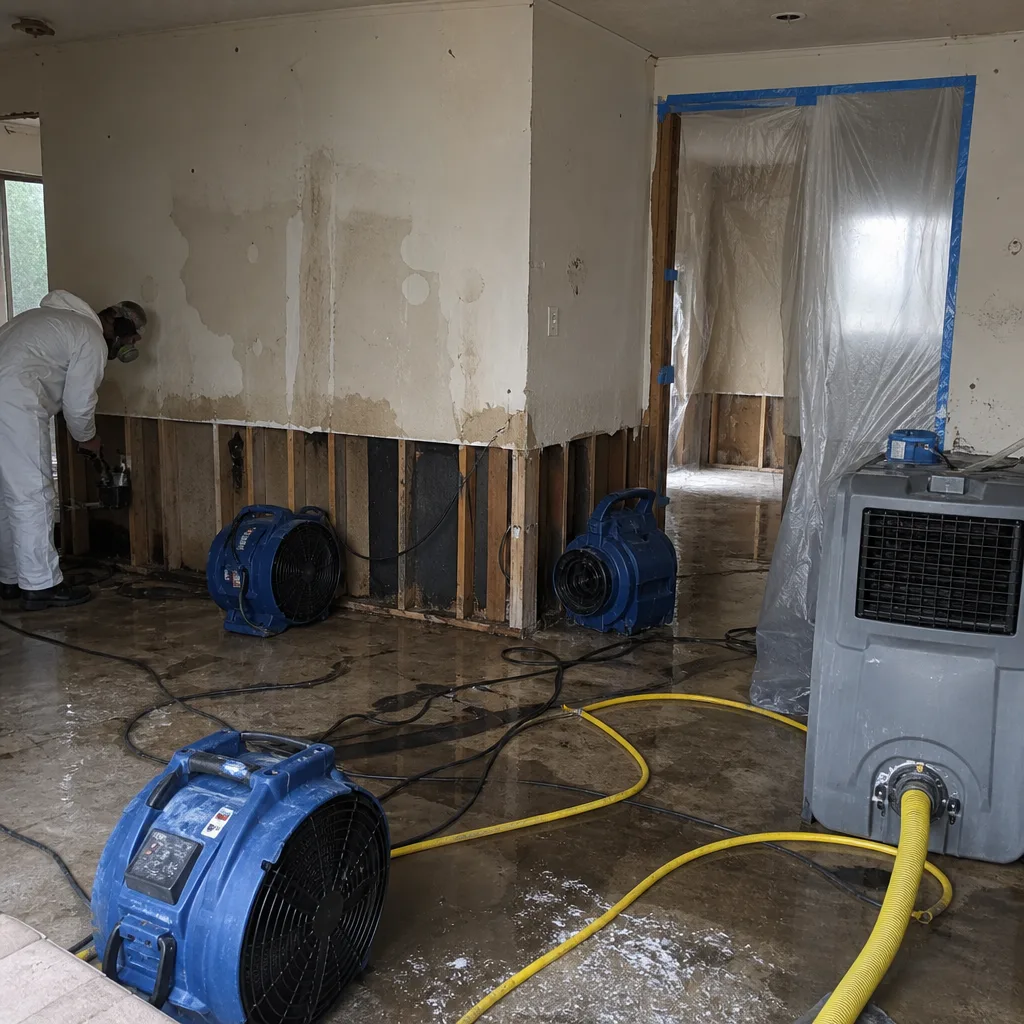 Before
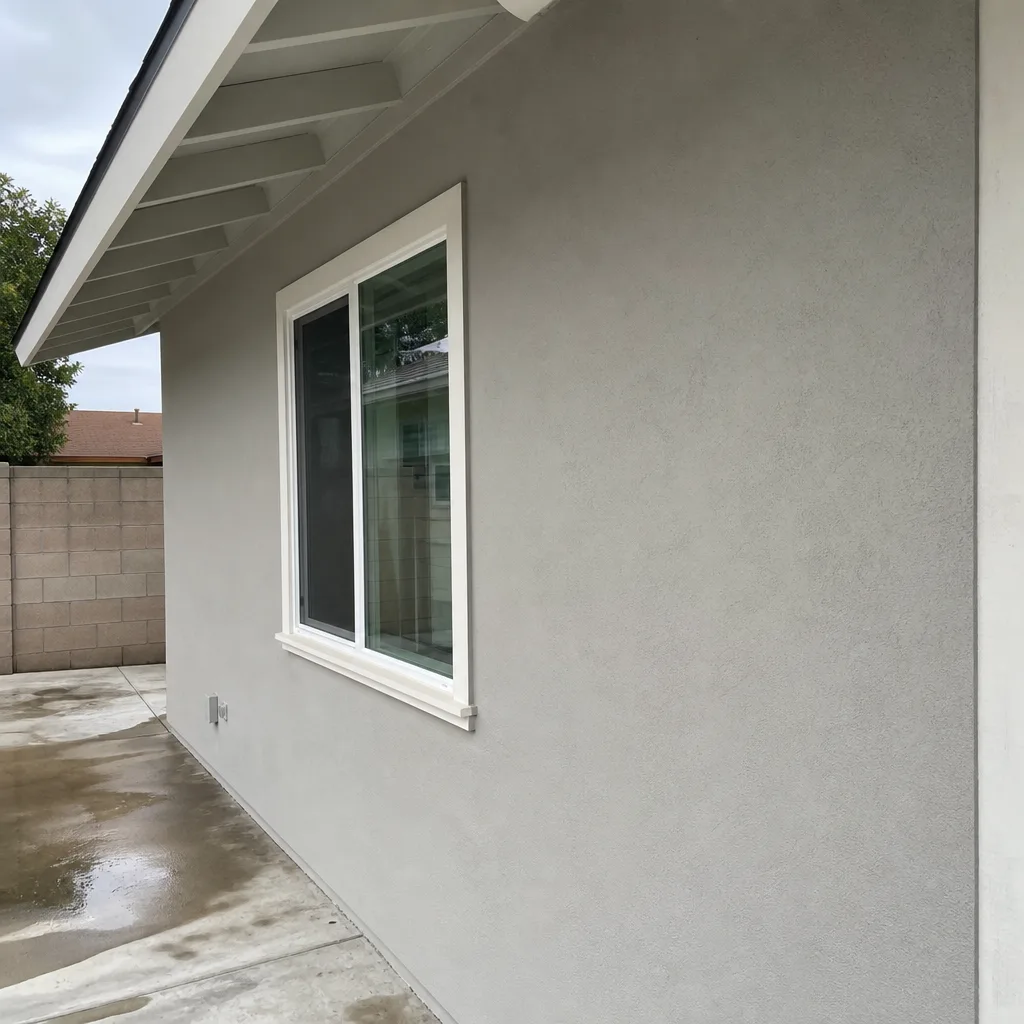 After
After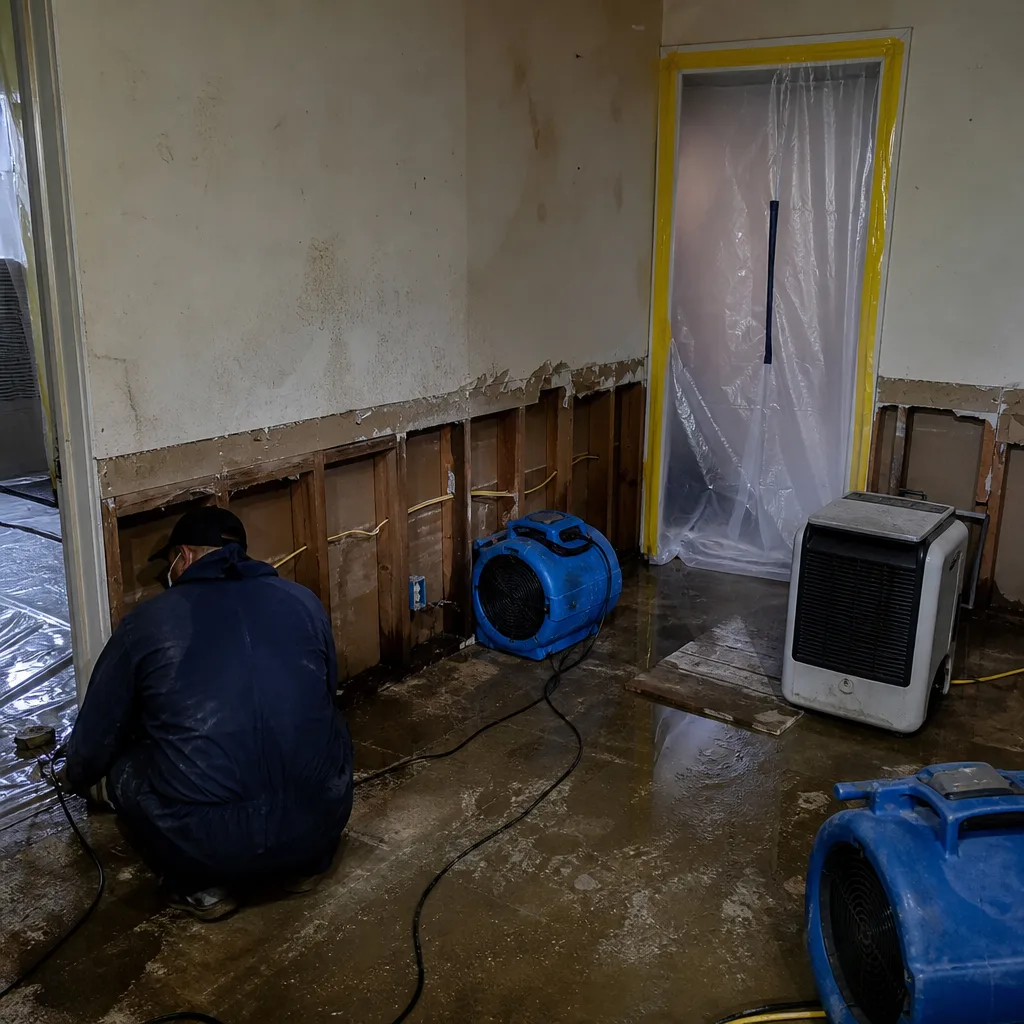 Before
 After
AfterWater Damage Restoration Maintenance Checklist for Cerritos Homeowners
Insurers denied or reduced 1 in 5 California water damage claims in 2023 by citing “long-term neglect” - a label that a $40 moisture meter and a dated photo could have prevented. In Cerritos, where slab-on-grade construction and hard water accelerate supply line deterioration, that denial rate climbs even higher for homes built during the 1960s and 1970s building boom. This guide gives you a maintenance checklist built around what adjusters actually request: baseline moisture readings, dated photographs, and seasonal documentation that proves you maintained the property. Follow it, and you’ll have a property record you can hand an adjuster with confidence.
Quick Answer
A Water Damage Restoration services maintenance checklist for Cerritos homeowners should include quarterly moisture readings of wall cavities, subfloors, and exterior sheathing; biannual photography of plumbing access points and appliance connections; seasonal inspection of six leak-prone locations specific to Southern California tract construction; and a 60-minute response protocol for active water intrusion that preserves claim eligibility under standard HO-3 policies.
Table of Contents
- Why Baseline Moisture Readings Matter in Cerritos
- The Six Hidden Leak Locations in Cerritos Tract Homes
- How to Take and Record Moisture Readings
- Building a Photo Log That Satisfies Insurers
- Seasonal Checklist: Wet Season vs. Dry-Heat Months
- The First 60 Minutes: Preserving Claim Eligibility
- Documentation Standards That Mirror Professional Restoration
- Common Mistakes to Avoid
- When to Call a Professional
- Frequently Asked Questions
BeforeAfterWhy Baseline Moisture Readings Matter in Cerritos
Cerritos sits in Los Angeles County’s coastal climate zone, where marine layer moisture keeps relative humidity between 60 and 75 percent for much of the year. That baseline humidity means materials read “damp” to the untrained hand even when they’re structurally sound. Without numerical records, you can’t prove a wall was dry before the dishwasher supply line failed.
We document every water damage restoration in Cerritos to IICRC S500 standards, which define “dry” as a moisture content within 4 percentage points of a documented dry standard for that material. For the homeowner, that means your baseline readings are your legal defense against the “long-term neglect” denial.
Three locations need quarterly readings in a typical Cerritos home:
- Wall cavities behind plumbing fixtures: Use a pinless meter on drywall at 16 inches and 48 inches above floor level. Baseline for Cerritos: 8-12% moisture content on gypsum drywall.
- Subfloor at slab penetrations: Drill a 3/16-inch access hole through baseboard area and use a pin-type meter with 2-inch probes. Baseline for concrete-adjacent plywood: 10-14%.
- Exterior sheathing at window and door headers: Access through interior drywall or use thermal imaging to identify anomalies. Baseline for OSB sheathing in this climate: 12-16%.
Record each reading with the date, meter model, and exact location. A $40 moisture meter from a hardware store is sufficient for homeowner documentation; professional restoration crews use calibrated equipment traceable to NIST standards, but your goal is trend data, not litigation-grade precision.
The threshold that should trigger immediate professional assessment: any reading 5 percentage points above your established baseline, or any reading above 20% on wood-based materials. At 20% moisture content, wood-decay fungi activate within 72 hours under typical Cerritos temperatures.
The Six Hidden Leak Locations in Cerritos Tract Homes
Homes in Cerritos neighborhoods like Park Estates, Los Cerritos, and the original ABC tract were built with copper supply lines, galvanized steel, or early PEX depending on the decade. Each material fails differently, and each creates predictable leak locations that remain hidden for 12-18 months before visible damage appears.
We’ve restored over 12,000 homes since 2011, and the pattern in Cerritos is consistent. These are the six locations to inspect quarterly with both visual examination and moisture readings:
- Supply line stops under sinks and behind toilets: The angle stop valve, where flexible supply lines connect to rigid copper, is the single most common failure point in Cerritos homes built 1965-1985. Hard water mineral buildup corrodes the ferrule compression fitting. Check for green or white deposits; photograph the connection from two angles; take a moisture reading of the cabinet base.
- Slab penetrations for kitchen and bath drains: In slab-on-grade construction, the drain pipe passes through the concrete slab with a flexible boot seal that hardens and cracks after 15-20 years. Water tracks along the pipe exterior and wicks into surrounding soil, creating a moisture plume visible only from below or through elevated subfloor readings. Access the crawl space or take readings at the nearest perimeter wall.
- HVAC condensate pans and drain lines: Cerritos homes with attic-mounted air handlers collect condensation in a galvanized pan that rusts through predictably after 12-15 years. The leak drips onto ceiling drywall below, but the damage spreads laterally in the attic insulation before staining appears. Inspect the pan with a flashlight during cooling season operation; look for rust particles in the drain line cleanout.
- Washing machine supply box and drain standpipe: The recessed wall box containing hot and cold shutoffs vibrates during spin cycles, loosening compression fittings over time. The drain standpipe, typically 2-inch ABS, can crack where it passes through the wall plate. Both leaks soak the wall cavity before appearing as baseboard staining.
- Water heater T&P relief valve discharge: Temperature and pressure relief valves open intermittently, discharging into a floor pan or indirect drain. In Cerritos, hard water scale causes valves to weep continuously rather than seal fully after testing. The small volume - often less than a gallon daily - evaporates from the pan but maintains elevated moisture in the surrounding platform or closet floor.
- Exterior hose bib and irrigation backflow preventer: Cerritos’s freeze-risk nights, though rare, split hose bibs that were not winterized. More commonly, the pressure vacuum breaker (PVB) on irrigation systems weeps at the test cocks, saturating the adjacent foundation planting bed and creating hydrostatic pressure against the stem wall. Check for mud or algae at the foundation interface.
For each location, your checklist should include: visual inspection criteria, specific moisture meter placement, and a photograph with the date visible in the frame. This documentation transforms your maintenance from a vague memory into evidence an adjuster can verify.
How to Take and Record Moisture Readings
Moisture meters fall into two categories: pin-type, which penetrate the material and measure electrical resistance between the probes; and pinless, which use electromagnetic sensors to detect moisture to a depth of approximately 3/4 inch. For homeowner documentation in Cerritos, we recommend both.
Pinless meters are your first-line screening tool. Place the sensor plate flat against drywall, tile, or wood trim. Take readings at 12-inch intervals in a grid pattern behind fixtures and along exterior walls. Record the highest reading in each zone, not an average. The highest reading reveals the anomaly; averaging hides it.
Pin-type meters with insulated probes are necessary for subfloor and sheathing verification. The insulation ensures you’re measuring only at the probe tips, not surface moisture. For slab-adjacent subfloor, use 2-inch probes inserted at a 45-degree angle through baseboard gaps or existing penetrations. For wall cavity investigation, extendable probes reach 4-6 inches through a single drywall hole.
Your recording format should include these fields every quarter:
- Date and time of reading
- Meter manufacturer and model (for consistency verification)
- Material being tested (gypsum drywall, plywood subfloor, OSB sheathing, etc.)
- Exact location (room, wall orientation, height above floor, distance from known feature)
- Numerical reading with units (% moisture content or relative scale)
- Previous reading from same location for comparison
- Photograph of meter in position with location visible
Store records in cloud storage with automatic date stamping. A Google Sheet with photo links, or a dedicated home maintenance app, satisfies insurer documentation requirements if the date metadata is preserved. We’ve seen Cerritos homeowners successfully contest “long-term neglect” denials with six quarters of consistent baseline data showing a sudden spike that correlated with a documented supply line failure date.
Psychrometric data - temperature, relative humidity, and dew point - adds credibility to your records. A $15 digital hygrometer placed in the home’s central hallway gives context: a drywall reading of 14% is concerning at 45% relative humidity but normal at 75%. Cerritos’s marine layer months routinely push interior humidity to 70% without any water intrusion.
Building a Photo Log That Satisfies Insurers
Insurance adjusters are trained to look for pre-existing damage. Their standard request: “Provide maintenance records demonstrating regular inspection of the affected area.” Most homeowners have none. This section gives you a system that produces those records without professional help, and you can find more guides & resources in our blog.
The key principle: photographs must be comparable over time. Not artistic. Not comprehensive. Comparable. Same angle, same lighting, same scale reference, different date.
Equipment: Smartphone camera with date stamp enabled, or a free app that burns date and GPS into the image metadata. A small carpenter’s square or tape measure placed in each frame provides scale.
Six shots per location, twice yearly:
- Wide context: Entire fixture or appliance with surrounding cabinetry/wall visible. Shows no staining, no warping, no mold.
- Connection detail: Supply line, valve, or fitting at close range. Shows no corrosion, no mineral deposits, no weeping.
- Floor/cabinet base beneath: Shows dry, unstained surface.
- Adjacent wall at 90 degrees: Catches lateral moisture migration not visible from front.
- Ceiling below (for second-story fixtures): Shows no staining, no texture change.
- Moisture meter in position: Reading visible, location identifiable from surrounding features.
File naming convention: YYYY-MM-DD_Location_Description.jpg. Example: 2024-03-15_KitchenSink_AngleStop.jpg. This format sorts chronologically and is searchable by adjuster request.
Twice-yearly timing: March, after the Southern California wet season ends, and October, before it begins. These dates capture the seasonal moisture extremes that Cerritos experiences. March photos show the home at maximum seasonal loading; October photos establish the dry baseline before winter rains.
We’ve reviewed thousands of homeowner photo records at DryMark Restoration Cerritos home. The ones that prevail in disputes share one trait: they show the same specific detail - a particular fitting, a particular corner - repeatedly over time. Vague “kitchen” photos from 2019 don’t help. A series showing the dishwasher supply nut from March 2022, September 2022, March 2023, and September 2023, all dry and corrosion-free, is powerful evidence that the February 2024 failure was sudden and accidental.
Seasonal Checklist: Wet Season vs. Dry-Heat Months
Cerritos’s climate creates two distinct maintenance regimes. The wet season, December through March, brings Pacific storm systems and the highest ambient moisture loads. The dry-heat months, June through October, bake caulk, crack grout, and create thermal expansion stress on plumbing. Your checklist should shift with the season.
Wet Season (December-March)
- Roof and gutter inspection after each storm: Cerritos receives 12-14 inches of annual rainfall, concentrated in 10-15 storm events. Check gutters for overflow indicators - soil splatter on walls, eroded planting beds - that suggest blockage. Inspect attic sheathing at penetrations for new moisture spots.
- Exterior grade and drainage verification: Walk the perimeter during active rain. Water should sheet away from the foundation; any ponding at the stem wall indicates grading failure that will drive slab moisture. Document with video if possible.
- HVAC condensate management: Heating operation in cool, humid conditions produces less condensate but more opportunity for pan stagnation. Check for standing water or biofilm in the pan; verify the drain line flows freely to the exterior or indirect waste.
- Window and door seal inspection: Wind-driven rain exploits failed caulk at head flashing. Look for water tracks on interior trim; take moisture readings of window stools and adjacent drywall.
- Garage and exterior storage: Items stored against exterior walls create cold surfaces where condensation accumulates. Maintain 4-inch clearance for air circulation; check wall surfaces seasonally.
Dry-Heat Months (June-October)
- Caulk and grout condition assessment: Thermal cycling and UV exposure degrade kitchen, bath, and exterior caulk. Failed caulk at tub surrounds and shower valves allows direct water intrusion into wall cavities. Remove and replace any caulk that separates from either substrate.
- Irrigation system pressure test: Run each zone individually and inspect valve boxes, head risers, and backflow preventer for weeping. Cerritos’s water pressure, typically 60-80 PSI, will reveal small leaks as visible wetting or audible hiss.
- Slab expansion joint inspection: The clay soils common in Cerritos expand and contract seasonally. Check for new cracks in slab, tile, or foundation that may indicate plumbing stress or soil moisture imbalance.
- Water heater T&P valve exercise: Lift the test lever briefly to verify free operation. Hard water deposits cause seizing; a stuck valve is a pressure vessel hazard and a leak source.
- Attic ventilation verification: Summer heat buildup accelerates material degradation. Verify soffit vents are unblocked by insulation; check for any new roof leaks visible as sheathing discoloration.
Record completion of each seasonal checklist with dated photographs. The combination of wet-season moisture data and dry-season maintenance verification creates a complete annual cycle that demonstrates proactive property care.
The First 60 Minutes: Preserving Claim Eligibility
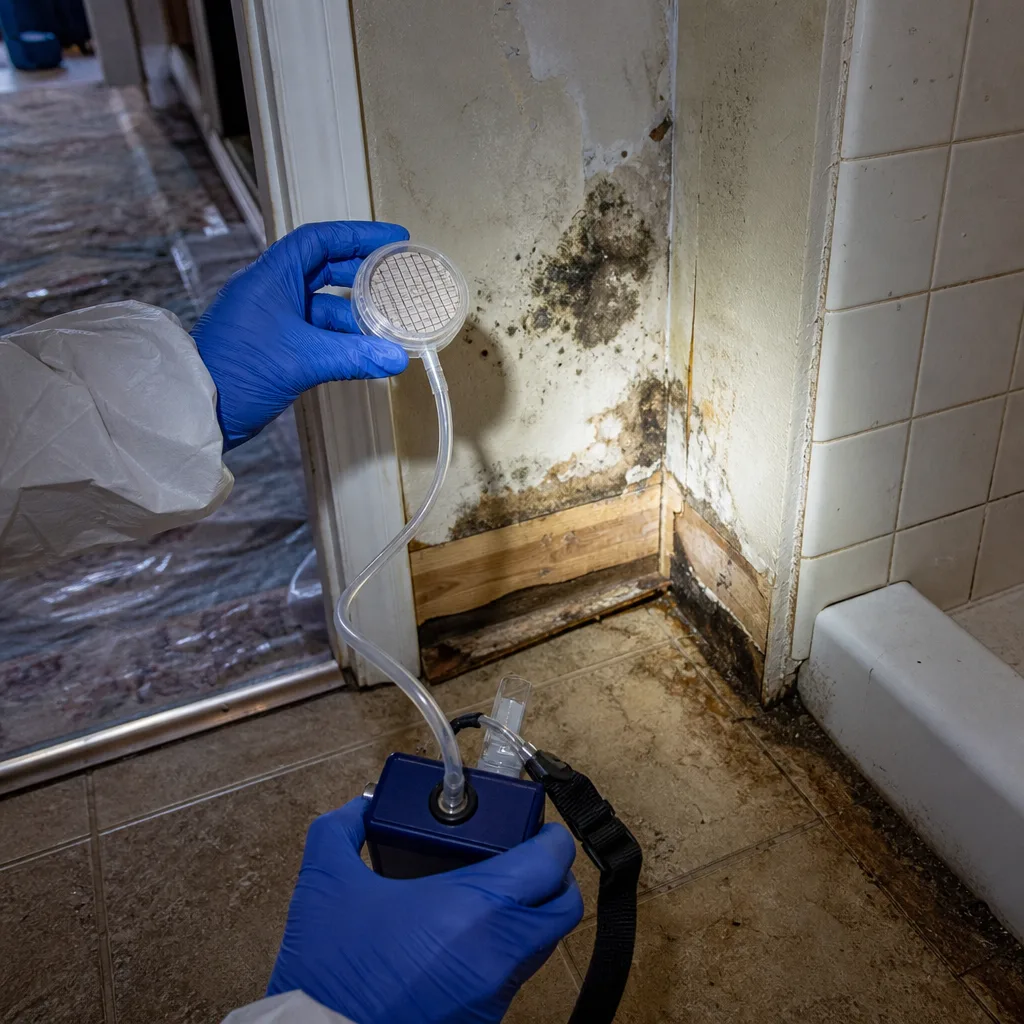
When you discover active water intrusion - a burst supply line, overflowing appliance, or roof leak - your actions in the first hour determine whether your claim is paid, reduced, or denied. Most California HO-3 policies contain a “reasonable care” clause requiring the homeowner to mitigate further damage. Failure to act is grounds for partial denial.
Here’s the protocol that satisfies insurer expectations and protects your property:
- Stop the source: Locate the main shutoff valve or fixture-specific shutoff. Cerritos homes typically have a main valve near the front hose bib or in the garage. If you don’t know its location, find it now - not during an emergency. Photograph the valve position (open/closed) for your records.
- Document before touching: Photograph the water extent, the source, and any damaged materials before moving anything. This is your “before” record. Include a timestamp.
- Remove standing water: Use towels, wet-dry vacuum, or mop. The goal is not dryness - that’s professional work - but elimination of standing water that continues to wick into materials. Document your efforts with photos or video.
- Move or elevate contents: Furniture, rugs, and valuables should be moved from wet areas or elevated on blocks. Photograph the repositioned items to show you prevented secondary damage.
- Begin airflow: Open windows if outdoor humidity is lower than indoor; run fans to circulate air. Do not direct fans directly at visible mold growth, which can aerosolize spores. If mold is present, stop and call a professional.
- Contact your insurer and a restoration professional: Notify your insurer within 24 hours per policy requirements. For professional documentation that supports your claim, contact a restoration company that provides written scopes and photo records as standard deliverables.
The critical documentation: a log of each action with timestamp. “9:47 AM - discovered leak under kitchen sink. 9:52 AM - shut off angle stop. 10:03 AM - photographed water extent. 10:15 AM - removed standing water with wet-dry vac. 10:38 AM - moved dishwasher and range to dry area.” This contemporaneous record defeats “neglect” allegations.
We provide water damage restoration in Cerritos with same-day response for active intrusions. Every job begins with a written scope and price before work starts, documented to the moisture readings and photographs that insurers require. Haven Standard, Clause 1: written price before work begins. No exceptions.
Documentation Standards That Mirror Professional Restoration
Professional restoration crews document to IICRC, RIA, and IFA standards using equipment from manufacturers like Dri-Eaz, Phoenix, and Injectidry. Your homeowner maintenance records won’t match that technical depth, but they should mirror the same principles: traceability, comparability, and completeness.
Traceability: Every record points to a specific location, time, and person. “Master bath, north wall, 36 inches above floor, March 15, 2024, 10:15 AM, taken by [homeowner name].”
Comparability: Records from different dates show the same location under the same conditions. Same meter, same placement, same angle in photographs.
Completeness: The record includes not just data but context - weather conditions, recent plumbing usage, any maintenance performed. “March 15 reading elevated to 16% following three days of rain; previous reading October 12 was 11%. No plumbing leaks observed; suspect exterior infiltration at window flashing.”
Your annual maintenance file should contain:
- Quarterly moisture reading spreadsheets with photo links
- Biannual photo log with comparable angles
- Seasonal checklist completion records
- Any professional inspection or repair invoices with scope descriptions
- Insurance policy declarations page and contact information
- Restoration company contact with documented response protocol
Store physical copies in a fireproof container; maintain digital copies in cloud storage with automatic backup. The homeowner who can produce five years of organized maintenance documentation within 24 hours of a claim has already won most disputes before they begin.
Our 365-Day Done Right Promise, backed by The Haven Standard, applies to every restoration we perform in Cerritos. If documentation is incomplete or disputed, we make it right. That’s a written warranty, not a verbal assurance, and it’s been our practice since 2011.
Common Mistakes to Avoid
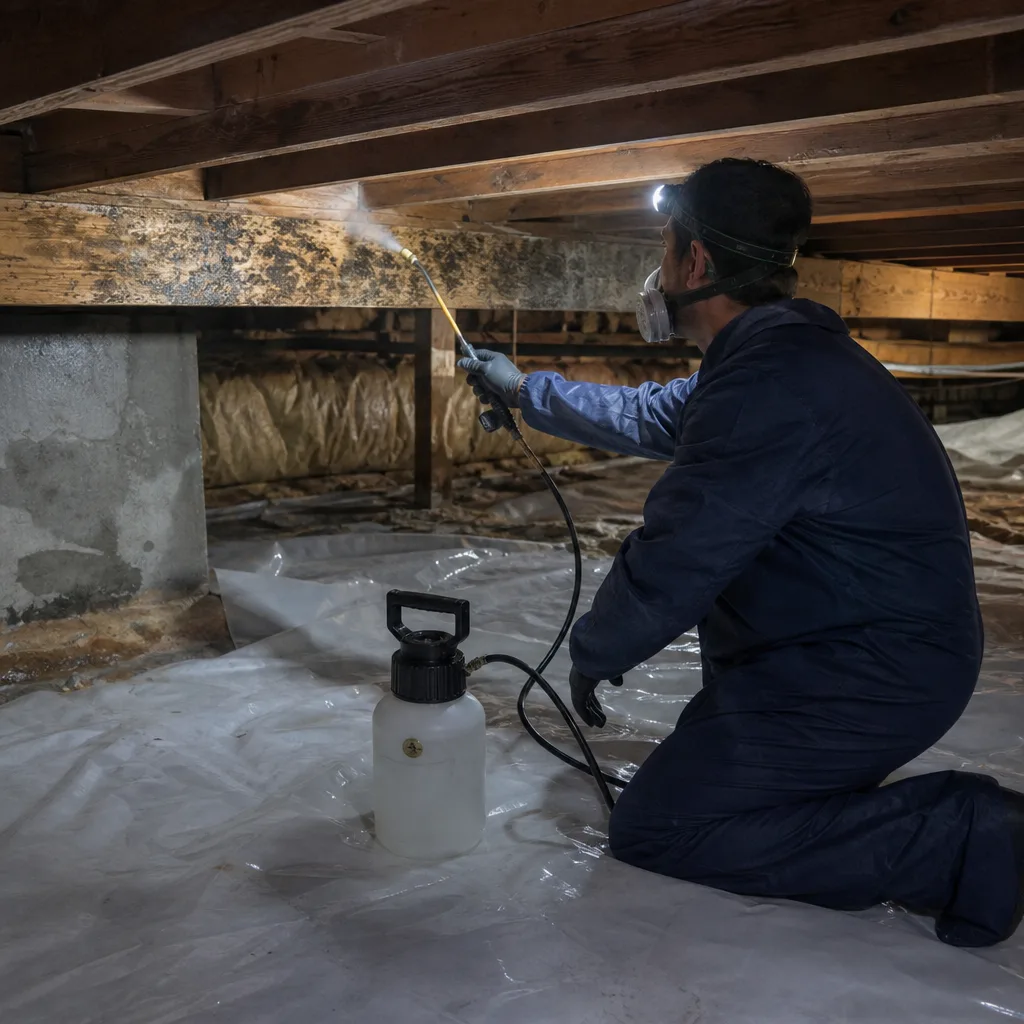
- Relying on touch instead of measurement: Drywall at 18% moisture content feels dry to the hand but is actively supporting mold growth. Always use a meter.
- Photographing without scale or date: A close-up of a pipe fitting proves nothing without context showing location and time. Include a tape measure and ensure date stamps are visible.
- Inspecting only visible areas: In Cerritos slab construction, the worst damage is often at the perimeter walls and slab penetrations you can’t see without intentional access. Use pin probes at baseboards.
- Ignoring the HVAC system: Condensate pan failures are the most commonly overlooked leak source in Cerritos homes. The damage is concealed in attic insulation until ceiling collapse is imminent.
- Failing to record “negative” findings: A photo showing dry, sound conditions is as valuable as one showing damage. It establishes the pre-loss condition that adjusters challenge.
- Using different meters without cross-calibration: A reading of 12% on one meter may equal 16% on another. Pick one meter and use it consistently, or record the meter model with every reading.
- Delaying professional assessment of elevated readings: A moisture reading 5 points above baseline requires investigation within 48 hours, not at next quarter’s inspection. Delay converts a minor repair into a major restoration.
When to Call a Professional
Call a restoration professional when moisture readings exceed 20% on any wood-based material, when you discover visible mold growth of any size, when water has affected multiple rooms or levels, or when the source is a sewage backup or category 3 water source. These conditions exceed homeowner mitigation capability and carry health or structural risks that require containment, professional drying systems, and documented remediation.
Also call when your insurer requests “professional assessment” to advance a claim, or when you’re uncertain whether a leak is active or historical. The cost of professional moisture mapping - typically $150-$400 in the Cerritos market - is recoverable as a mitigation expense under most policies, and it provides the documentation that protects your full claim value. See our Damage Restoration Cost Breakdown: The Cerritos Homeowner’s Reference for 2026 for detailed pricing guidance.
DryMark Restoration Cerritos offers free estimates in Cerritos - call (562) 600-5083. Every estimate includes a written scope and price before any work begins, with photo documentation as a standard deliverable. We also provide free second opinions on any competitor’s written estimate.
Frequently Asked Questions
A reliable pinless moisture meter costs $35-$60; a pin-type with insulated probes runs $50-$90. For Cerritos homeowners, we recommend starting with a pinless meter for quarterly screening, adding a pin-type if you discover elevated readings that need subfloor or sheathing verification. Brands like General Tools, Protimeter, and Wagner offer homeowner-grade units with sufficient accuracy for documentation purposes.
Most California HO-3 policies accept homeowner documentation as evidence of maintenance, though they may request professional verification if a claim is disputed. The key is consistency and contemporaneity - records created at the time of maintenance carry more weight than records created after a loss. Organized, dated records with comparable photographs have successfully supported Cerritos homeowners in claim disputes we’ve reviewed.
Quarterly for moisture readings; twice yearly for comprehensive photographic documentation. The March and October timing captures seasonal extremes specific to Cerritos’s climate. Increase frequency to monthly for locations with known prior issues or aging components approaching typical failure intervals.
Any reading 5 percentage points above your established baseline, or any reading exceeding 20% on wood-based materials, warrants professional assessment within 48 hours. At 20% moisture content, wood-decay fungi activate; at 28%, structural wood reaches the fiber saturation point where dimensional instability and rapid decay occur. Professional restoration uses psychrometric calculations and vapor pressure differential to establish drying goals that homeowner equipment cannot achieve.
Yes, with modifications. For multi-family construction, add inspection of common wall plumbing chases, balcony or patio drainage, and the association-maintained roof or exterior envelope. Your maintenance responsibility typically ends at the interior finish, but documentation of conditions affecting your unit supports claims against association or neighbor policies. Coordinate with your HOA for access to common elements.
Cerritos receives blended groundwater and imported surface water with moderate to high hardness, typically 250-400 ppm calcium carbonate. Hard water accelerates corrosion at brass and copper fittings, increases scale buildup in valves and appliances, and reduces seal flexibility in supply line connectors. These factors make the six hidden leak locations in Cerritos homes fail earlier than identical construction in softer-water areas. Annual water heater flushing and periodic descaling of appliances are warranted maintenance that also supports claim documentation.
Begin documentation immediately with the “first 60 minutes” protocol above. For historical maintenance, gather any repair invoices, home inspection reports from purchase, and photographs from your phone with date metadata. Even incomplete records help establish that damage was not long-term neglect. Then establish the quarterly system going forward - a claim dispute resolved in your favor is strong motivation for ongoing documentation.
The Bottom Line
A water damage maintenance checklist is only as valuable as the documentation it produces. For Cerritos homeowners, that means quarterly moisture readings at three locations, biannual comparable photographs of six leak-prone areas, seasonal tasks matched to Southern California’s wet and dry cycles, and a 60-minute response protocol that preserves claim eligibility. Organized records transform your maintenance from forgotten routine into evidence that defeats “long-term neglect” denials. The $40 meter and two hours per quarter are trivial investments against the average $12,000-$25,000 water damage claim that insurers increasingly scrutinize.
Call (562) 600-5083 for a free estimate on water damage restoration, moisture mapping, or professional documentation of your property’s condition. Written price before work begins, every time. Haven Standard, Clause 1.
Written by Alicia Brennan, Owner at DryMark Restoration Cerritos, serving Cerritos since 2011.