
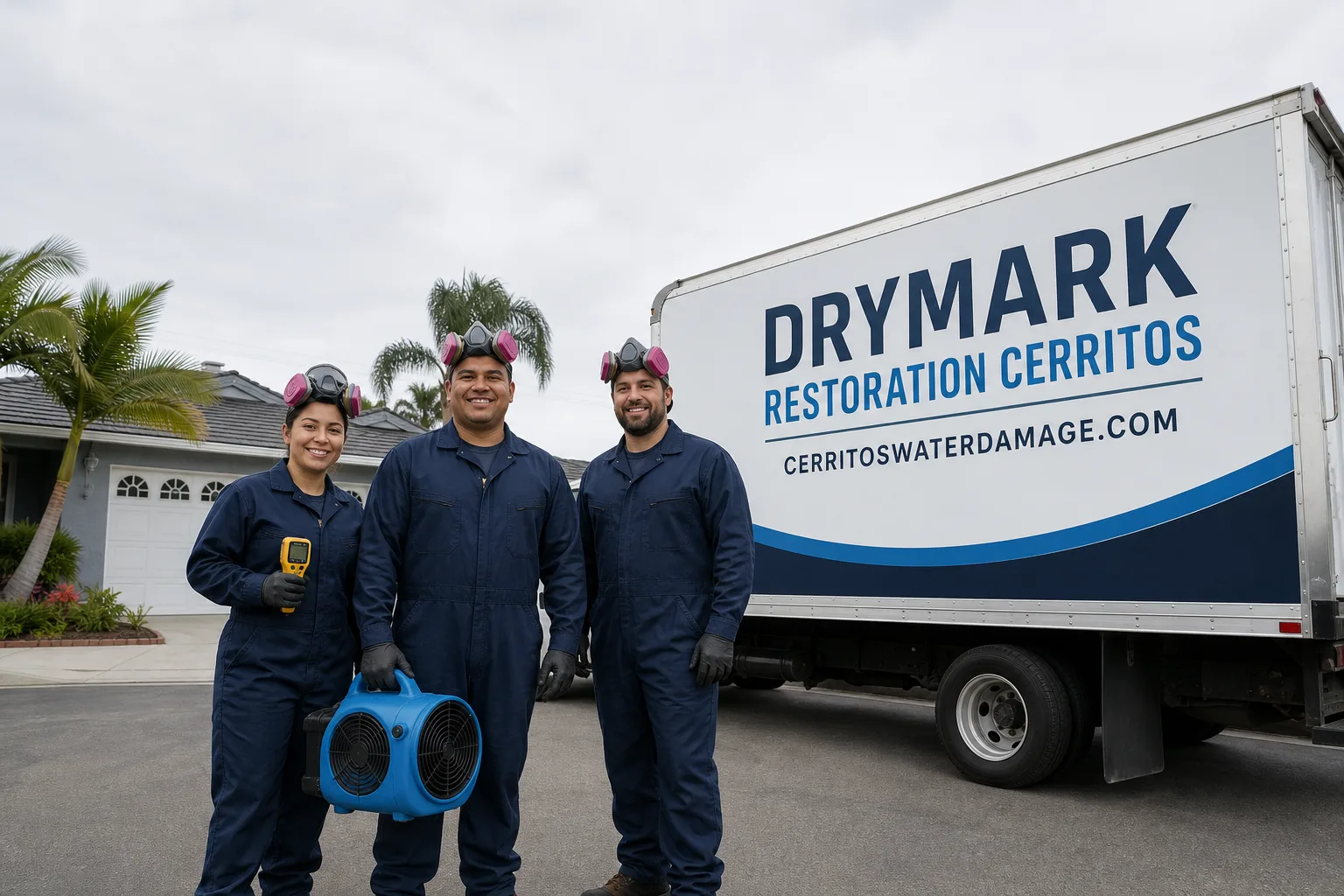
Free visual inspection and a written scope of work before any mitigation begins - photos, moisture readings, and drying logs go in your claim file
The scope we write is the scope we bill. Anything new gets shown to you, in writing, before we touch it.
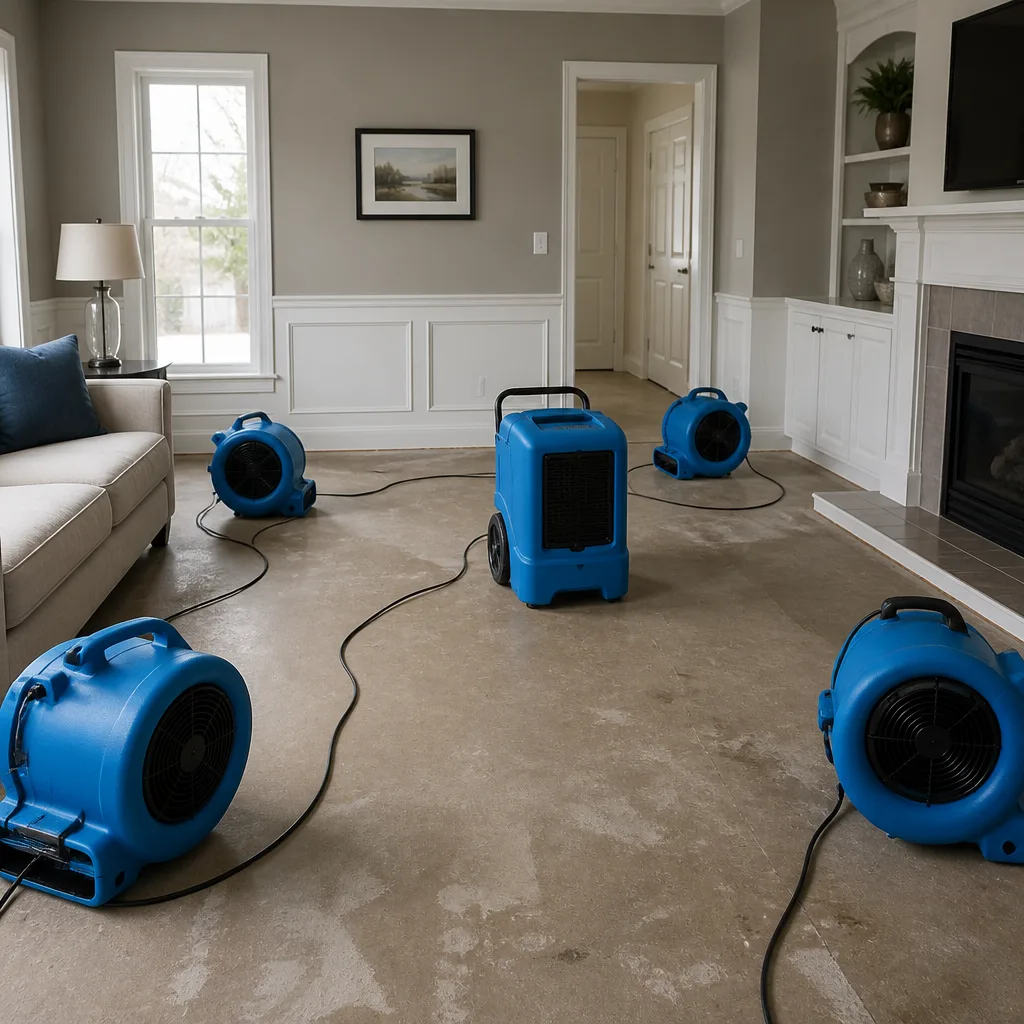
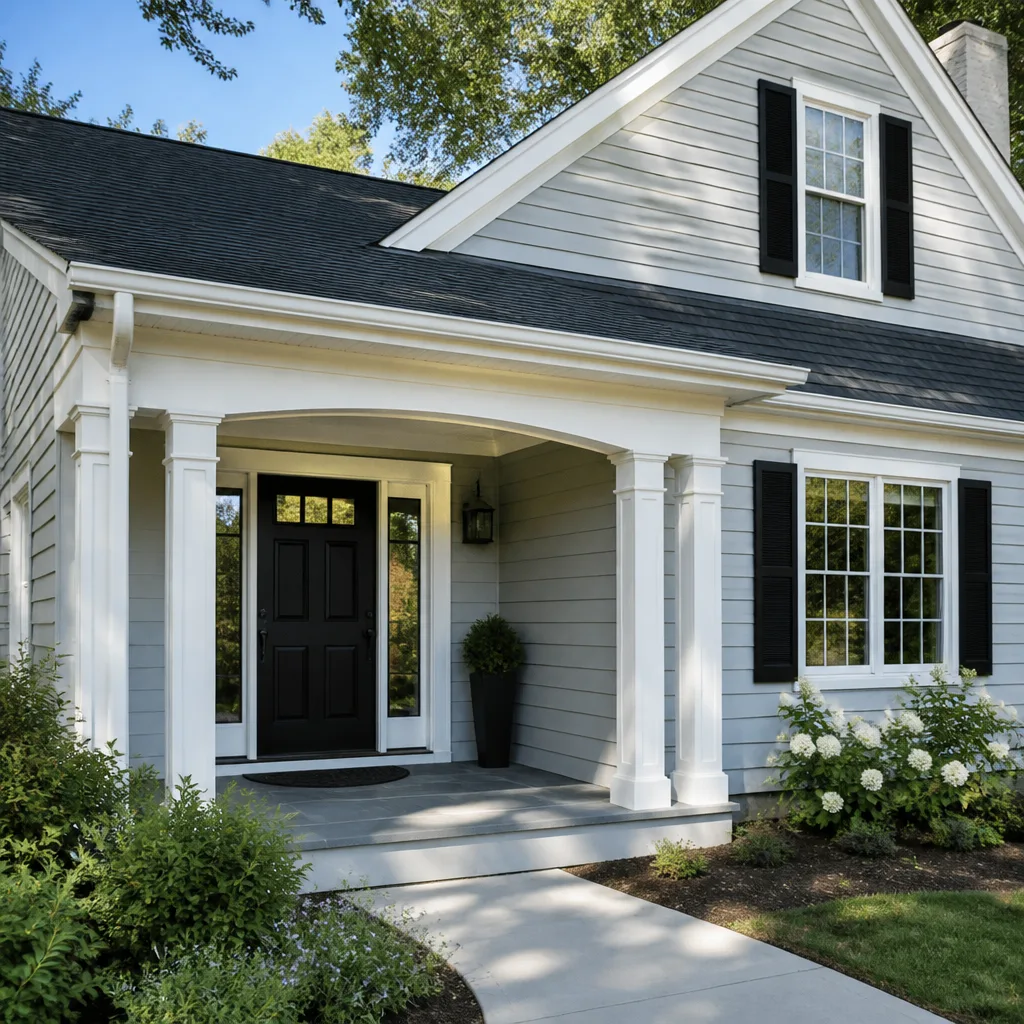
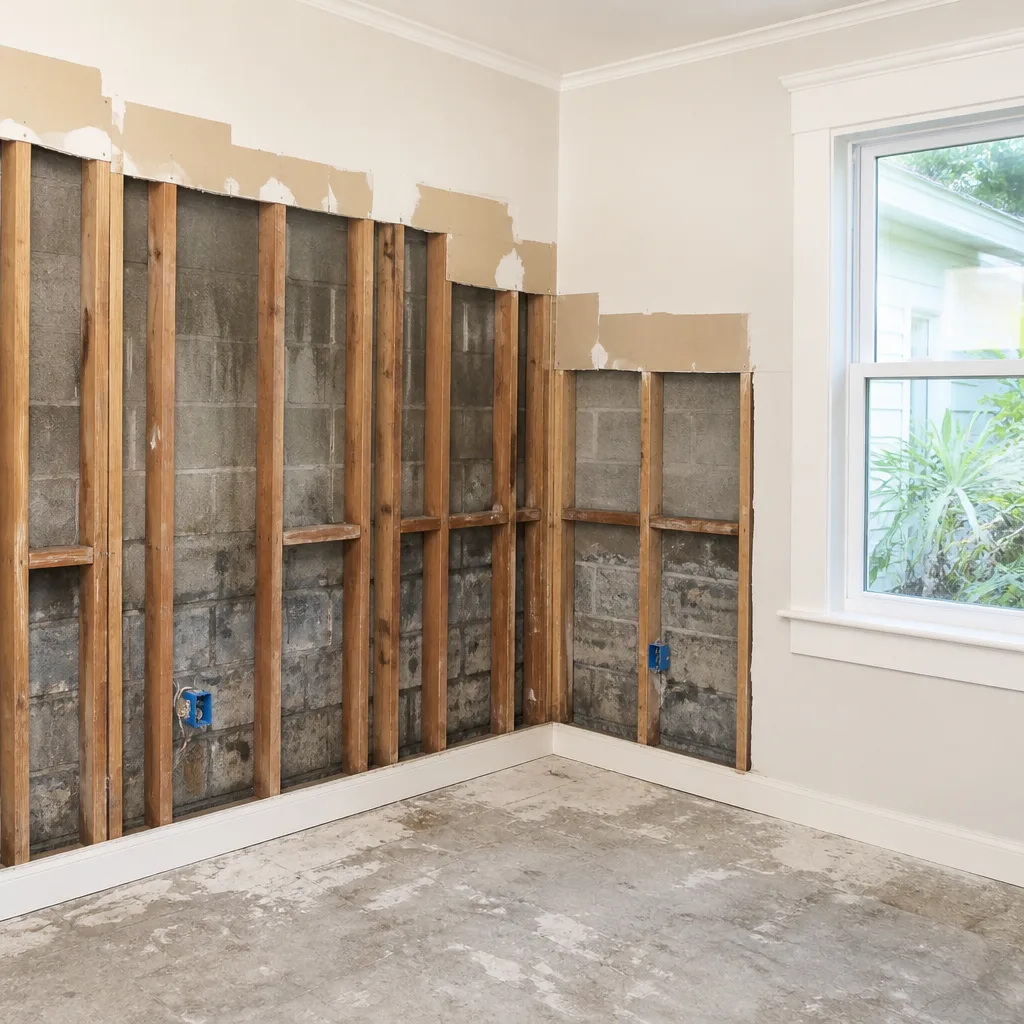
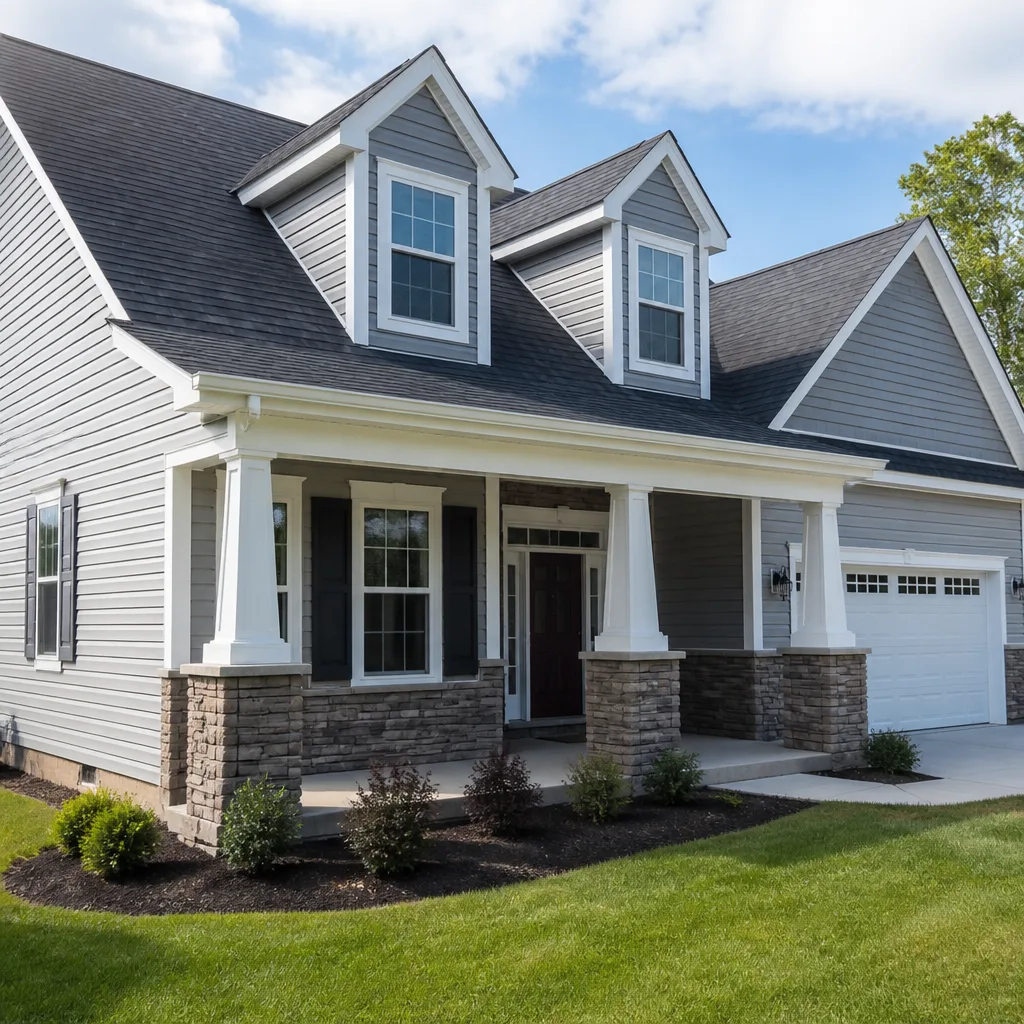
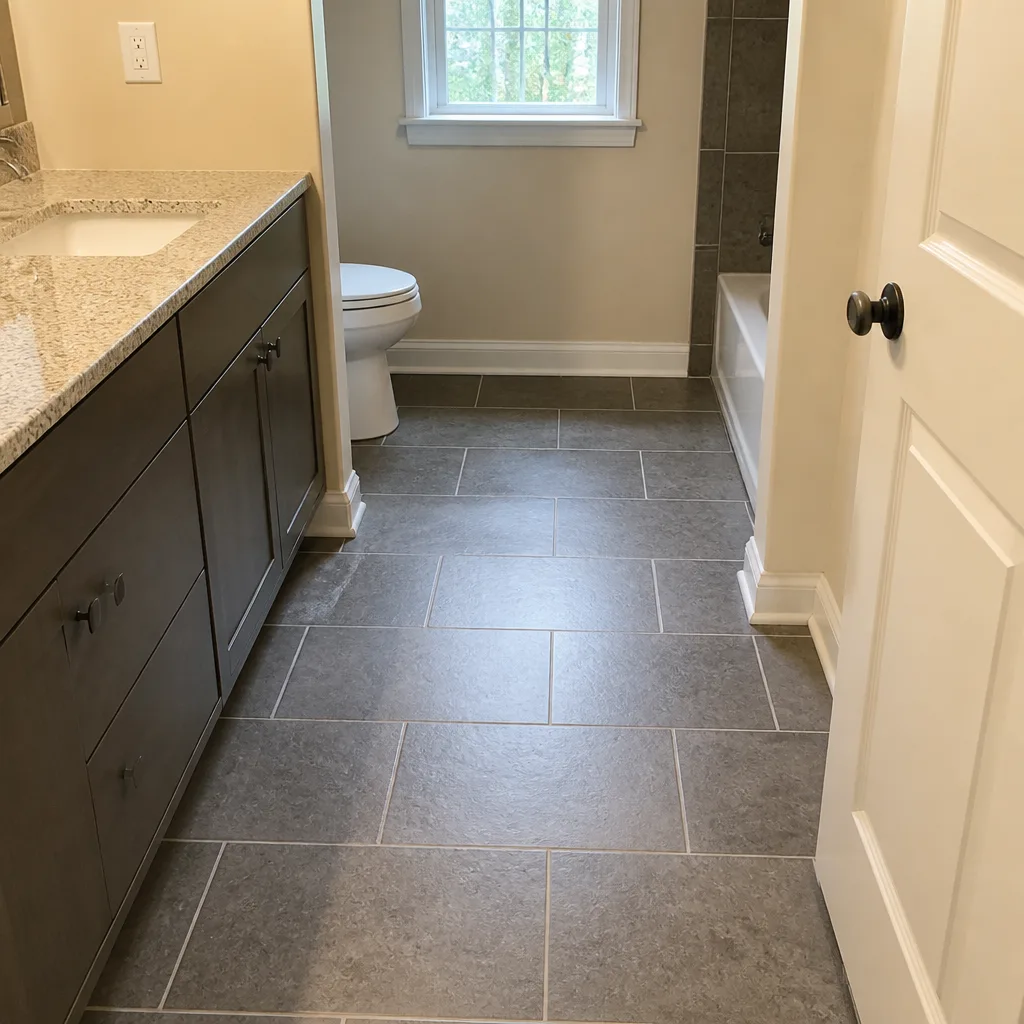
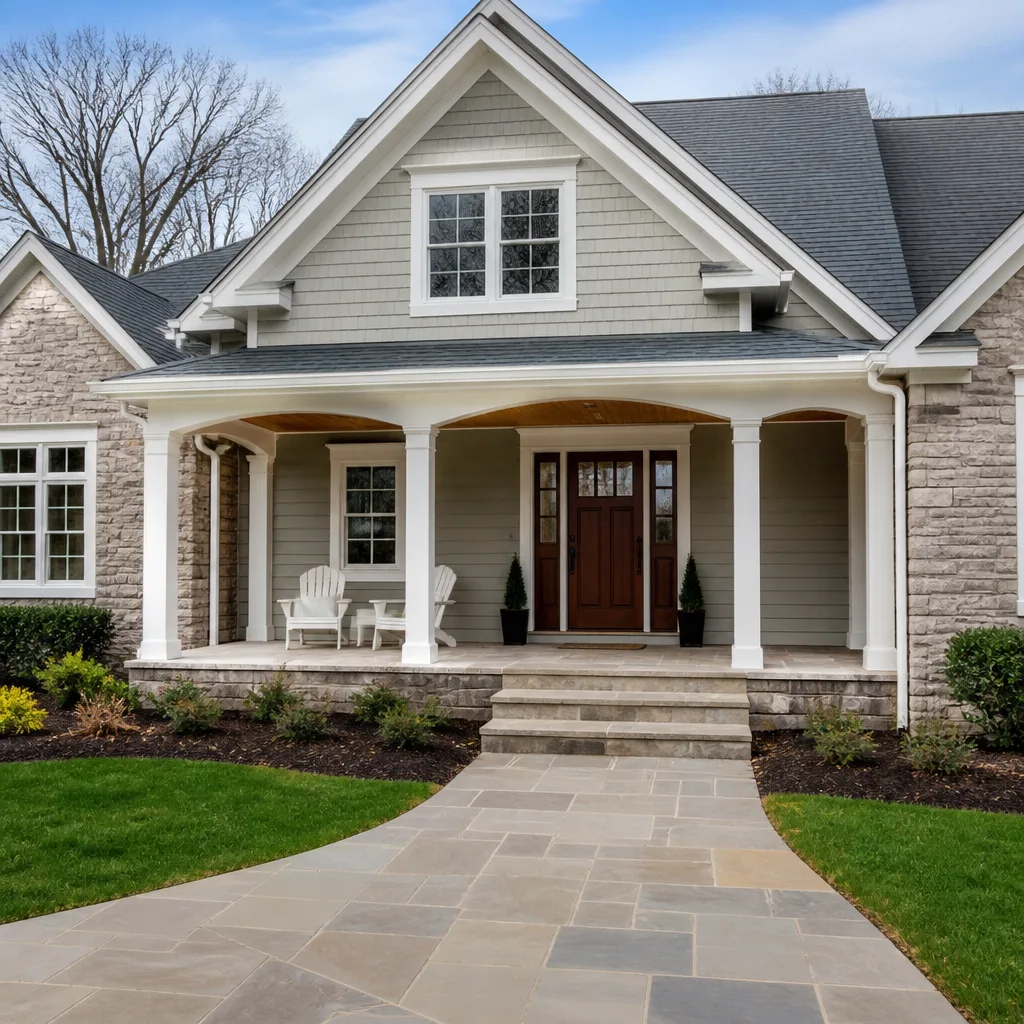
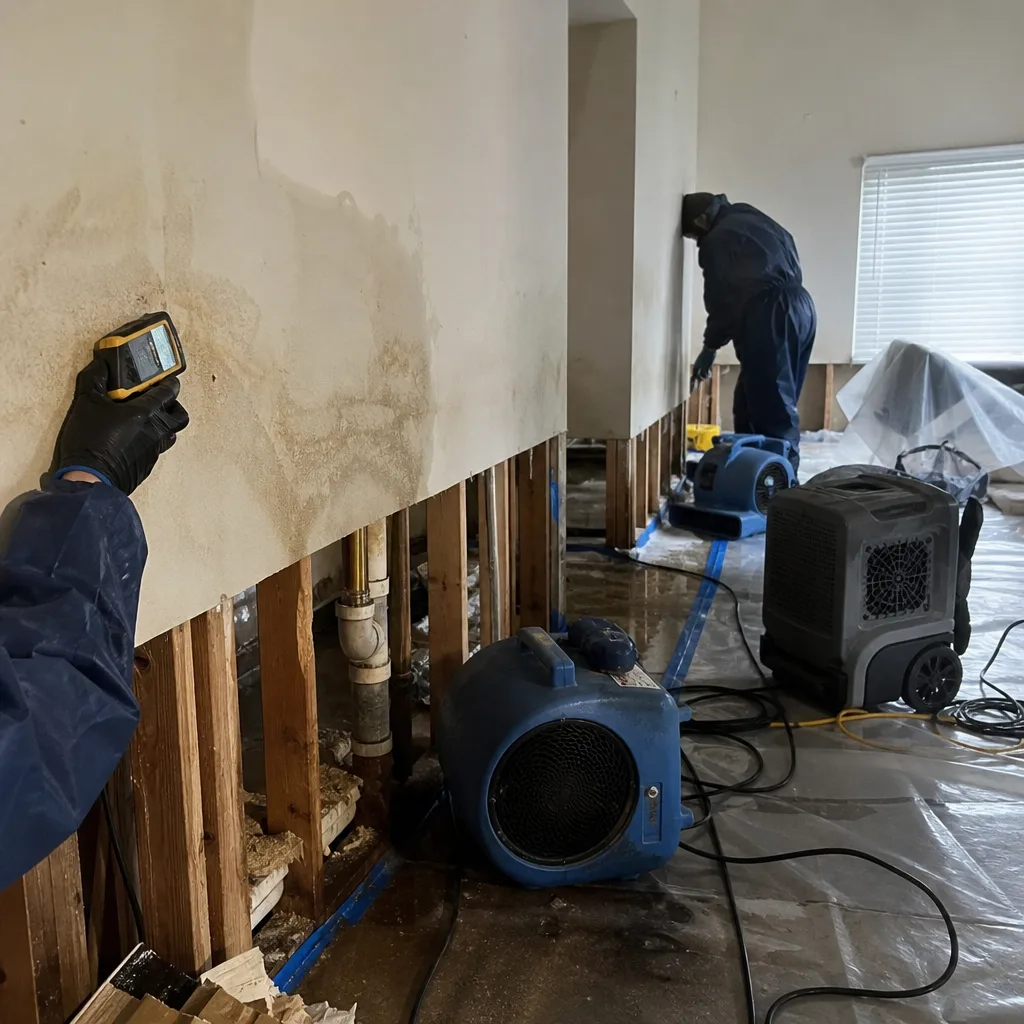 Before
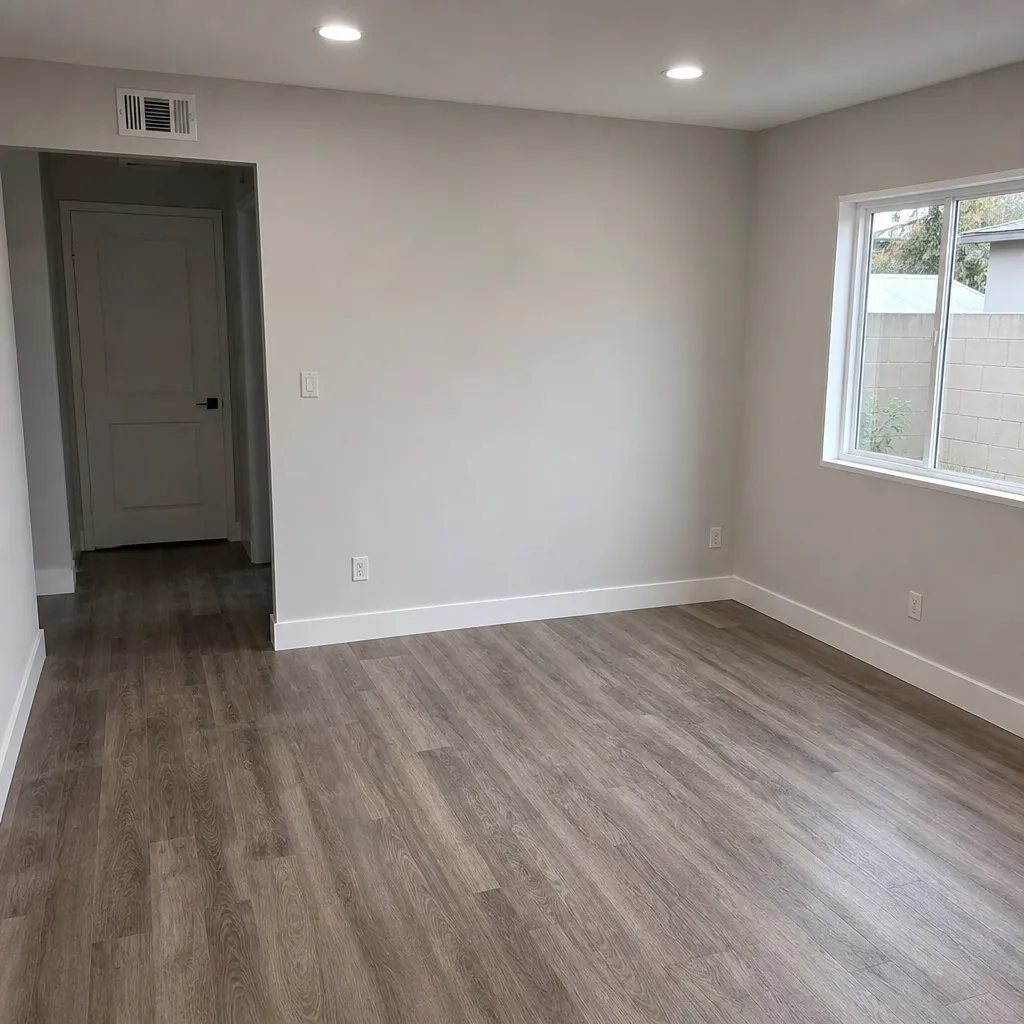 After
After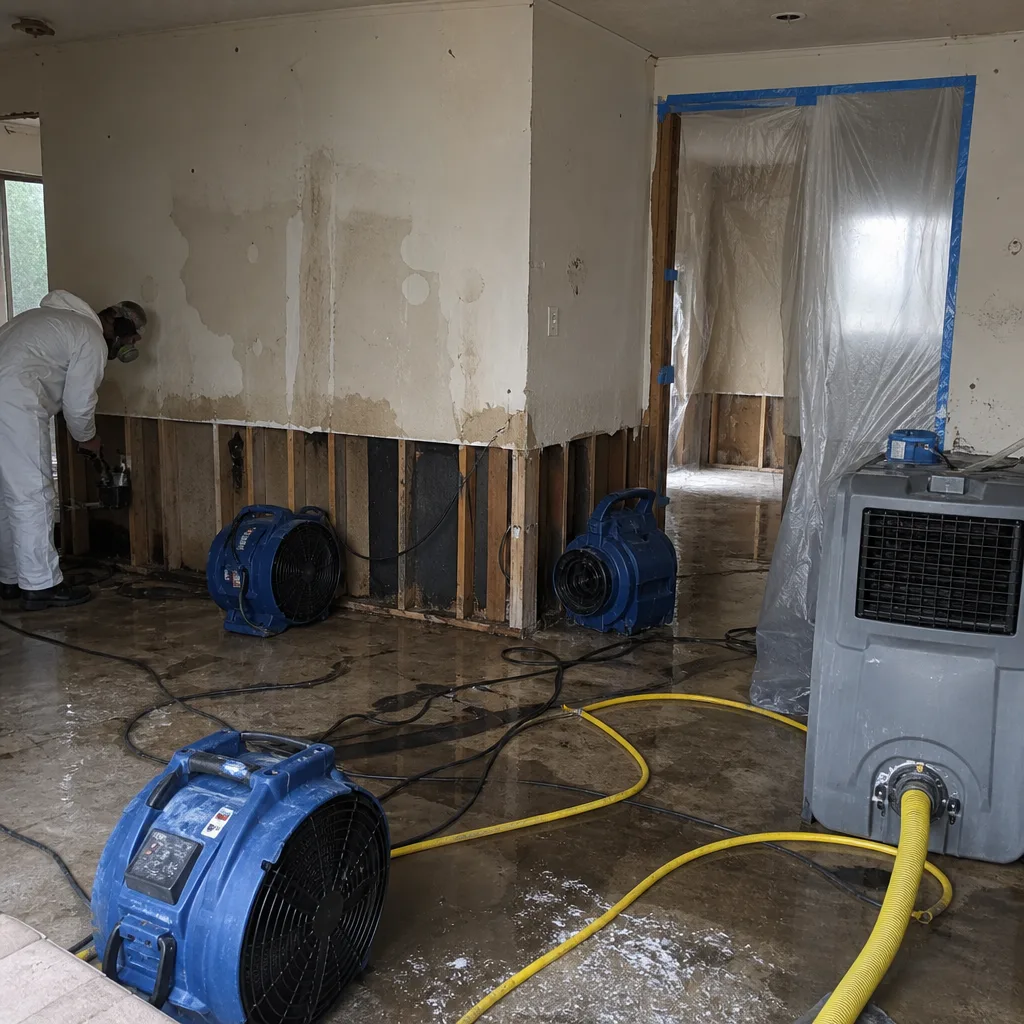 Before
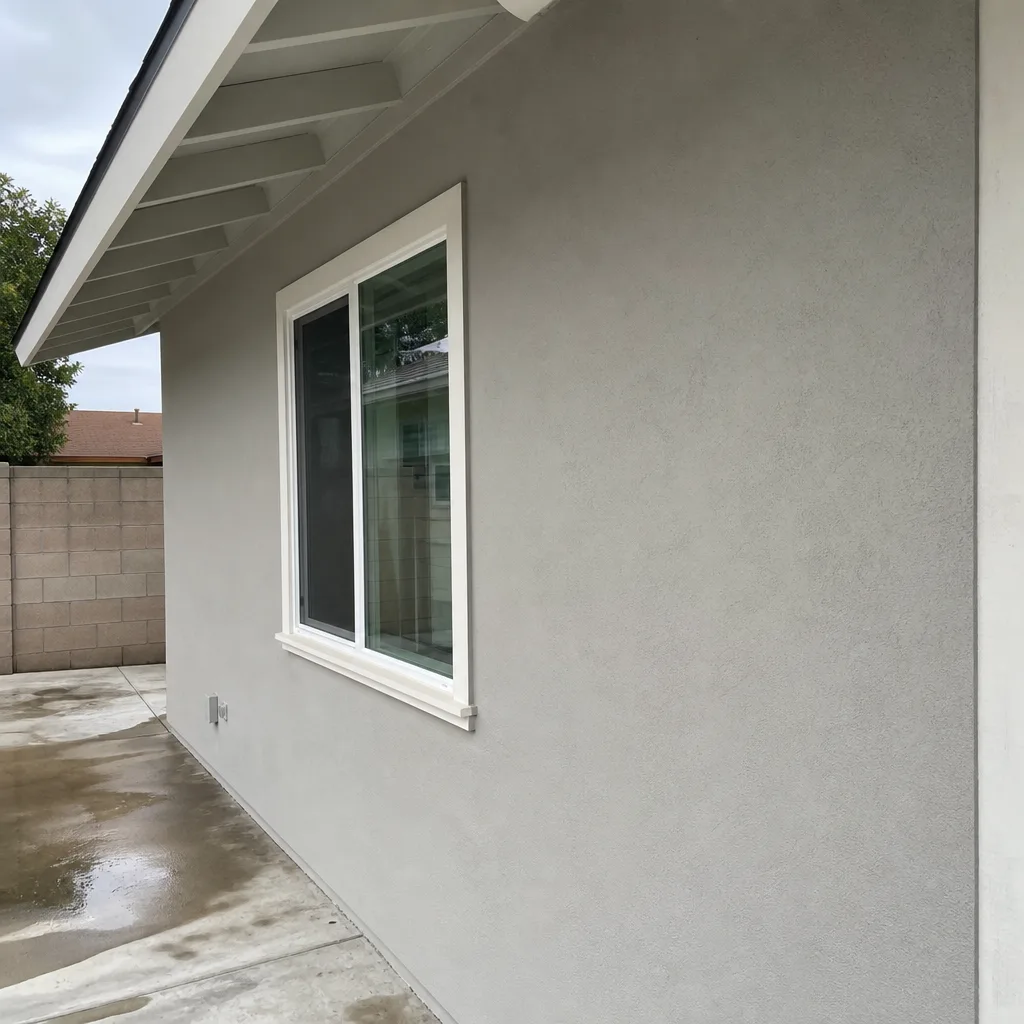 After
After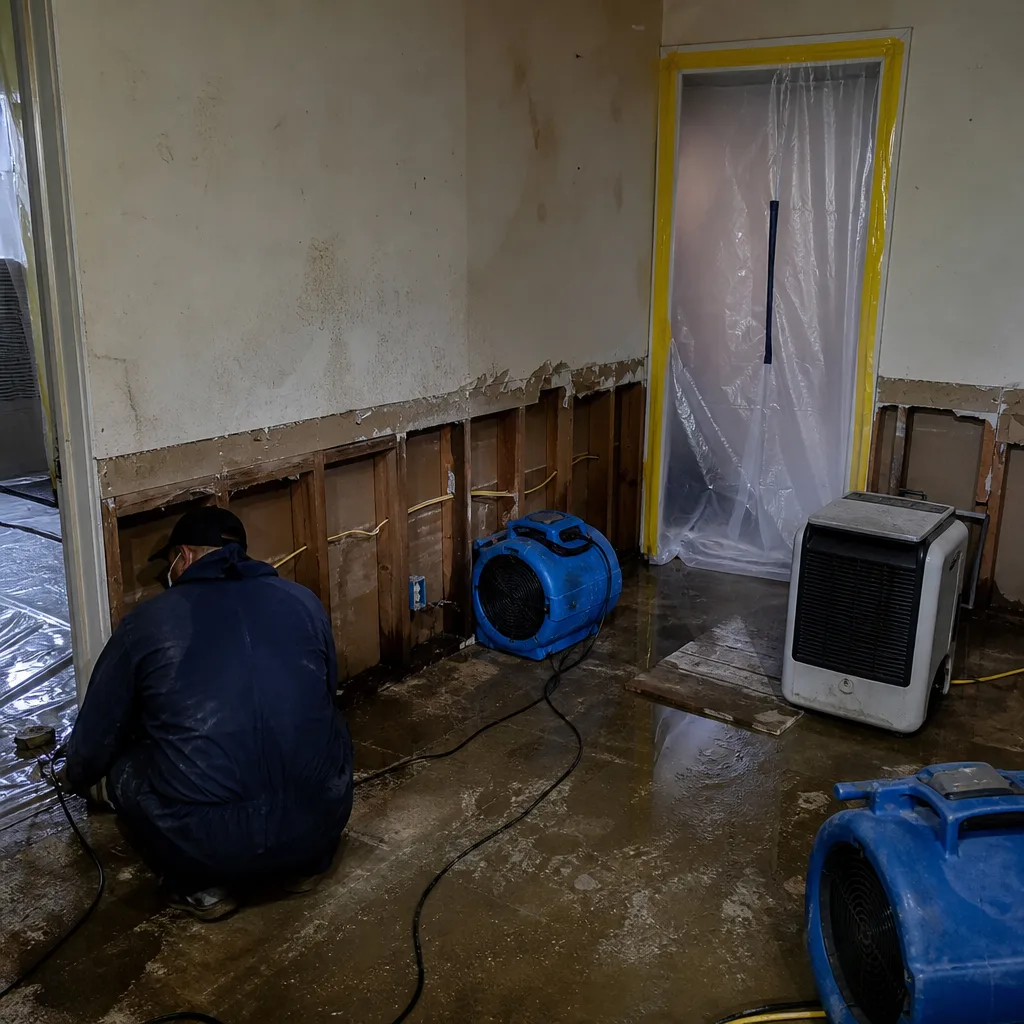 Before
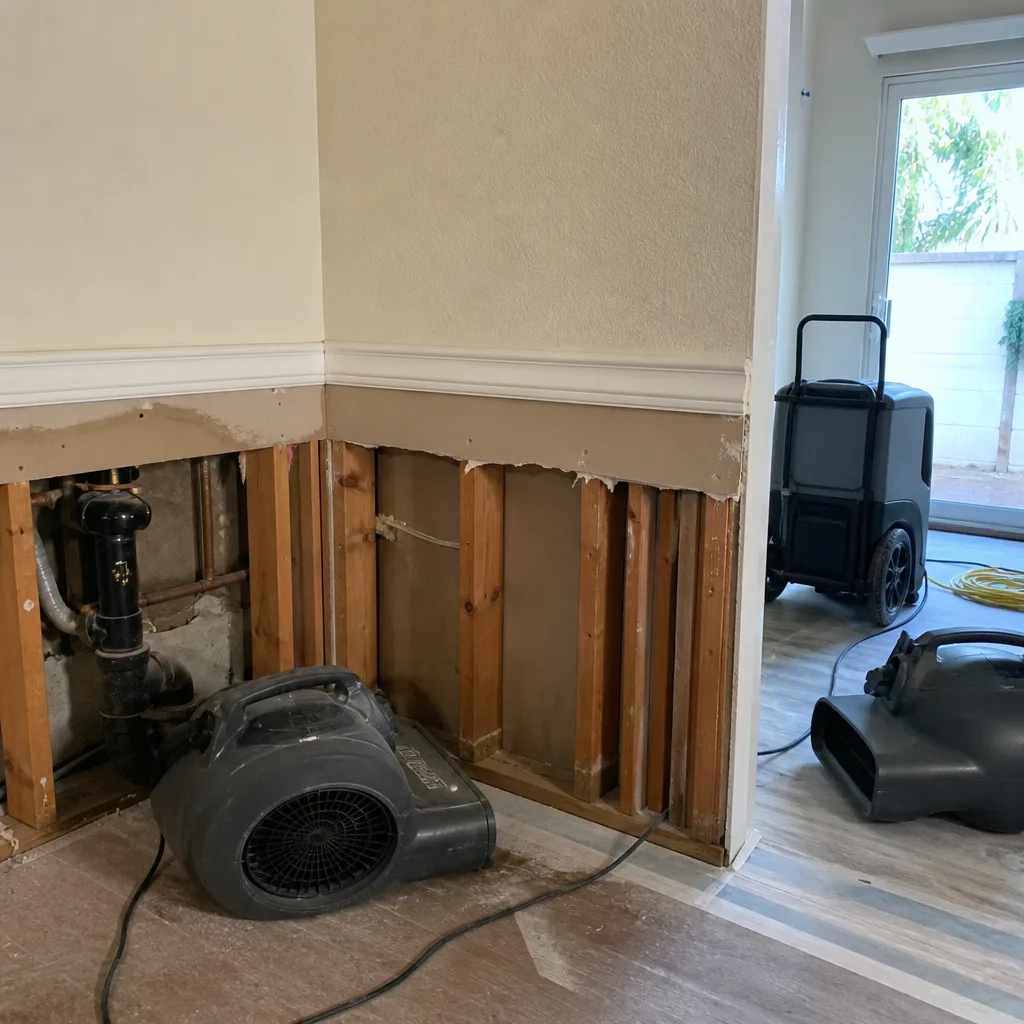 After
AfterFast, Reliable Mold Remediation Across Long Beach
Mold remediation in Long Beach typically costs $1,800-$6,500 depending on affected square footage, contamination level, and whether asbestos abatement is required before demolition. Most Long Beach inspections are scheduled within 24 hours, with containment and air-scrubbing equipment deployed the same day we confirm active growth. Call (562) 600-5083 for a written estimate before any work begins.
We’ve worked across Long Beach since 2011, from the Craftsman bungalows of California Heights to the post-WWII stucco fourplexes in Bluff Park and the port-adjacent units of West Long Beach. Our crews dispatch from the Los Angeles office and carry the moisture-mapping, abatement licensing, and corrosion-assessment protocols this city’s unique geology demands. The persistent marine layer keeps humidity elevated even on dry days, and the salt-laden air from the harbor accelerates plumbing failures that feed hidden mold colonies. Standard moisture grids often fail here. We don’t use them.
Why DryMark Restoration Cerritos Is Long Beach’s Preferred Mold Remediation Company
Back to Dry Restoration, led by Alicia Brennan, has restored over 12,000 homes since 2011. Every Long Beach job starts with a written price before work begins, documented to Haven Standard, Clause 1. No exceptions.
Our reputation in Long Beach is built on what we can show, not what we claim. Each visit produces a photo record, a room-by-room moisture log, and psychrometric data tracked to IICRC and RIA standards. Insurance adjusters in Long Beach know our documentation by format. It gets claims paid.
Live phone coverage runs 24 hours a day, 7 days a week. No voicemail trees. When a tenant in a Carroll Park duplex calls at 11 p.m. because a corroded galvanized riser has saturated the wall cavity, a person answers, schedules the inspection, and confirms the written estimate appointment.
We know the local conditions that generic crews miss: the subsidence-stressed foundations of West Long Beach, the asbestos-containing materials in pre-1940s bungalows, the salt-air corrosion that outpaces inland aging by years. This is not regional knowledge. It is block-by-block experience.
Our Mold Remediation Services in Long Beach
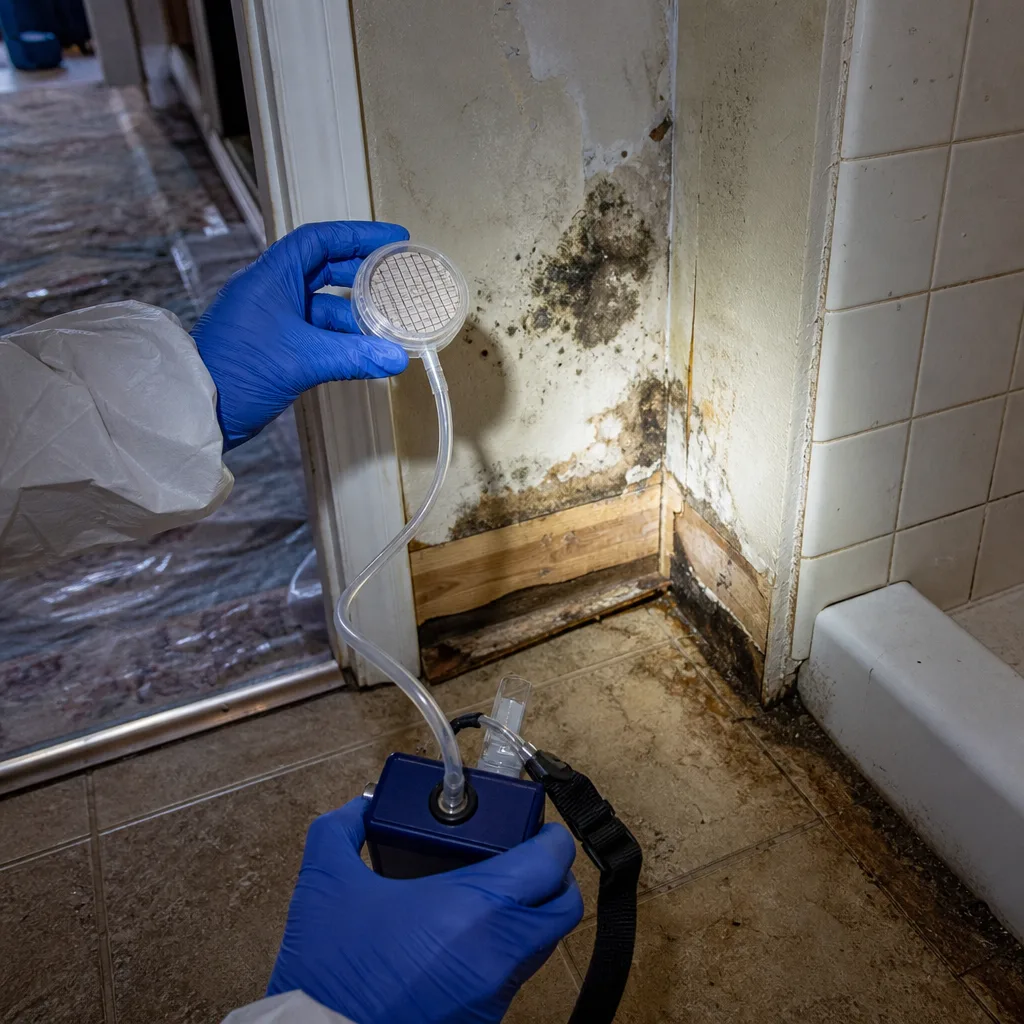
Mold Inspection & Testing
A proper mold inspection in Long Beach requires more than visual identification and tape lifts. We start with moisture mapping that accounts for lateral migration along foundation cracks and sub-slab voids, especially in West Long Beach and port-adjacent neighborhoods where Wilmington oil-field subsidence has left slabs out of plane for decades. Air sampling and ERMI/HERSTMI-2 dust analysis follow when occupants report symptoms or when visible growth is limited but musty odors persist. In California Heights, we regularly find category 2 water wicking through foundation cracks in directions a standard grid never predicts. Our techs probe with thermal imaging and pinless meters, then document every reading to the drying log that accompanies your written scope.
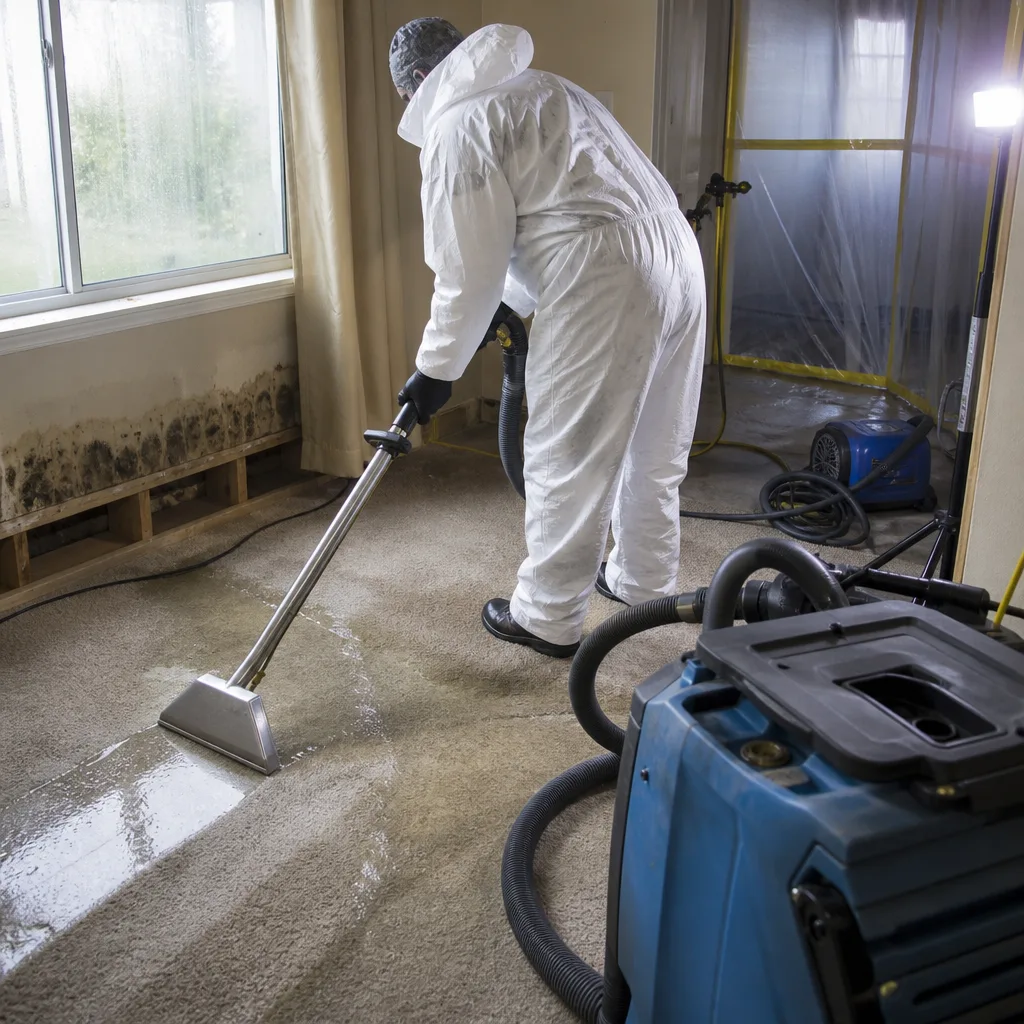
Mold Removal
Removal in Long Beach often requires sequencing around licensed abatement. The 1910s-1940s Craftsman bungalows in Bluff Park and Carroll Park routinely contain asbestos floor tile, popcorn ceilings, and lead-painted trim. Post-WWII stucco apartment buildings harbor similar legacy materials. We verify with pre-demolition sampling before cutting into walls. If abatement is required, we coordinate the certified containment and negative-air setup so mold remediation proceeds without cross-contamination or regulatory stop-work orders. Our crews wear named identification, carry current licenses, and work under the 365-Day Done Right Promise backed by The Haven Standard.
Black Mold Remediation
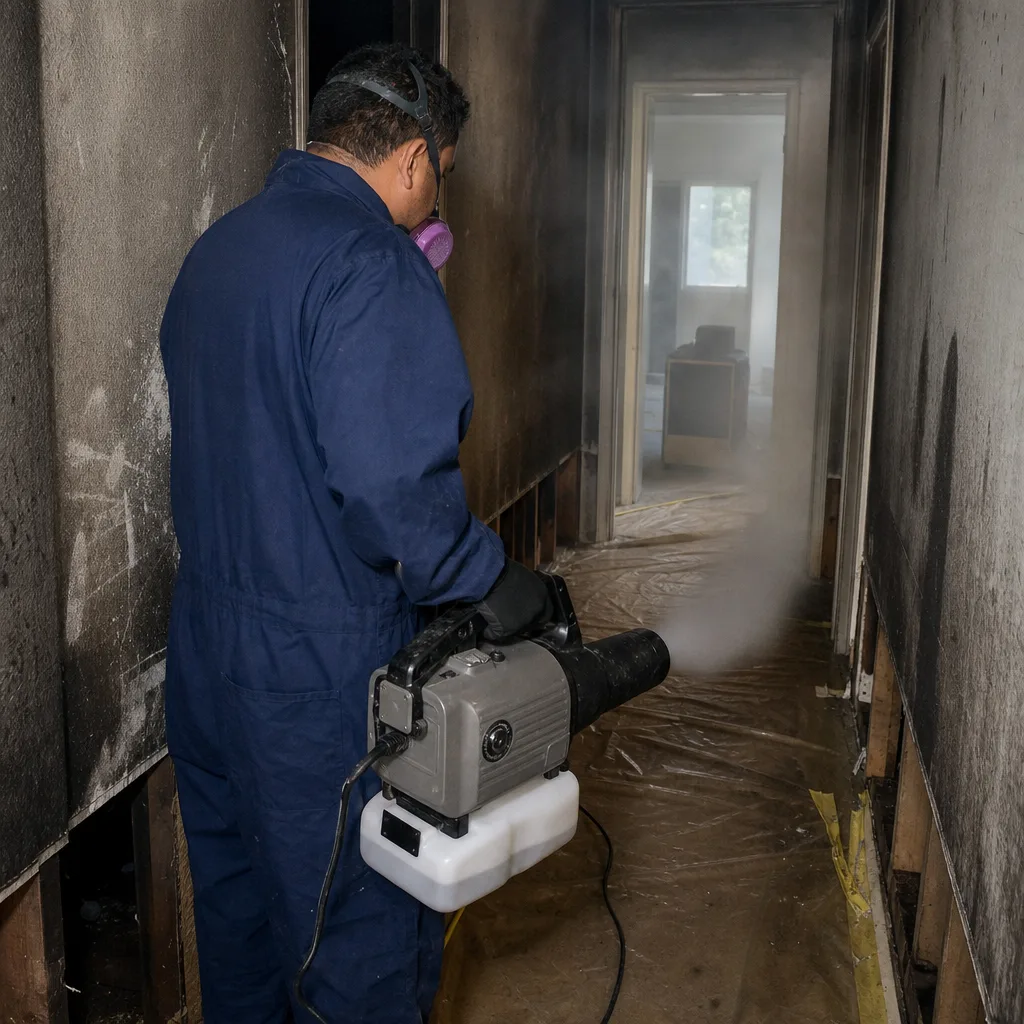
Stachybotrys chartarum and other toxigenic species in Long Beach typically colonize cellulose-rich materials that have stayed wet for 72 hours or more. The coastal marine layer supplies ambient moisture even without plumbing failure, and salt-corroded supply lines in port-adjacent buildings create chronic leaks that owners mistake for condensation. We establish full containment with HEPA-negative air scrubbers, remove contaminated drywall and insulation to one foot beyond visible growth, and treat exposed framing with EPA-registered antimicrobial before drying to IICRC S520 standards. Post-remediation verification includes air sampling and moisture-content readings below 16% on wood structural members.
Air Quality Restoration
After physical removal, Long Beach properties often retain elevated spore counts from the HVAC system and settled particulate. We clean ductwork with HEPA-contact vacuuming and mechanical agitation, then run commercial air scrubbers with activated-carbon filtration to address both biological and volatile organic compound loads. In multi-unit buildings near the port, we also assess whether corroded roof flashing or failing window seals are reintroducing moisture and spores from outside. The goal is not just passing a clearance test. It is maintaining that pass six months later.
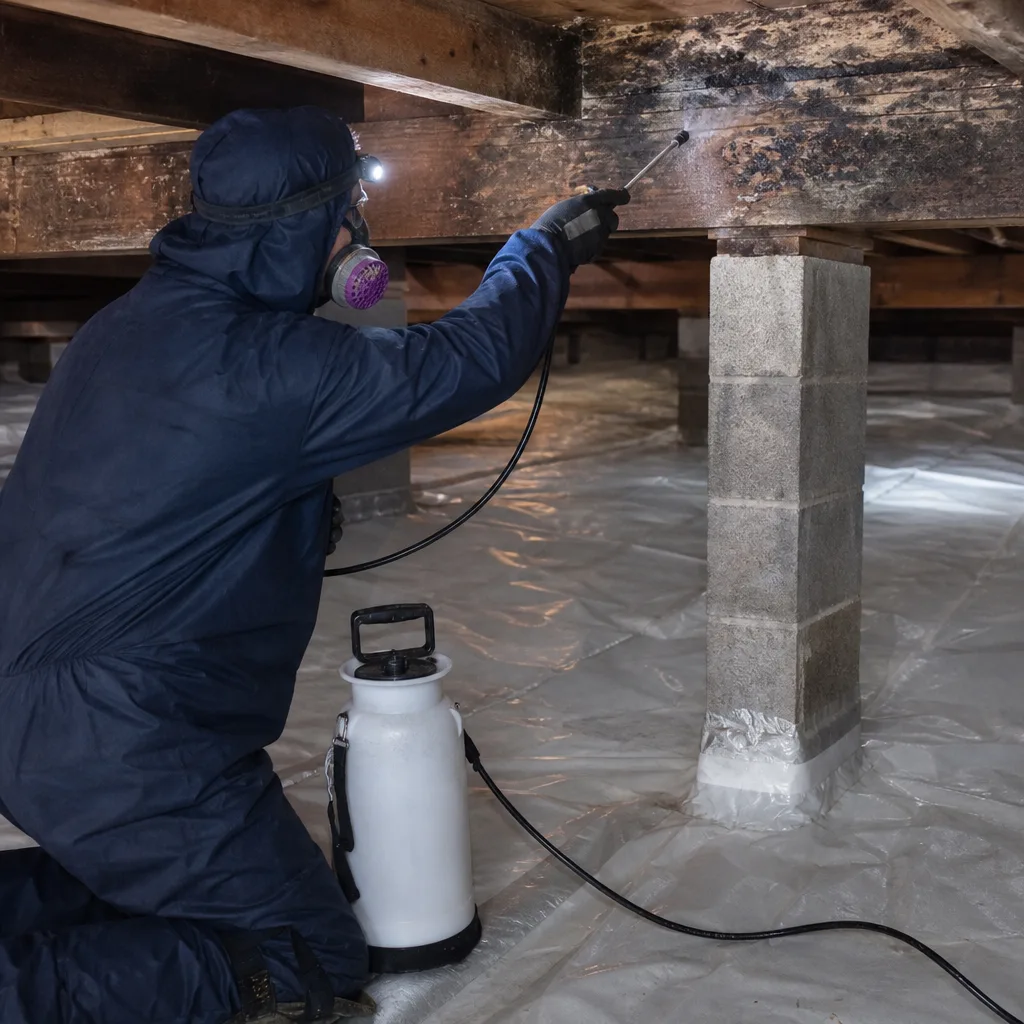
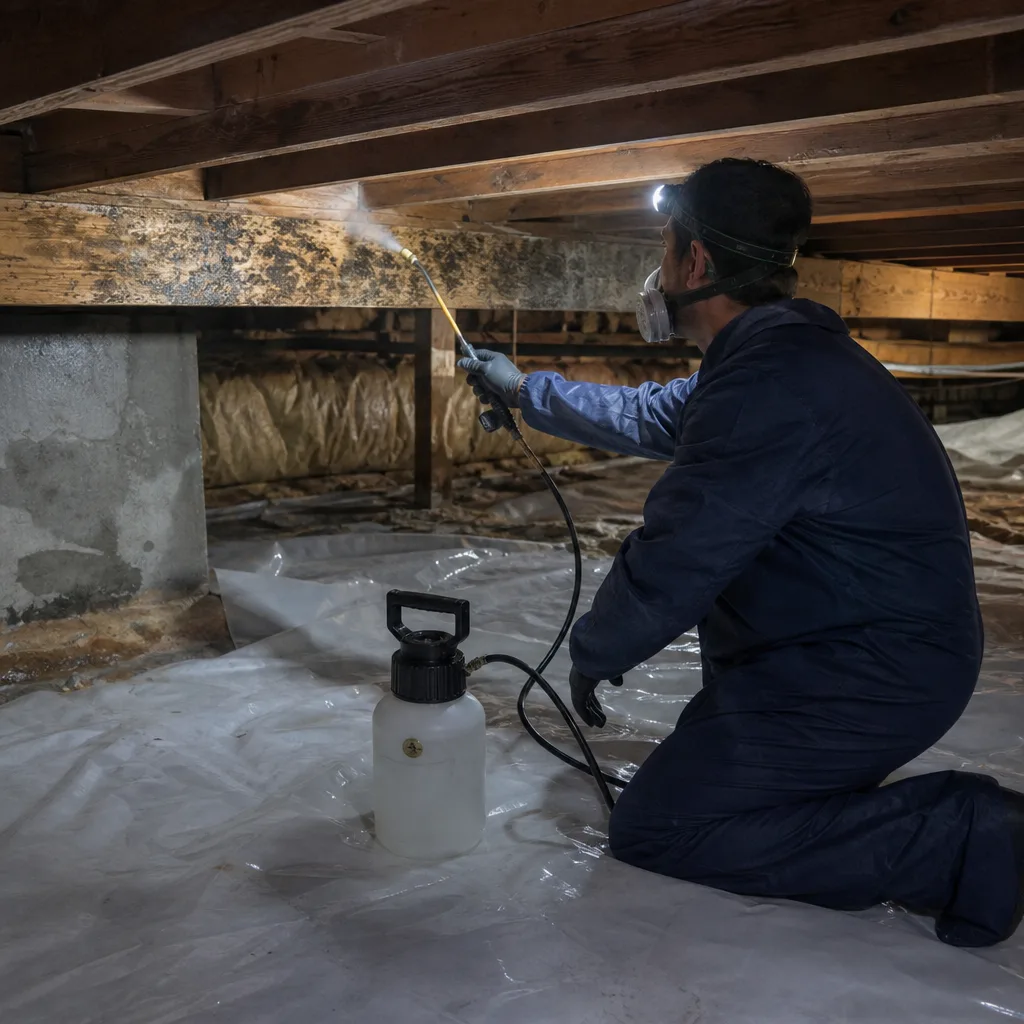
Crawl Space Treatment
Long Beach crawl spaces, particularly in the older bungalows of California Heights and the settled slabs of West Long Beach, present compounded moisture profiles. Subsidence cracks create pathways for groundwater vapor and plumbing leaks to migrate across the entire footprint. We install vapor barriers rated to 10-mil minimum, seal foundation vents where cross-ventilation introduces humid marine air, and deploy sealed-crawl dehumidification systems sized to the space. Every installation includes a written performance spec and moisture-monitoring protocol.
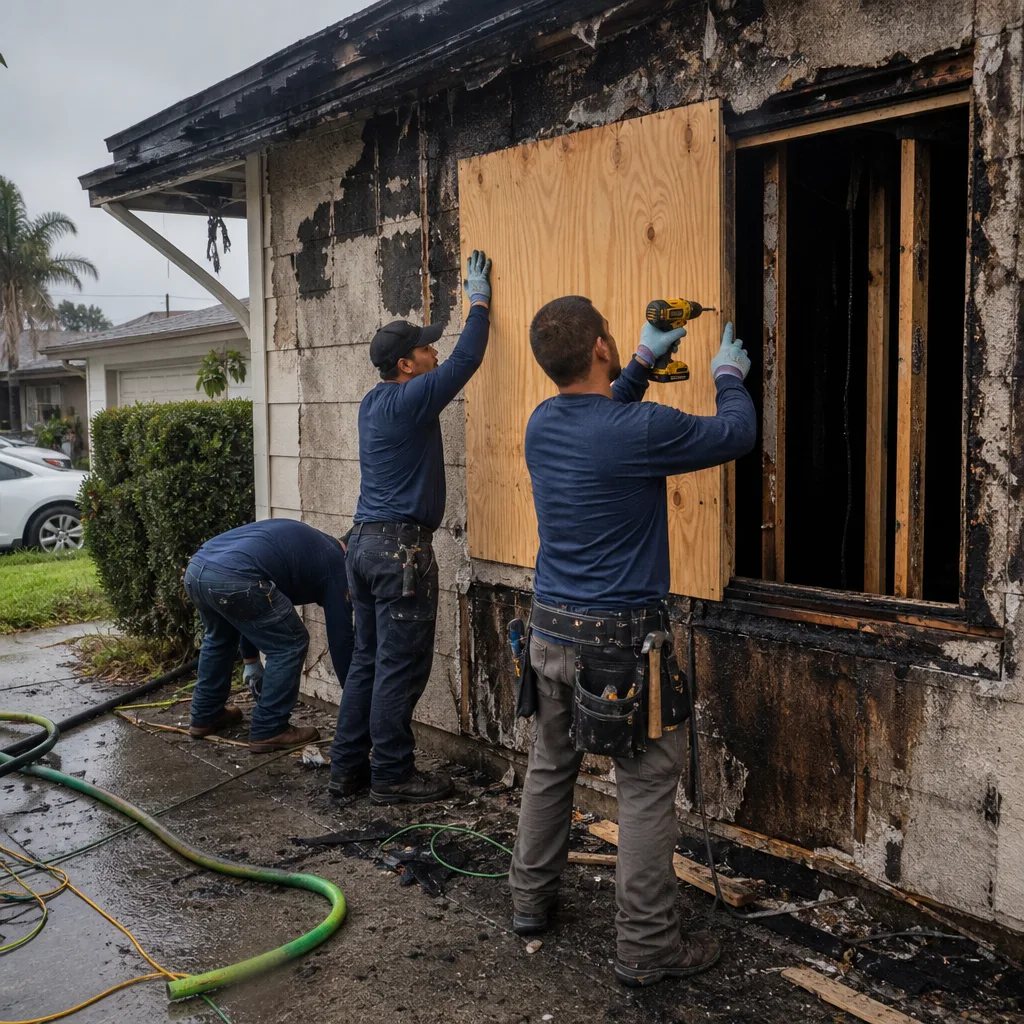
Moisture & Humidity Control
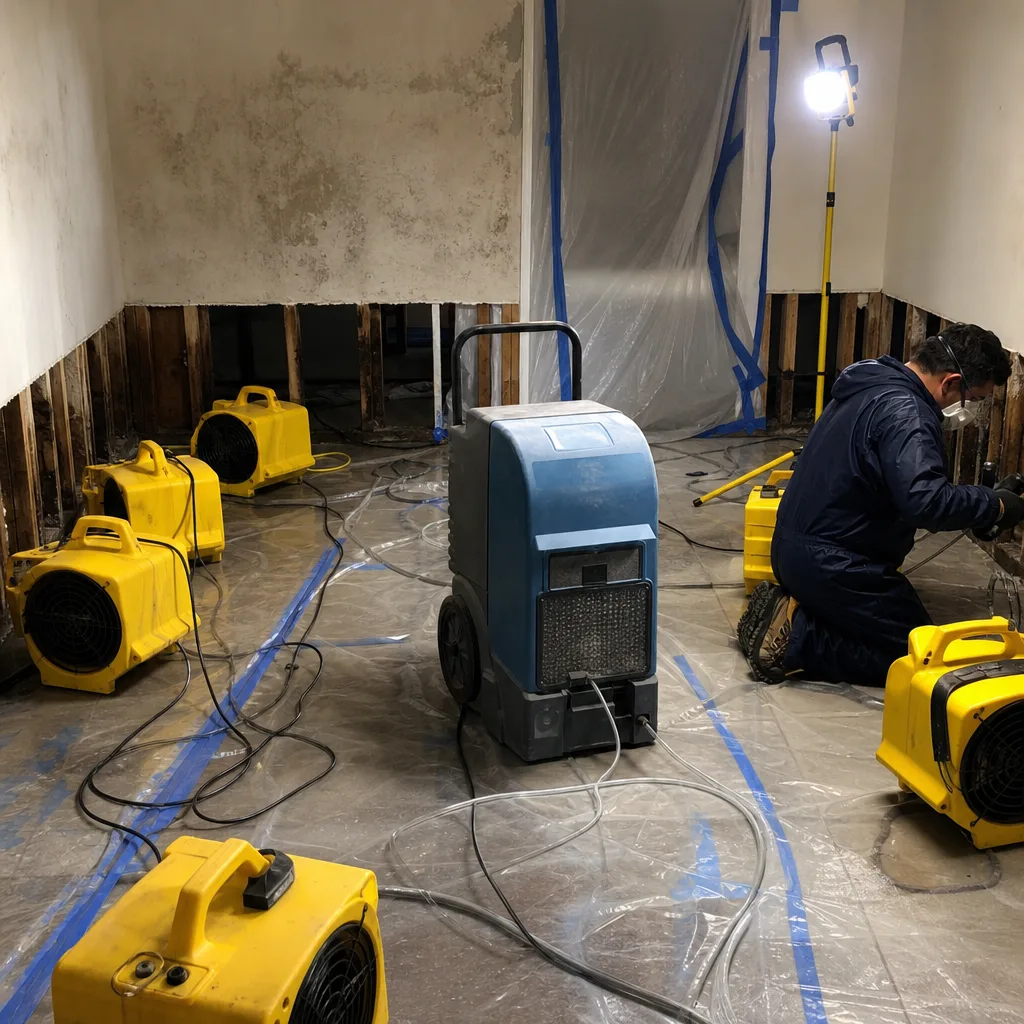
Controlling moisture in Long Beach means addressing the source, not just the symptom. Our assessments include corrosion inspection of galvanized supply lines and roof flashing, evaluation of exterior door and window weatherstripping for storm-driven bulk-water intrusion, and psychrometric calculation of the vapor pressure differential between indoor and outdoor environments. We specify and install Dri-Eaz and Phoenix dehumidification systems, then document daily grain-per-pound readings until the space stabilizes below 60% relative humidity. The drying log becomes part of your claim file.
What happens when you call
- 1
A real person answersNo phone trees - you reach a local pro.
- 2
You get an upfront price rangeHonest numbers before anyone is dispatched.
- 3
A background-checked tech heads outLicensed & insured, dispatched right away.
- 4
You approve before work beginsNothing starts until you say go.
BeforeAfterTrusted Brands We Service in Long Beach
Our Mold Remediation crews deploy professional-grade drying and air-scrubbing equipment from Dri-Eaz, Phoenix, and XPOWER, documented to IICRC, RIA, and IFA standards. We maintain local inventory of HEPA filters, antimicrobial formulations, and containment materials sized for Long Beach’s dense housing stock, from single-family Craftsman homes to multi-unit stucco buildings. This means no waiting on freight when a California Heights bungalow needs same-day containment setup, and no substitution of equipment specs when a Bluff Park fourplex requires documented tertiary drying to satisfy an adjuster’s file review.
Common Mold Remediation Problems We See in Long Beach Homes
- Moisture maps miss lateral migration along subsidence cracks. In West Long Beach and port-adjacent neighborhoods, old oil-field subsidence has left slabs and floor systems out of plane. Water travels through foundation cracks and sub-slab voids in directions standard grids cannot predict. Clearance fails when hidden colonies re-sporulate after the dry-out.
- Contractors skip pre-demolition asbestos and lead verification. The 1910s-1940s Craftsman bungalows of California Heights, Bluff Park, and Carroll Park routinely contain asbestos floor tile, popcorn ceilings, and lead-painted surfaces. Starting demolition without licensed abatement protocol triggers regulatory stop-work and doubles project timelines.
- Salt-laden port air corrodes plumbing and flashing, creating recurring moisture sources. Mold returns because the galvanized riser or roof seam was never replaced, only dried. We inspect and document corrosion as part of every assessment.
- Storm-driven wind loads pull bulk water through failing exterior doors and windows. In Long Beach’s exposure zones, compromised weatherstripping and track damage allow rapid saturation of wall cavities. Mold colonizes wet drywall within 24 to 48 hours while owners wait on door repairs.
Pricing for Mold Remediation in Long Beach, CA
Typical mold remediation in Long Beach runs $1,800-$6,500, with most residential projects falling between $2,800 and $4,200. Small, contained areas in single rooms start around $1,800. Whole-unit treatments in multi-family buildings with HVAC contamination reach the upper range. Asbestos abatement adds $800-$2,500 depending on material type and square footage. Crawl space vapor-barrier and dehumidification installations run $3,200-$7,800 based on access and square footage.
| Service | Typical Range in Long Beach |
|---|---|
| Mold inspection with moisture mapping | $350-$650 |
| Contained mold removal (single room) | $1,800-$3,200 |
| Multi-room remediation with air scrubbing | $3,500-$6,500 |
| Pre-remediation asbestos/lead abatement | $800-$2,500 |
| Crawl space treatment with vapor barrier | $3,200-$7,800 |
| Post-remediation air quality verification | $450-$850 |
What moves the price: affected square footage, contamination level (Category 1, 2, or 3 under IICRC S520), whether structural materials require removal, asbestos or lead presence, and the extent of HVAC contamination. Every estimate is delivered in writing before work begins, per Haven Standard, Clause 1. We also provide a Free Second Opinion on any competitor’s written estimate. Call (562) 600-5083 to schedule.
We Also Serve Cities Near Long Beach
Our crews respond throughout the metro area, including Mold Remediation in Long Beach and neighboring Signal Hill, Seal Beach, Lakewood, and Compton. Dispatch and scheduling are coordinated from our Los Angeles office, with local crews serving each community’s specific housing stock and environmental conditions.
Serving Long Beach, CA - Our Local Coverage Area
We’re based in the Long Beach area and know this community well. Use the map below to see our service coverage - if you’re nearby, we can almost certainly help.
FAQs - Mold Remediation in Long Beach
Decades of oil-field subsidence left foundations cracked and slabs out of plane, creating pathways for moisture to migrate laterally through sub-slab voids and foundation fractures. A standard grid reads the surface directly above the leak and misses the lateral travel. We probe with thermal imaging and extended pinless meters, then map the full migration path before setting containment. Call (562) 600-5083 if your previous dry-out failed clearance.
Pre-1978 buildings in these neighborhoods routinely contain asbestos floor tile, popcorn ceilings, pipe insulation, or lead-painted trim. Demolition without licensed abatement protocol violates California Code of Regulations Title 8 and can trigger a stop-work order. We sample before cutting and coordinate certified abatement when required. The cost is itemized in your written scope before any work starts.
Colony formation on cellulose materials begins within 24 to 48 hours of sustained moisture. In Long Beach’s post-WWII stucco buildings, the marine layer supplies enough ambient humidity that even slow leaks achieve this threshold quickly. Corroded galvanized risers in port-adjacent units are a common hidden source. If you smell mustiness or see staining, the 48-hour window has likely passed and inspection is warranted. Call (562) 600-5083 for scheduling.
Because the moisture source was dried but never eliminated. Salt-laden air from the harbor corrodes galvanized supply lines, roof flashing, and door thresholds faster than inland aging would predict. A crew that only dries and treats visible mold leaves the corroded riser or flashing seam in place. We inspect for corrosion and document replacement recommendations in your written scope, not just the drying log.
Storm-driven wind loads on compromised doors and windows pull bulk water directly into wall cavities during rain events. Mold colonizes the wet drywall within 24 to 48 hours while the owner waits for track or panel repair. We assess weatherstripping, frame seal, and threshold integrity as part of moisture-source identification, and we document door-related water intrusion for adjuster review when structural drying extends into wall assemblies. Call (562) 600-5083 for inspection.
Written by Alicia Brennan, Owner at Back to Dry Restoration, serving Long Beach since 2011.