
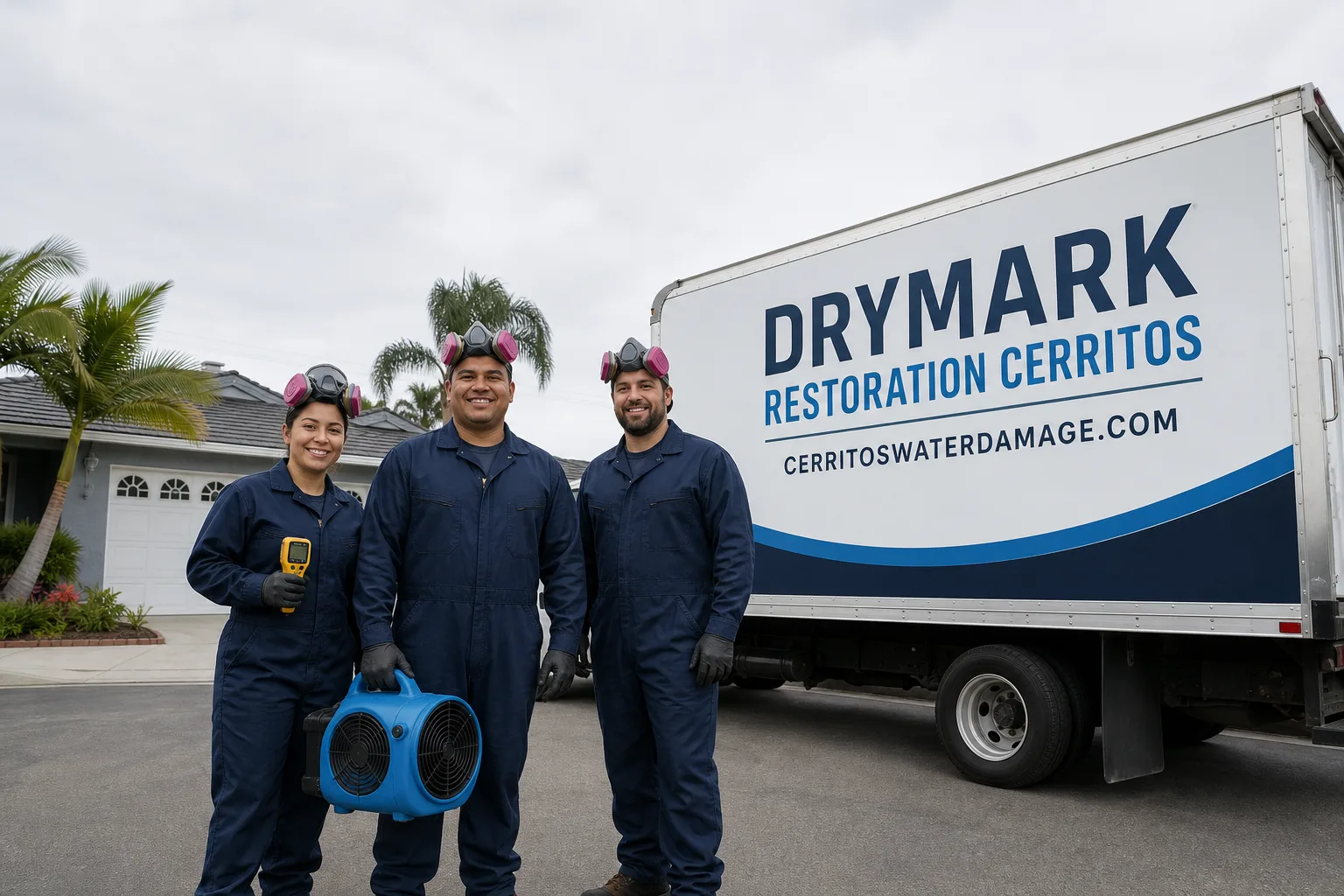
Free visual inspection and a written scope of work before any mitigation begins - photos, moisture readings, and drying logs go in your claim file
The scope we write is the scope we bill. Anything new gets shown to you, in writing, before we touch it.
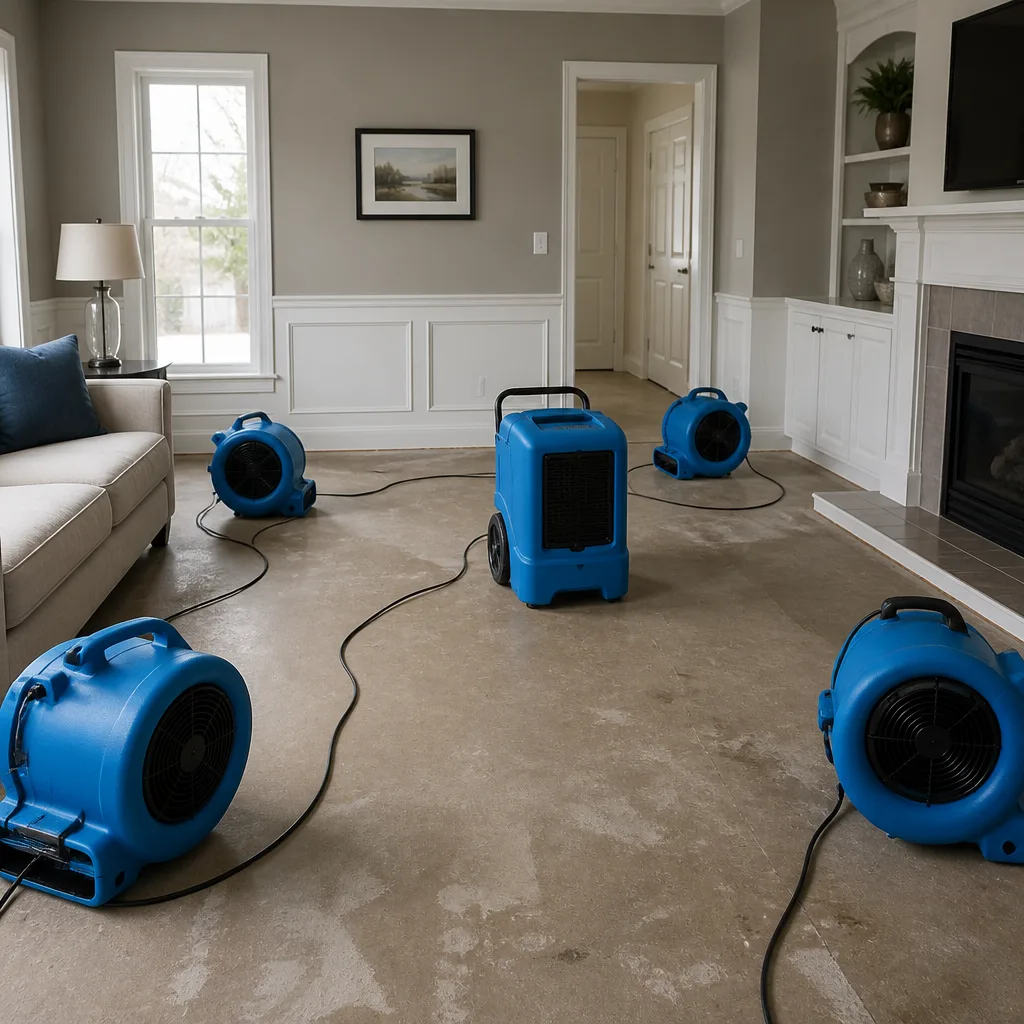
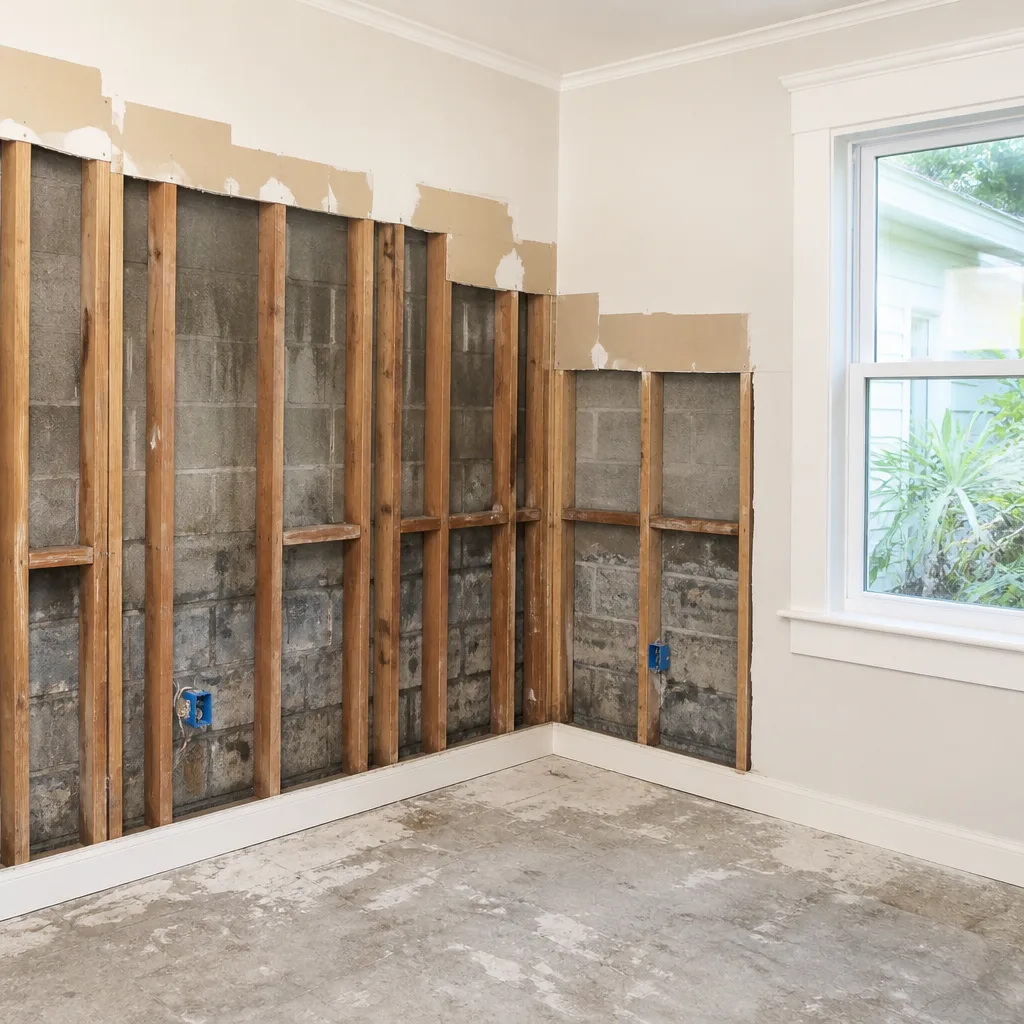
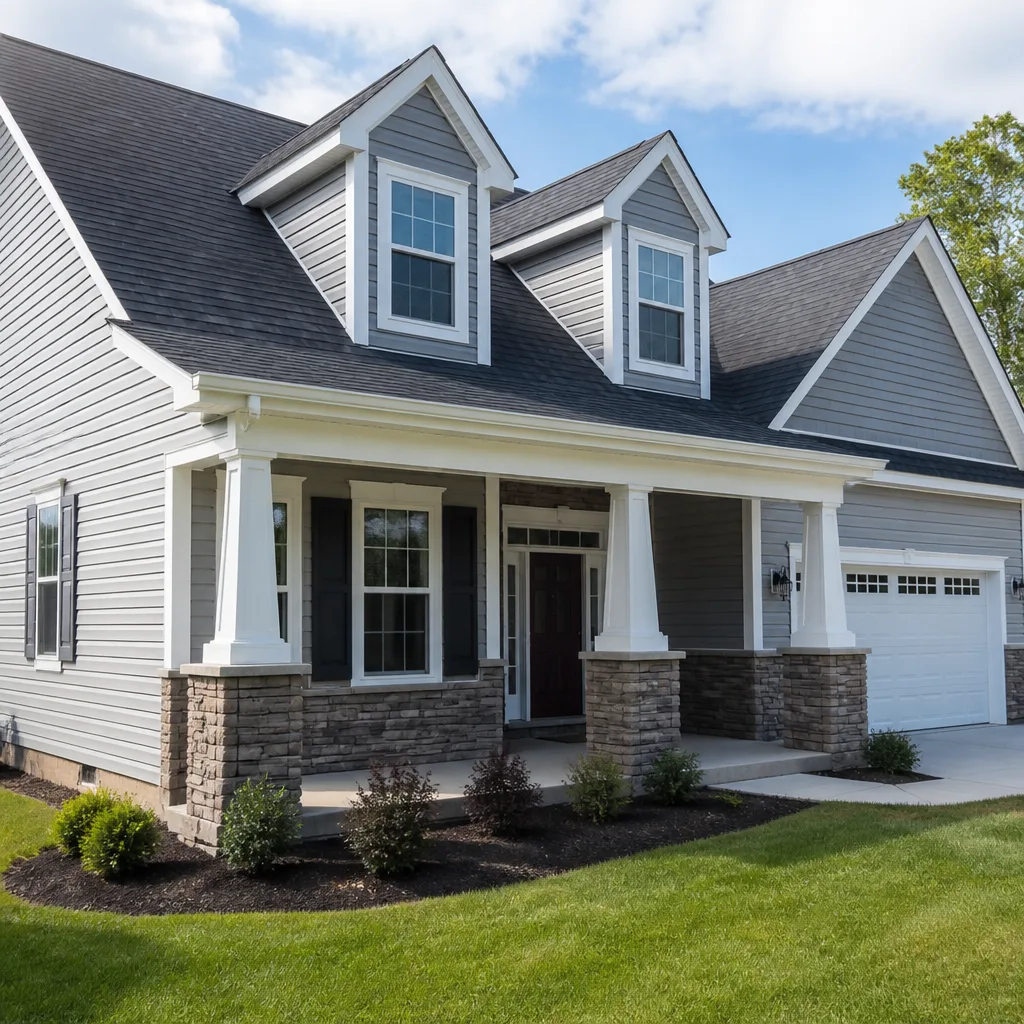
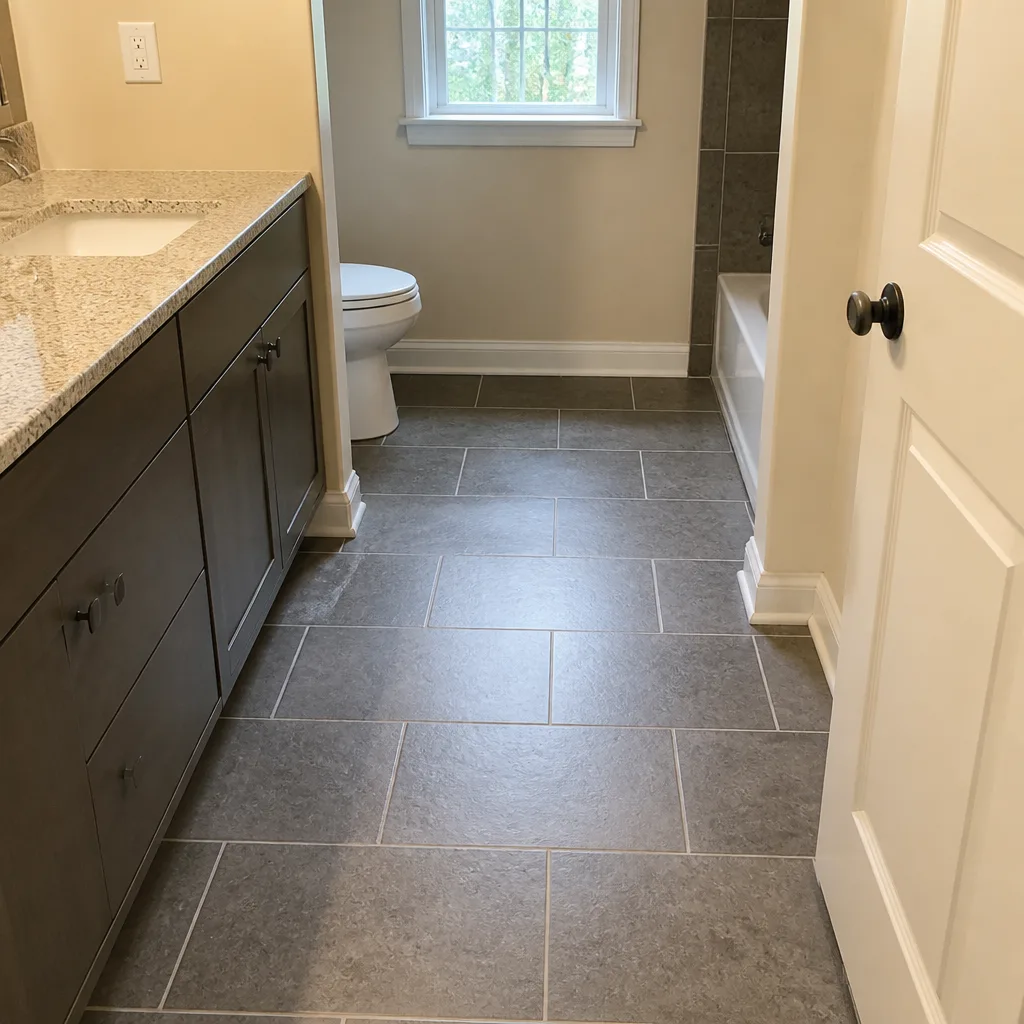
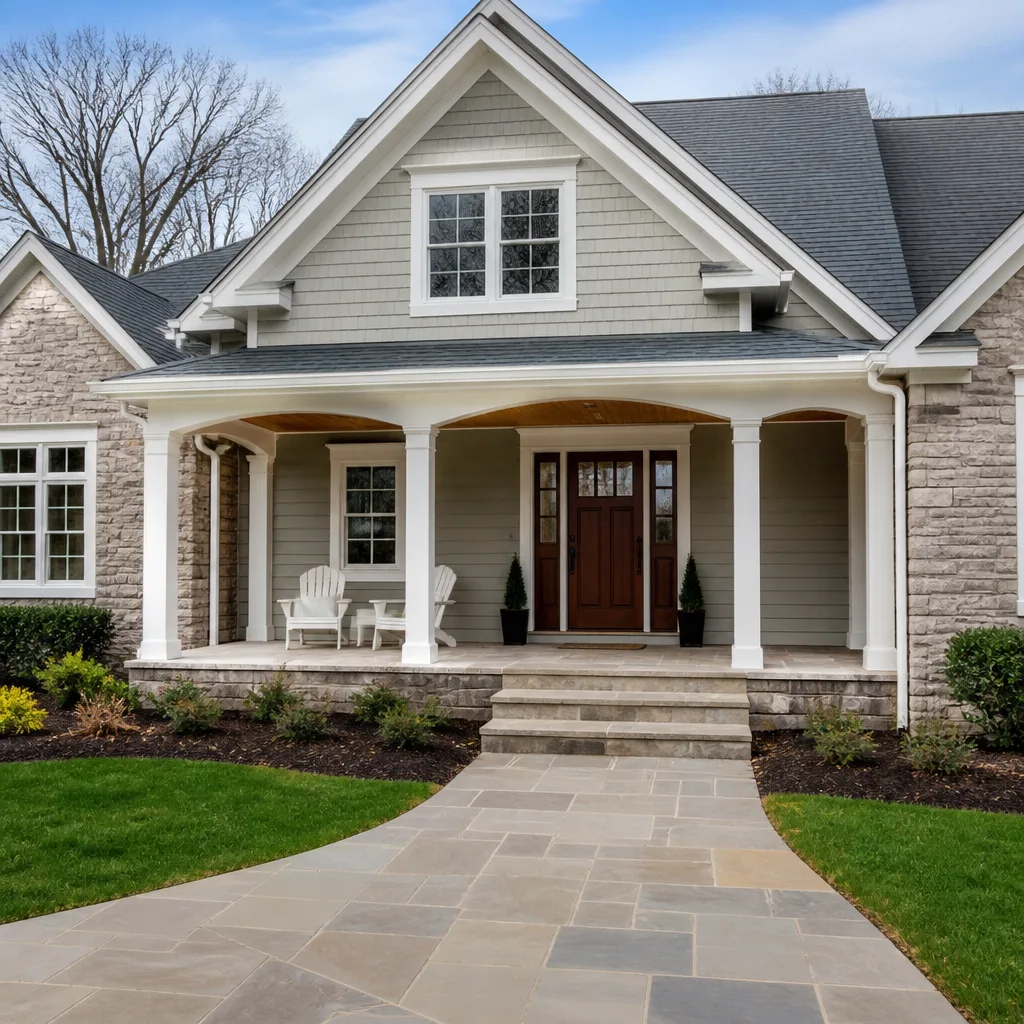
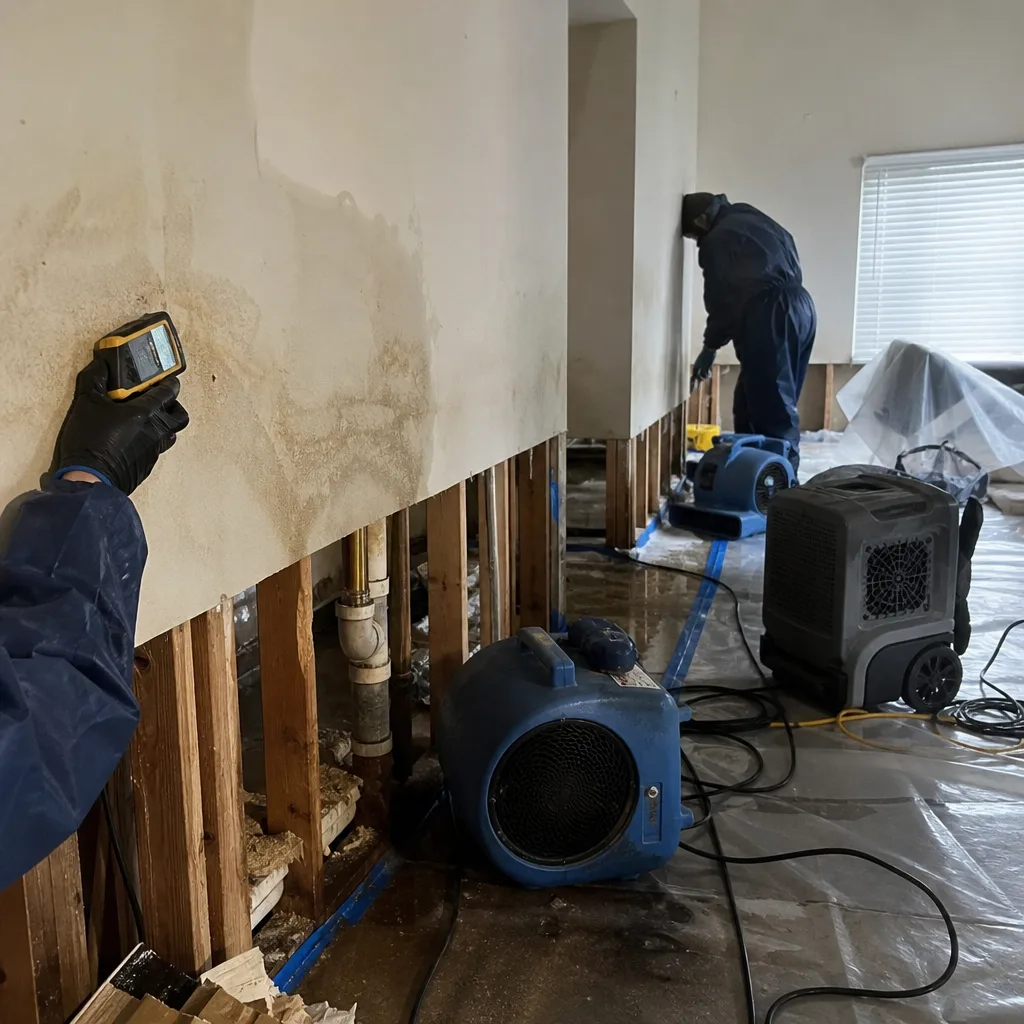 Before
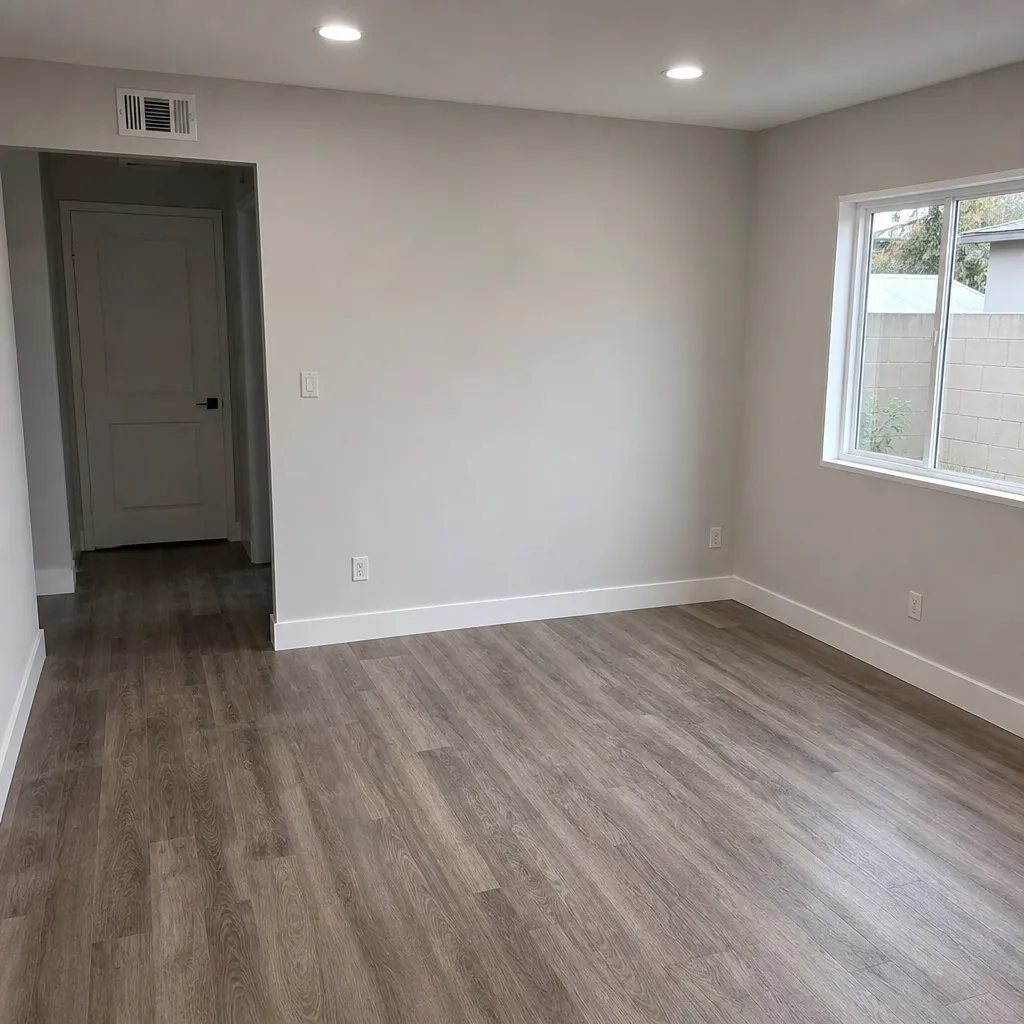 After
After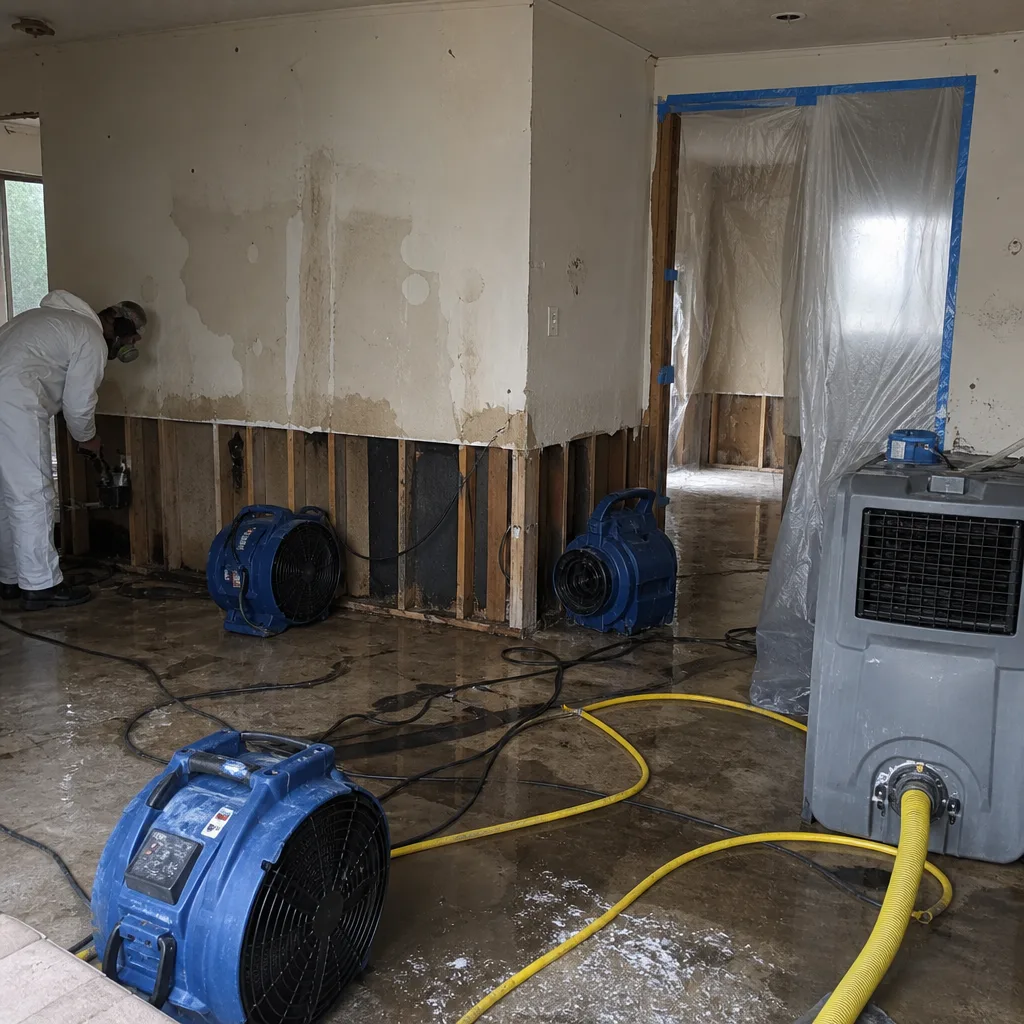 Before
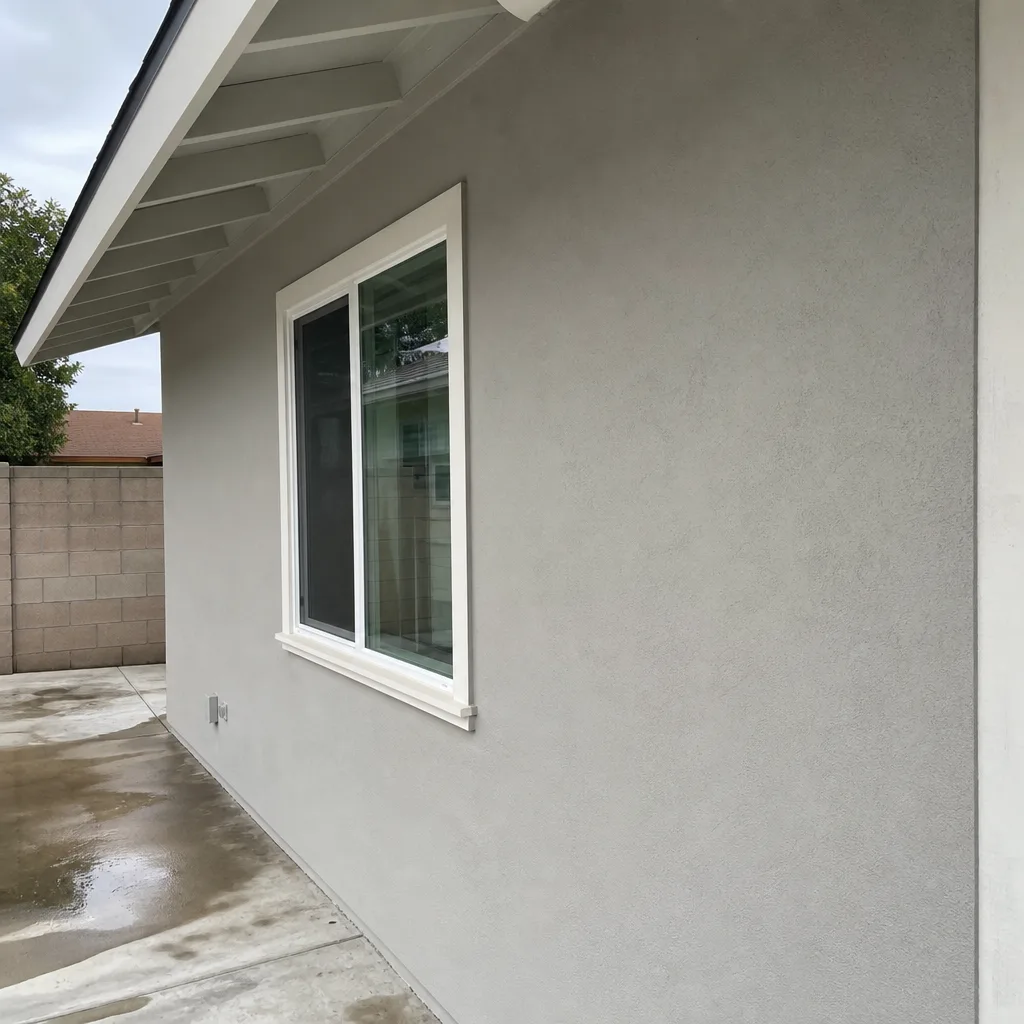 After
After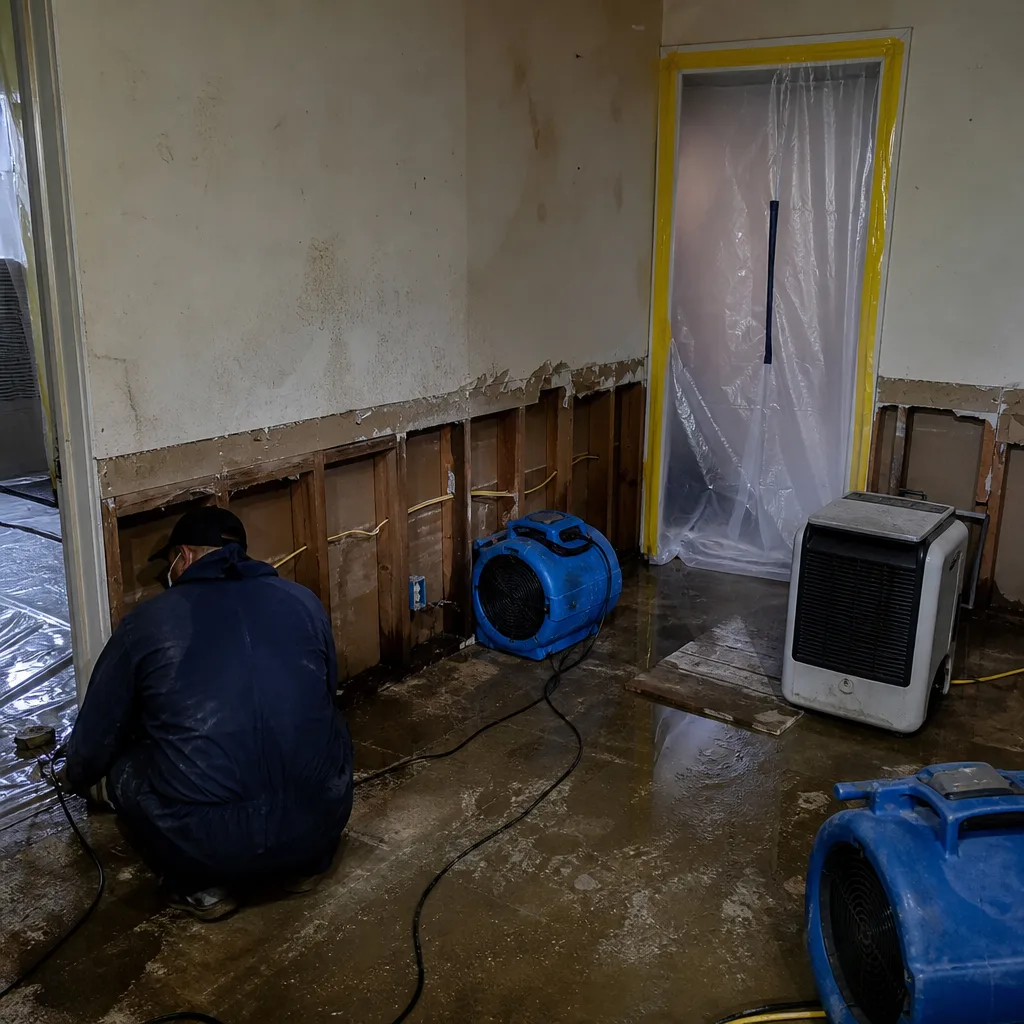 Before
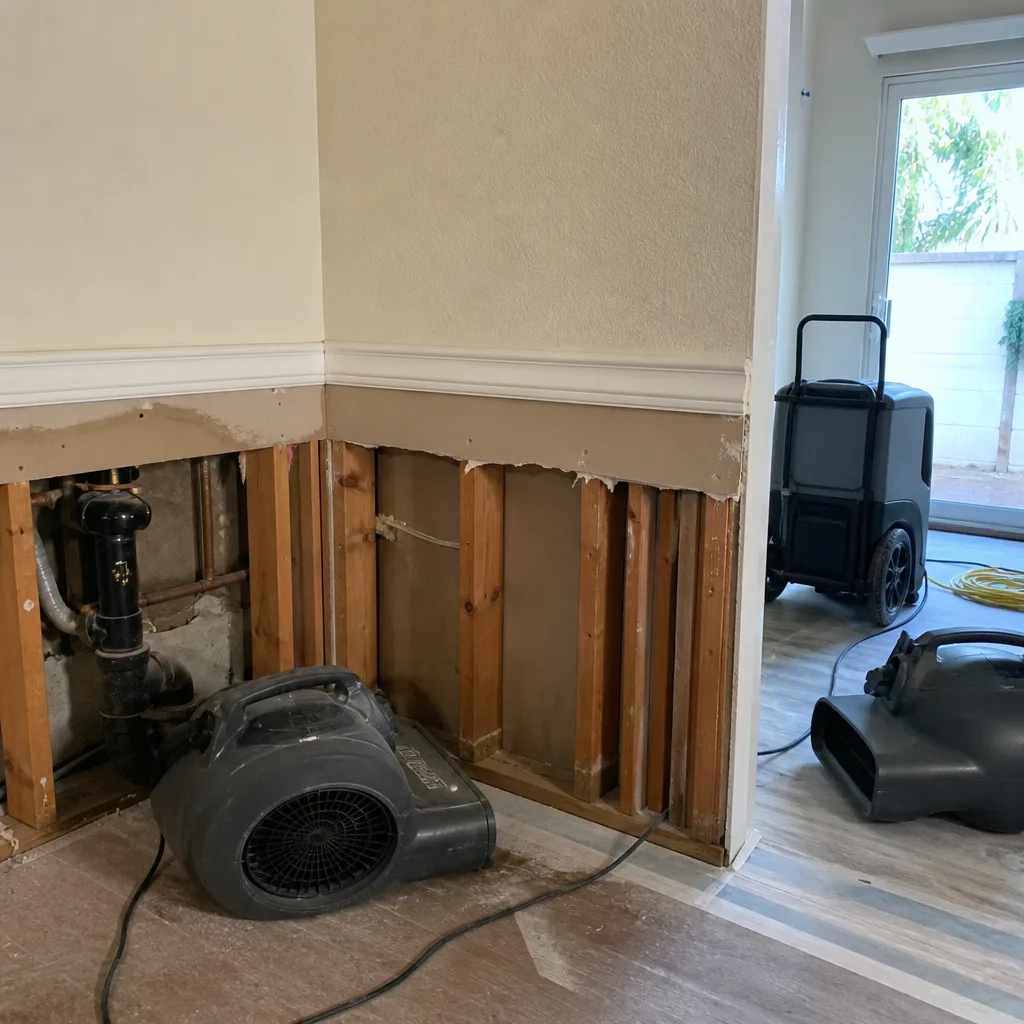 After
AfterFast, Reliable Water Damage Restoration Across Long Beach
Water damage restoration in Long Beach typically costs $2,800-$6,500 for a standard residential mitigation, with emergency extraction running $1,200-$2,400 and structural drying adding $1,600-$4,100 depending on square footage and material classification. Most Long Beach homeowners see our crew on-site within 45-60 minutes of calling (562) 600-5083, because we dispatch from our Los Angeles office and know the difference between a Belmont Shore slab-on-grade and a California Heights raised foundation. When water is still moving, that local knowledge determines whether your drying log shows a three-day or a ten-day cycle, and whether your insurer pays the invoice without a fight.
We’ve restored water damage in Long Beach since 2011, and we’ve learned that this city doesn’t behave like its inland neighbors. The combination of oil-field subsidence, Newport-Inglewood seismic risk, and pre-1950 housing stock creates failure patterns a generic moisture map won’t catch. Our Water Damage Restoration team documents every reading, every photo, and every written scope to The Haven Standard so your claim has evidence, not promises.
Why DryMark Restoration Cerritos Is Long Beach’s Preferred Water Damage Restoration Company
Back to Dry Restoration, led by Alicia Brennan, has completed over 12,000 documented restorations since 2011. Long Beach homeowners account for a significant share of that work, particularly in the zip codes clustered around the port and the older neighborhoods east of the Los Angeles River. Our reviews from Long Beach customers consistently cite two things: the written price that arrived before any equipment crossed the threshold, and the photo record that showed exactly what was wet, what dried, and when.
Response time to Long Beach averages under an hour for emergency calls, because our crews know the arterial routes: Pacific Coast Highway for Belmont Shore and Naples, Anaheim Street for the Wrigley area, Willow Street for California Heights and Carroll Park. We don’t rely on GPS alone. We know which blocks in West Long Beach sit on fill soils that complicate extraction, and which Bluff Park bungalows have original lath-and-plaster walls that hold moisture differently than modern drywall.
That local specificity matters when your adjuster reviews the file. A drying log that names the neighborhood, cites the equipment by model, and documents moisture readings by room is a drying log that gets paid. Haven Standard, Clause 1: written price before work begins. Every time.
Our Water Damage Restoration Services in Long Beach
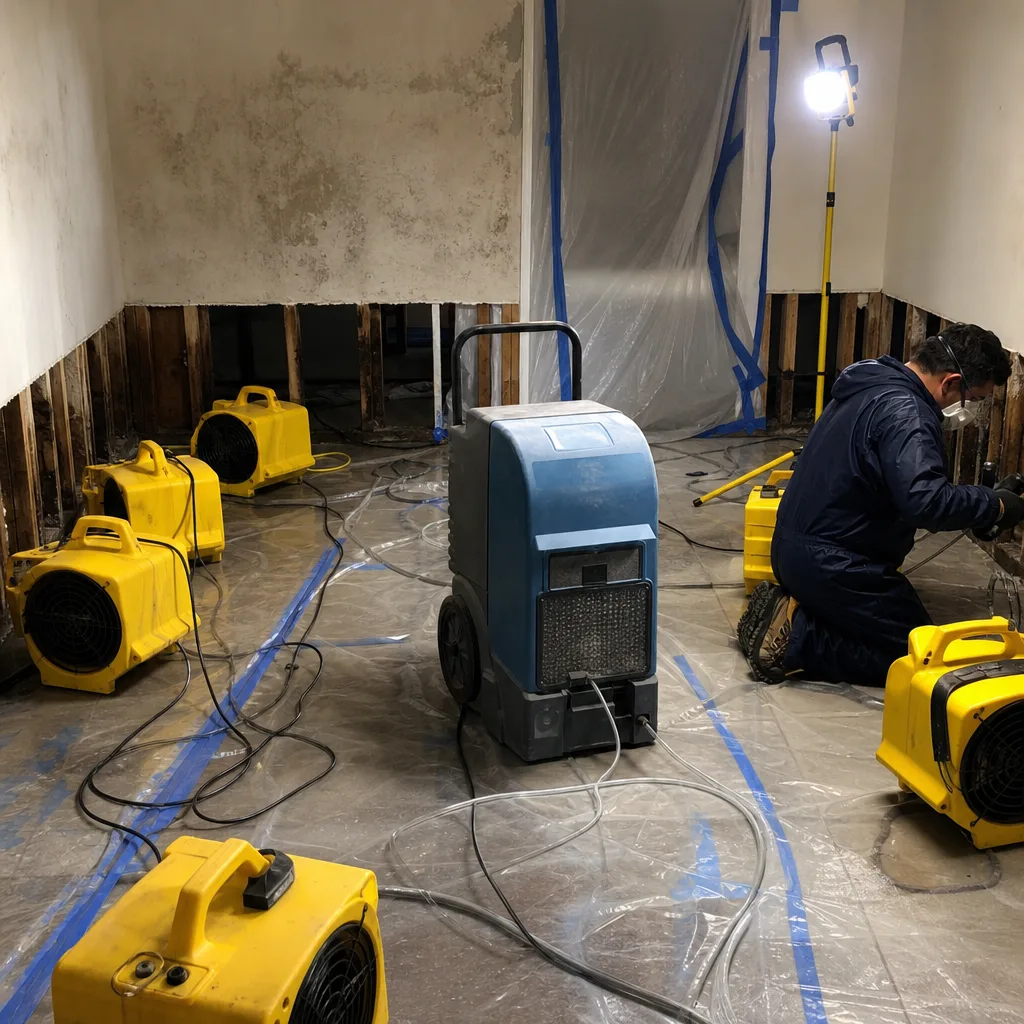
Emergency Water Extraction
When a supply line fails in a Long Beach home, the first 2-4 hours determine the scope of everything that follows. Our extraction teams deploy truck-mounted systems and portable submersibles to remove standing water before it reaches wall cavities or subflooring. In West Long Beach near the port, we routinely find that water has already migrated along legacy foundation cracks caused by decades of oil-field subsidence, so extraction includes targeted probing of slab perimeters and adjacent rooms that a standard assessment might miss. The written scope reflects what we find, not what we guess.
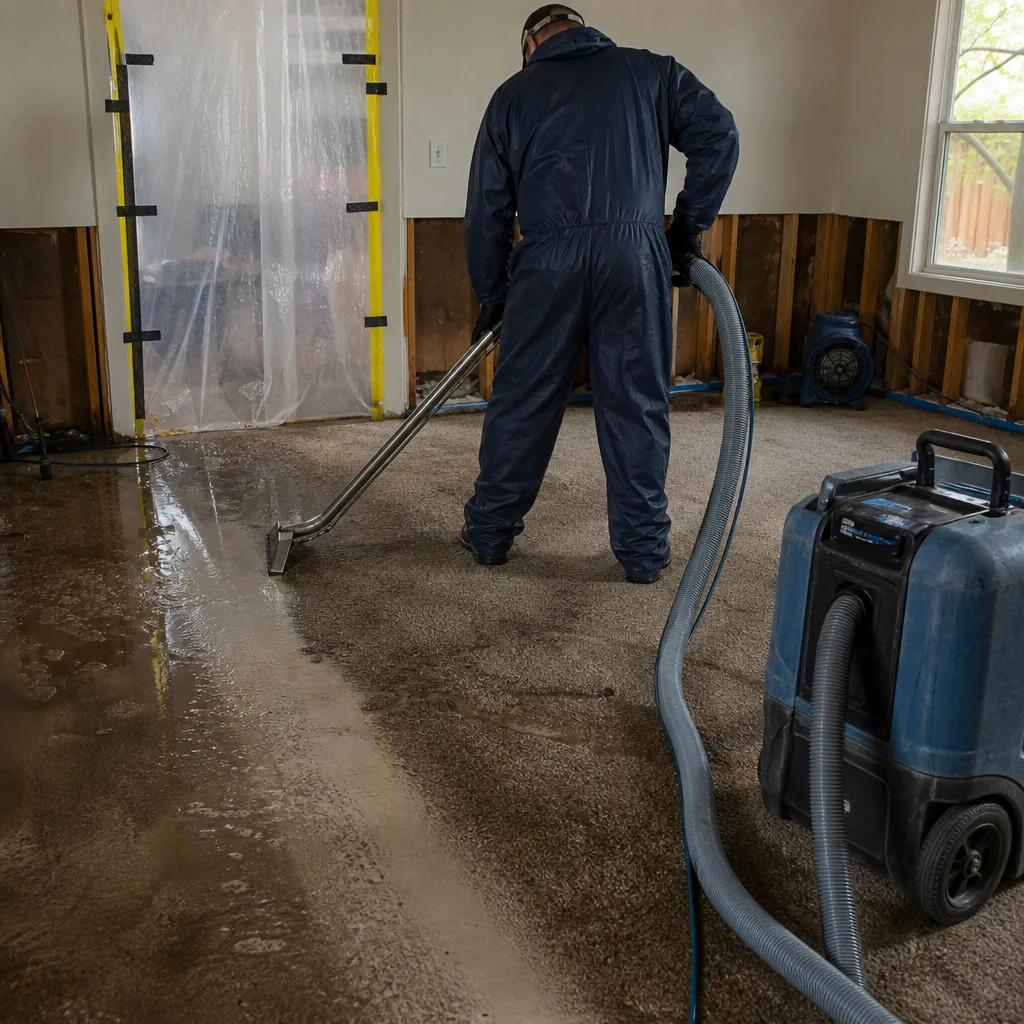
Structural Drying & Dehumidification
Long Beach’s persistent marine layer keeps ambient relative humidity elevated even on clear days, which means drying equipment runs longer here than in inland cities like Downey or Whittier. We calculate psychrometric targets, vapor pressure differentials, and specific humidity ratios for each job, then document daily readings from Dri-Eaz and Phoenix dehumidifiers and XPOWER air movers. A post-war stucco fourplex in California Heights called us after a slow supply-line leak under the kitchen slab, and the homeowner’s own moisture readings kept reading dry at the baseboard. Our tech ran moisture mapping with Injectidry probes and Dri-Eaz meters and found the moisture had wicked sideways through a 1920s foundation crack left by decades of subsidence, so we set containment, laid drying logs with Phoenix and XPOWER air movers, and ran dehumidification four extra days before we could write clearance. The rebuild only started after an asbestos test cleared the original floor tile, which is routine in that housing stock.
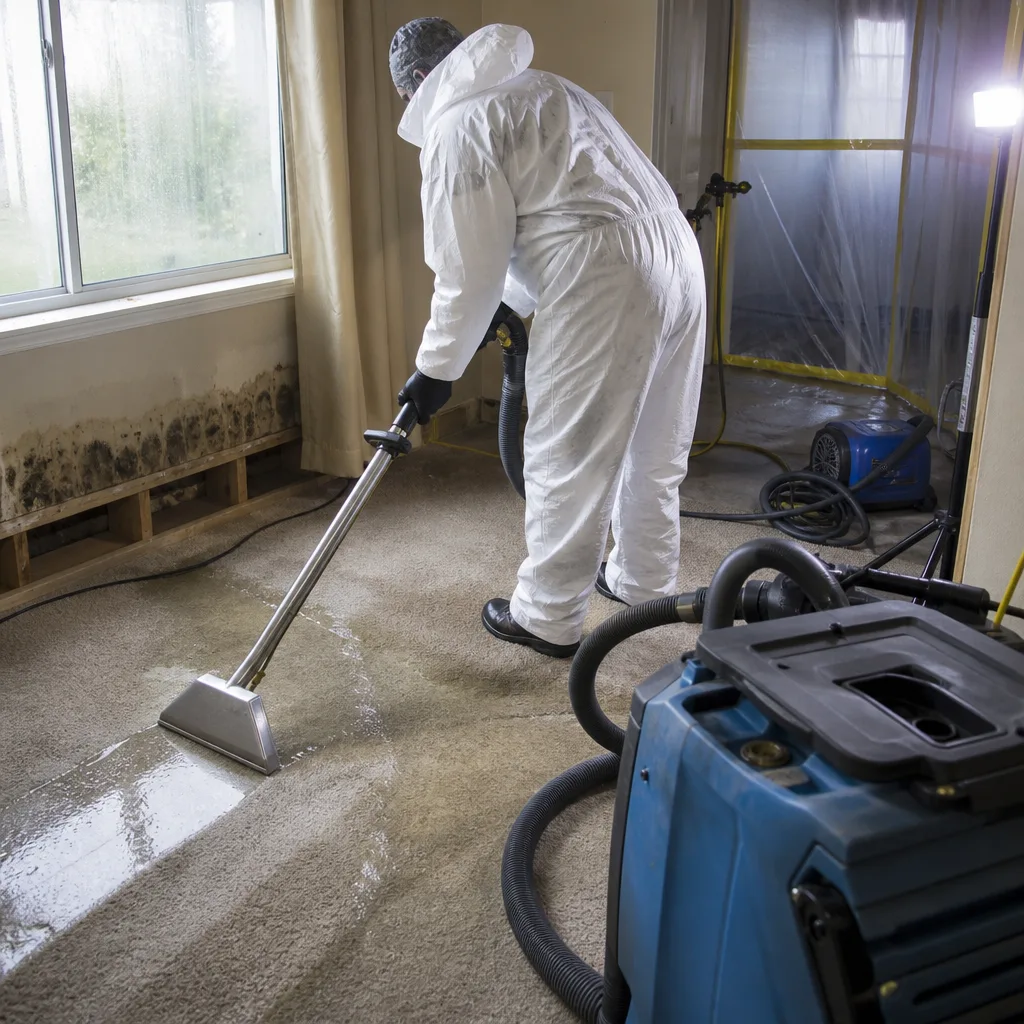
Flood Cleanup
Long Beach flood damage ranges from seasonal storm intrusion in low-lying Belmont Shore to sewage backflow in older mains near downtown. Category 3 losses require full PPE, antimicrobial application, and disposal protocols that we document photographically for every cubic foot of affected material. Our scopes specify exactly what gets removed, what gets treated in place, and what gets rebuilt, with line-item pricing before demolition begins. The Haven Standard, Clause 1 applies to flood cleanup exactly as it applies to a clean water loss: no work starts without a written price.
Burst Pipe Restoration
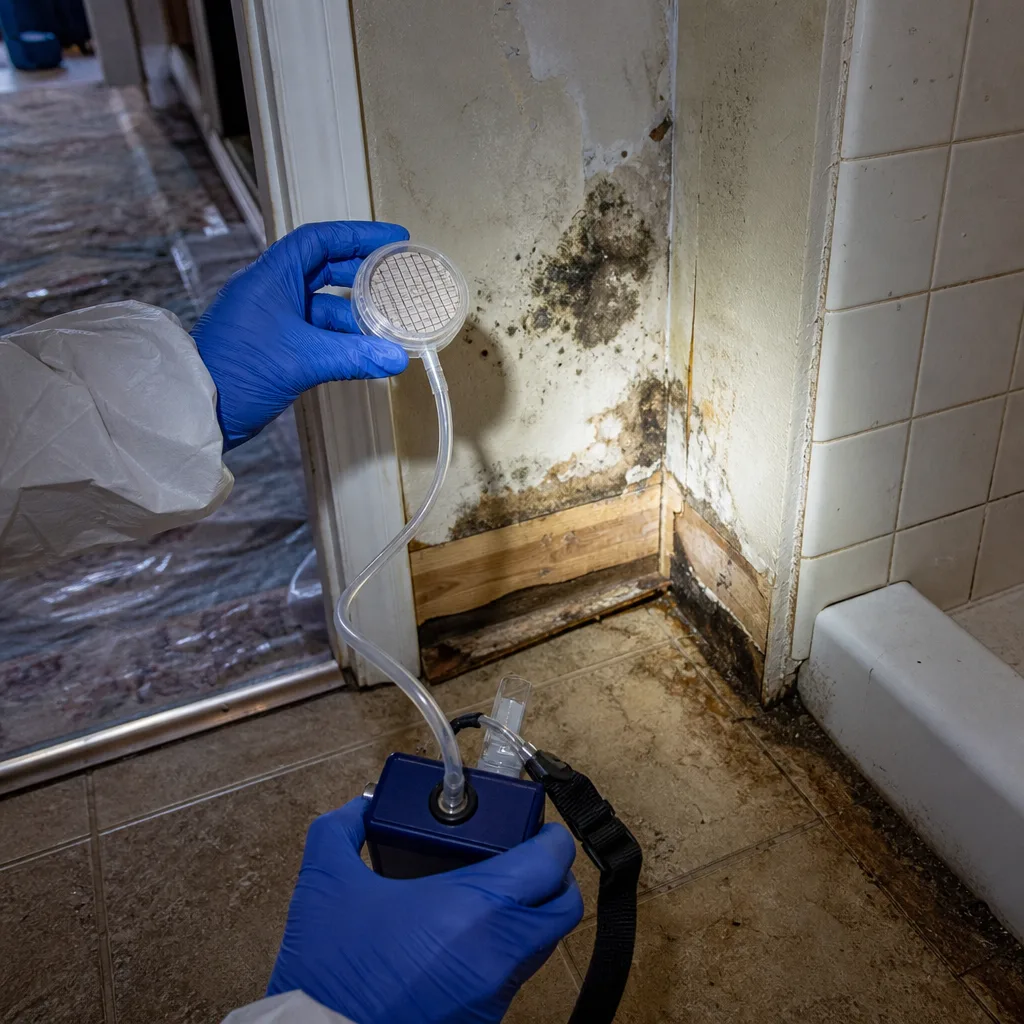
Long Beach’s salt-laden coastal air corrodes galvanized supply lines and roof flashing faster than inland cities just 10-15 miles east, so burst pipe calls here often reveal systemic deterioration rather than isolated failure. Our crews don’t just repair the break; we photograph the surrounding line, document corrosion patterns, and specify whether retrofitting with copper or PEX is warranted under the scope. In port-adjacent neighborhoods, we also check for sub-slab voids where leaked water may have pooled undetected. The written scope includes both the immediate repair and the recommended preventive work, priced separately so you can decide.
What happens when you call
- 1
A real person answersNo phone trees - you reach a local pro.
- 2
You get an upfront price rangeHonest numbers before anyone is dispatched.
- 3
A background-checked tech heads outLicensed & insured, dispatched right away.
- 4
You approve before work beginsNothing starts until you say go.
BeforeAfterTrusted Brands We Service in Long Beach
Our equipment inventory for Long Beach includes professional-grade drying systems from Dri-Eaz, Phoenix, and XPOWER, with Injectidry systems for targeted wall and cavity drying. We stock HEPA filtration and negative air machines sized for the older, smaller rooms typical of California Heights and Bluff Park Craftsman bungalows, not just the open plans of newer construction. All work is documented to IICRC, RIA, and IFA standards, and our daily drying logs cite equipment by serial number, runtime, and psychrometric output so your adjuster can verify every hour billed.
Common Water Damage Restoration Problems We See in Long Beach Homes
- Subsidence-driven moisture migration in West Long Beach. Techs dry to a standard moisture map and call it done, missing moisture that has migrated along legacy subsidence cracks and sub-slab voids, leading to callbacks once mold shows up on original lath or drywall inside 24-48 hours. We probe beyond the obvious wet zone.
- Asbestos and lead paint in pre-1950 bungalows. Crews begin structural drying or pack-out on 1910s-1940s Craftsman bungalows in Bluff Park or Carroll Park before confirming asbestos pipe insulation, floor tile, or lead paint, forcing a stop-work and licensed abatement mid-mitigation. We test first, document the result, and build abatement into the initial scope when indicated.
- Salt-air corrosion on galvanized systems near the port. Restoration scopes underestimate salt-air corrosion on galvanized supply lines and roof flashing, so a “repaired” burst pipe or ceiling leak returns within months rather than being retrofitted. We photograph the full run and specify replacement where corrosion exceeds acceptable thresholds.
- Marine layer humidity extending dry times. The persistent coastal marine layer keeps relative humidity elevated even without rain, accelerating mold colonization inside older bungalows and poorly ventilated apartment walls. We size dehumidification capacity for actual local conditions, not textbook inland assumptions.
Pricing for Water Damage Restoration in Long Beach, CA
These ranges reflect what we quote in writing for Long Beach residential work under The Haven Standard, Clause 1:
| Service | Typical Range in Long Beach |
|---|---|
| Emergency water extraction (up to 1,500 sq ft) | $1,200 - $2,400 |
| Structural drying & dehumidification (3-5 day cycle) | $1,600 - $4,100 |
| Category 3 flood cleanup with disposal | $3,500 - $7,800 |
| Burst pipe restoration with line replacement | $2,200 - $5,600 |
| Asbestos/lead abatement add-on (when required) | $1,800 - $4,500 |
Factors that move Long Beach jobs toward the higher end: subsidence-affected foundations requiring extended probing and longer dry cycles, pre-1950 housing stock with asbestos-containing materials requiring licensed abatement before rebuild, and salt-corroded plumbing needing full-line retrofit rather than point repair. Every scope is written, line-itemed, and signed before work begins. Bring a competitor’s written estimate and we’ll review it free under our Free Second Opinion policy. Call (562) 600-5083.
We Also Serve Cities Near Long Beach
Our crews respond daily to Water Damage Restoration in Long Beach and the surrounding communities: Signal Hill, Seal Beach, Lakewood, and Compton. Dispatch and scheduling are coordinated from our Los Angeles office, with local crews deployed to each city based on real-time availability and the specific equipment a job requires.
Serving Long Beach, CA - Our Local Coverage Area
We’re based in the Long Beach area and know this community well. Use the map below to see our service coverage - if you’re nearby, we can almost certainly help.
FAQs - Water Damage Restoration in Long Beach
The legacy of up to 29 feet of harbor-area subsidence left thousands of west-side and port-adjacent slabs permanently out of plane, so water from a single supply-line failure often migrates along old foundation cracks and sub-slab voids in directions a standard moisture map can’t predict. We use Injectidry probe systems and extended moisture mapping to trace these hidden pathways, then document the full affected area in your drying log before setting equipment. Call (562) 600-5083 for a free assessment with written findings.
Yes. The persistent coastal marine layer keeps relative humidity elevated even on days without rain, which accelerates mold colonization inside older bungalows and poorly ventilated apartment walls. Inland cities like Downey or Whittier dry faster naturally; Long Beach requires sized dehumidification capacity and longer monitoring cycles. Our daily drying logs track specific humidity and vapor pressure to prove when a structure is actually dry, not just when it feels dry. Call (562) 600-5083 for a written dry-cycle estimate.
Work stops immediately, containment is established, and a licensed abatement contractor is engaged under a separate, written scope. We test for asbestos-containing floor tile, popcorn ceiling texture, and pipe insulation, and for lead paint on pre-1978 surfaces, before any demolition or drying that would disturb these materials. The initial scope includes contingency language for this possibility, so there are no surprise additions once the crew is inside. Haven Standard, Clause 1 applies to abatement too: written price before work begins. Call (562) 600-5083 to review our testing protocol.
Long Beach’s salt-laden coastal air corrodes galvanized supply lines and roof flashing faster than inland cities just 10-15 miles east, so we photograph the full plumbing run and specify retrofit with copper or PEX when corrosion exceeds acceptable thresholds, rather than performing a point repair that will fail again. Additionally, the Newport-Inglewood Fault Zone creates seismic stress on connections that inland cities don’t experience. Our scopes separate immediate repair from recommended retrofit, priced independently, so you can decide with full information. Call (562) 600-5083 for a written scope.
Yes. Category 3 losses, sewage or ground water, require removal of porous materials that absorb contamination, carpet pad, drywall to 4 feet minimum, and insulation, while category 1 clean water losses often allow in-place drying of structural materials if addressed quickly. The salvageable percentage drops sharply with category 3, and our scopes specify exactly what is removed versus treated, with photographic documentation for your adjuster. The written price reflects this distinction before any demolition begins. Call (562) 600-5083 for a free assessment and written scope.
Back to Dry Restoration serves Long Beach with documented, written-scope water damage restoration backed by the 365-Day Done Right Promise. Every job starts with a written price, includes a photo record on every visit, and produces daily drying logs to IICRC, RIA, and IFA standards. Live phone coverage is available 24 hours a day, 7 days a week with no voicemail on emergency lines. For a free estimate with a written scope before any work begins, call (562) 600-5083.
Written by Alicia Brennan, Owner at Back to Dry Restoration, serving Long Beach since 2011.