
Last updated September 23, 2026
Free visual inspection and a written scope of work before any mitigation begins - photos, moisture readings, and drying logs go in your claim file
The scope we write is the scope we bill. Anything new gets shown to you, in writing, before we touch it.
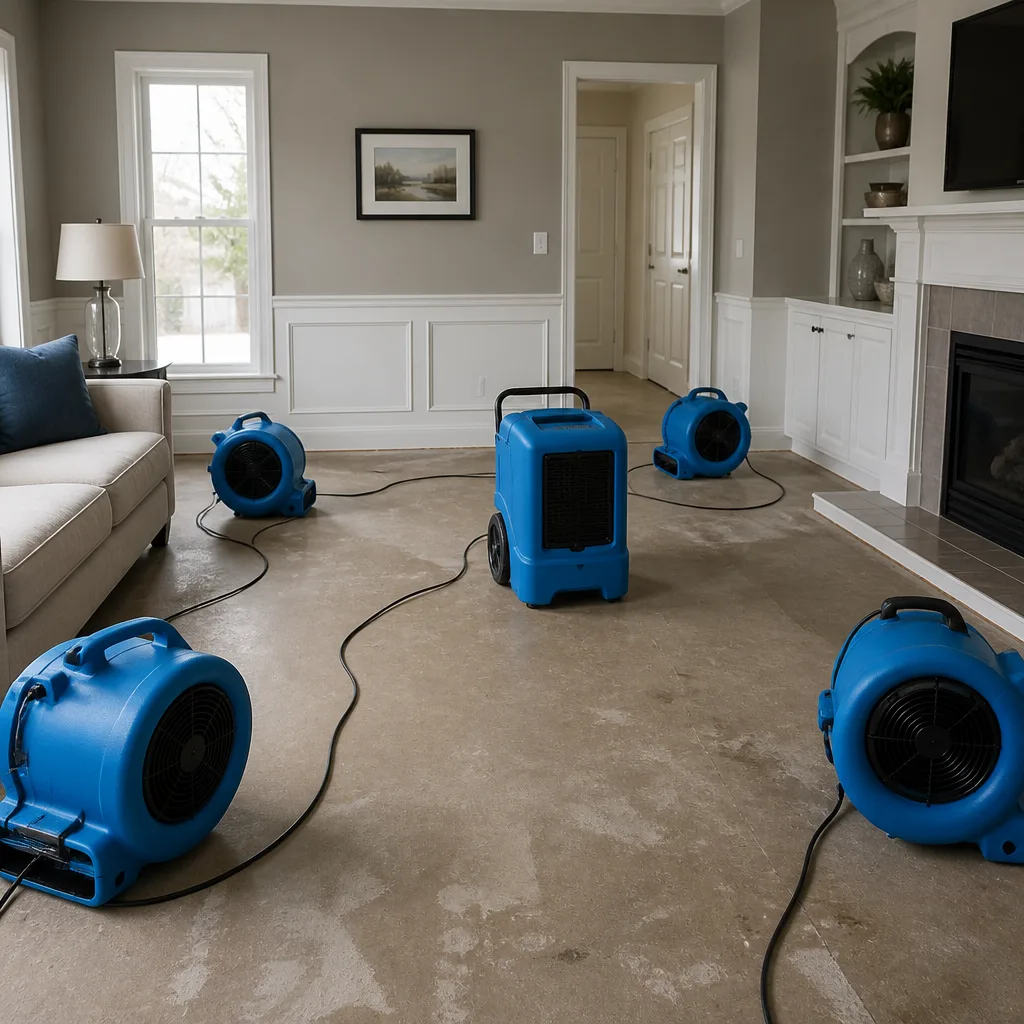

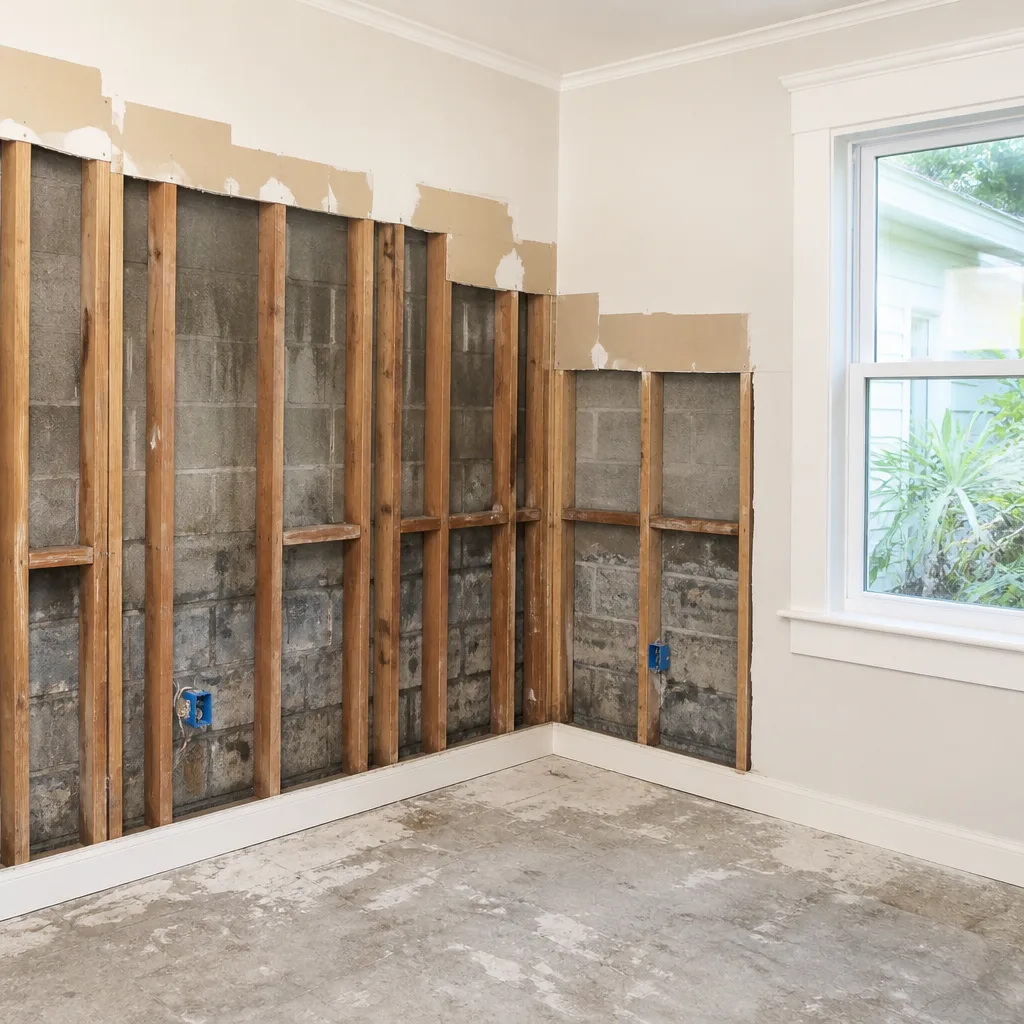

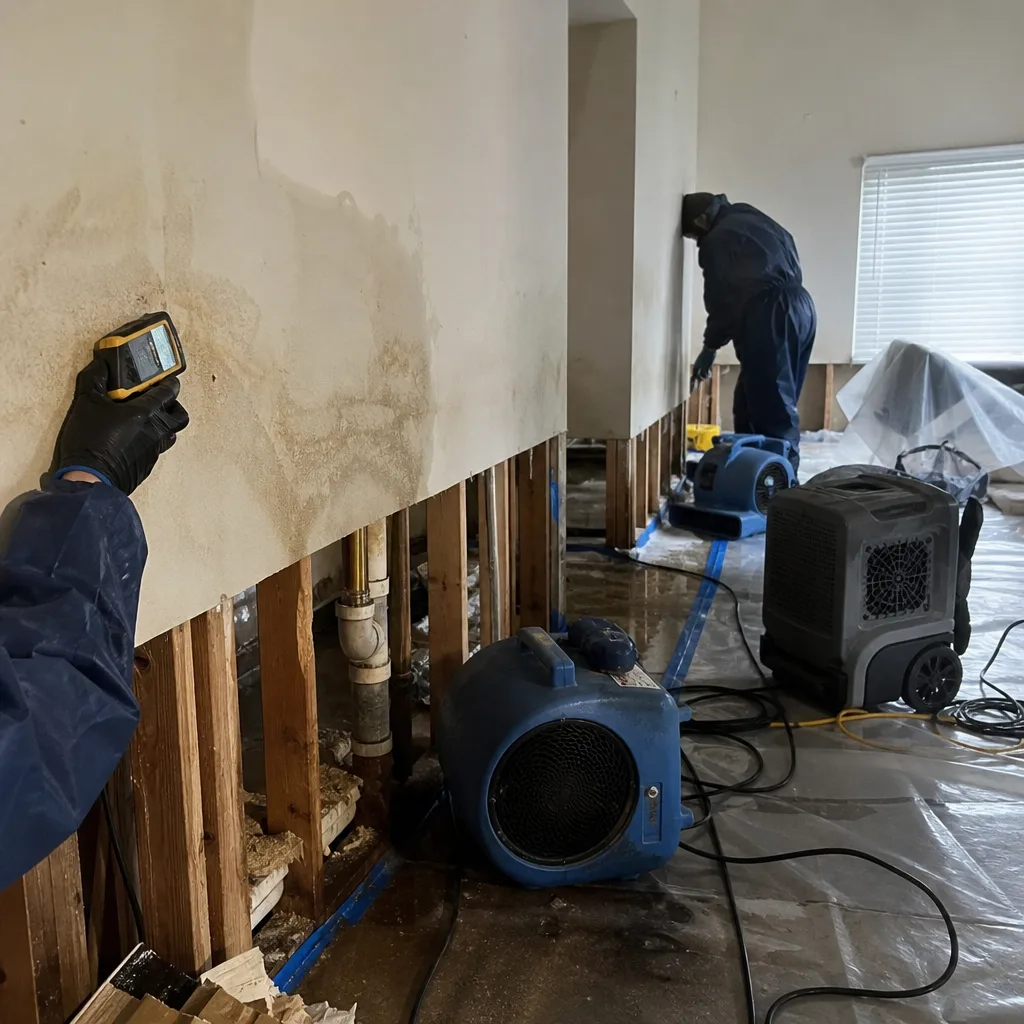 Before
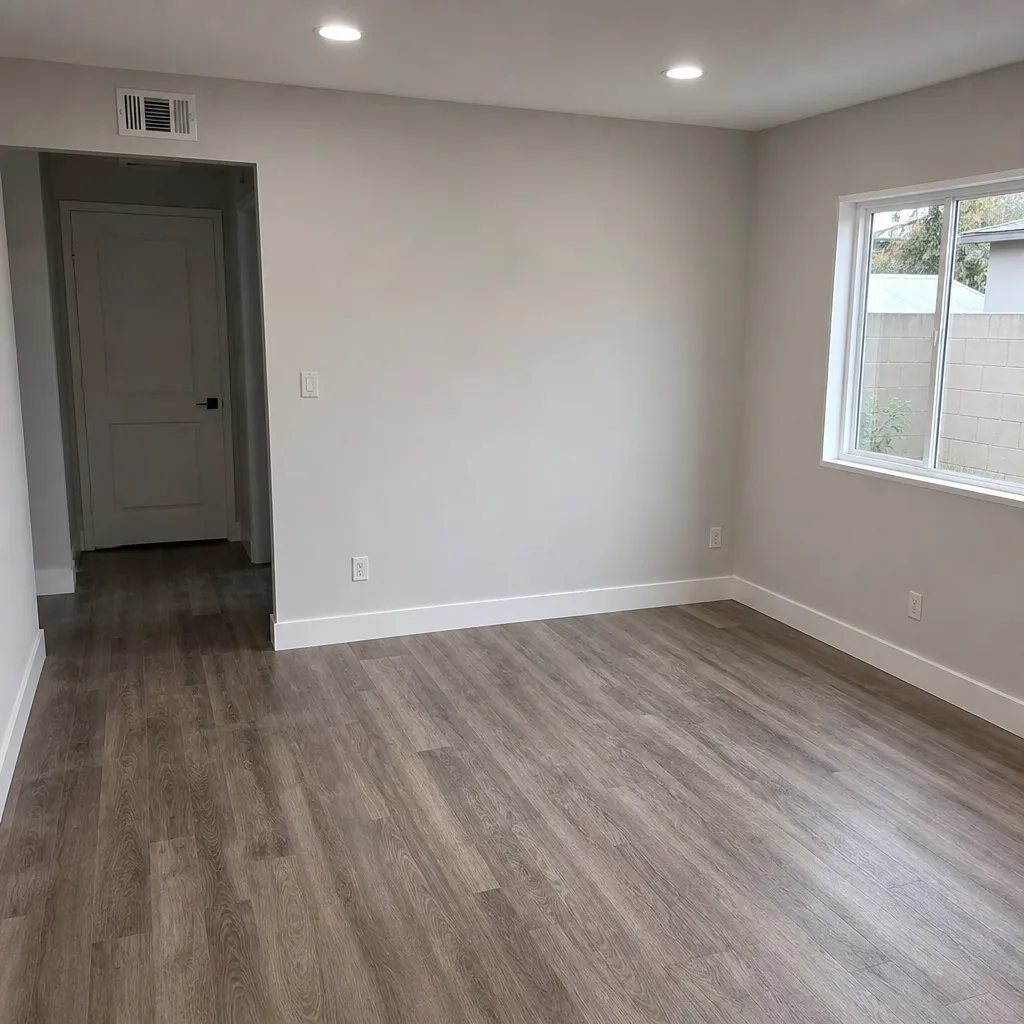 After
After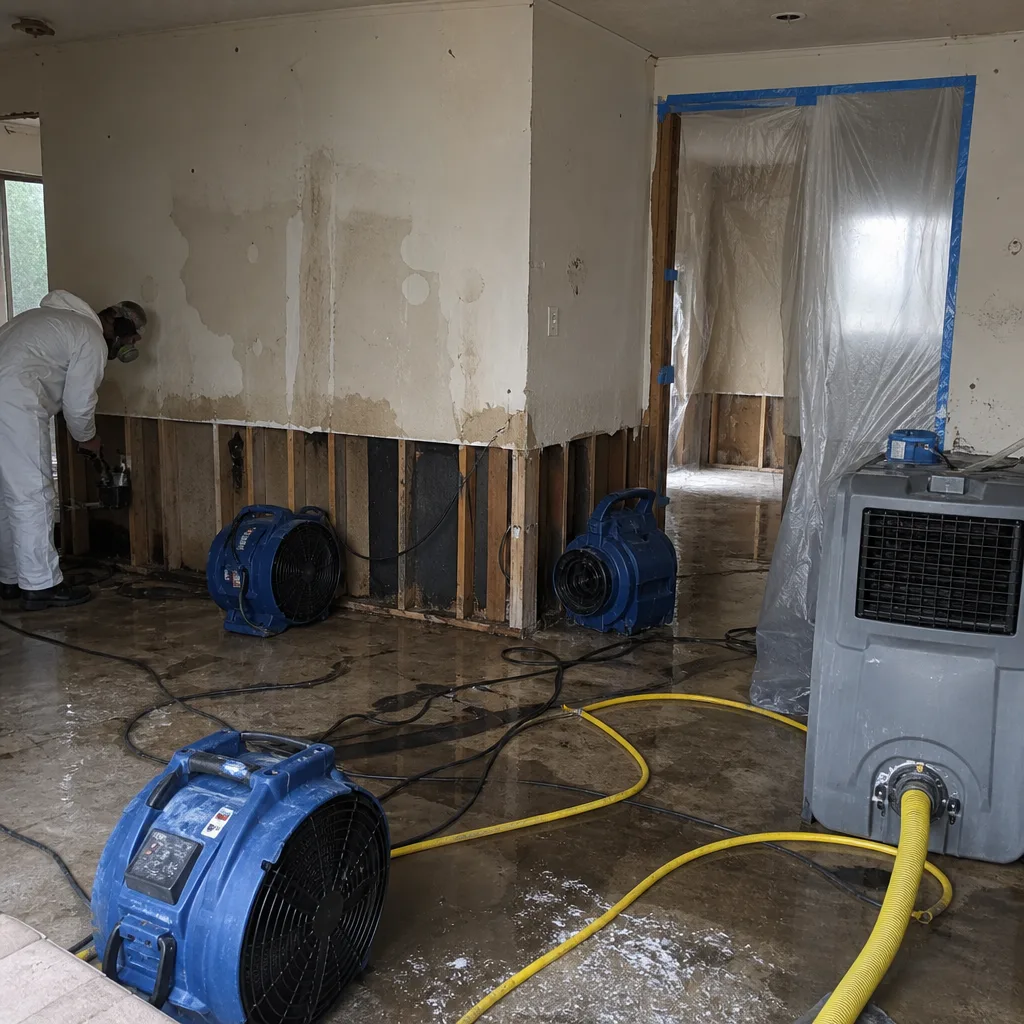 Before
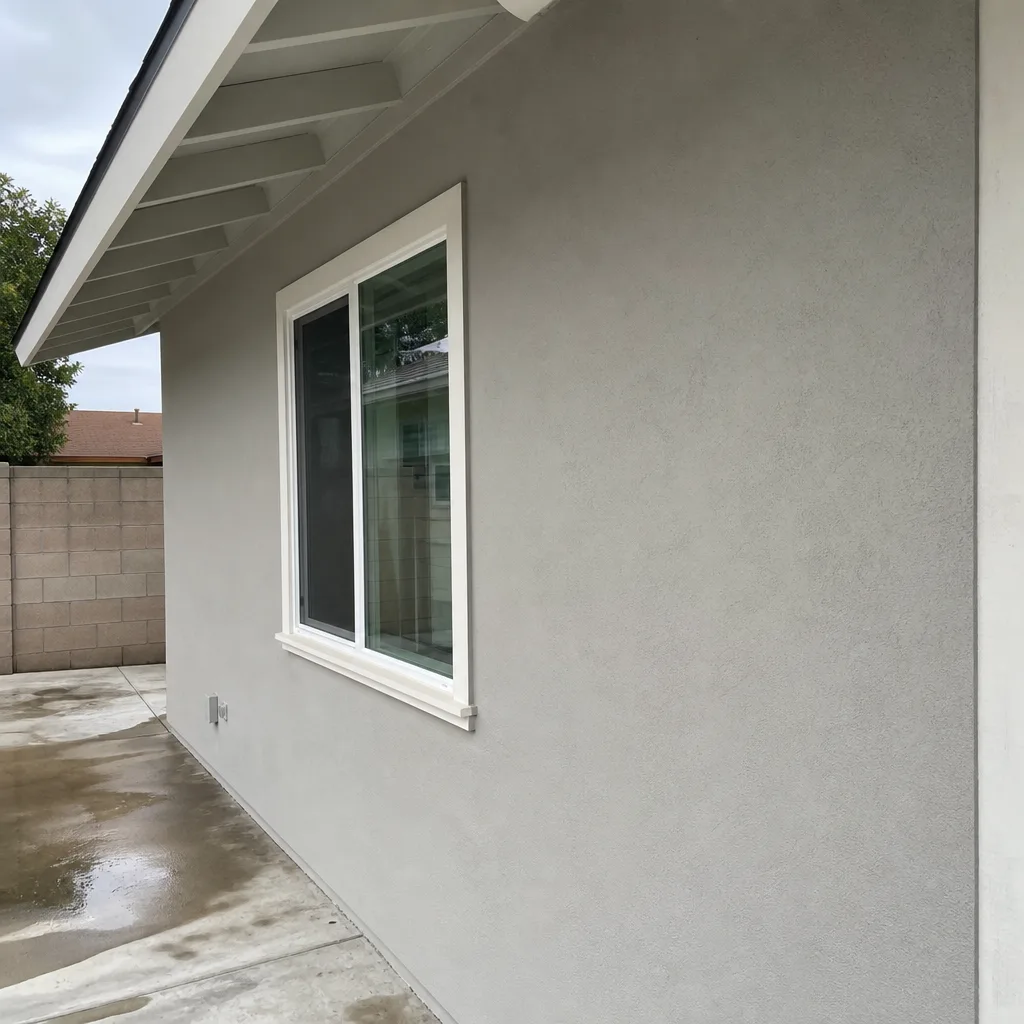 After
After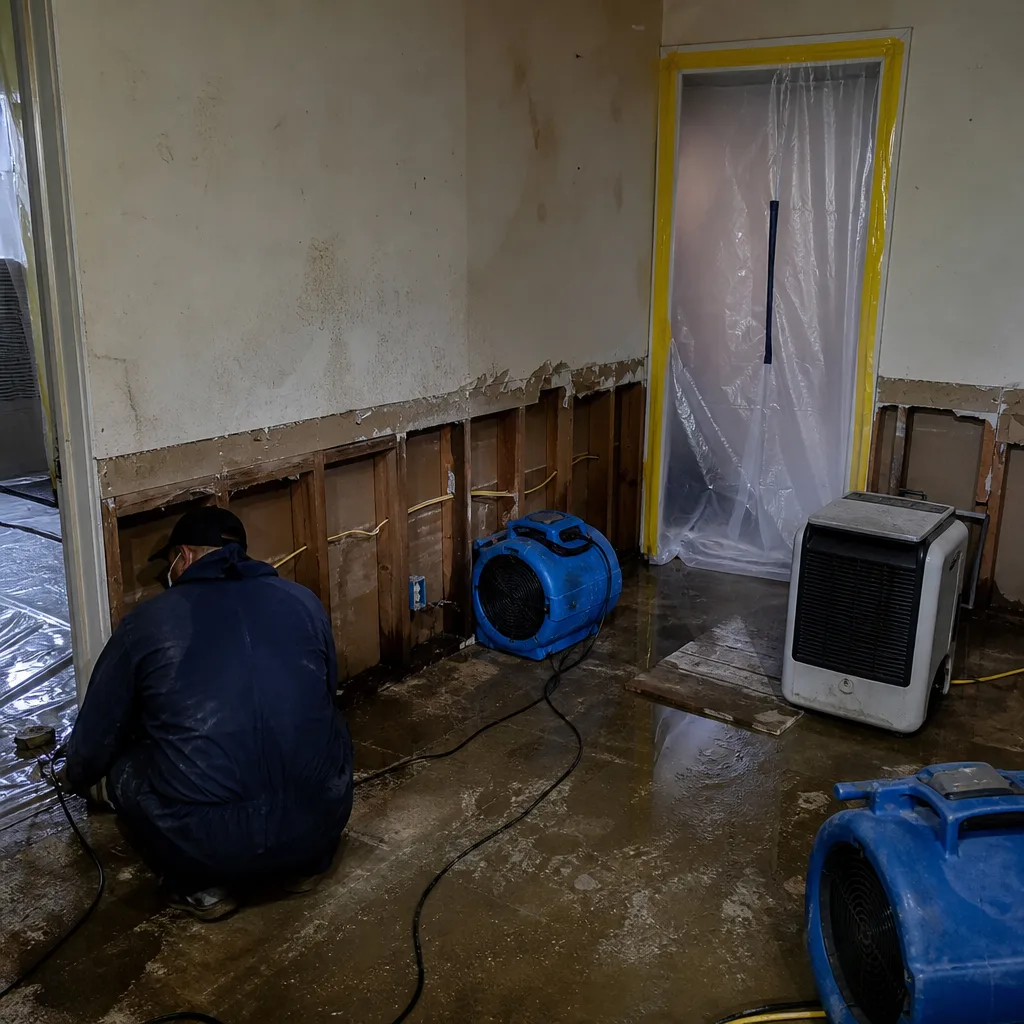 Before
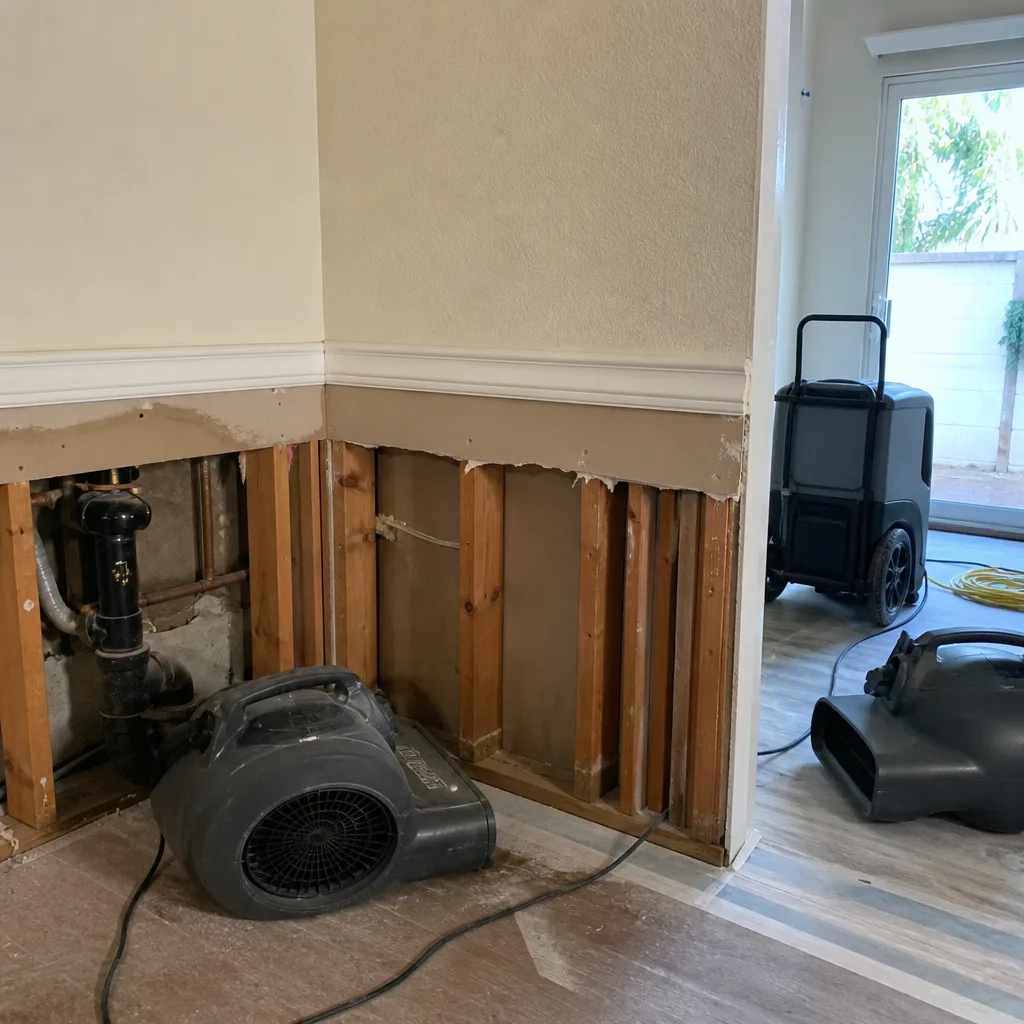 After
AfterHow to Hire a Damage Restoration Contractor in Cerritos: A Step-by-Step Guide
A contractor can hold a valid CSLB license and an IICRC certification and still produce drying logs so vague that your insurer’s adjuster rejects the invoice on the first pass. We’ve seen it happen in Cerritos homes from Park East to the neighborhoods near Don Knabe Community Regional Park. After 12,000 restorations, we’ve learned that the question homeowners should ask before signing isn’t “are you licensed?” - it’s “what does your documentation package look like?” Licensing proves legal permission to work. Documentation proves the work happened, where, and to what standard. This guide - alongside The Complete Guide to Damage Restoration in Cerritos - turns that single question into a complete hiring process you can run in an afternoon.
Quick Answer
To hire a damage restoration contractor in Cerritos, request four documents before signing any contract: a written scope of work, an itemized unit-price estimate, a written documentation protocol, and a certificate of insurance with additional insured endorsement. Verify the contractor’s CSLB license online in under two minutes, confirm they follow IICRC S500 drying standards with daily moisture logs, and reject any contract that shifts documentation responsibility to you after project completion. The right contractor in Cerritos prices work in writing before starting, documents every visit with photos, and provides a written warranty you can file with your claim.
Table of Contents
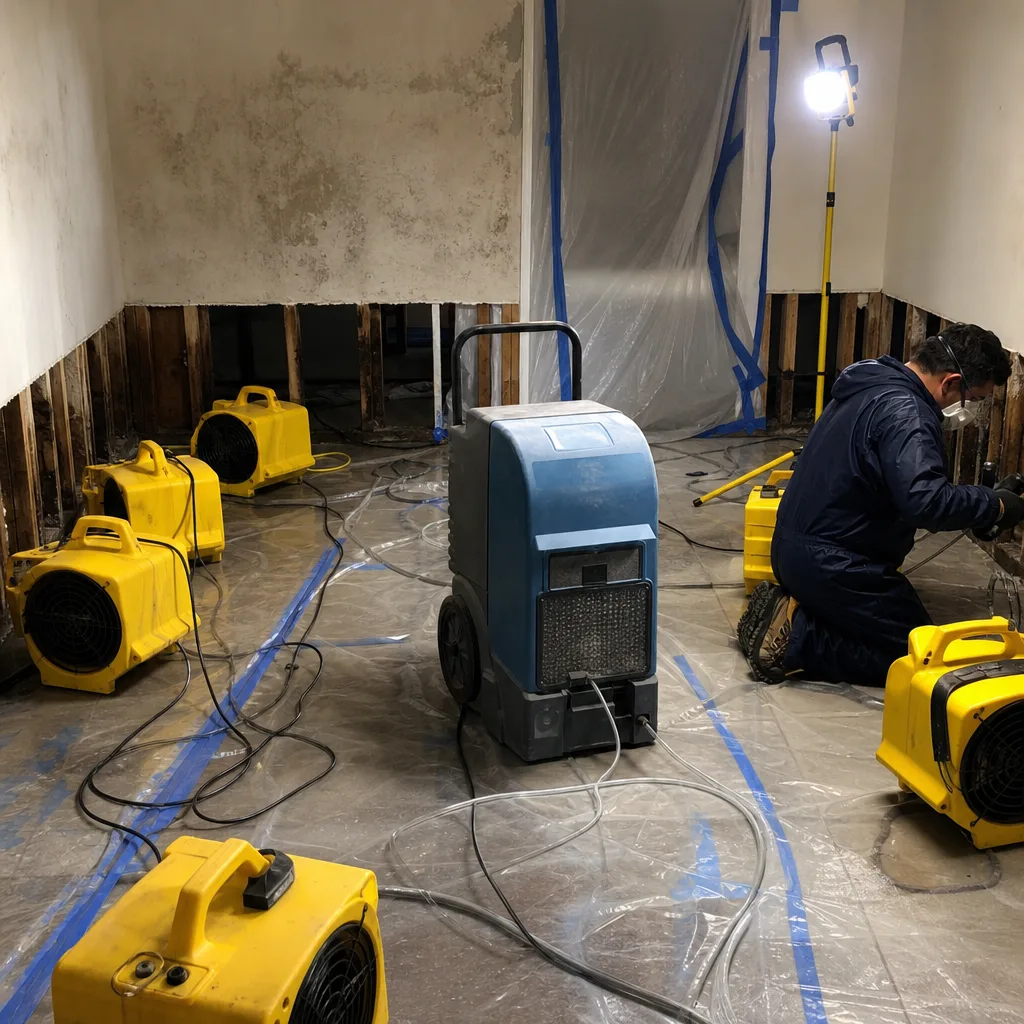
- Why Documentation Beats Licensing on the Claim
- The Four Documents to Request Before Signing
- How to Verify a California Contractor’s License in Two Minutes
- The Five-Question Phone Screen That Separates Real Technicians from Salespeople
- Red-Flag Contract Language That Costs Homeowners Their Claims
- Why “We Bill Your Insurance Directly” Can Hide Your Line Items
- Cerritos-Specific Considerations: Climate, Codes, and Common Loss Types
- Common Mistakes to Avoid
- When to Call a Professional
- Frequently Asked Questions
- The Bottom Line
BeforeAfterWhy Documentation Beats Licensing on the Claim
California requires a CSLB license for structural work over $500. IICRC certification shows a technician passed a written exam. Both are table stakes. Neither guarantees your insurer will pay the invoice.
Here’s what actually happens in Cerritos claim reviews. An adjuster receives a restoration bill with a single line: “Water mitigation, living room, $4,200.” No moisture readings. No drying log showing psychrometric data - that’s temperature, relative humidity, and vapor pressure differential readings taken daily to prove the environment was controlled. No photos with timestamps showing equipment placement and material removal. The adjuster denies or devalues the claim, and the homeowner receives a supplement request or a reduced payment.
The contractor who caused this problem was licensed. The technician was certified. The work might have been done correctly. But without documentation, there is no evidence.
At DryMark Restoration Cerritos home, we built our process around this gap. Our founder spent years as a claims adjuster before starting the company in 2011, watching homeowners lose legitimate claims because contractors treated documentation as an afterthought. The Haven Standard requires daily drying logs with specific moisture content readings by room, photo documentation on every visit with timestamps, and a written scope signed before work begins. When an adjuster reviews our file, they see the same documentation format they use internally. The invoice gets paid.
This is why your first screening question matters more than license verification. Ask: “Walk me through what documentation I receive, when, and in what format.” A contractor who hesitates, generalizes, or says “we’ll email you photos at the end” is telling you their paperwork won’t survive claim review.
The Four Documents to Request Before Signing
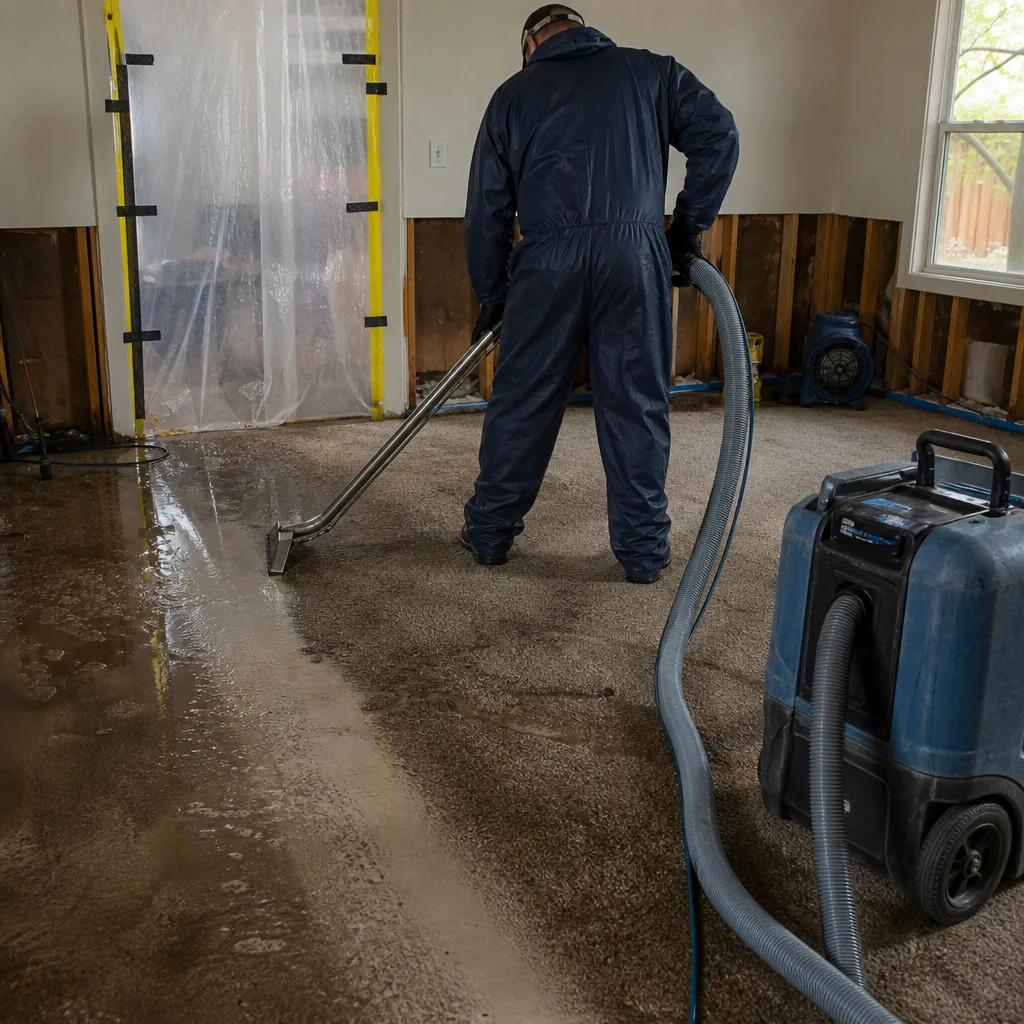
Never sign a restoration contract without reviewing these four documents. Each serves a specific purpose in protecting your claim and your property.
1. Written Scope of Work
This document defines what will be done, where, and in what sequence. For water damage, it should specify: affected rooms, square footage, material classification (Category 1, 2, or 3 water; Class 1-4 loss severity), equipment type and count, demolition scope if required, and drying duration estimate. For Mold Remediation in Cerritos, it should identify the contamination area by square footage, containment strategy, negative air pressure protocol, and post-remediation verification method.
Vague scopes read like marketing copy: “dry out affected areas.” Specific scopes read like engineering documents: “Install 3 Dri-Eaz Revolution LGR dehumidifiers and 6 Phoenix Axial Air Movers in living room (312 sq ft, Class 2, Category 1); monitor daily until moisture content in 3/4″ oak flooring reads below 16% per IICRC S500.” The second version gives an adjuster something to verify and approve.
2. Itemized Unit-Price Estimate
Haven Standard, Clause 1: written price before work begins. This means line-item pricing, not a single number. You should see: dehumidifier rental per day, air mover rental per day, labor hours by task, material costs per unit, and disposal fees by volume. Unit pricing lets you verify each charge against industry standards and lets your adjuster approve individual line items without rejecting the entire invoice.
A lump-sum estimate of $5,500 for “water damage cleanup” gives you no leverage if the scope changes. An itemized estimate lets you question why six air movers became eight, or why drying extended from three days to five. It also prevents the common tactic of billing equipment that was never deployed.
3. Documentation Protocol Description
This is the document most contractors don’t have. Ask for a written description of: how often moisture readings are taken, what equipment produces them, where readings are recorded, how photos are captured and stored, who has access, and in what format you receive everything. At DryMark Restoration Cerritos, our protocol specifies daily moisture logs using calibrated thermo-hygrometers, photo documentation with date and time stamps on every visit, and a complete file delivered within 48 hours of project completion. If a contractor cannot produce a written protocol, they don’t have one.
4. Certificate of Insurance with Additional Insured Endorsement
Request a certificate showing general liability, workers’ compensation, and pollution liability coverage. The additional insured endorsement names you or your property specifically, so you’re covered if a claim arises from the work. Verify the certificate directly with the insurance carrier - fake certificates are common in restoration. The coverage should be active for the project duration, not expiring next month.
How to Verify a California Contractor’s License in Two Minutes
License verification is necessary but insufficient. Here’s how to do it correctly, and what the results actually mean.
- Go to cslb.ca.gov and click “Check License.”
- Enter the six or seven-digit license number. Do not accept “pending” or “applied for” status.
- Verify the license classification matches the work. For structural drying and water mitigation, look for a B-General Building contractor or a C-61/D-64 (Non-specialized) classification. For reconstruction and build-back, B-General Building is required. A C-36 Plumbing license does not authorize structural drying. A C-20 Warm-Air Heating, Ventilating and Air-Conditioning license does not authorize demolition or reconstruction.
- Check “License Status” - it must read “Active.” “Inactive,” “Suspended,” or “Revoked” are automatic disqualifications.
- Review “Bond History” and “Workers’ Compensation Insurance” sections. An active bond is legally required. Workers’ comp is required if the contractor employs anyone, which every legitimate restoration company does.
- Click “Complaint Disclosure” to see if disciplinary action was taken in the past ten years.
The entire process takes under two minutes. Save a screenshot of the results page with the date visible.
What license verification does not tell you: whether the contractor documents work to insurance standards, whether their technicians are employees or subcontractors, whether equipment is owned or rented, and whether the company has ever had a claim denied for insufficient documentation. That’s why the four documents in the previous section matter more than the license check.
The Five-Question Phone Screen That Separates Real Technicians from Salespeople
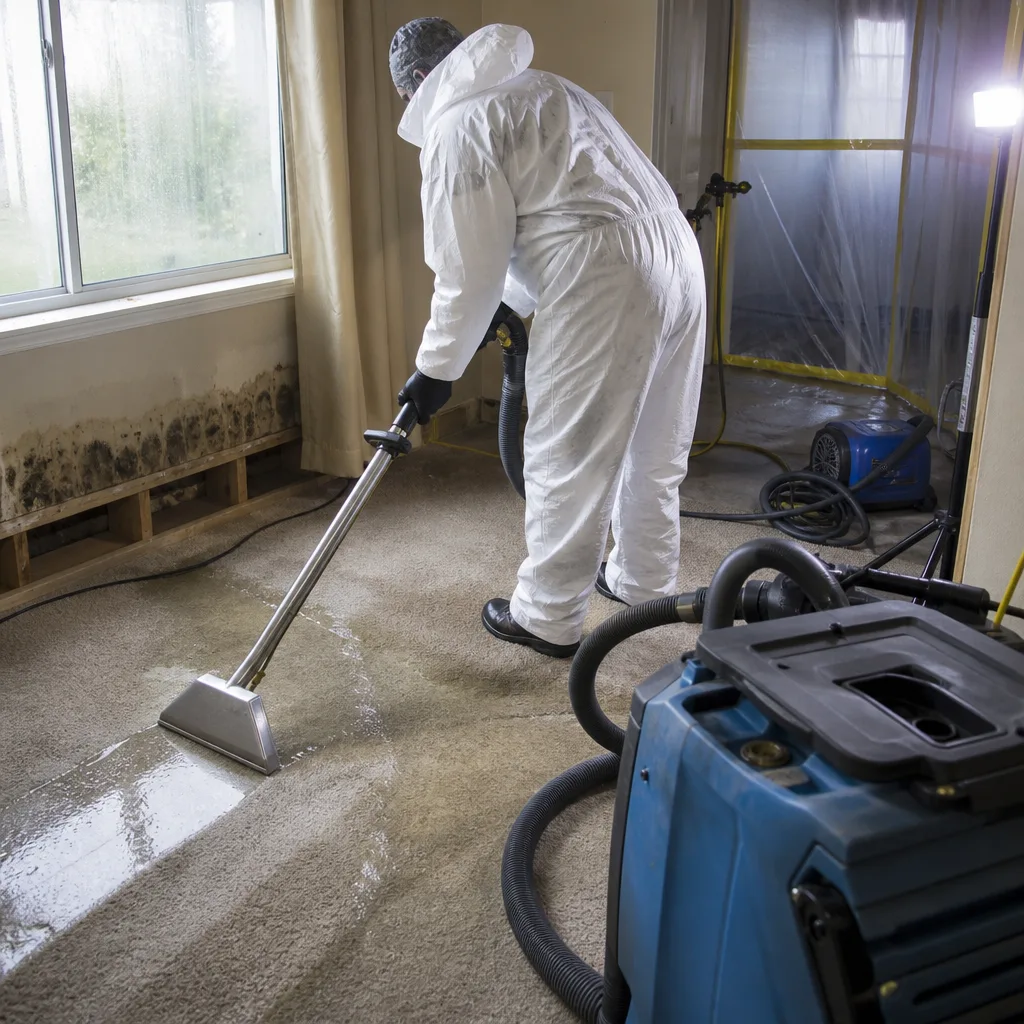
Most restoration companies in Cerritos will answer your call with a live person - many advertise this. The test is what that person can explain without transferring you. Run these five questions on your first call. The answers reveal whether you’re talking to a dispatch center or a company that understands drying science.
Question 1: “What moisture content reading would you consider ‘dry’ for 3/4-inch oak flooring in Cerritos, and what standard defines that number?”
Correct answer: 16% or below for wood flooring, per IICRC S500. A technician who says “until it feels dry” or “we use our judgment” does not follow documented standards. Cerritos’s mild coastal climate with seasonal humidity spikes makes baseline moisture content readings essential - a reading taken in October during Santa Ana conditions means something different than the same reading in June. For more on seasonal adjustments, see our Seasonal Damage Restoration Care for Cerritos: Year-Round Homeowner’s Guide.
Question 2: “Walk me through your daily drying log. What readings do you take, with what equipment, and when do I see them?”
Correct answer: Specific psychrometric data - temperature, relative humidity, specific humidity, and vapor pressure differential - taken with calibrated thermo-hygrometers, recorded on a standardized form, and shared with you within 24 hours. If the answer mentions “we check on it” without specifying equipment or timing, there is no log.
Question 3: “For a Category 2 water loss in a single-story Cerritos home built in the 1970s, how many air movers per square foot do you deploy, and what’s your dehumidifier capacity calculation?”
Correct answer: IICRC S500 specifies one air mover per 50-70 square feet of affected wet floor area, with additional units for structural cavities. Dehumidifier capacity is calculated based on the cubic feet of affected space, the class of water loss, and the current vapor pressure differential - not guesswork. Cerritos’s 1970s construction often includes gypsum lath and plaster, which holds moisture differently than modern drywall and requires adjusted calculations.
Question 4: “What happens if my adjuster disputes your moisture readings or drying duration?”
Correct answer: The contractor provides the documentation package - daily logs, photos, equipment specifications - and defends the invoice with evidence. The wrong answer: “That’s between you and your insurance.” If the contractor won’t stand behind their documentation, you absorb the dispute risk.
Question 5: “Show me where your written price guarantee appears in your contract.”
Correct answer: A specific clause, by name, in the contract you sign. At DryMark Restoration Cerritos, Haven Standard, Clause 1 appears in every agreement: “Written price before work begins, with no additions without written homeowner approval.” If the answer is “we don’t put it in writing” or “our word is our guarantee,” you have no protection against scope creep.
A company that passes all five questions understands that restoration is a documentation discipline, not a cleanup service. A company that fails two or more is selling reassurance, not evidence.
Red-Flag Contract Language That Costs Homeowners Their Claims
Restoration contracts in California are not standardized. Some contain clauses that shift risk to you after the work is done. Read every document before signing, and reject any contract containing these provisions.
- “Homeowner responsible for obtaining all documentation for insurance purposes.” This clause makes you the record-keeper for moisture readings, photos, and equipment logs you did not create. If the contractor’s documentation is insufficient for claim review, you bear the cost of reconstructing it or absorbing the denied portion. A documentation-first contractor delivers the complete file as a standard deliverable.
- “Final payment due upon substantial completion, defined as equipment removal.” Equipment removal does not mean drying is complete. We’ve seen Cerritos homes where dehumidifiers were removed with wall cavities still above 20% moisture content, leading to mold growth within weeks. Define completion by moisture readings, not equipment presence.
- “Contractor may supplement estimate based on conditions discovered during work.” This is standard for reconstruction, where hidden damage is common. For mitigation, it is not. Water damage scope should be fully assessable before work begins with thermal imaging and moisture mapping. Any “supplement” on a mitigation job suggests the initial scope was incomplete or the contractor intends to expand the bill.
- “Insurance proceeds assigned to contractor.” This makes the contractor your insurer’s payee, meaning you never see the line-item breakdown. You cannot verify charges, dispute errors, or file a supplement for additional damage discovered later. See the next section for why this matters.
- “Warranty limited to workmanship defects, excludes documentation errors.” A warranty that excludes the very thing that determines claim payment is not a warranty. The Haven Standard 365-Day Done Right Promise covers both the work and the documentation that proves it.
Why “We Bill Your Insurance Directly” Can Hide Your Line Items
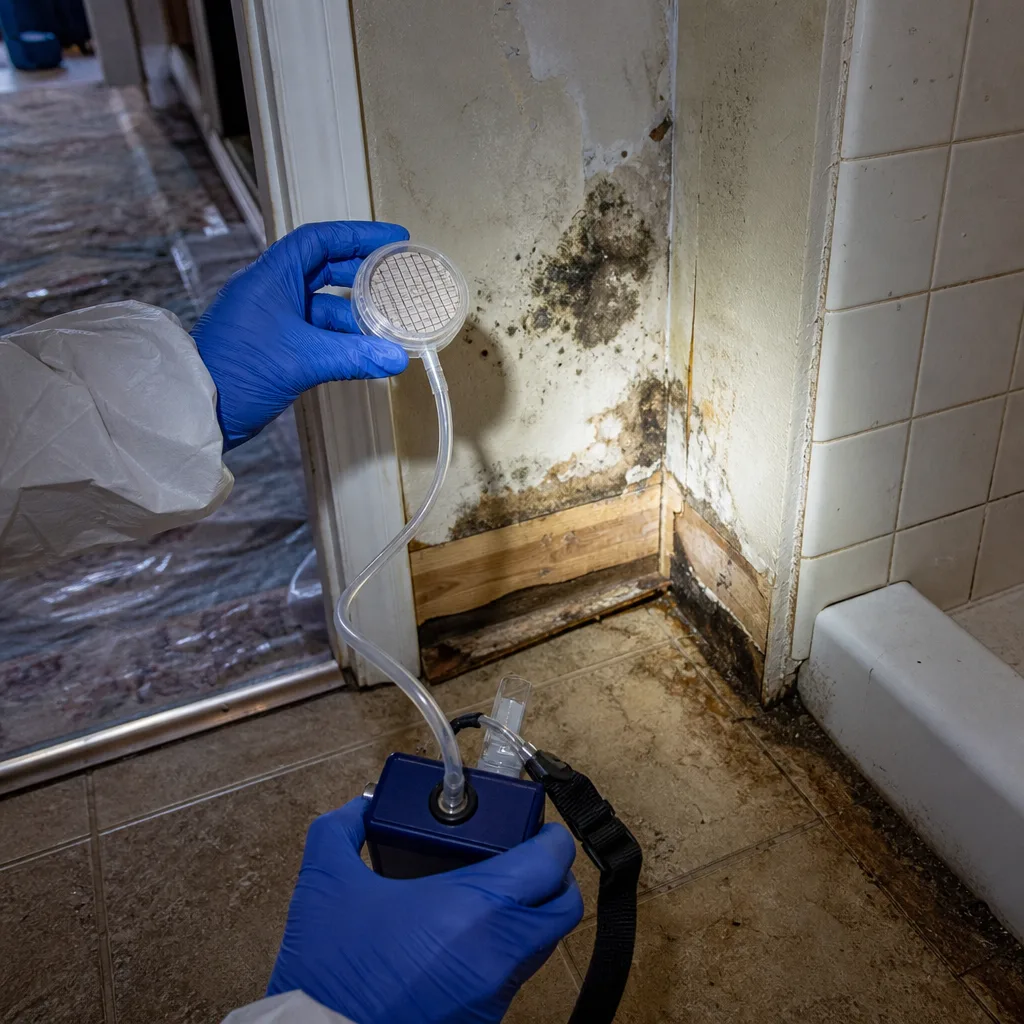
Direct billing sounds convenient. In practice, it often means the homeowner never sees the detailed invoice, and the contractor builds a relationship with the adjuster that excludes the person who actually owns the property.
Here’s how the problem develops. A contractor bills your insurer directly under an assignment of benefits or direction to pay. The adjuster reviews the invoice, perhaps approves 80% based on documentation gaps, and pays the contractor that amount. You receive a notice that your claim is closed. Months later, you discover secondary damage - mold in a wall cavity, warped subfloor, odor - that should have been addressed in the original scope. You file a supplement. Your insurer responds: “Claim closed. The contractor accepted payment in full.”
You call the contractor. They refer you to the insurer. The insurer refers you to the contractor. You absorb the cost.
The root cause: you never held the itemized invoice, so you couldn’t verify scope completeness. You didn’t see the daily drying logs, so you couldn’t confirm all affected areas were addressed. You weren’t in the documentation loop.
The alternative: a contractor who provides all documentation to you directly, bills you or works with your insurer while keeping you as the primary record holder, and obtains your written approval for any scope change. This preserves your right to supplement, dispute, and verify. At Water Damage Restoration in Cerritos, we provide the complete documentation package to every homeowner regardless of payment arrangement. Your claim file belongs to you.
Cerritos-Specific Considerations: Climate, Codes, and Common Loss Types
Cerritos presents distinct restoration challenges that generic guides miss. Understanding them helps you evaluate whether a contractor has actual local experience or simply bought a local phone number.
Soil and Foundation Conditions
Much of Cerritos sits on former dairy land with expansive clay soils. Seasonal moisture changes cause foundation movement that cracks slabs and creates water intrusion paths. A contractor unfamiliar with Cerritos construction may treat a slab leak as simple plumbing failure without addressing the soil condition that caused the crack. Ask: “How do your moisture readings account for vapor transmission through a compromised slab?” The answer should reference ASTM E1903 or equivalent vapor emission testing, not just surface readings.
Climate Patterns and Drying Strategy
Cerritos averages 67% annual humidity with marine layer influence through June and Santa Ana wind events in fall. These patterns matter for drying strategy. A contractor who sets identical dehumidification targets in June and October doesn’t understand local psychrometrics. In our experience serving Cerritos since 2011, we adjust target equilibrium moisture content seasonally and document the adjustment rationale in every drying log, as detailed in our Water Damage Restoration Maintenance Checklist for Cerritos Homeowners.
Common Loss Types by Neighborhood
Homes near the Cerritos Auto Square and commercial corridors face higher risk from fire suppression system discharge - large-volume, clean water events that become Category 2 if not addressed within 24 hours. The Park East and Cerritos South areas, with their concentration of 1960s-1970s construction, see more slab-related water intrusion and galvanized pipe failures. Contractors who cannot name these patterns are not working regularly in Cerritos.
Permit and Code Requirements
The City of Cerritos requires permits for structural repairs exceeding $1,000 or involving load-bearing elements. Mold remediation does not require a city permit but must follow California Labor Code requirements for worker protection and disposal documentation. A contractor who suggests skipping permits to “speed things up” is exposing you to code violations that void insurance coverage and complicate resale.
Equipment Standards
Cerritos’s density and parking constraints affect equipment deployment. Large trailer-mounted desiccant systems common in rural restoration may not fit residential driveways in neighborhoods like Cerritos West. We use portable LGR dehumidifiers from Phoenix and Dri-Eaz, with Injectidry systems for cavity drying, precisely because they fit Cerritos’s residential scale and produce documented results to IICRC, RIA, and IFA standards.
Common Mistakes to Avoid
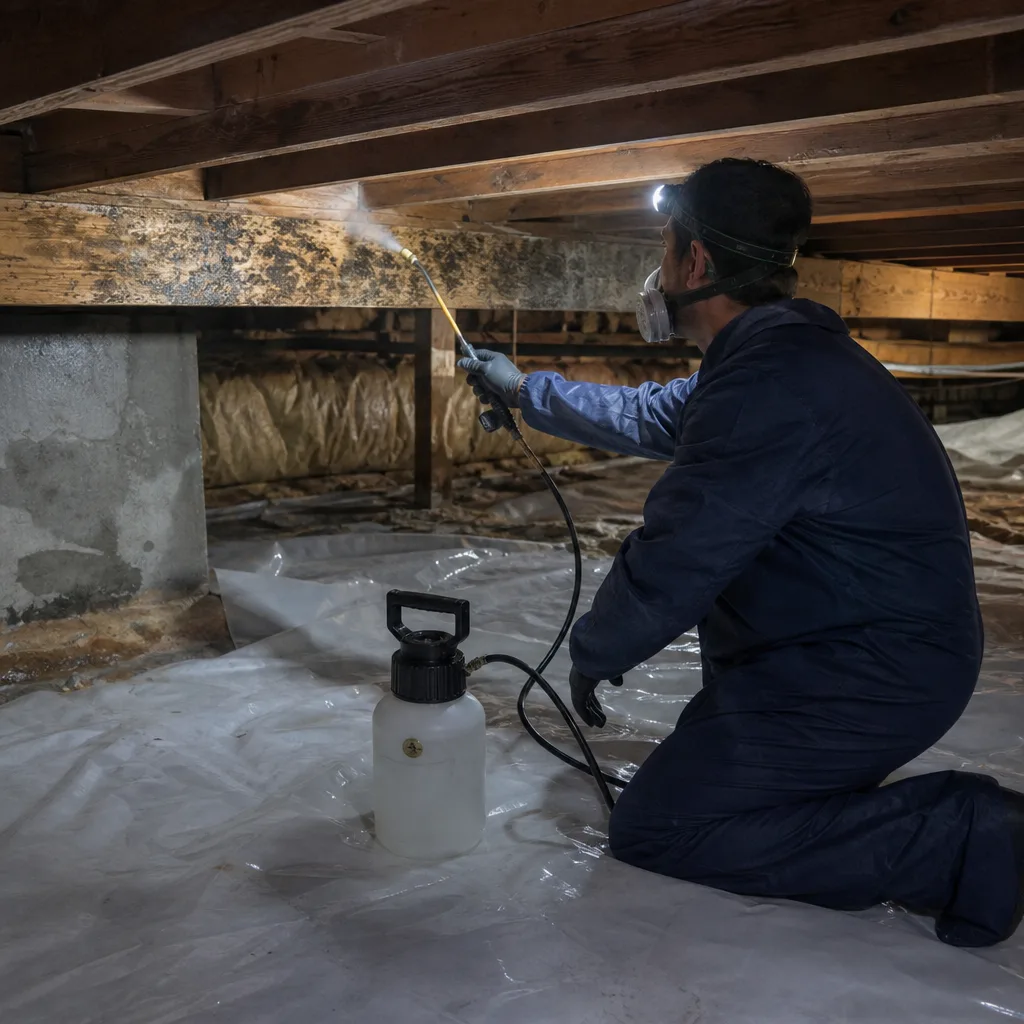
- Hiring based on response speed alone. In Cerritos, a contractor who arrives in 20 minutes with no documentation protocol is worse than one who arrives in two hours with a complete assessment kit. Speed matters for water mitigation, but not at the cost of scope accuracy. Measure response in “time to written estimate,” not “time to truck arrival.”
- Accepting verbal estimates. California law requires written contracts for home improvement work over $500. More importantly, verbal estimates cannot be submitted to insurance, cannot be disputed with evidence, and cannot be enforced. Haven Standard, Clause 1 exists because verbal pricing is how homeowners get surprised.
- Assuming all IICRC certifications are equal. IICRC offers dozens of certification tracks. A “Water Damage Restoration Technician” (WRT) course is three days. A “Master Water Restorer” requires years of documented project experience and examination. Ask specifically: “What IICRC certifications do your technicians hold, and when did they last recertify?” Recertification is required every three years.
- Neglecting to verify additional insured status. Many Cerritos homeowners request a certificate of insurance but don’t confirm the additional insured endorsement is actually issued. The certificate alone is a snapshot; the endorsement is the legal protection. Request a copy of the endorsement page with your name or property address listed.
- Signing over claim rights without understanding the scope. Assignment of benefits agreements are common in restoration, especially in Fire & Smoke Damage Restoration in Cerritos where claims are complex. But signing before scope is finalized means you lose leverage if the contractor’s work is incomplete. Never assign benefits until you have a written, itemized, signed scope in hand.
- Failing to document pre-existing conditions. Before any restoration work begins, photograph every room, every wall, every floor. Date-stamp the images. If a contractor damages undamaged areas during mitigation, your pre-loss documentation is your only evidence. A documentation-first contractor will do this as standard practice; if they don’t, do it yourself.
When to Call a Professional
Some situations in Cerritos require immediate professional response regardless of your hiring process stage. Category 3 water - sewage, seawater intrusion, or standing water exceeding 48 hours - carries bacterial and viral contamination that requires trained handling, not DIY cleanup. Fire damage with structural compromise needs engineering assessment before any restoration begins. Mold contamination exceeding 10 square feet triggers California disclosure requirements and specialized remediation protocols.
If you’re facing active water intrusion, spreading smoke damage, or visible mold growth, speed and documentation both matter. DryMark Restoration Cerritos offers free estimates in Cerritos - call (562) 600-5083. We’ll provide a written scope, itemized pricing, and our documentation protocol before any work begins, with no obligation to proceed. For more guides & resources, visit our blog.
Frequently Asked Questions
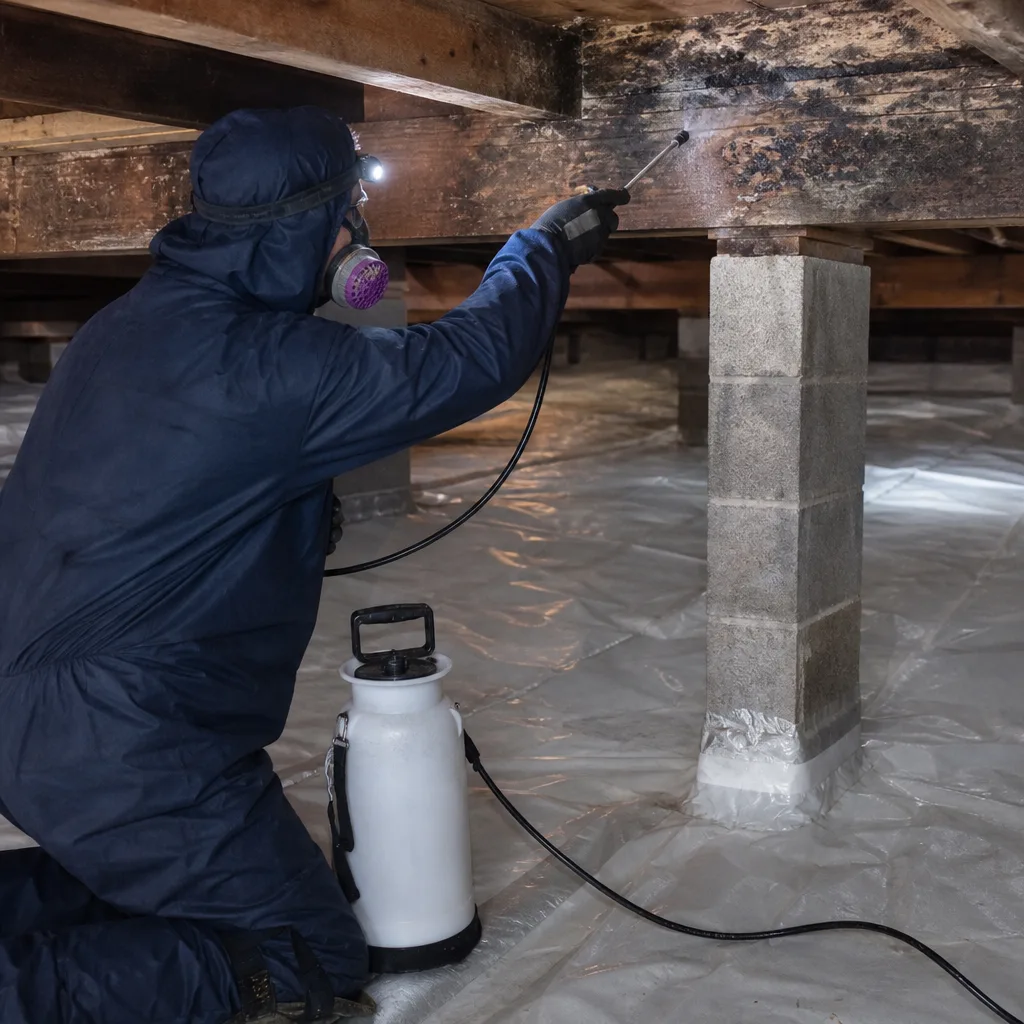
Water damage restoration in Cerritos typically ranges from $1,200 for a contained Class 1 loss in a single room to $8,500+ for a Class 3 whole-house event with structural cavity drying. Category 3 sewage losses add 30-50% for contamination protocols. The exact cost depends on affected square footage, material types, and drying duration. Call (562) 600-5083 for a written, itemized estimate - estimates are free and delivered before any work begins under Haven Standard, Clause 1.
Most standard homeowner policies cover sudden and accidental water damage, excluding gradual leaks and flood events (which require separate flood insurance). Coverage depends on documentation quality - insurers deny or reduce claims with insufficient evidence of damage extent and drying completion. A contractor who provides daily moisture logs, photo documentation, and written scope alignment with policy language maximizes your likelihood of full coverage. We coordinate directly with adjusters and provide the documentation package they need for clean claim approval.
For active water mitigation, DryMark Restoration Cerritos maintains 24/7 live phone coverage with no voicemail trees, and we dispatch for emergencies across Cerritos typically within 60-90 minutes during normal demand periods. Reconstruction and non-emergency remediation are scheduled and scoped in writing, not dispatched for same-hour arrival. If a contractor promises instant arrival for non-emergency work, they’re likely cutting assessment time - which produces the vague scopes that fail claim review.
For water damage under 10 square feet with Category 1 water and no structural materials affected, DIY drying may be adequate if you have commercial-grade dehumidification and can verify moisture content below 16% for wood and below 0.75% for drywall. For anything larger, Category 2 or 3 water, or visible mold, professional remediation is necessary for health protection, insurance compliance, and resale disclosure requirements. California law requires disclosure of mold remediation history to buyers; undocumented DIY work creates liability.
You retain final responsibility for your claim, but a documentation-first contractor should handle adjuster communication as a standard service. At DryMark Restoration Cerritos, we provide direct adjuster coordination: sharing daily logs, explaining scope decisions, and defending line items with evidence. You stay informed but not burdened. Be wary of contractors who refuse adjuster contact - it often means their documentation won’t withstand scrutiny - or who insist on exclusive adjuster communication without copying you on correspondence.
A meaningful warranty covers both workmanship and documentation accuracy, is written and signed (not verbal), specifies duration, and defines the remedy process. The Haven Standard 365-Day Done Right Promise covers any defect in work or documentation that affects your property or claim, with remedy at no additional cost. Avoid warranties that exclude “secondary damage,” limit recourse to “repair only” with no coverage for consequential harm, or require binding arbitration in another state.
The Bottom Line
Hiring a damage restoration contractor in Cerritos is not about finding the fastest responder or the lowest bidder. It’s about finding a company whose documentation will survive the claim review that comes after the equipment is gone. Request the four documents before signing. Run the five-question phone screen. Verify the license, but weight the documentation protocol more heavily. Reject red-flag contract language that shifts responsibility to you. And never surrender your line-item visibility to “convenient” direct billing.
The contractor who prices in writing, documents daily, and stands behind both with a signed warranty is the contractor whose invoice gets paid and whose work lasts. Everything else is a gamble with your property and your claim.
Written by Alicia Brennan, Owner at DryMark Restoration Cerritos, serving Cerritos since 2011.