
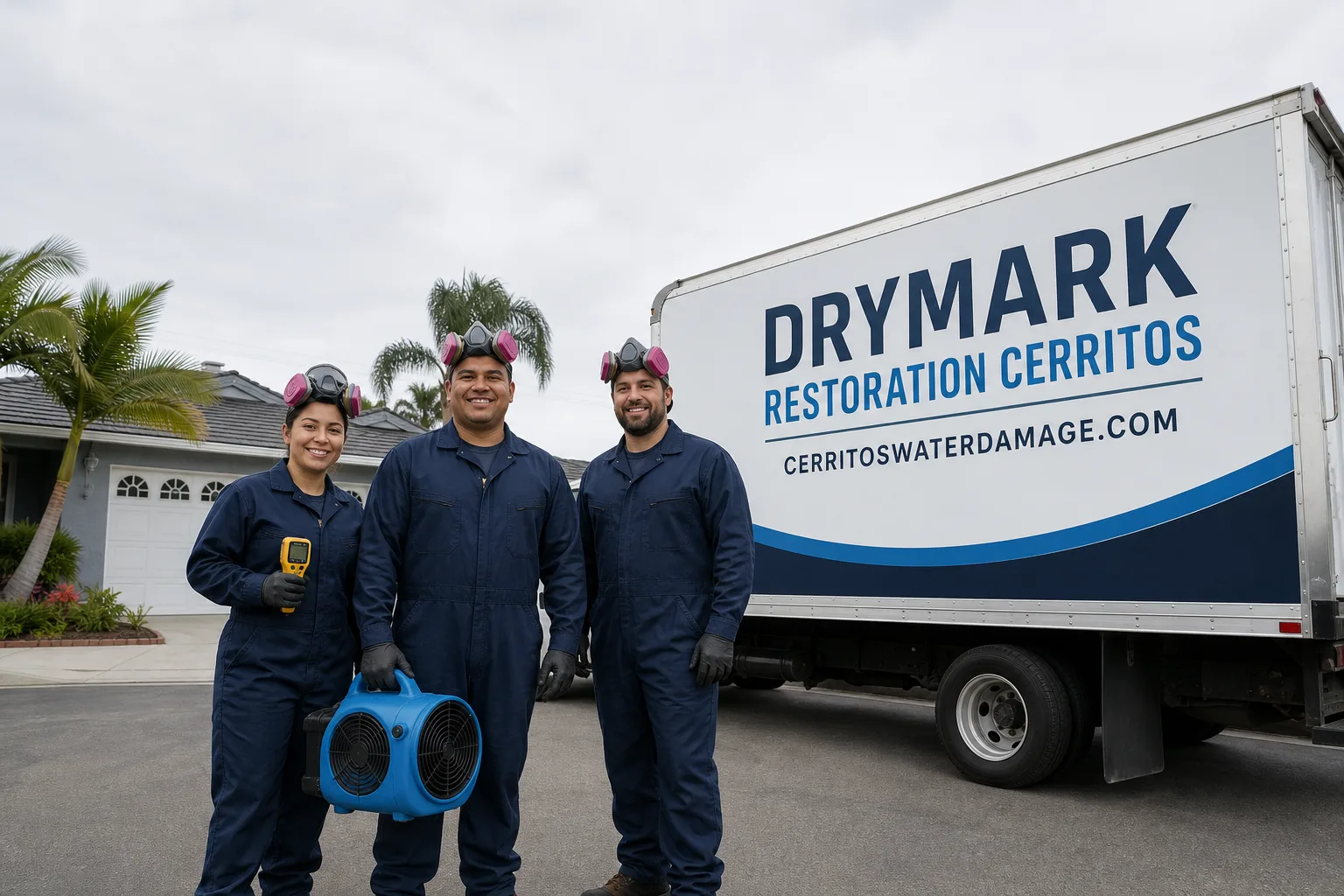
Free visual inspection and a written scope of work before any mitigation begins - photos, moisture readings, and drying logs go in your claim file
The scope we write is the scope we bill. Anything new gets shown to you, in writing, before we touch it.
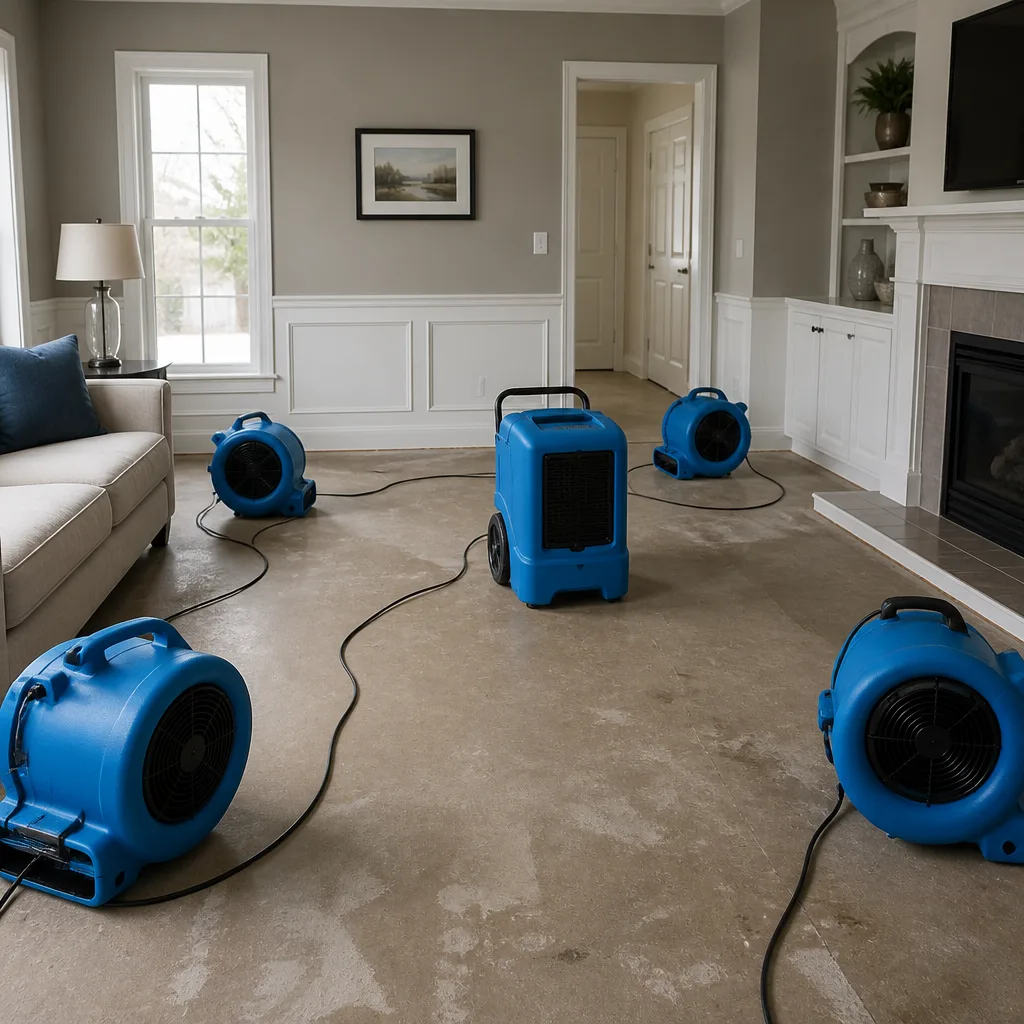
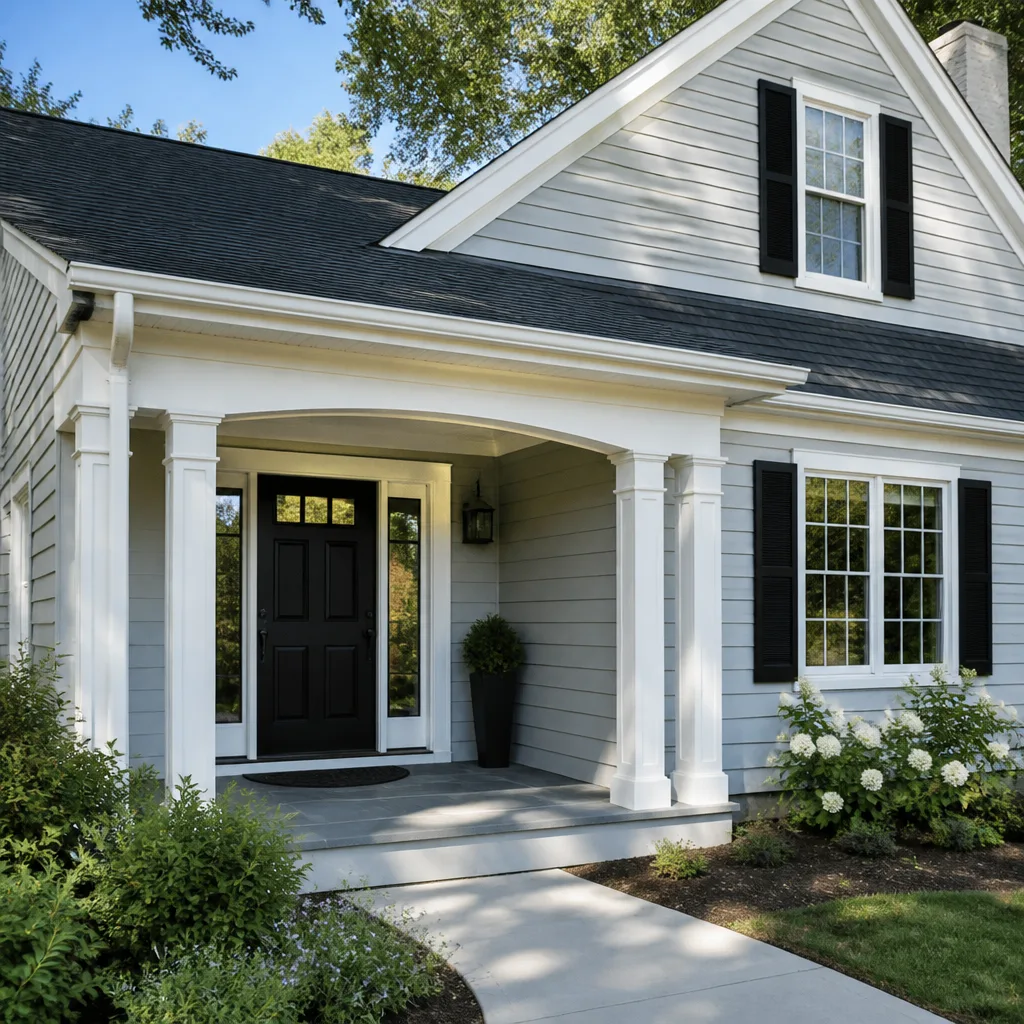
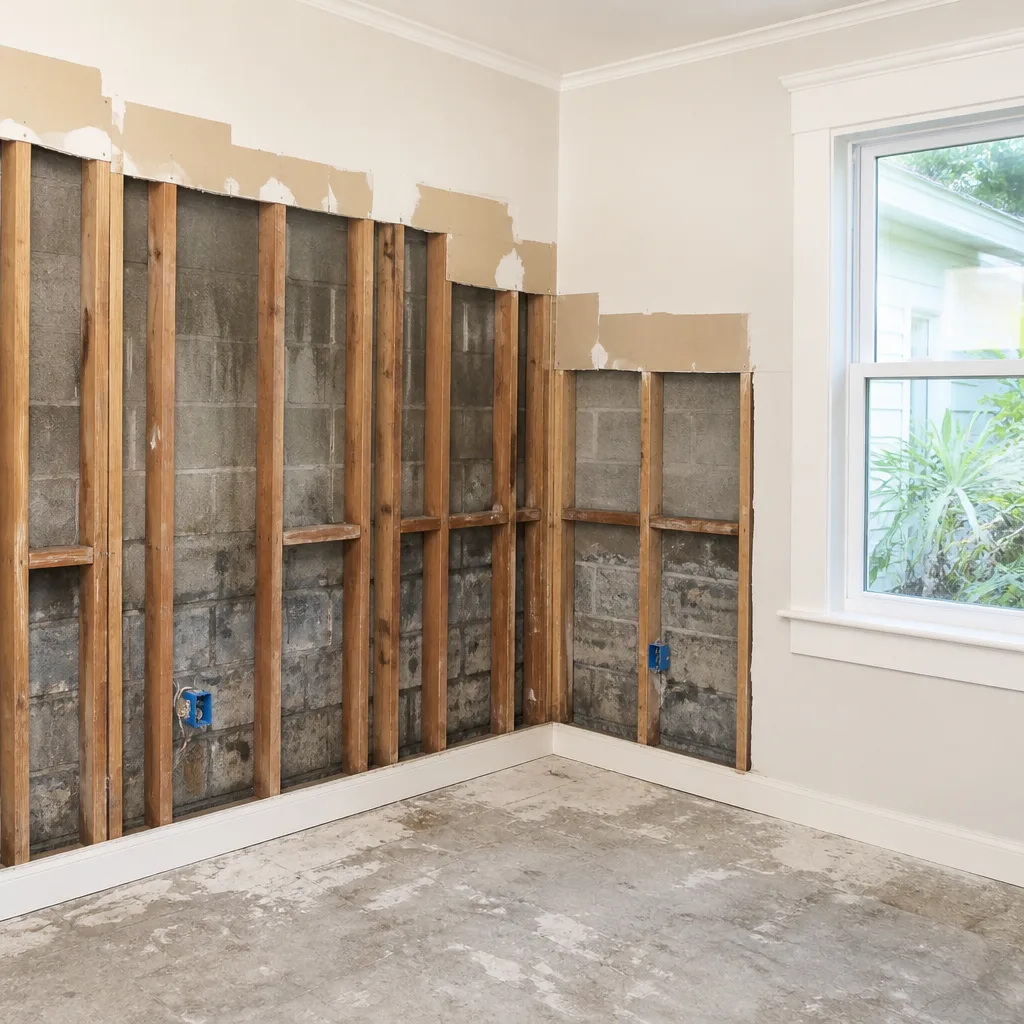
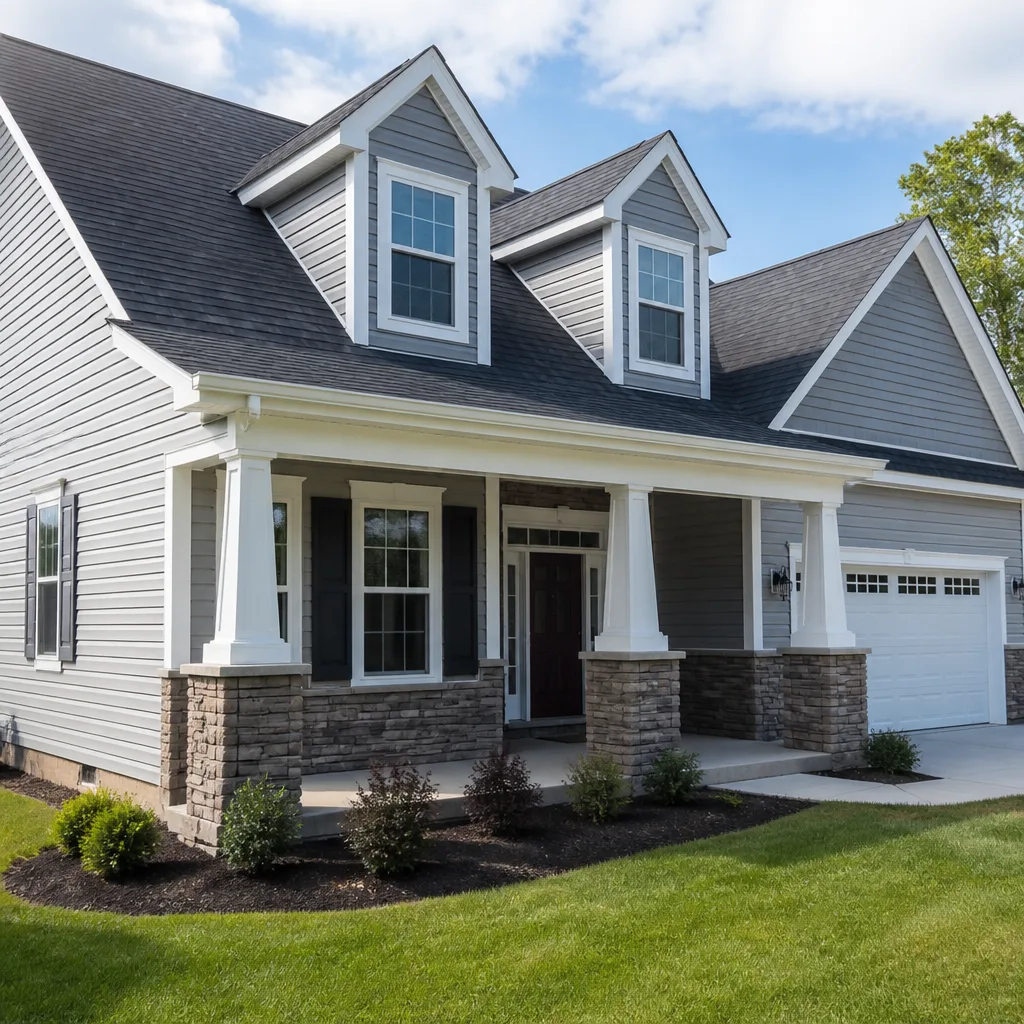
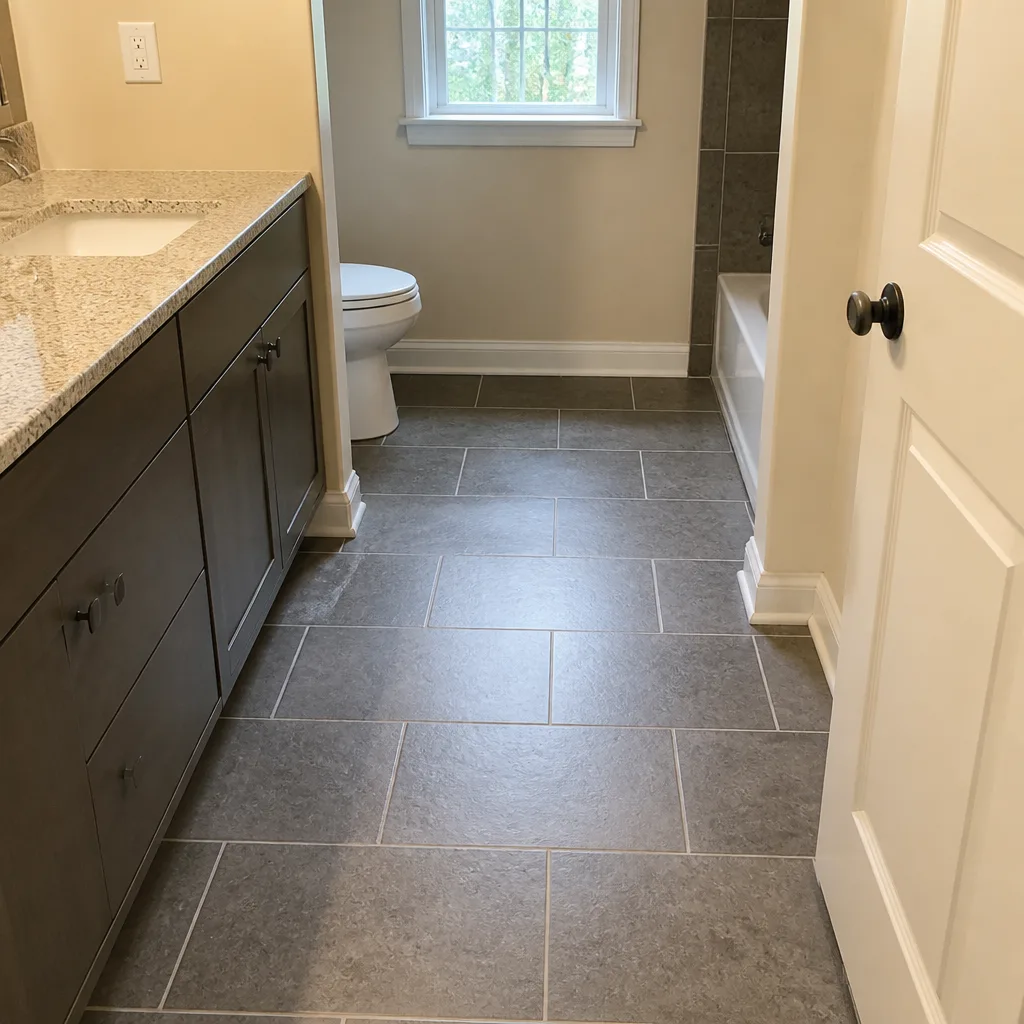

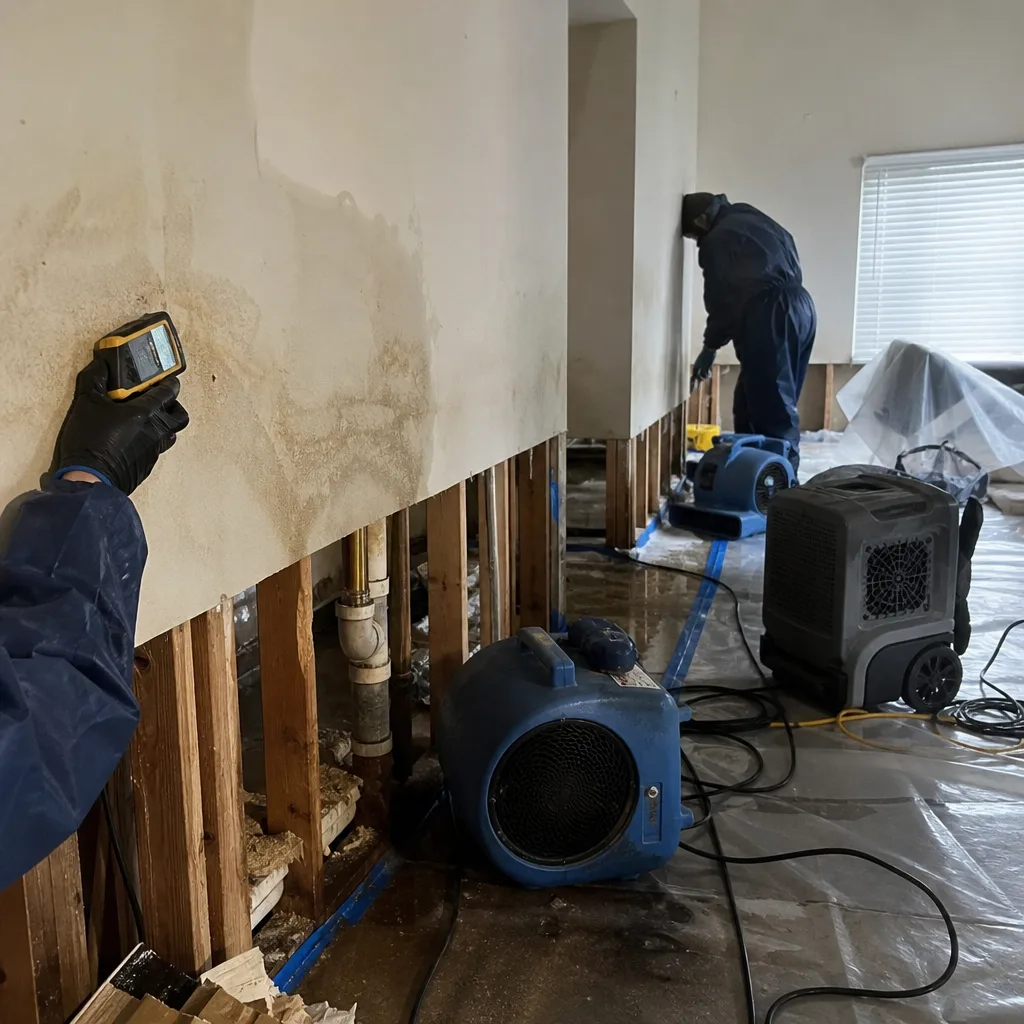 Before
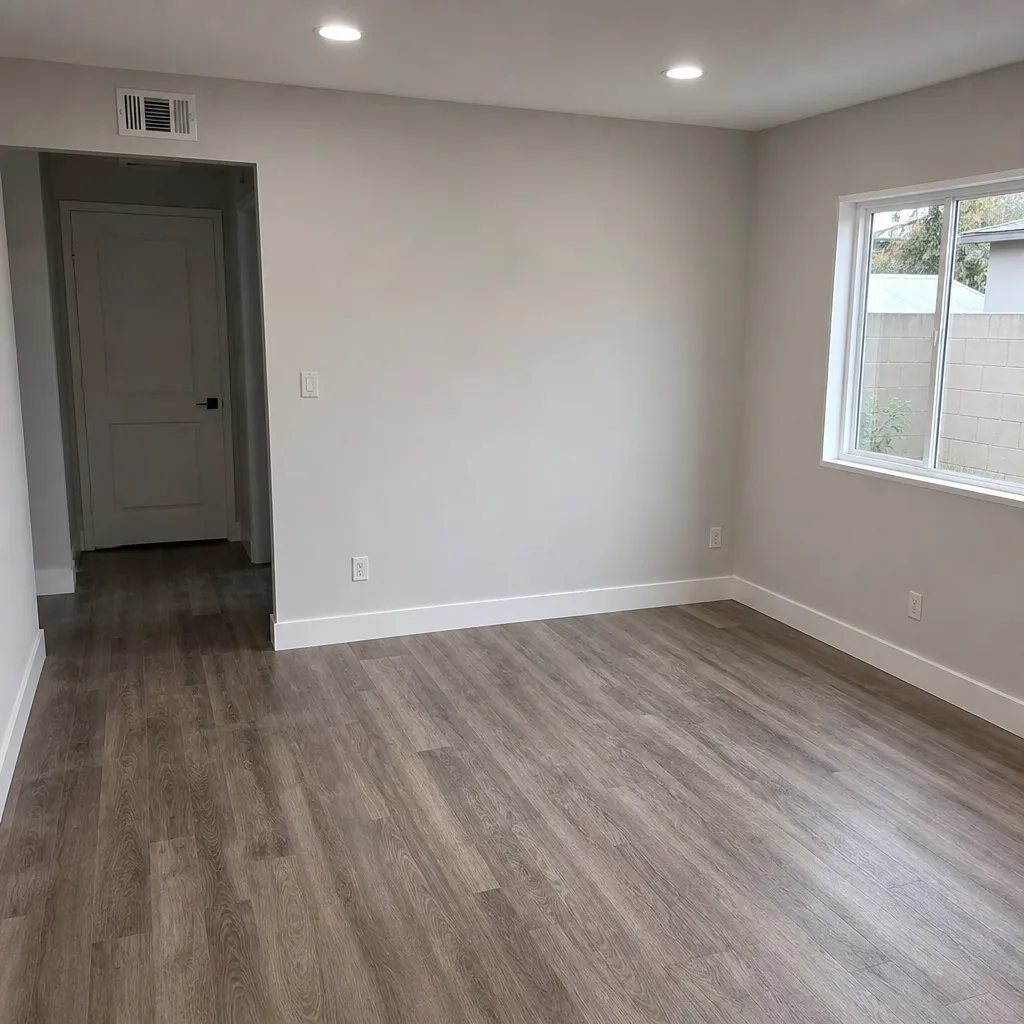 After
After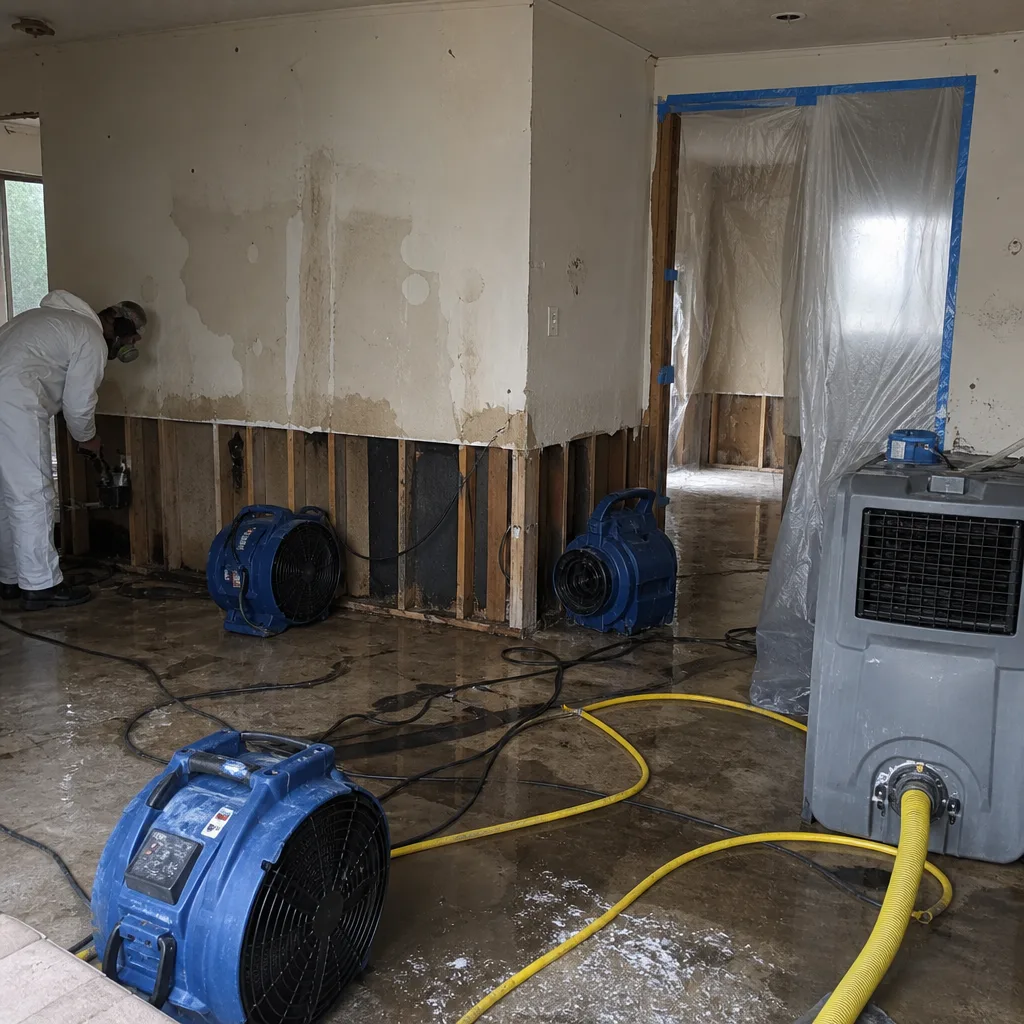 Before
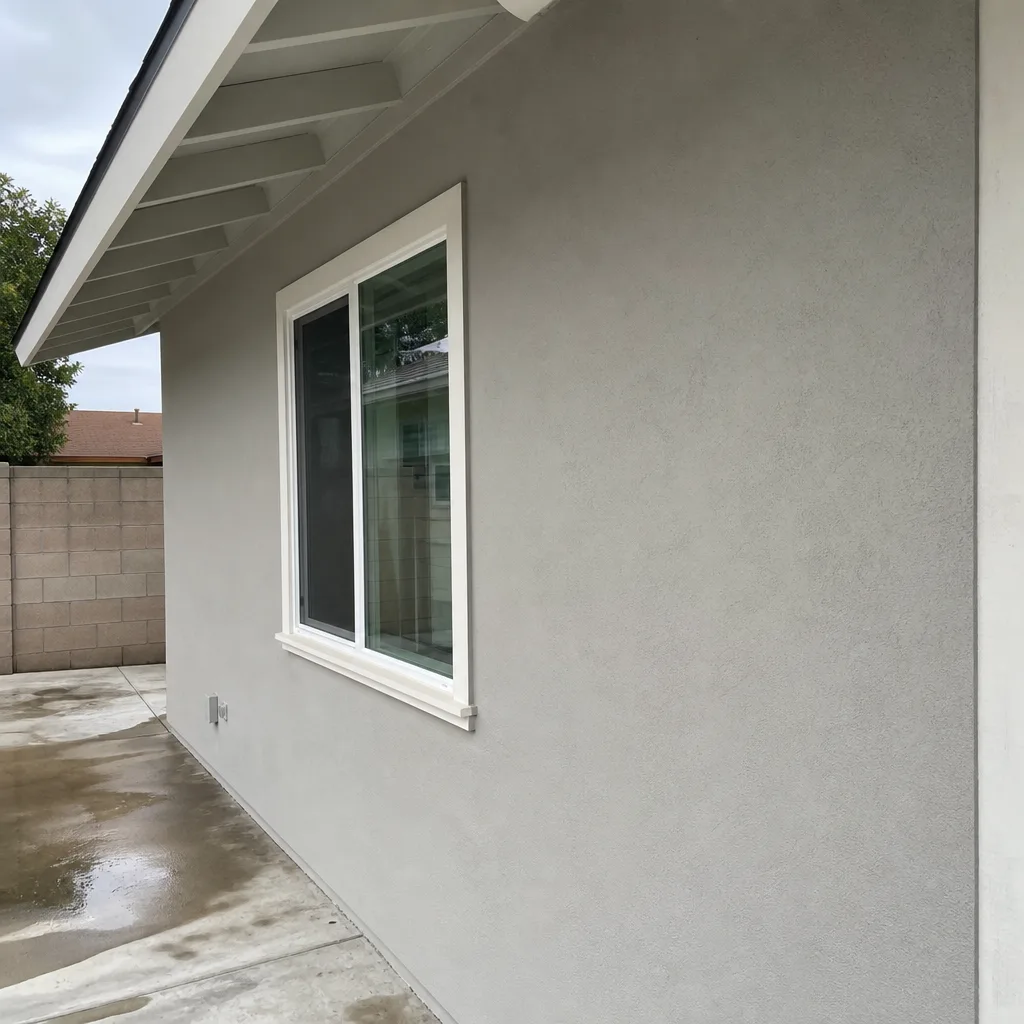 After
After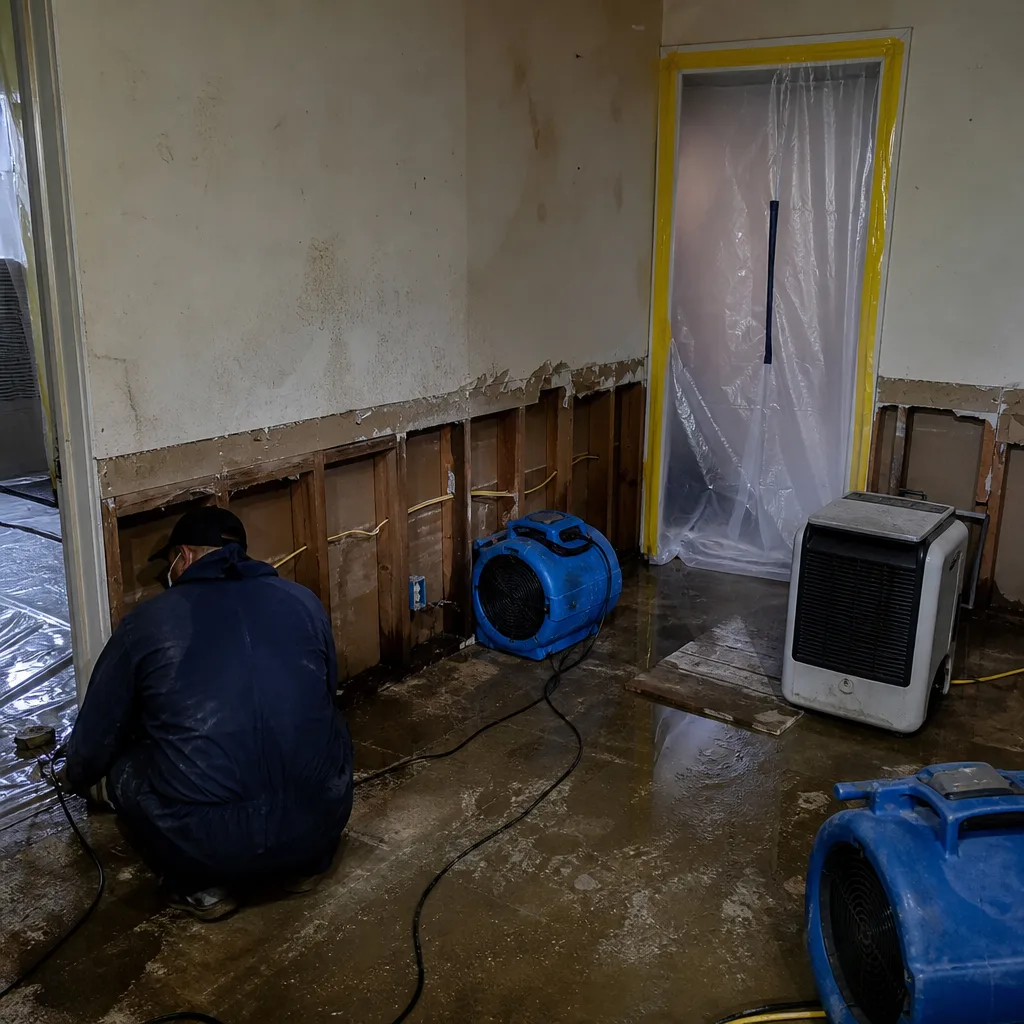 Before
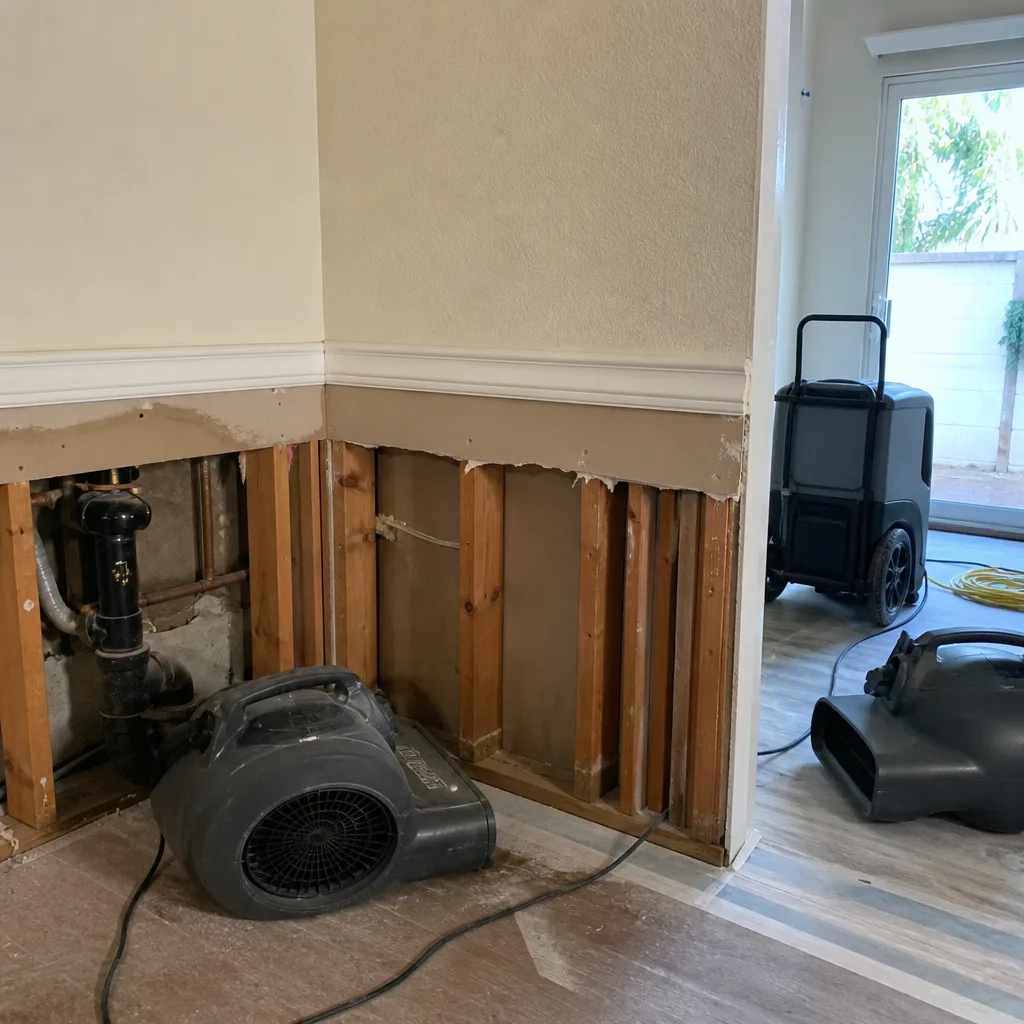 After
AfterFast, Reliable Water Damage Restoration Across Fullerton
Water damage restoration in Fullerton typically costs $2,800-$7,500 for a standard residential mitigation, with emergency extraction and structural drying running $1,200-$3,200 for the first 48 hours. Most Fullerton homes we see need four to six days of monitored drying before rebuild can begin. Call (562) 600-5083 and a live person will answer, 24 hours a day, 7 days a week - no voicemail while water is still moving through your floors.
We’ve restored water-damaged homes across Fullerton since 2011, from the 1920s Craftsman bungalows in the historic core off N. Harbor Blvd. to the 1960s ranch tracts in Sunny Hills. Our crews dispatch from our Los Angeles office and carry IICRC-certified extraction equipment, Dri-Eaz and Phoenix dehumidification systems, and the moisture meters that document every reading for your adjuster. We know the local building stock: the original clay-tile drainage, the plaster-and-lath walls, the old-growth redwood framing that hides saturation longer than modern lumber. That local knowledge changes what we look for on the first walkthrough, and it changes the scope we write before any work starts.
Why DryMark Restoration Cerritos Is Fullerton’s Preferred Water Damage Restoration Company
Our reputation in Fullerton was built on documentation that survives the claims review process. Alicia Brennan founded Back to Dry in 2011 after years as a claims adjuster watching homeowners lose thousands because a restoration crew skipped the photo log or forgot to note the initial moisture reading. We’ve restored over 12,000 homes since then, every one with a written price before work started and a documented record when the crew left. Haven Standard, Clause 1: written price before work begins. No exceptions.
Fullerton customers find us because they read the three-star reviews. They want to know what happens when something goes sideways. Our answer: the 365-Day Done Right Promise, backed by The Haven Standard and signed on every job. If it’s not done right, we make it right. Not a verbal assurance - a written warranty with an address.
Response time to Fullerton runs 45-90 minutes from dispatch, depending on traffic on the 91 and surface streets through the historic core. Our live dispatchers coordinate crew routing in real time; no next-business-day callbacks while your subfloor is still wet. Every technician is background-checked, uniformed, and licensed - their license number is on the work order you’ll sign before anyone touches your property.
We understand Fullerton’s specific water-loss profile because we’ve documented it, house by house. The seasonal one-two punch of Santa Ana wind events and winter storm surges. The clay-tile drainage systems sized for the 1920s. The redwood framing that resists visible rot so effectively it masks catastrophic saturation. This isn’t generic Orange County restoration knowledge. It’s Fullerton-specific field experience, and it shapes every scope we write.
Our Water Damage Restoration Services in Fullerton
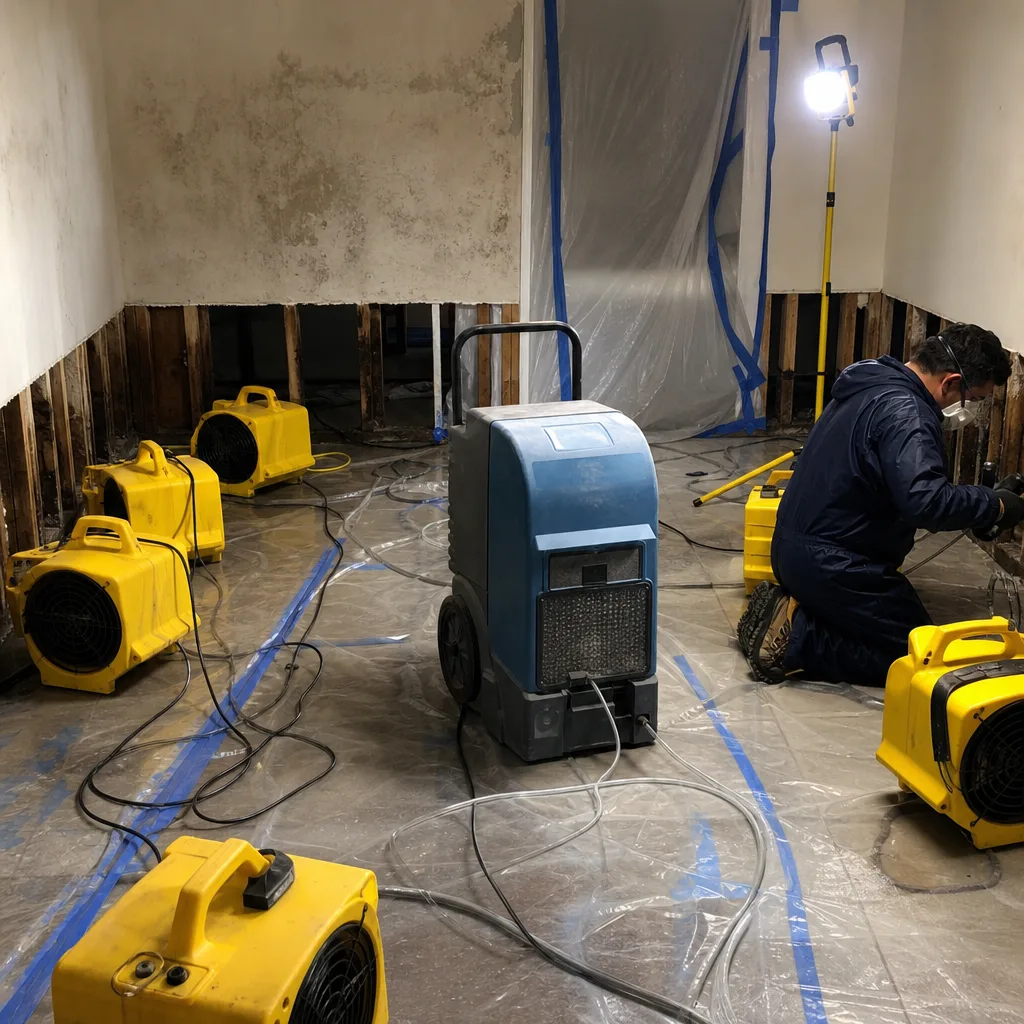
Emergency Water Extraction
When a burst pipe or storm intrusion floods your Fullerton home, we arrive with truck-mounted extraction units and portable flood pumper systems sized to the loss category. In the historic core, where original pier-and-beam foundations create uneven settling and hidden crawlspace pooling, we use thermal imaging and non-penetrating moisture meters to find water that gravity-fed extraction misses. Every gallon removed is logged. Every saturated material is classified by IICRC water category - Category 1 clean water, Category 2 gray water, or Category 3 black water - because that classification determines what can be dried and what must be removed.
Structural Drying & Dehumidification
This is where Fullerton’s housing stock demands specialized expertise. Our crews deploy Phoenix 200 HT dehumidifiers, Dri-Eaz Revolution LGR units, and Injectidry floor-drying systems to establish vapor pressure differentials that pull moisture from deep inside plaster-and-lath wall cavities and old-growth redwood framing. Psychrometric data - temperature, relative humidity, and dew point - is recorded every 24 hours and entered into the drying log your adjuster receives. We target specific moisture content percentages by material: 12% or below for softwood framing, 13% or below for plywood subfloors. Tertiary drying, the final phase where bound water releases slowly from dense materials, often extends the timeline on Fullerton’s pre-1950 homes by 24-48 hours compared to standard drywall-and-stud construction. We don’t guess when drying is complete. We measure, log, and document.
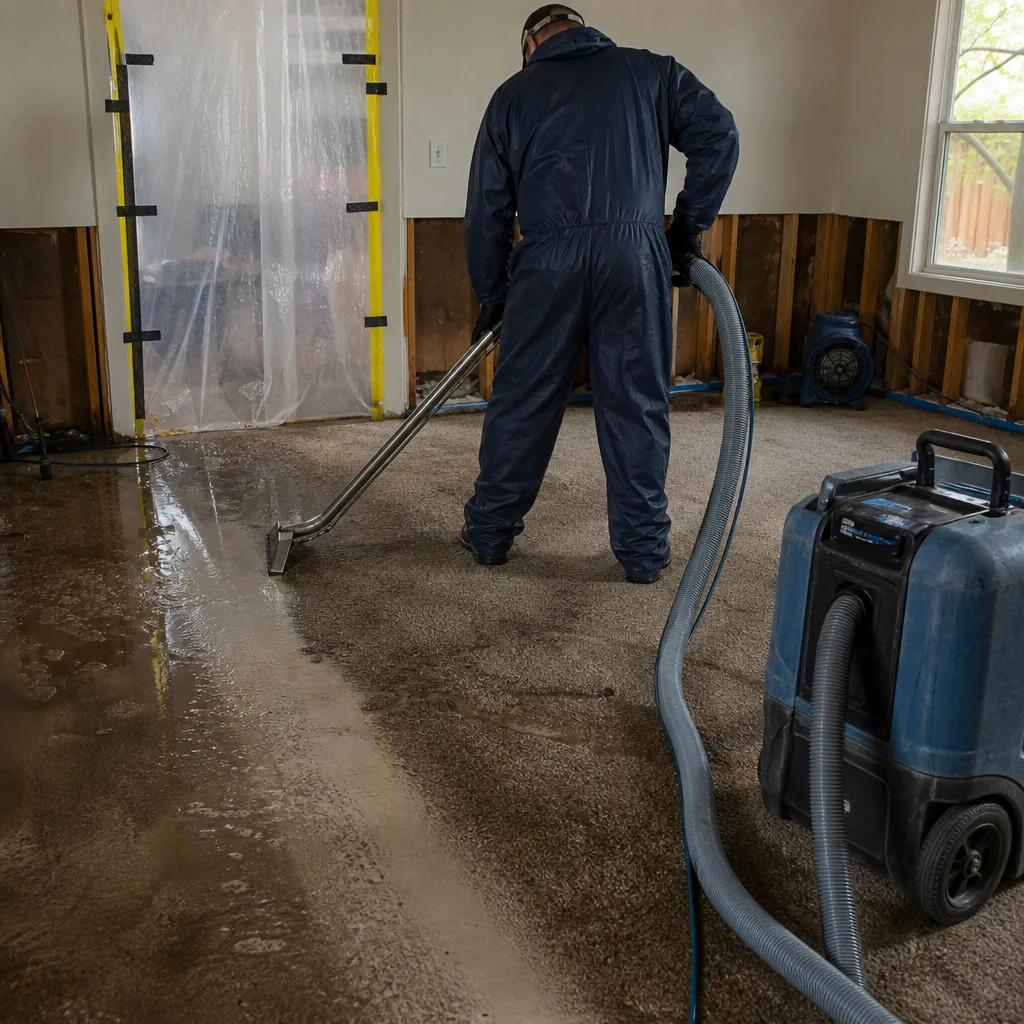
Flood Cleanup
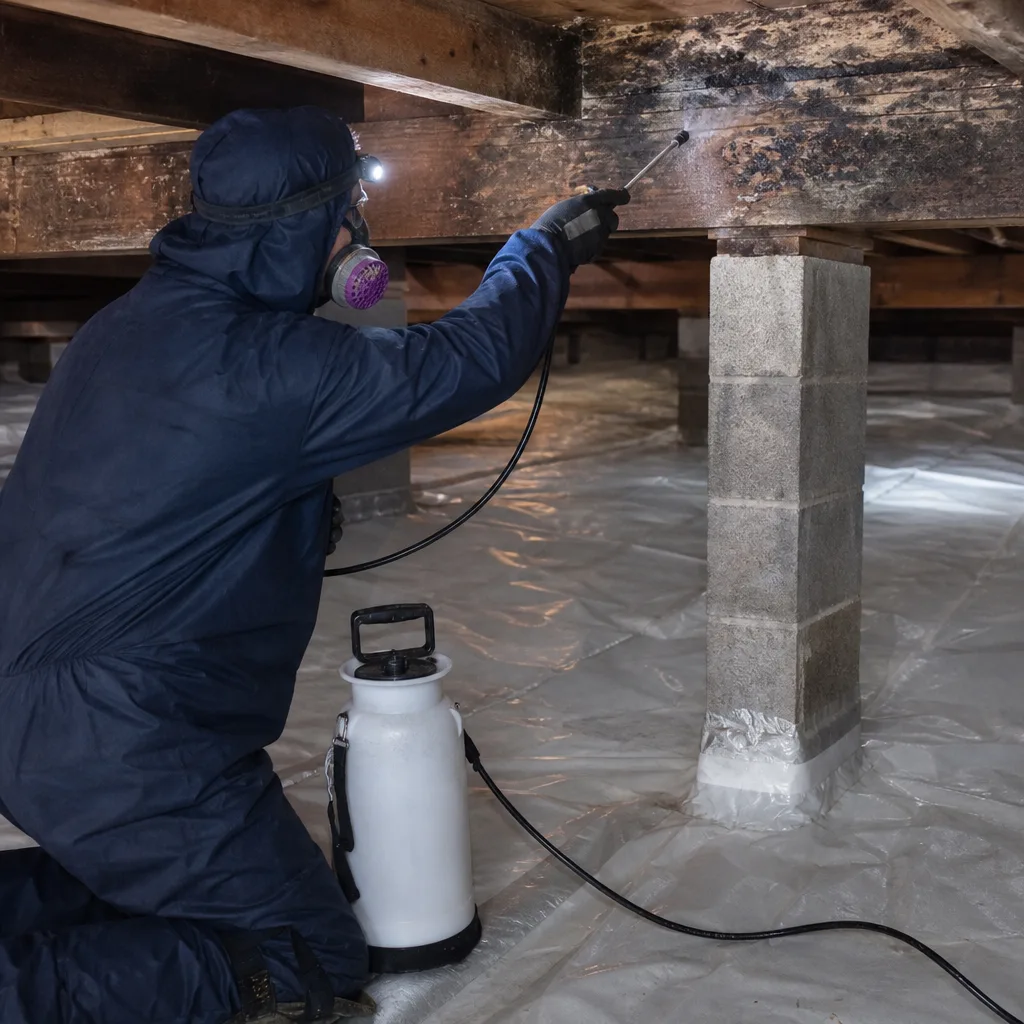
Fullerton’s inland position in the Santa Ana wind corridor produces intense short-duration winter rain events that overwhelm aging, undersized drainage. When stormwater backs up through floor drains or penetrates dried-out stucco, the resulting Category 2 or Category 3 loss requires more than extraction. We remove contaminated porous materials per IICRC S500 standards, apply antimicrobial treatments to non-salvageable framing, and HEPA-vacuum all surfaces before drying equipment is placed. In the 1920s-1950s neighborhoods near the historic downtown, we frequently discover that floodwater has traveled laterally through clay-tile perimeter drainage and entered crawlspaces remote from the visible loss point. Our moisture mapping protocol is designed to catch this pattern.
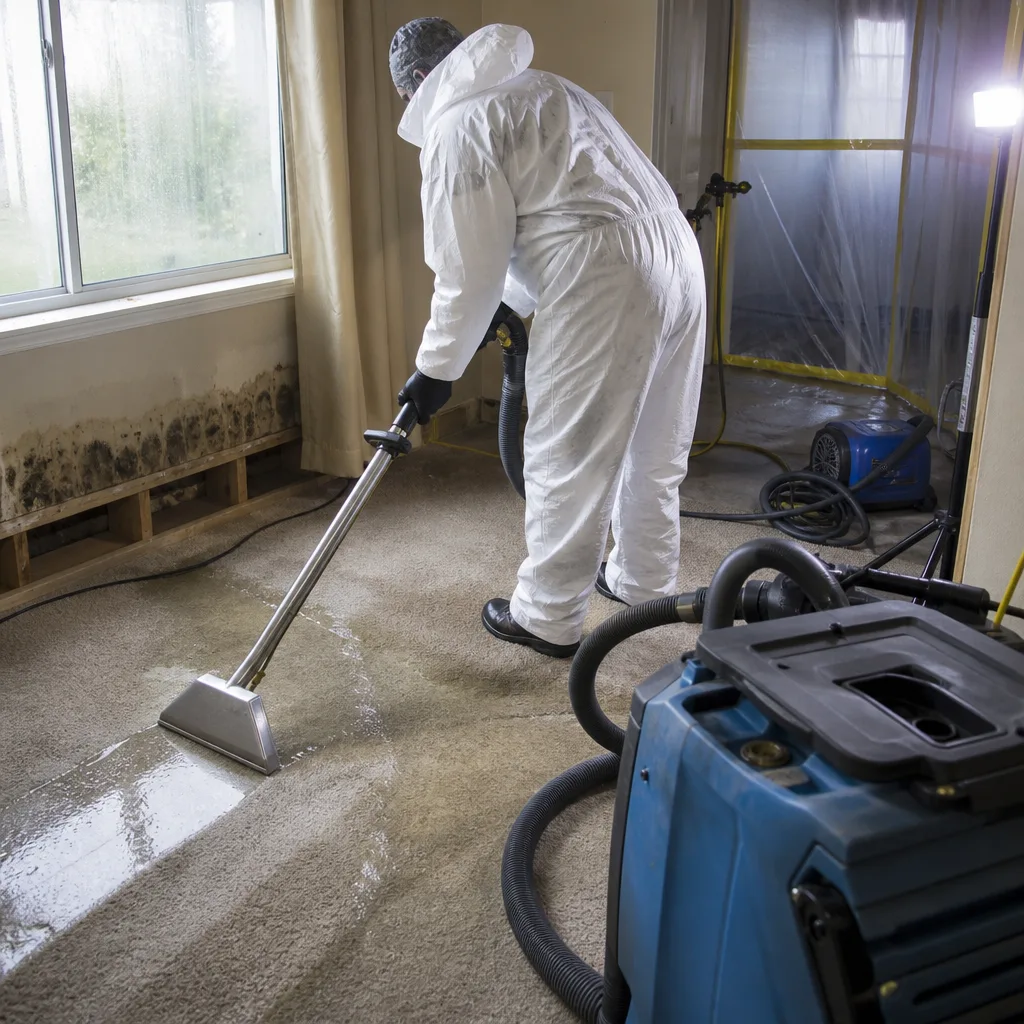
Burst Pipe Restoration
Galvanized supply lines in Fullerton’s historic homes corrode in the hard local water, creating pinhole failures that spray inside walls for hours before detection. In Sunny Hills ranch homes, slab leaks and attic supply line failures saturate insulation and enter HVAC return plenums, distributing moisture throughout the entire envelope before a homeowner notices a ceiling stain. Our burst pipe response includes immediate water shutoff coordination, extraction, and a full moisture survey of all connected spaces - not just the room with the visible damage. We document the line failure cause and location for your adjuster, photograph the damaged plumbing before removal, and provide a written rebuild scope that separates mitigation from reconstruction costs.
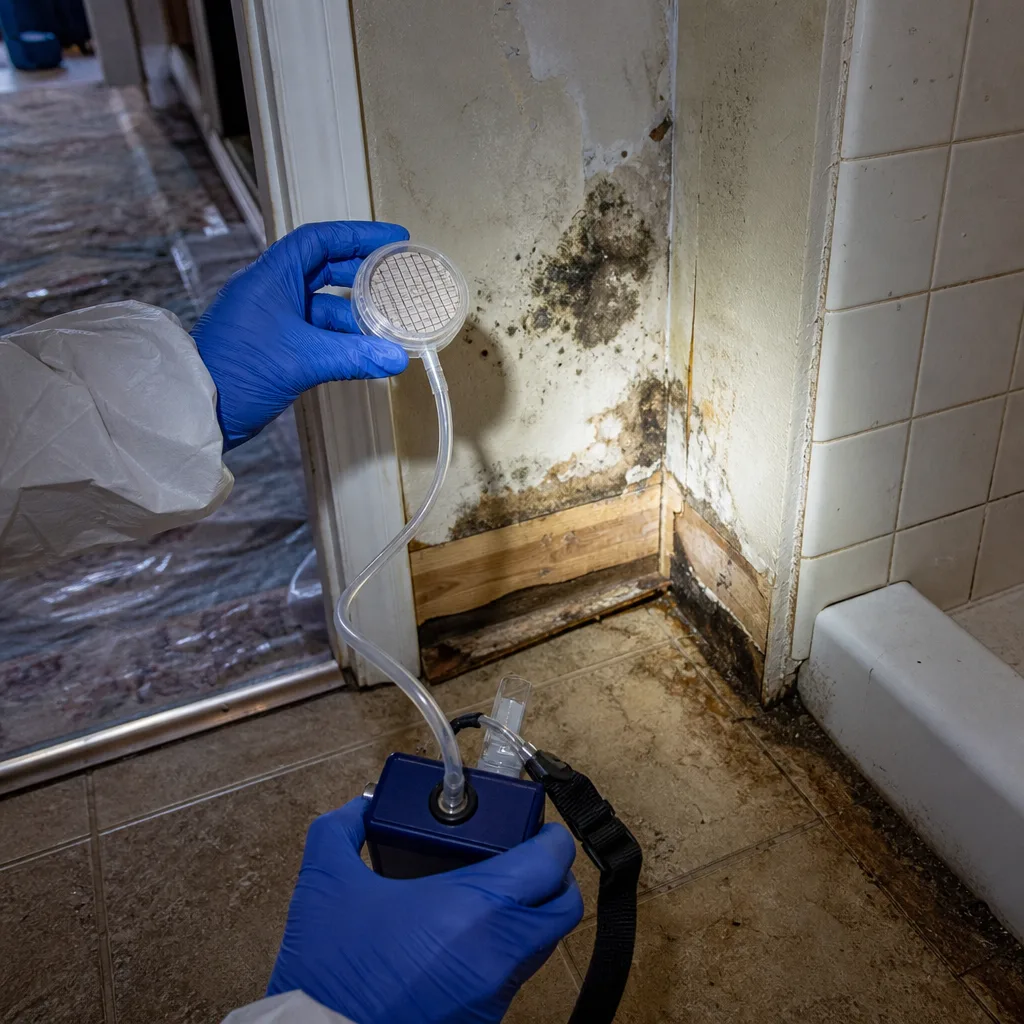
Basement Water Removal
True basements are rare in Fullerton, but pier-and-beam crawlspaces function as below-grade water traps when drainage fails. We extract standing water, install temporary sump pump systems if the primary drainage is compromised, and deploy low-profile air movers and desiccant dehumidifiers in confined spaces where standard equipment won’t fit. Access hatches in historic core homes are often original and undersized; our crews carry modified equipment configurations for these constraints.
Ceiling & Roof Leak Water Damage
Original composition roofing on 1960s-1970s Sunny Hills ranch homes reaches end of service life with predictable failure patterns: dried flashing, cracked vent boots, and wind-driven rain intrusion at rake edges. When water enters the attic, it travels along rafters and drips at points distant from the actual roof breach. Our ceiling leak protocol includes attic moisture mapping, removal of wet insulation, and targeted drying of the ceiling cavity from above and below using Injectidry hose systems. We photograph the roof damage for your adjuster before any temporary tarping, because the source repair scope is often a separate claim component.
What happens when you call
- 1
A real person answersNo phone trees - you reach a local pro.
- 2
You get an upfront price rangeHonest numbers before anyone is dispatched.
- 3
A background-checked tech heads outLicensed & insured, dispatched right away.
- 4
You approve before work beginsNothing starts until you say go.
BeforeAfterTrusted Brands We Service in Fullerton
Our equipment inventory reflects the brands that produce documentation-grade drying performance: Dri-Eaz and Phoenix dehumidification systems, XPOWER and B-Air air movers, and Injectidry specialty drying systems for hardwood floors and wall cavities. All equipment is maintained to RIA and IFA standards, with runtime logs that accompany your job file. We don’t rent equipment by the day and hope for the best. We own our fleet, we service it in-house, and we size each deployment to the specific psychrometric conditions of your Fullerton home. Faster equipment deployment means shorter drying timelines, less secondary damage, and lower overall claim costs that adjusters recognize and approve.
Common Water Damage Restoration Problems We See in Fullerton Homes
- Clay-tile drainage overwhelmed by winter storm intensity. The 1920s-1950s historic core neighborhoods still rely on original clay-tile storm laterals sized for a smaller hydrological era. When Santa Ana wind-driven rain hits at intensity, these systems back up and push Category 2 water under original redwood subfloors faster than a standard moisture mapping pass catches it. We always inspect remote crawlspace areas on these losses.
- Plaster-and-lath walls that wick silently after long dry spells. Fullerton’s pre-1950 Craftsman and Spanish Revival homes have dried-out stucco and plaster that act like straws when rain finally comes. The visible damage reads as a ceiling stain, but the wall cavity is already feeding mold growth inside the 24-48 hour window. Our initial scope includes cavity probing and air sampling when plaster is involved.
- Slab and attic leaks hidden by original composition roofing. Sunny Hills ranch homes carry 1960s-1970s roofing at end of life, with freshwater supply lines running through attics and slabs. A leak isn’t visible until the HVAC system has circulated Category 3 moisture through the whole envelope. We inspect return plenums and ductwork on every upper-floor water loss in these neighborhoods.
- Old-growth redwood framing that masks saturation depth. Restoration techs working Fullerton’s older bungalow neighborhoods routinely find that what scopes as a minor leak has silently saturated original old-growth redwood framing hidden under decades of layered flooring. That dense-grain redwood resists visible rot far longer than modern lumber, so by the time a homeowner notices a problem, the structural drying and rebuild scope is already two to three times what the initial inspection suggested.
Pricing for Water Damage Restoration in Fullerton, CA
Water damage mitigation in Fullerton runs $2,800-$7,500 for most residential losses, with the first 48 hours of emergency extraction and structural drying typically $1,200-$3,200. Category 3 sewage or storm losses with contaminated materials removal start higher, at $4,500-$9,000. Burst pipe restoration with wall cavity drying and plumbing access runs $3,200-$6,800. Ceiling and roof leak damage with attic insulation removal and cavity drying ranges $2,400-$5,500.
What moves the number: the water category (clean, gray, or black), the percentage of walls and flooring that are salvageable versus removable, whether the subfloor is original redwood requiring extended tertiary drying, and whether asbestos or lead testing is required on pre-1978 homes. Haven Standard, Clause 1: you’ll receive a written price before any work begins, with no scope-creep additions once our crew is inside your home. We also offer a Free Second Opinion on any competitor’s written estimate - bring their scope and we’ll review it at no charge.
Call (562) 600-5083 for your written estimate. Estimates are free.
We Also Serve Cities Near Fullerton
Our Water Damage Restoration crews serve homeowners throughout north Orange County and adjacent Los Angeles County communities, including Fullerton, Buena Park, La Palma, Cypress, and Cerritos. Dispatch and scheduling are coordinated from our Los Angeles office; crews are routed daily to minimize response times across the service area.
Serving Fullerton, CA - Our Local Coverage Area
We’re based in the Fullerton area and know this community well. Use the map below to see our service coverage - if you’re nearby, we can almost certainly help.
FAQs - Water Damage Restoration in Fullerton
Fullerton’s pre-1950 Craftsman and Spanish Revival homes contain old-growth redwood framing and plaster-and-lath walls that hide moisture far longer than the modern lumber and drywall used in Irvine’s 1980s-and-newer construction. By the time a Fullerton homeowner sees a stain, the structural saturation is often two to three times deeper than the visible damage suggests. Our moisture mapping protocol is designed to catch this early, but the drying timeline and rebuild scope are inherently larger. Call (562) 600-5083 and we’ll walk through what your specific home’s construction means for the estimate.
Yes, in many cases. We use Injectidry floor-drying systems and low-profile air movers to force dry air through the subfloor cavity from below, preserving original hardwood and tile finishes that would be destroyed by removal. The feasibility depends on the water category, the subfloor material, and whether mold growth has already exceeded the 24-48 hour colonization window. We inspect and give you a written scope before any demolition begins. Call (562) 600-5083 for a free assessment.
Within the first 4-6 hours for optimal salvage outcomes, and absolutely within 24 hours to prevent mold colonization on organic materials. Our live dispatch answers 24 hours a day, 7 days a week, with crew routing that typically puts equipment on-site in Fullerton within 45-90 minutes. The first 48 hours define whether your hardwood floors, plaster walls, and subfloor are salvageable or become demolition items. Call (562) 600-5083 for immediate dispatch.
Yes. Because Fullerton sits in the Santa Ana wind corridor, the same inland-city blocks that face recurring wildfire smoke in fall get slammed by short-duration winter storms that overwhelm the undersized storm laterals and clay-tile drainage originally sized for the 1920s - a seasonal one-two punch that coastal OC cities like Huntington Beach simply don’t have to design restoration scopes around. Our Fullerton scopes always include drainage capacity assessment and crawlspace moisture mapping that a generic Orange County protocol might skip. Call (562) 600-5083 for a scope written to your home’s actual conditions.
A complete mitigation scope includes: emergency extraction and standing water removal; moisture mapping with thermal imaging and non-penetrating meters; classification of all affected materials by IICRC water category; removal of non-salvageable porous materials; application of antimicrobial treatments to exposed framing; deployment of psychrometrically calculated drying equipment; daily moisture readings logged to a drying record; and final clearance verification before rebuild authorization. Every step is photographed, every reading is logged, and the entire file is delivered to you and your adjuster as a standard deliverable, never an upsell. Call (562) 600-5083 for your written scope.
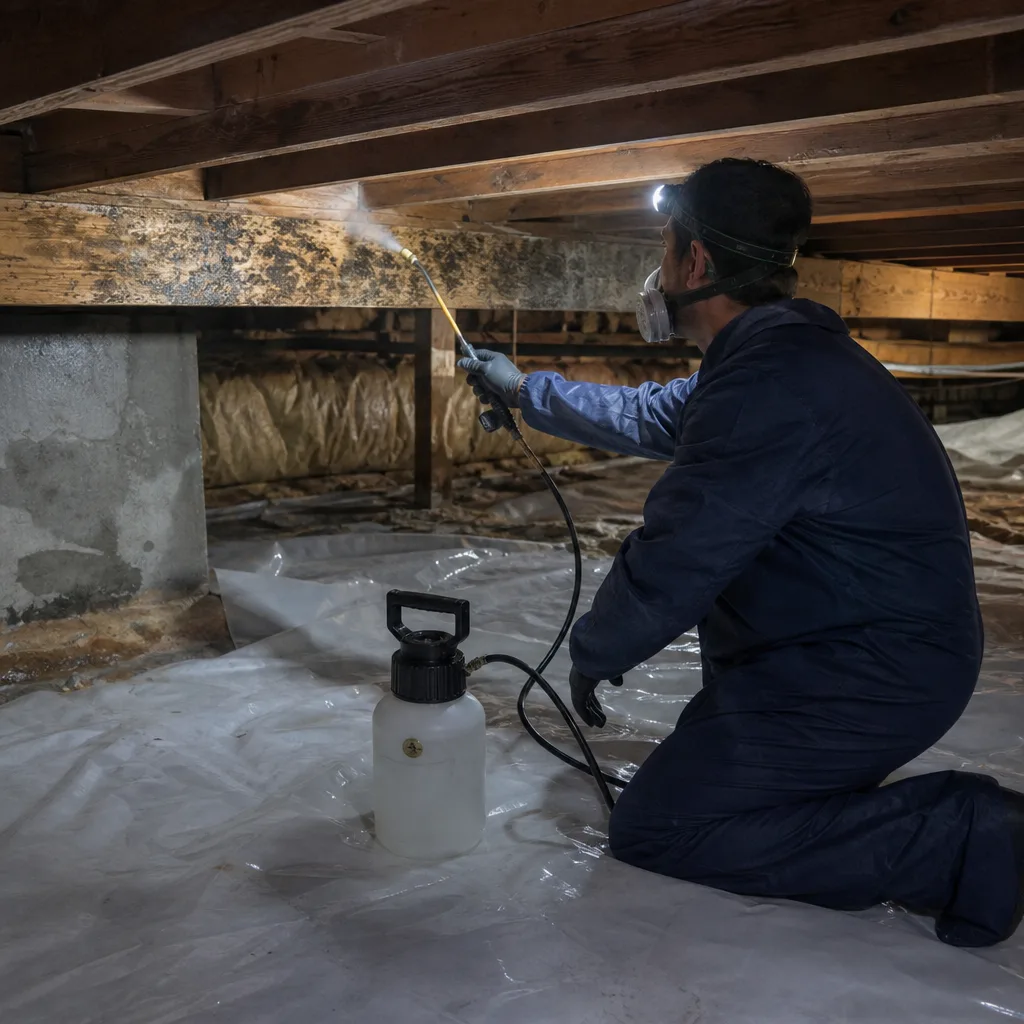
We were called to a 1928 Craftsman bungalow off N. Harbor Blvd. in the historic core after a homeowner shrugged off a ‘small’ wet spot on the kitchen floor; moisture readings and a non-penetrating meter told a very different story - the original old-growth redwood subfloor and plaster-and-lath wall cavity were already saturated, and our air movers and Dri-Eaz dehus ran for four days to structural drying target. We sprayed antimicrobial treatment on the exposed framing, logged every drying log for the adjuster’s scope of work, and the rebuild came in at roughly triple what the initial leak suggested.
Ready for your written estimate? Call (562) 600-5083 now. A live person answers 24 hours a day, 7 days a week. We’ll schedule a same-day assessment, deliver a written price before any work begins per Haven Standard, Clause 1, and document every step with the photo record and drying logs that turn your restoration invoice into a claim your insurer pays without a fight.
Written by Alicia Brennan, Owner at Back to Dry Restoration, serving Fullerton since 2011.