
Last updated September 23, 2026
Free visual inspection and a written scope of work before any mitigation begins - photos, moisture readings, and drying logs go in your claim file
The scope we write is the scope we bill. Anything new gets shown to you, in writing, before we touch it.


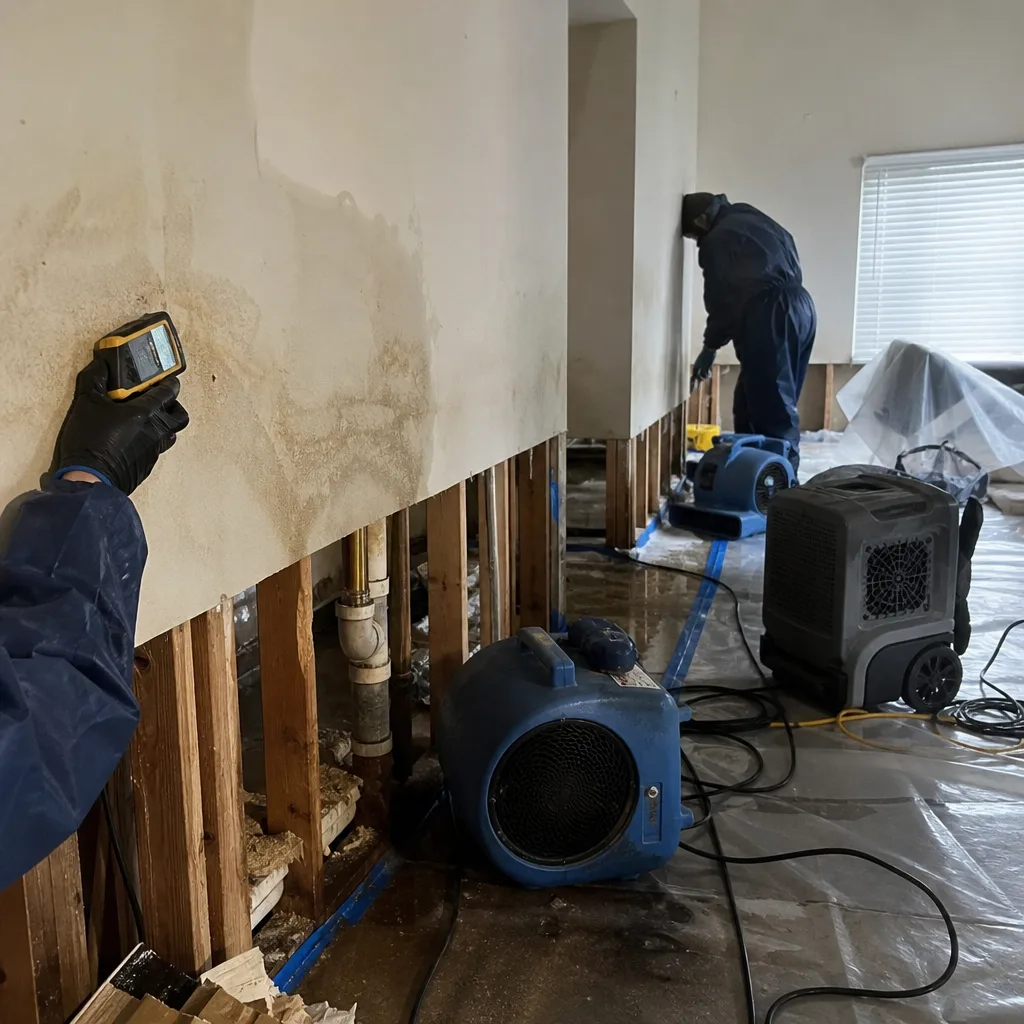 Before
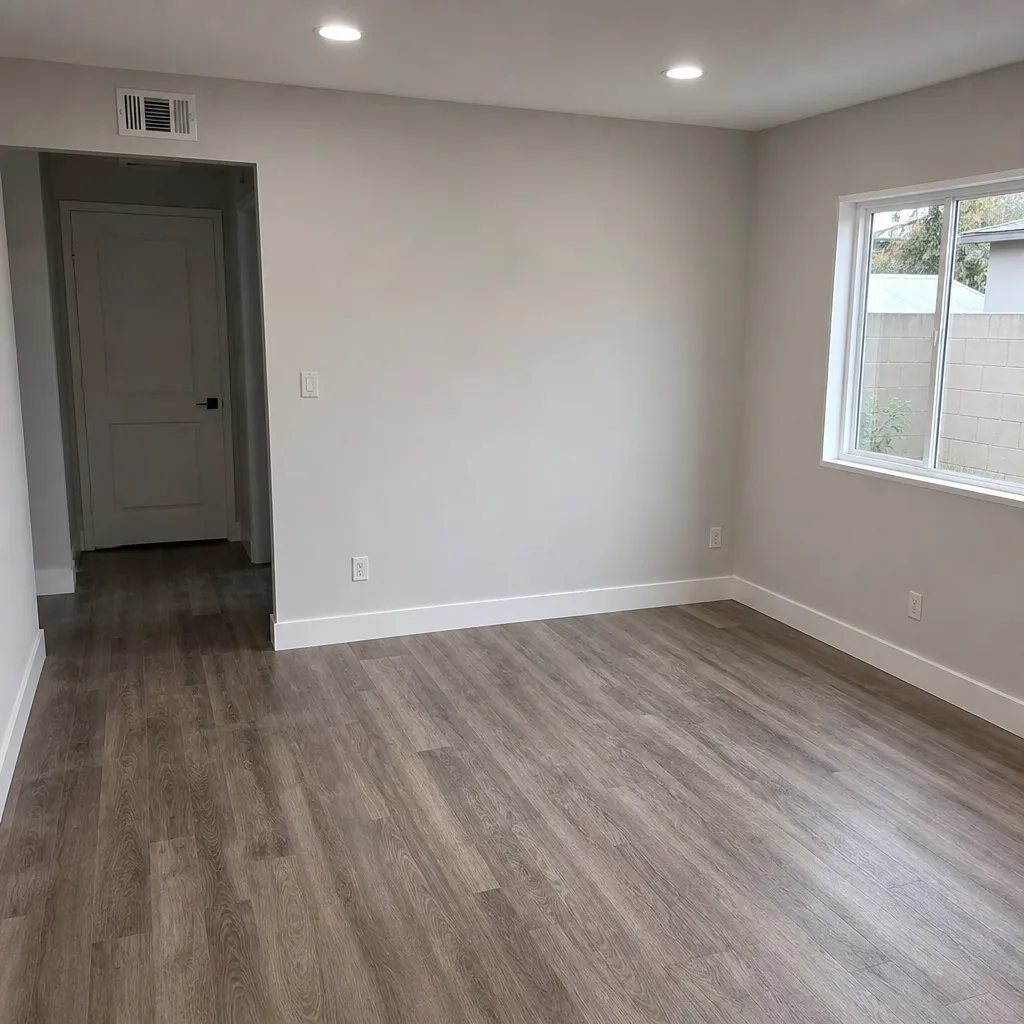 After
After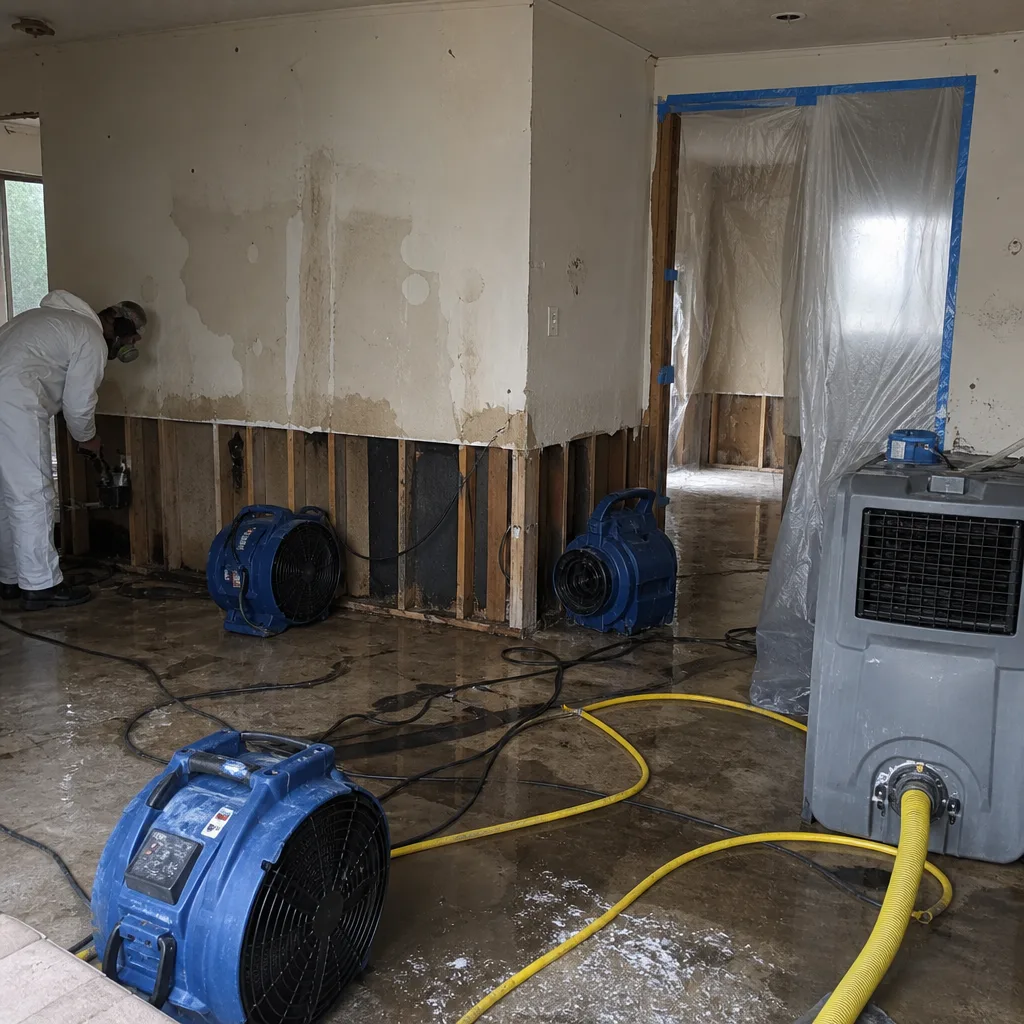 Before
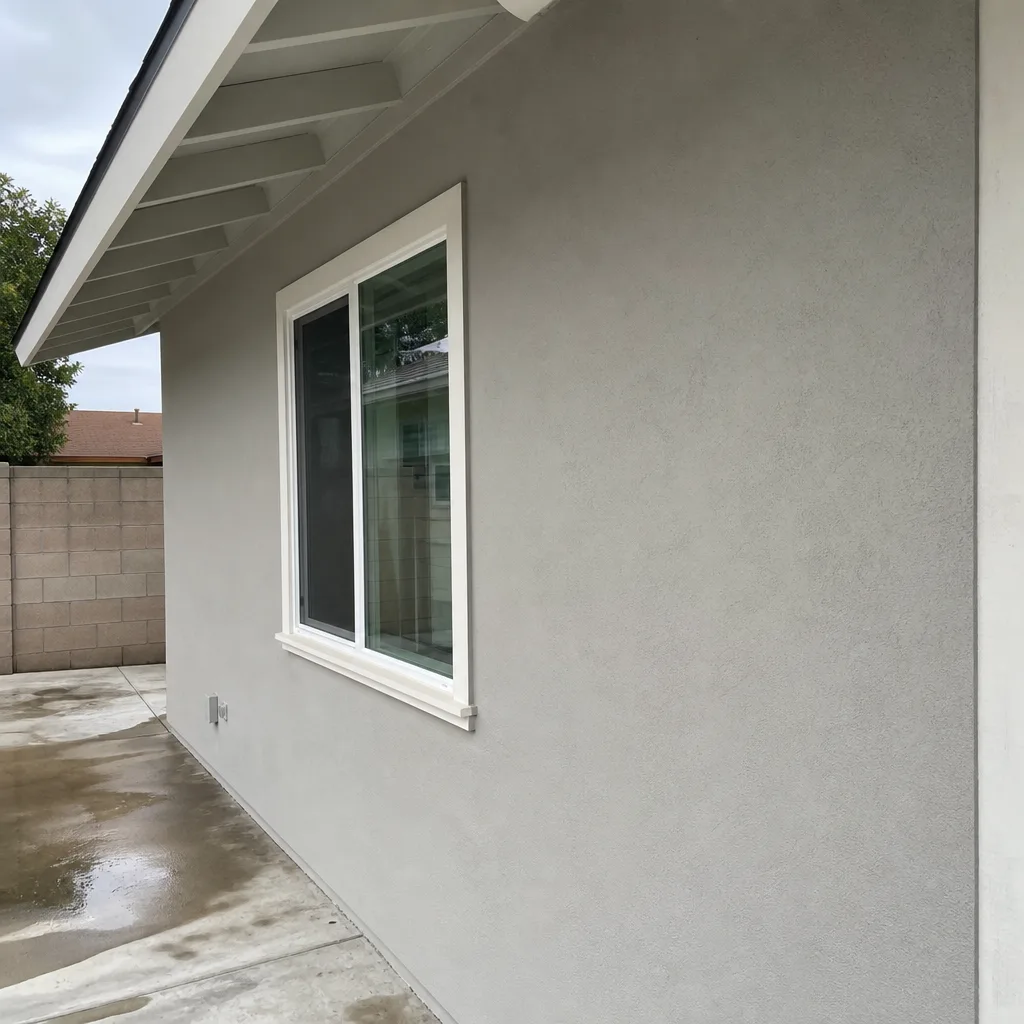 After
After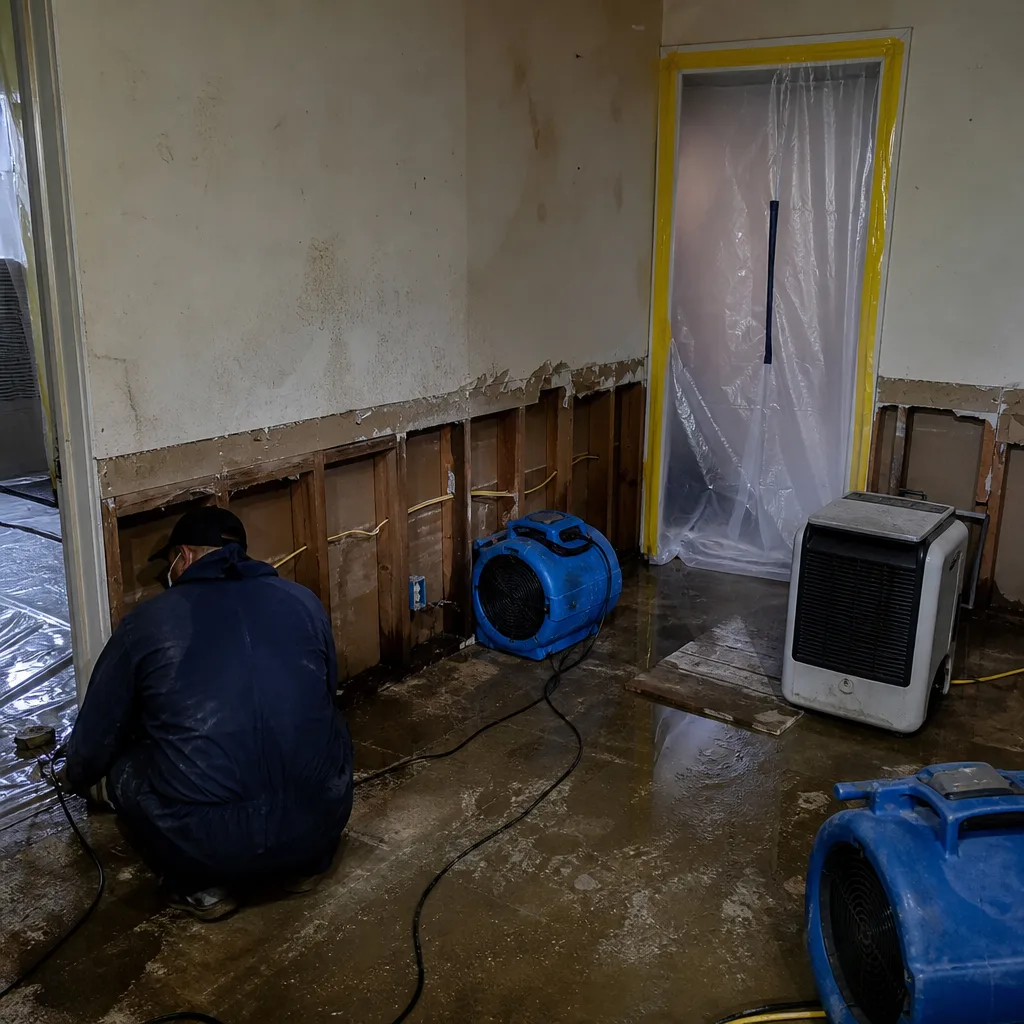 Before
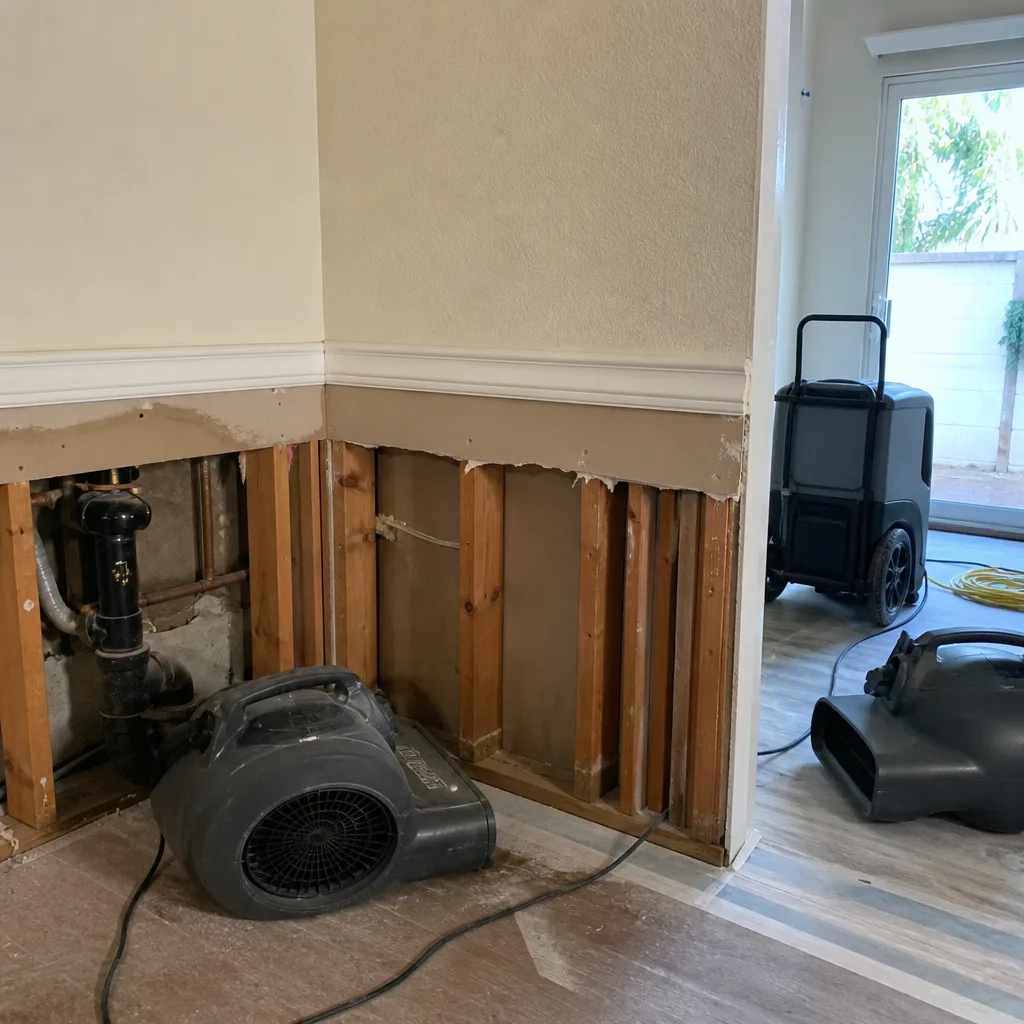 After
AfterDIY vs Professional Damage Restoration: The Cerritos Homeowner’s Decision Guide
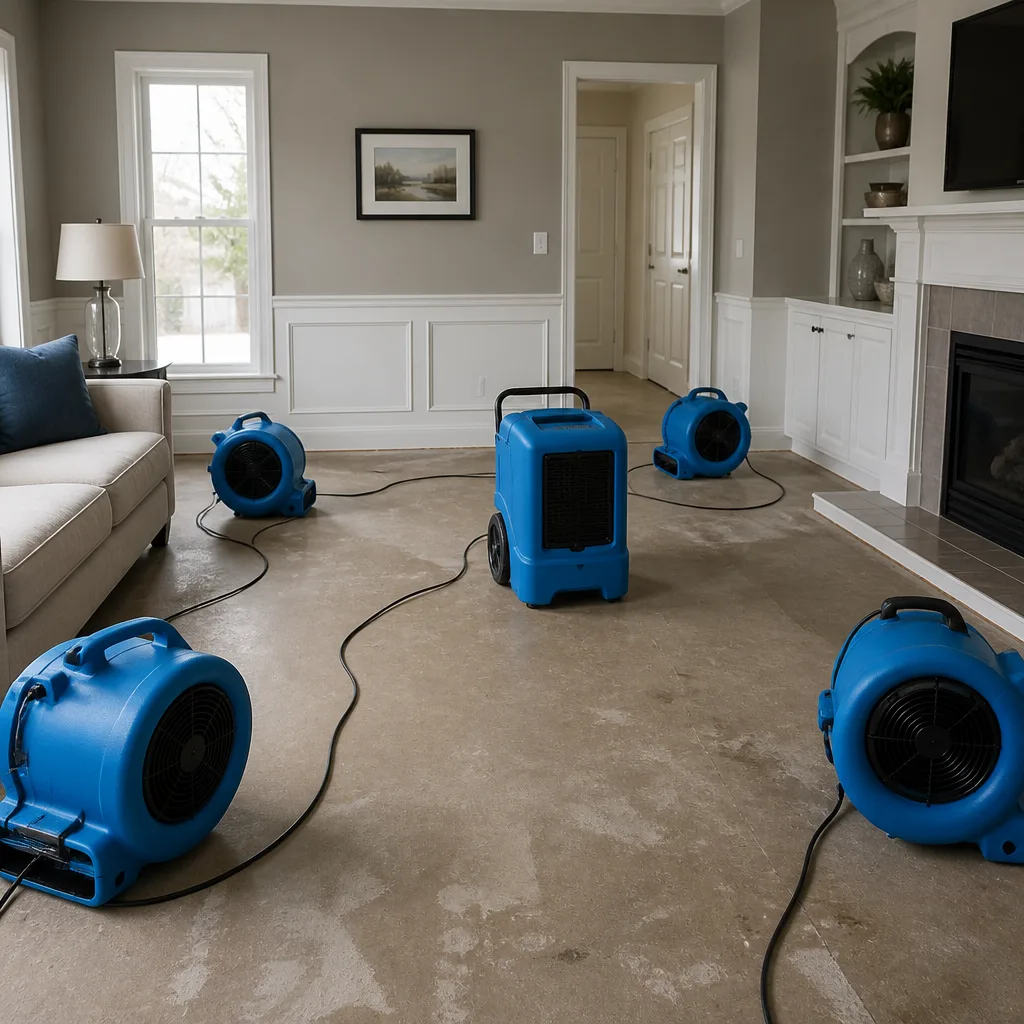
Renting a dehumidifier from Home Depot costs $85 a day and feels like action. But without daily psychrometric logs showing grain depression and specific humidity targets, your insurer has no basis to reimburse equipment costs and no evidence the structure actually dried. In Cerritos, where summer marine-layer humidity can hold moisture in wall cavities for weeks, we’ve seen homeowners spend $400 on rental gear only to face $12,000 in denied secondary-damage claims. This guide - along with our Water Damage Restoration Maintenance Checklist for Cerritos Homeowners - shows where self-help saves money, where it voids coverage, and how to tell the difference before you swipe your card.
Quick Answer
DIY damage restoration is defensible for Category 1 clean water losses under 150 square feet with no HVAC involvement, provided you document daily moisture readings with a calibrated pinless meter. For everything else in Cerritos - Category 2 or 3 water, mold growth, fire damage, sewage backup, or any loss touching pre-1980 construction - professional mitigation is required to produce insurer-ready documentation and avoid health code liability. See our How to Hire a Damage Restoration Contractor in Cerritos: A Step-by-Step Guide for vetting qualified providers.
Table of Contents
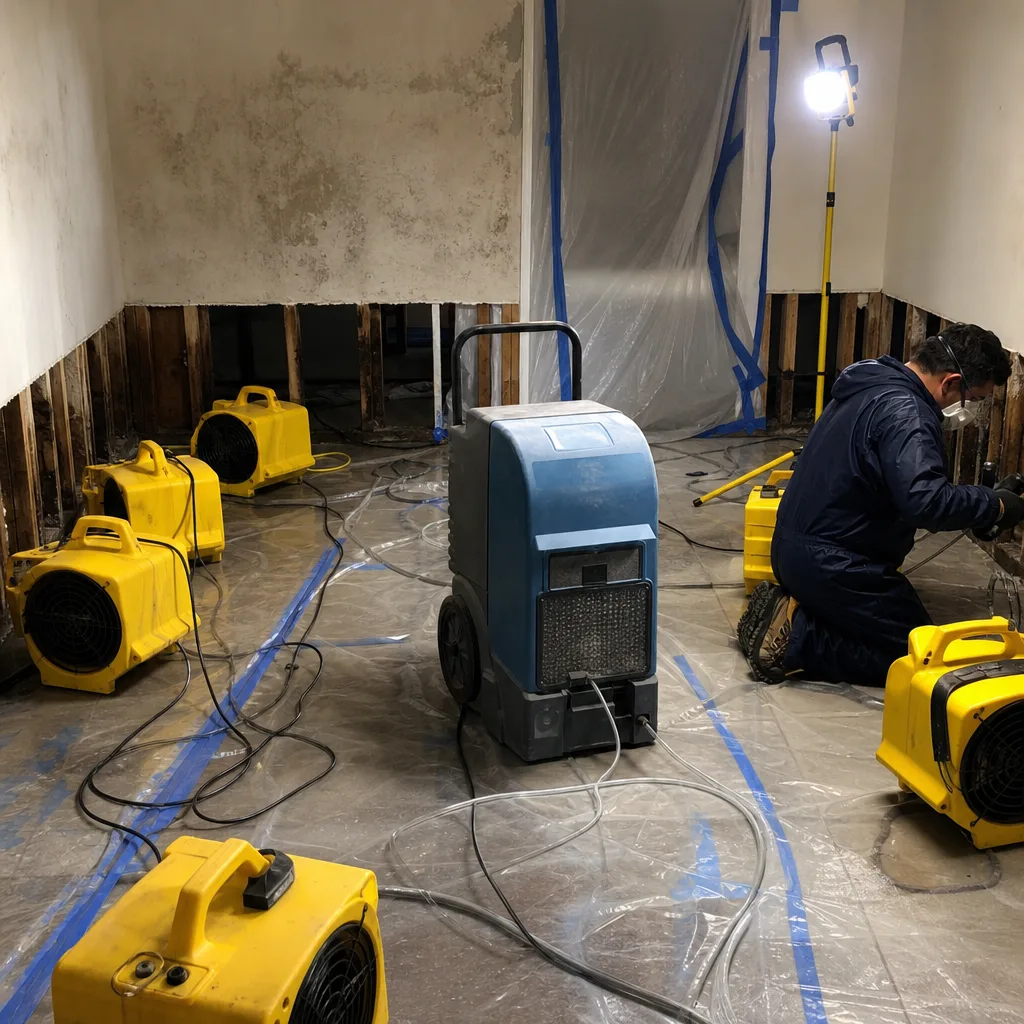
- Water Damage Categories: Where DIY Ends and Liability Begins
- The Documentation Gap That Voids Insurance Claims
- The 48-Hour Mold Threshold: Calculating Your Drying Window
- Three Scenarios Where Professional Help Is Non-Negotiable
- True Cost Comparison: Contractor Fees vs. Contested Claim Value
- What Rental Equipment Actually Delivers (And What It Cannot)
- Cerritos Climate Factors That Change the Math
- A Step-by-Step Decision Framework for Homeowners
BeforeAfterWater Damage Categories: Where DIY Ends and Liability Begins
The IICRC S500 standard defines three water categories, and most Cerritos homeowners don’t know which one they’re facing until it’s too late. Category 1 is clean water from a broken supply line or overflowing sink - no contaminants, no immediate health risk. Category 2 is gray water with elevated bacteria: dishwasher discharge, washing machine overflow, sump pump failures. Category 3 is black water: sewage, seawater intrusion, or any water that has passed through ground soil or building materials.
DIY mitigation is technically defensible only for Category 1 losses under strict conditions. The water must originate from a known clean source, affect less than 150 square feet of combined floor and wall area, and not have wicked into structural assemblies. Once Category 1 water sits for 48 hours, it degrades to Category 2 by IICRC definition. In Cerritos, where daytime humidity in July averages 65-75%, that degradation window shrinks.
Category 2 and 3 losses trigger California Health and Safety Code requirements for personal protective equipment, containment protocols, and specialized disposal. A homeowner handling gray water without proper PPE faces liability if a family member later develops respiratory infection. More critically for most Cerritos homeowners, insurers routinely deny DIY Category 2 and 3 claims for “failure to mitigate properly,” shifting the entire reconstruction cost to the policyholder.
We’ve documented this pattern across hundreds of claims. A homeowner in the Cerritos Auto Square area attempted self-mitigation of a washing machine line failure in 2022. They rented two air movers and a dehumidifier for five days, kept receipts totaling $425, and dried the visible carpet. Eight months later, mold in the subfloor required $18,400 in remediation. The insurer denied the mold claim, citing “inadequate initial drying per S500 standards.” The $425 in rental receipts were reimbursed; the $18,400 in consequential damage was not.
The dividing line is not skill or willingness to work. It is the documentation standard that converts mitigation activity into an insurer-recognized asset. Category 1 with a written drying log from a certified restorer creates a payable claim. Category 1 with rental receipts and no psychrometric data creates a contested claim at best.
The Documentation Gap That Voids Insurance Claims
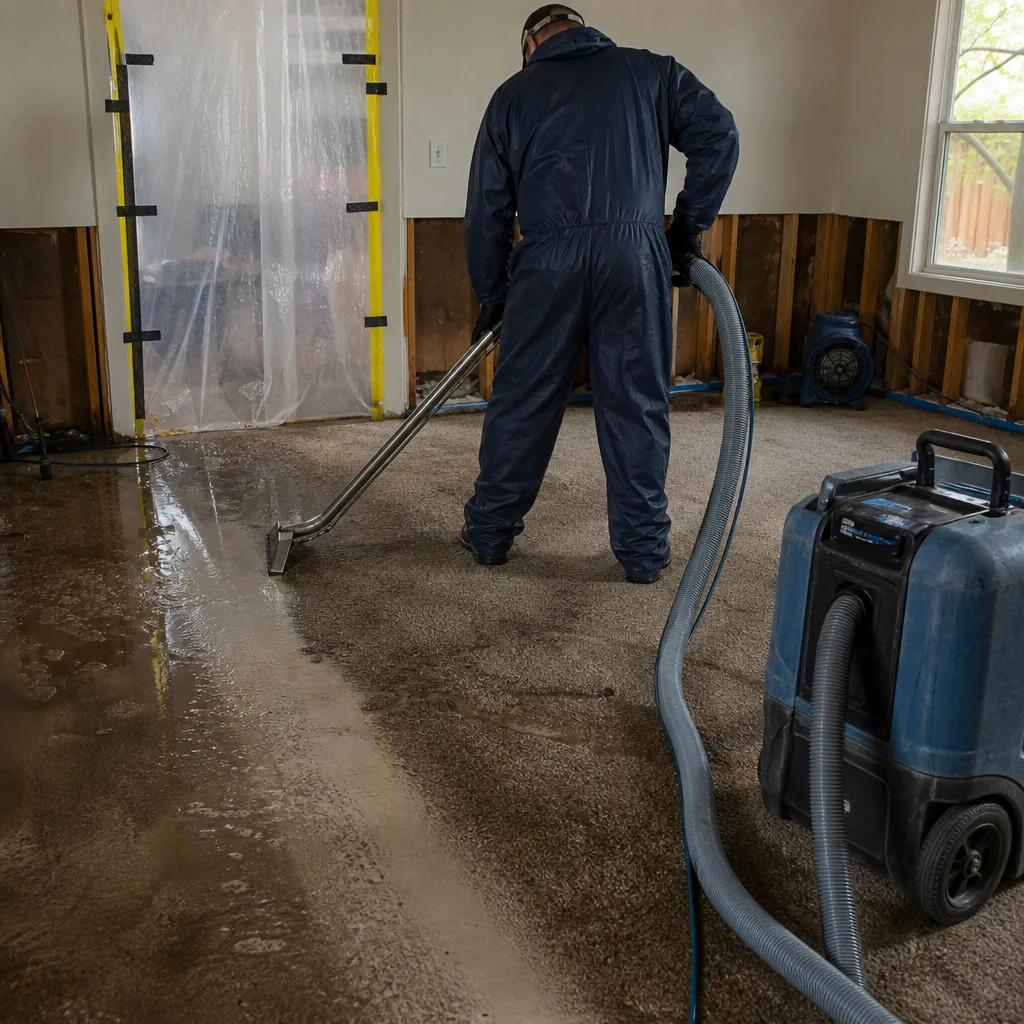
Insurance adjusters do not pay for effort. They pay for evidence. This is the core documentation gap that destroys DIY restoration claims in Cerritos and across California.
When a professional restoration company completes water mitigation, the deliverable package includes: a written scope of work signed before any equipment runs; daily moisture readings with make, model, and calibration date of each instrument; psychrometric data showing temperature, relative humidity, and specific humidity at multiple points; photographic documentation with timestamps on every visit; and a certificate of dryness stating that materials have returned to within acceptable moisture content for their classification. This package turns a restoration invoice into a payable claim because it gives the adjuster defensible documentation to approve payment.
DIY mitigation produces none of this. A rental receipt from Sunbelt or Home Depot shows that equipment was obtained. It does not show that the equipment was sized correctly for the affected volume. It does not show that the equipment ran continuously. It does not show that drying targets were achieved. An adjuster facing a $3,200 equipment reimbursement request with no moisture logs has no basis to approve it - and every incentive to deny it, since approving undocumented claims exposes the insurer to fraud risk.
At DryMark Restoration Cerritos home, our standard documentation package for a typical residential water loss runs 40-60 pages. It includes the initial moisture mapping, the written scope under Haven Standard Clause 1, daily drying logs with grain depression calculations, equipment placement diagrams, and the final certificate of dryness. This is not excessive. It is what a claims examiner needs to process payment without escalating to a senior adjuster or requesting additional verification.
The financial asymmetry is stark. Professional mitigation for a 500-square-foot Category 1 loss in Cerritos typically costs $2,800-$4,200. The documentation package that accompanies it supports full reimbursement of mitigation plus reconstruction. DIY mitigation might cost $600-$900 in rental equipment. Without documentation, the same adjuster who would have approved $4,200 in professional fees may approve $0 in DIY equipment costs, leaving the homeowner to fund all reconstruction from pocket.
Haven Standard, Clause 1 requires a written price before work begins precisely because documentation starts at first contact, not when equipment arrives. A homeowner who begins DIY mitigation before establishing a professional paper trail has already compromised their claim timeline.
The 48-Hour Mold Threshold: Calculating Your Drying Window
IICRC S520, the standard for professional mold remediation, establishes that mold colonization begins on wet organic materials within 24-48 hours of moisture intrusion. This is not a theoretical window. It is a biological constraint that no amount of effort can extend.
Calculating whether your DIY drying is on pace requires three measurements: the current moisture content of affected materials, the indoor relative humidity, and the outdoor specific humidity. In Cerritos, summer marine-layer conditions often mean outdoor air at 70% relative humidity and 75°F - conditions that actively impede indoor drying unless the conditioned space is sealed and dehumidified aggressively.
Here’s the calculation most homeowners never perform:
- Measure moisture content of affected drywall or wood framing with a pinless moisture meter. Standard drywall at equilibrium in Cerritos reads 10-12%. Wet drywall reads 20% or higher. The target is return to within 2% of unaffected areas.
- Measure indoor relative humidity at the center of the affected room, not near the wet area where evaporation temporarily spikes readings. Target: below 50% RH for active drying, below 60% RH to prevent secondary mold growth.
- Calculate the vapor pressure differential between the wet material and the surrounding air. This requires converting relative humidity to vapor pressure using a psychrometric chart or app. A positive differential means moisture is moving from material to air; a negative or flat differential means drying has stalled.
Most rental dehumidifiers from hardware stores remove 30-50 pints per day under optimal conditions. A 1,000-square-foot water loss with wet carpet, pad, and baseboard generates 15-25 gallons of free water. The math is unforgiving: one residential dehumidifier cannot process that load in 48 hours, especially in Cerritos humidity.
Professional-grade systems from Phoenix and Dri-Eaz, deployed with air movers sized to the affected cubic footage, can achieve 100-150 pint removal daily with proper placement and containment. The difference is not brand preference. It is the capacity to drive vapor pressure differentials that actually move moisture out of structural assemblies before the 48-hour colonization window closes.
We’ve arrived at Cerritos homes where homeowners ran rental dehumidifiers for three days, saw dry surface carpet, and assumed success. Moisture meter readings in the subfloor showed 28% content - well into mold-supporting territory. The equipment ran; it simply lacked the capacity and placement strategy to dry the structure. Surface drying is not structural drying.
Three Scenarios Where Professional Help Is Non-Negotiable
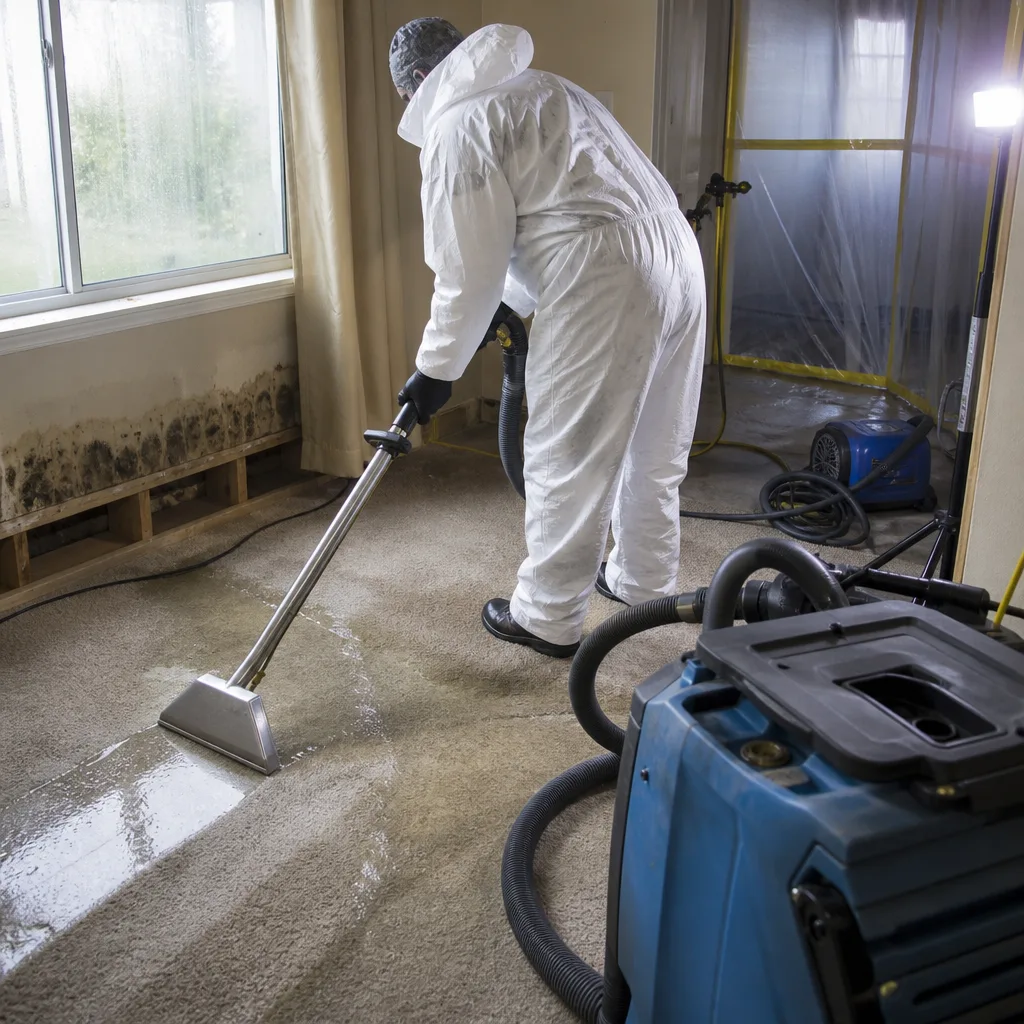
Regardless of water category, apparent damage extent, or homeowner capability, three conditions in Cerritos properties require immediate professional involvement. These are not recommendations. They are liability boundaries.
Sewage backup or any Category 3 loss. Black water carries enteric pathogens, hepatitis viruses, and parasites that require OSHA-compliant PPE and specialized disposal. California regulations classify sewage-impacted materials as medical waste when saturation exceeds specific thresholds. A homeowner handling these materials without training and equipment faces personal health risk and potential citation. Insurers virtually never reimburse DIY sewage mitigation; the documentation requirements include waste manifests and chain-of-custody records that only licensed contractors can produce.
Any water loss touching HVAC ductwork. Cerritos homes with central air conditioning present a unique risk: water drawn into return ducts distributes moisture and contaminants throughout the entire conditioned space. Duct insulation, once wet, cannot be effectively dried in place and becomes a mold reservoir. DIY mitigation that addresses the visible water but misses duct contamination creates a systemic problem that manifests months later as widespread mold with no single point of origin. Professional duct inspection with borescope cameras and air sampling is required to document whether contamination occurred.
Any loss in a home built before 1980. Cerritos saw substantial development in the 1960s and 1970s, and many neighborhoods - including areas near Cerritos Regional Park and along South Street - contain homes with asbestos-containing building materials. Water damage to asbestos-containing drywall, joint compound, or floor tiles requires abatement protocols under California OSHA regulations. Disturbing these materials during DIY demolition without testing and containment creates airborne fiber exposure and criminal liability. Professional restoration includes asbestos survey documentation that protects both health and legal standing.
These three scenarios share a common feature: the hazard is not visible to untrained inspection. Sewage contamination wicks laterally behind baseboards. Duct moisture hides in flex runs above ceilings. Asbestos content requires laboratory identification. Professional involvement is non-negotiable because the risk is hidden.
True Cost Comparison: Contractor Fees vs. Contested Claim Value
The standard DIY-vs.-professional comparison focuses on out-of-pocket expense: $800 in rentals versus $3,500 in contractor fees. This framing misleads Cerritos homeowners because it omits the value of documentation and the cost of claim denial.
Consider a typical scenario: water damage from a supply line failure affecting 400 square feet of living space in a Cerritos home insured with a standard HO-3 policy.
| Cost Component | DIY Approach | Professional Mitigation |
|---|---|---|
| Initial equipment/rental | $600-$900 | $0 (included in service) |
| Contractor mitigation fee | $0 | $3,200-$4,800 |
| Documentation package | $0 (not produced) | Included |
| Insurer reimbursement likelihood | 30-50% for equipment only | 85-95% full mitigation + reconstruction |
| Reconstruction if claim denied | $8,000-$15,000 out of pocket | $0-$2,000 deductible |
| Secondary damage (mold, rot) if drying fails | $5,000-$25,000 | Covered under 365-Day Done Right Promise |
The documentation package that professional mitigation produces has measurable value. In our experience with Cerritos claims, documented professional mitigation achieves full reimbursement in approximately 90% of cases where the loss is within policy limits and not excluded. DIY equipment rental claims achieve partial reimbursement in fewer than half of cases, and reconstruction coverage drops sharply when the adjuster notes “self-mitigation, no drying logs.”
The break-even analysis changes when you price documentation as a separate line item. If a homeowner could purchase a certified drying log and photo record for $2,500, most would - because it converts a contested claim into a payable one. Professional mitigation bundles this documentation into the service fee. The $3,200 contractor invoice is not simply labor and equipment. It is labor, equipment, and the paper trail that makes the insurer pay.
At Water Damage Restoration in Cerritos, we provide the written scope before work begins under Haven Standard, Clause 1, so homeowners know exactly what documentation they will receive and what it will cost. No surprise fees after the crew is inside. The price includes the drying logs, the photo record, and the certificate of dryness that the adjuster needs.
For homeowners considering DIY, we offer a Free Second Opinion on any competitor’s written estimate or any self-directed mitigation plan. Bring your rental receipts and your moisture readings. We’ll show you what documentation gap remains and what it will cost to close it before the claim deadline passes.
What Rental Equipment Actually Delivers (And What It Cannot)
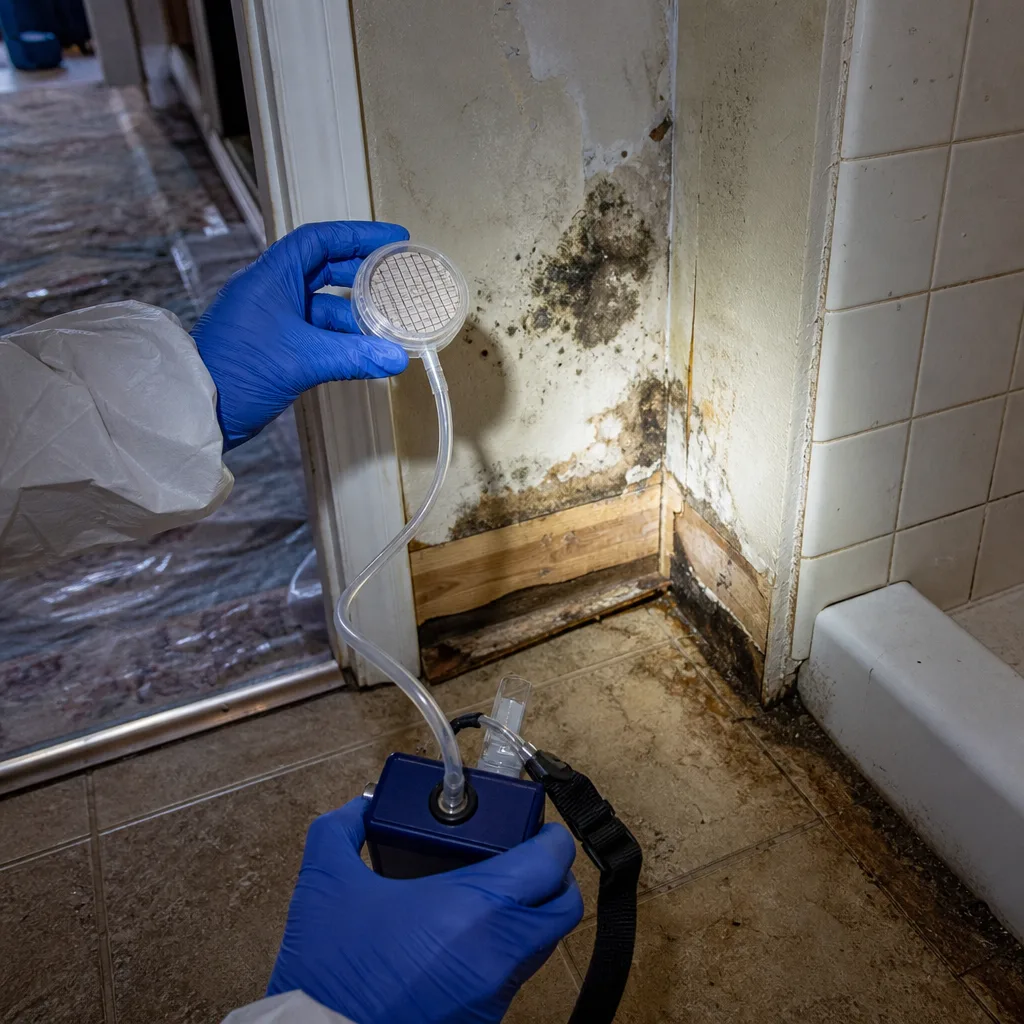
Hardware store rental departments stock equipment that looks identical to professional gear. The visual similarity creates false confidence. Understanding the functional differences is essential to evaluating DIY feasibility.
Dehumidifiers: Standard rental units typically achieve 30-50 pints per day at 80°F, 60% RH - conditions rarely present in actual water losses. Professional-grade Dri-Eaz and Phoenix units achieve 80-130 pints under the same conditions and maintain performance at lower temperatures. More critically, professional units include onboard humidistats and hour meters that document runtime and achievement of target conditions. Rental units do not produce this data.
Air movers: Rental air movers move air; they do not direct it with the precision that structural drying requires. Professional drying places air movers at specific angles to create laminar airflow across wet surfaces, with velocity calculated to the material type. Carpet requires different airflow than hardwood; subfloor requires different placement than wall cavity. The three-speed switch on a rental unit does not substitute for placement protocol.
Moisture detection: This is where the DIY approach most commonly fails. Pinless moisture meters available to consumers for $40-$80 provide relative readings without calibration verification. Professional meters cost $400-$800, are calibrated annually to NIST-traceable standards, and produce readings with documented accuracy of +/- 0.5%. An insurer will not accept a homeowner’s moisture reading from an uncalibrated instrument. The reading has no chain of custody, no calibration date, and no technician certification.
Injectidry and specialty systems: Wall cavity drying, hardwood floor mat systems, and subfloor injection drying require equipment not available at retail rental. In Cerritos, where many homes have plaster-over-lath construction or engineered hardwood flooring, these specialty systems are often necessary to dry structural assemblies without destructive removal. DIY mitigation that cannot access these tools defaults to “remove and replace” - the most expensive reconstruction path.
The equipment gap is not about brand names. It is about capacity, documentation, and access to techniques that preserve materials rather than destroying them. Professional-grade drying from Phoenix and XPOWER systems, deployed with proper technique, can save hardwood floors and plaster walls that DIY equipment would condemn to demolition.
Cerritos Climate Factors That Change the Math
Cerritos sits at 33.8°N, 12 miles from the Pacific Ocean, in a climate zone that complicates drying calculations. The marine layer pushes inland on summer mornings, holding relative humidity above 70% until midday. Winter storms bring Pacific moisture that can saturate exterior walls even without direct water intrusion. These conditions do not prevent DIY drying, but they extend drying timelines and increase equipment requirements.
Specific local factors:
- Marine layer persistence: From May through August, Cerritos frequently experiences overnight humidity above 80% with temperatures in the 60s. These conditions mean dehumidifiers work harder for longer to achieve target specific humidity. A drying calculation that assumes inland California conditions will underestimate equipment needs by 30-40%.
- Slab-on-grade construction: Many Cerritos neighborhoods, particularly those developed in the 1960s-70s near Bloomfield Avenue and Carmenita Road, feature slab foundations with minimal vapor barriers. Ground moisture wicks upward through concrete, creating a continuous moisture source that surface drying cannot address. Professional mitigation includes sub-slab moisture testing and vapor pressure measurement that rental equipment cannot perform.
- Stucco exterior, drywall interior: The standard Cerritos residential envelope traps moisture in wall cavities. Stucco is permeable to liquid water but slow to release vapor. Once water enters the wall assembly, it remains available for mold growth for extended periods. Cavity drying with Injectidry or similar systems is often necessary to achieve structural dryness without removing interior drywall.
- Seasonal Santa Ana influence: Fall Santa Ana winds drop humidity dramatically and create rapid surface drying that deceives homeowners. Dry carpet over a wet pad, or dry paint over wet drywall, is common in these conditions. The surface reads dry; the structure remains compromised.
We’ve responded to calls in the Cerritos Towne Center area where homeowners dried visible surfaces during a Santa Ana event, only to discover mold six weeks later when normal humidity returned. The rapid surface drying had stopped evaporation before the structure dried, trapping moisture in the assembly.
Climate-aware drying requires continuous monitoring, not intermittent checking. Professional deployment includes data loggers that record conditions every 15 minutes, producing the documentation that proves drying occurred under all weather conditions.
A Step-by-Step Decision Framework for Homeowners
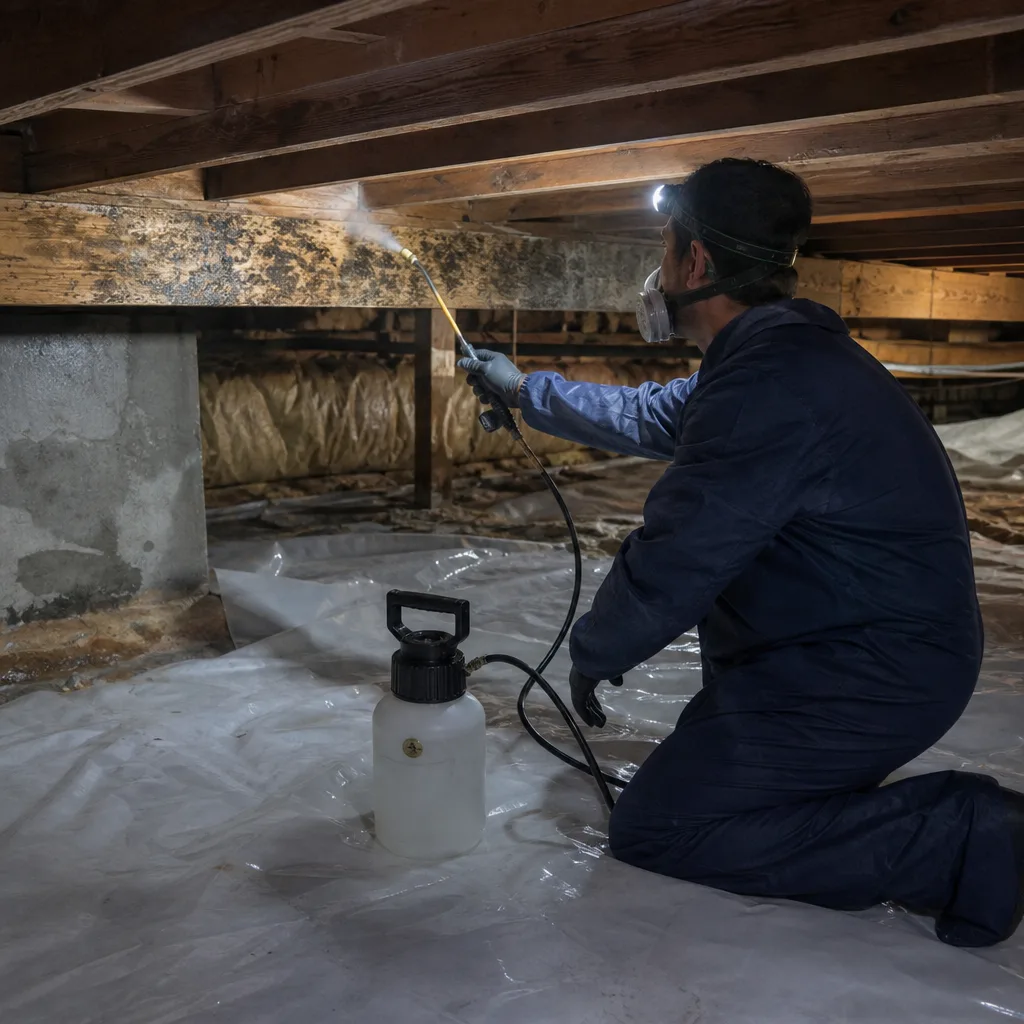
Use this sequence to evaluate any water loss before deciding on DIY or professional mitigation. Each step is a gate; failing any gate means professional involvement is required.
- Identify the water source and category. Clean supply line (Category 1) proceeds to Step 2. Any gray or black water source proceeds immediately to professional contact. If source is unknown, assume Category 2 until tested.
- Measure affected area. Combine floor and wall surfaces. Under 150 square feet proceeds to Step 3. Over 150 square feet requires professional equipment capacity and documentation.
- Check HVAC involvement. Any water path near return vents, duct boots, or the air handler requires professional duct inspection with borescope documentation.
- Determine construction era. Pre-1980 construction requires asbestos survey before any material disturbance. Do not cut, drill, or remove building materials until survey is complete.
- Assess your documentation capability. Can you produce daily moisture readings with a calibrated meter, maintain continuous humidity logging, and photograph every stage with timestamps? If not, professional documentation is required for claim viability.
- Calculate equipment capacity against moisture load. Estimate gallons of free water (affected square footage x 0.5 gallons per square foot for saturated carpet and pad). Compare against dehumidifier pint removal capacity. If equipment cannot process the load in 36 hours, professional capacity is required to beat the mold threshold.
- Verify insurance claim requirements. Contact your adjuster or review your policy. Many insurers now require certified drying logs for water damage claims exceeding $5,000. If your policy includes this requirement, DIY mitigation is claim-prohibited regardless of other factors.
This framework is not conservative. It reflects the actual conditions under which Cerritos homeowners have succeeded or failed in DIY mitigation based on our case experience. The most common failure point is Step 6: homeowners underestimate moisture load or overestimate rental equipment capacity, then discover the gap too late.
For losses that pass all seven gates, proceed with caution and continuous documentation. For any loss that fails one or more gates, Mold Remediation in Cerritos and water damage services from DryMark Restoration Cerritos provide the documentation package that protects your claim and your property.
Common Mistakes to Avoid
- Renting equipment before documenting pre-loss conditions. Insurers require “as-found” photos showing the extent of damage before mitigation begins. Starting cleanup immediately destroys this evidence and gives adjusters grounds to dispute the original loss scope.
- Using household fans instead of air movers. Standard fans circulate air without creating the velocity needed for boundary-layer disruption at wet surfaces. They also lack the positioning stability and safety ratings for continuous operation in wet environments.
- Ignoring the pad beneath “dry” carpet. In Cerritos, where many homes have polyurethane carpet pad, this material holds 2-3 times its weight in water and cannot be effectively dried in place. Surface-dry carpet over wet pad is a mold incubator.
- Failing to establish a drying goal. Without target moisture content for each material type, there is no objective endpoint. Drying continues until “it feels dry,” which for drywall means 15-20% moisture content - still mold-supporting.
- Discarding contaminated materials improperly. Category 2 and 3 materials require disposal documentation for insurance reimbursement. Home Depot bags on the curb create no paper trail and may violate local waste regulations.
- Not notifying the insurer within required timeframes. Most policies require prompt notice of water damage. Delaying notification while attempting DIY mitigation can void coverage for late reporting, regardless of mitigation success.
When to Call a Professional
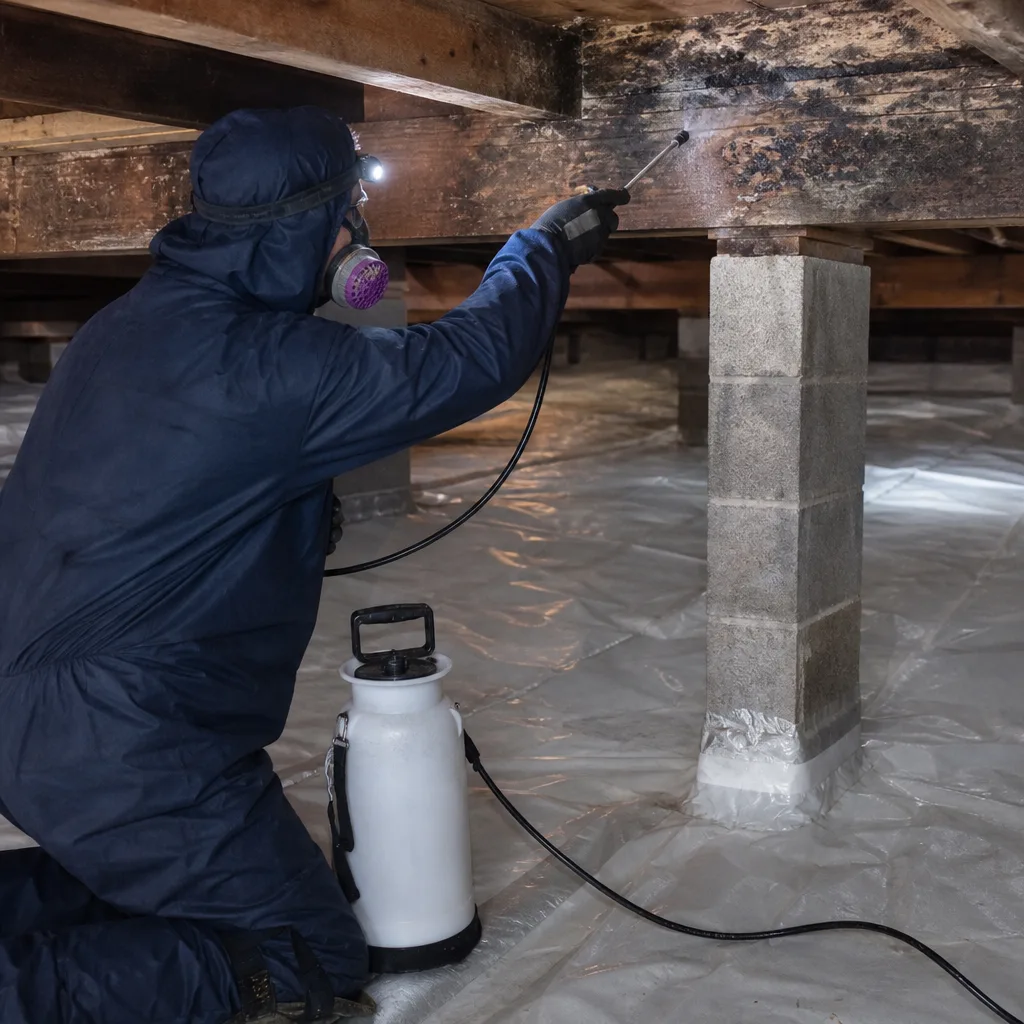
Call immediately for sewage backup, any water touching HVAC systems, any loss in pre-1980 construction, or any situation where your insurer requires certified documentation. Call within 24 hours for Category 1 losses exceeding 150 square feet, any loss where you cannot achieve target humidity within 12 hours, or any situation where mold is visible or suspected.
The cost of delayed professional involvement is not just the additional damage. For ongoing guidance, explore our more guides & resources. It is the documentation gap that forms while you wait. Every hour without moisture logging is an hour your insurer cannot verify. Every day without photo documentation is a day the loss scope becomes disputable.
DryMark Restoration Cerritos offers free estimates in Cerritos - call (562) 600-5083. Our live dispatch answers every call, 24 hours a day, 7 days a week, with no voicemail trees. We’ll provide a written scope before any work begins, documented to IICRC, RIA, and IFA standards, backed by the 365-Day Done Right Promise under The Haven Standard.
Frequently Asked Questions
Most insurers reimburse only equipment rental costs for DIY cleanup, and only with original receipts and proof the equipment was necessary. They rarely cover reconstruction or secondary damage without certified drying logs proving the structure dried properly. Call (562) 600-5083 for a free second opinion on any estimate or DIY plan before you file.
DryMark Restoration Cerritos maintains live phone coverage 24 hours a day, 7 days a week with no voicemail on emergency lines. For active water losses, we typically deploy within 2-4 hours in the Cerritos area. Speed matters for mitigation; reconstruction is scheduled after written scope approval.
Visible mold growth exceeding 10 square feet requires professional remediation under California guidelines. “Cleaning” visible mold without addressing moisture source and airborne spore load spreads contamination and creates liability. For fire and smoke damage, Fire & Smoke Damage Restoration in Cerritos follows similar documentation standards to ensure complete restoration.
At DryMark Restoration Cerritos, we coordinate directly with your adjuster, providing the photo documentation, drying logs, and written scope they need to process payment. This direct coordination is included in our service, not billed separately. You are not left to translate technical reports into claim language.
Haven Standard, Clause 1 requires a written price before any work begins, every time, with no exceptions. The scope lists each affected area, the equipment and labor assigned, the drying targets, and the documentation deliverables. Once signed, no additional charges are added without a written change order signed by both parties.
Some equipment rental companies carry commercial-grade dehumidifiers, but availability is limited and units rarely include the humidity monitoring and documentation features of professionally maintained fleet equipment. More importantly, equipment without proper placement protocol and continuous monitoring does not produce insurer-acceptable drying logs. The equipment is one component; the documentation system is what converts usage into claim value.
The Bottom Line
DIY damage restoration in Cerritos is financially rational only when the loss is small, clean, contained, and fully documented from first contact. For most homeowners with active insurance claims, the real cost of DIY is not the rental fees - it is the documentation gap that converts a payable claim into a contested one. Professional mitigation from DryMark Restoration Cerritos bundles equipment capacity, climate-specific technique, and insurer-ready documentation into a single service with a written price before work begins. The 365-Day Done Right Promise under The Haven Standard ensures that if the documentation is correct, the work is too.
Written by Alicia Brennan, Owner at DryMark Restoration Cerritos, serving Cerritos since 2011.