
Last updated September 23, 2026
Free visual inspection and a written scope of work before any mitigation begins - photos, moisture readings, and drying logs go in your claim file
The scope we write is the scope we bill. Anything new gets shown to you, in writing, before we touch it.
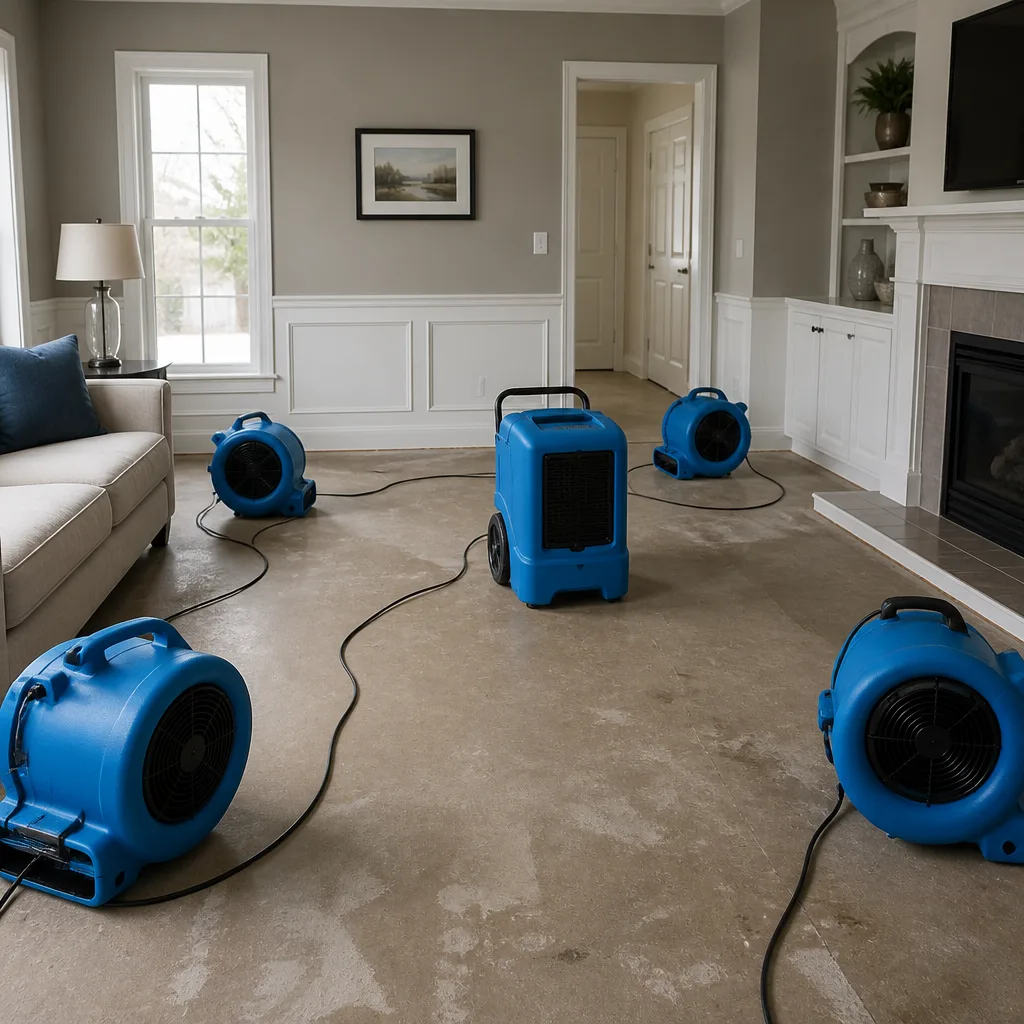
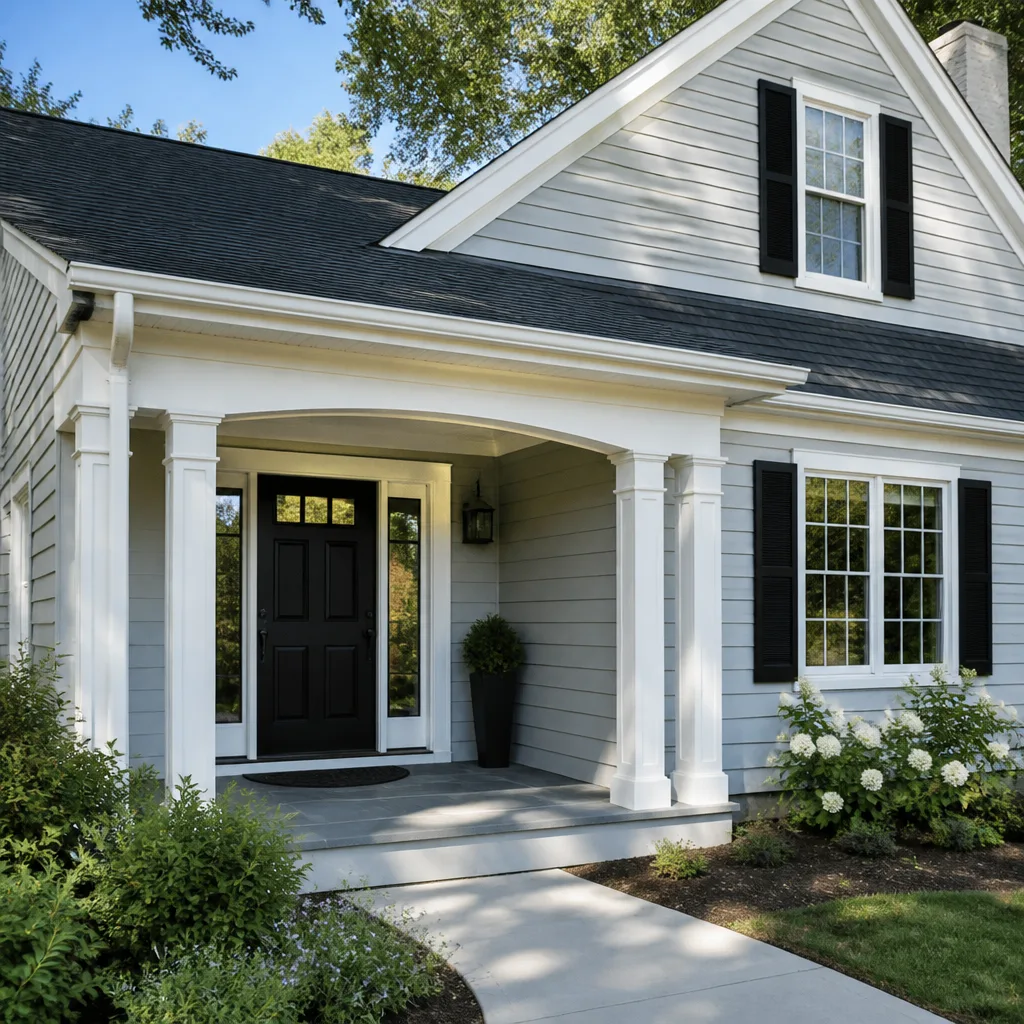
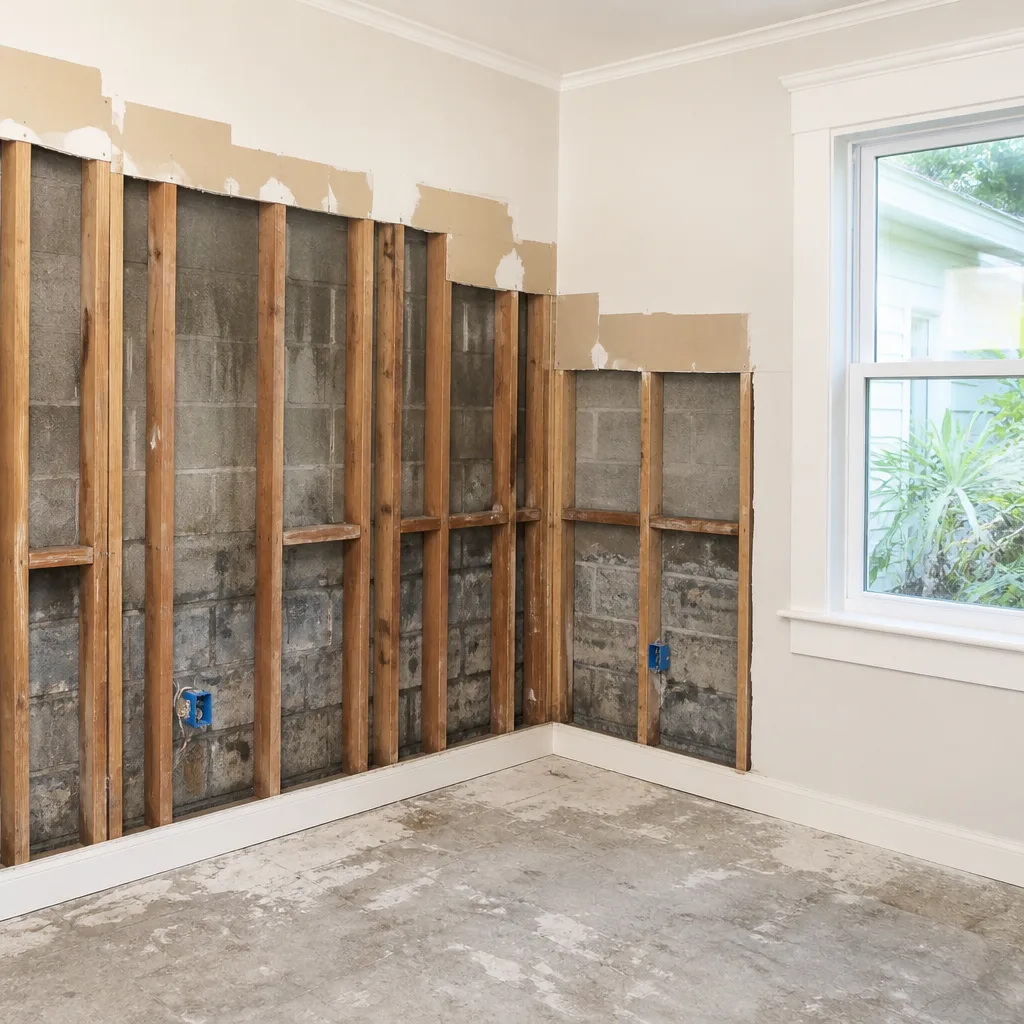
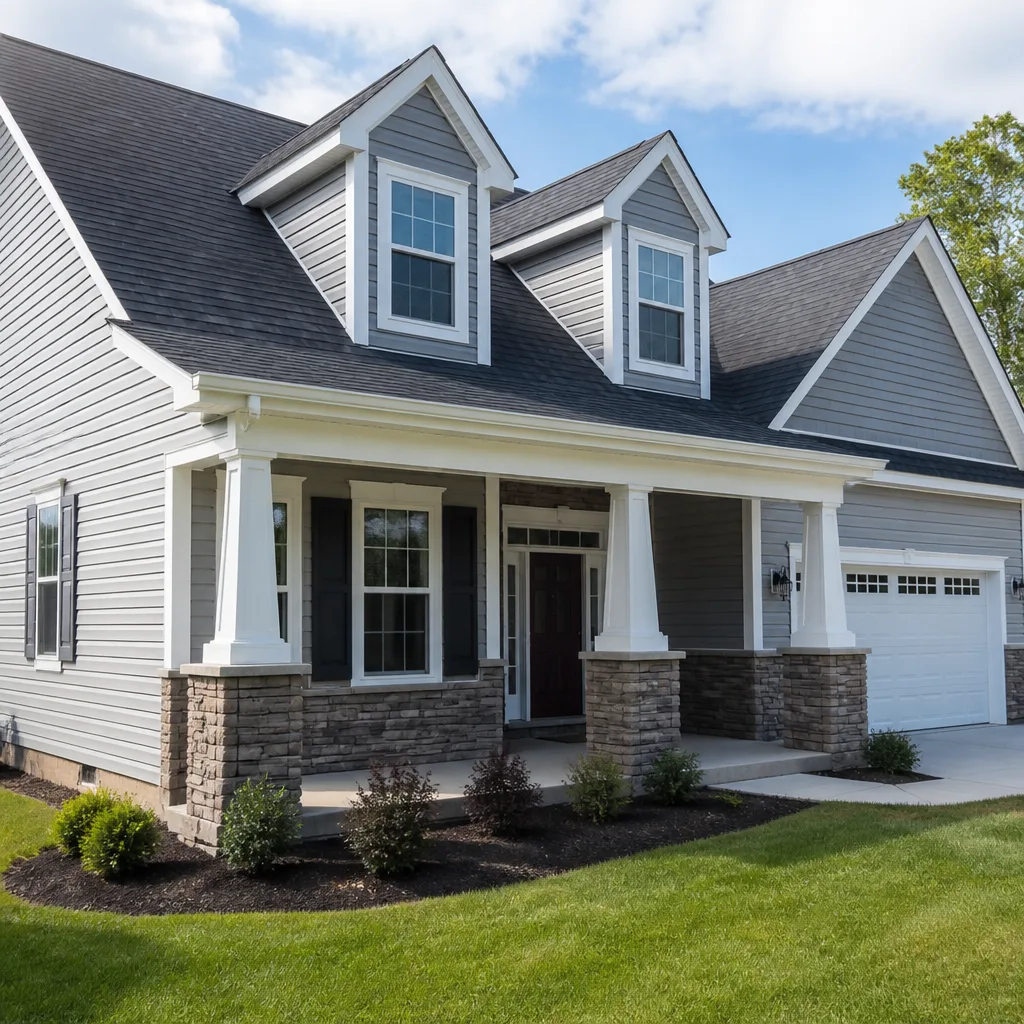
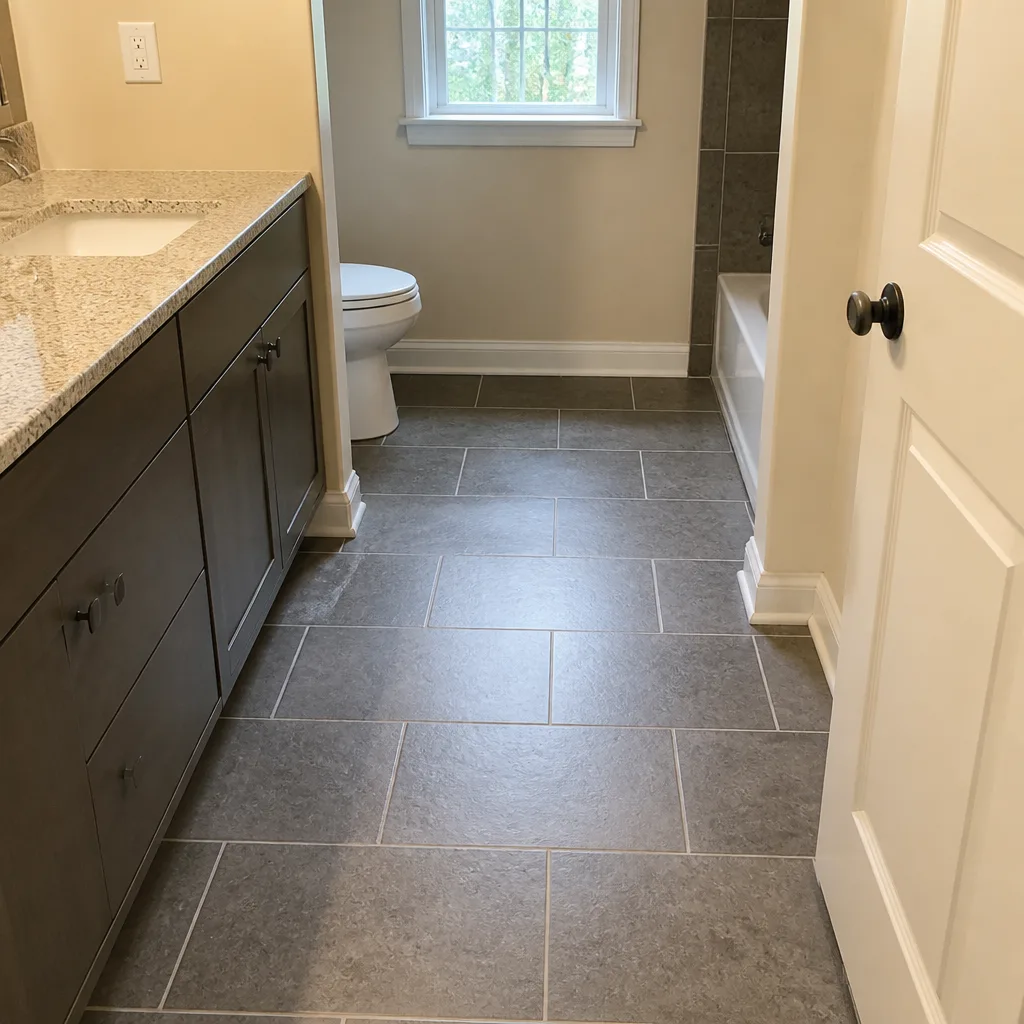

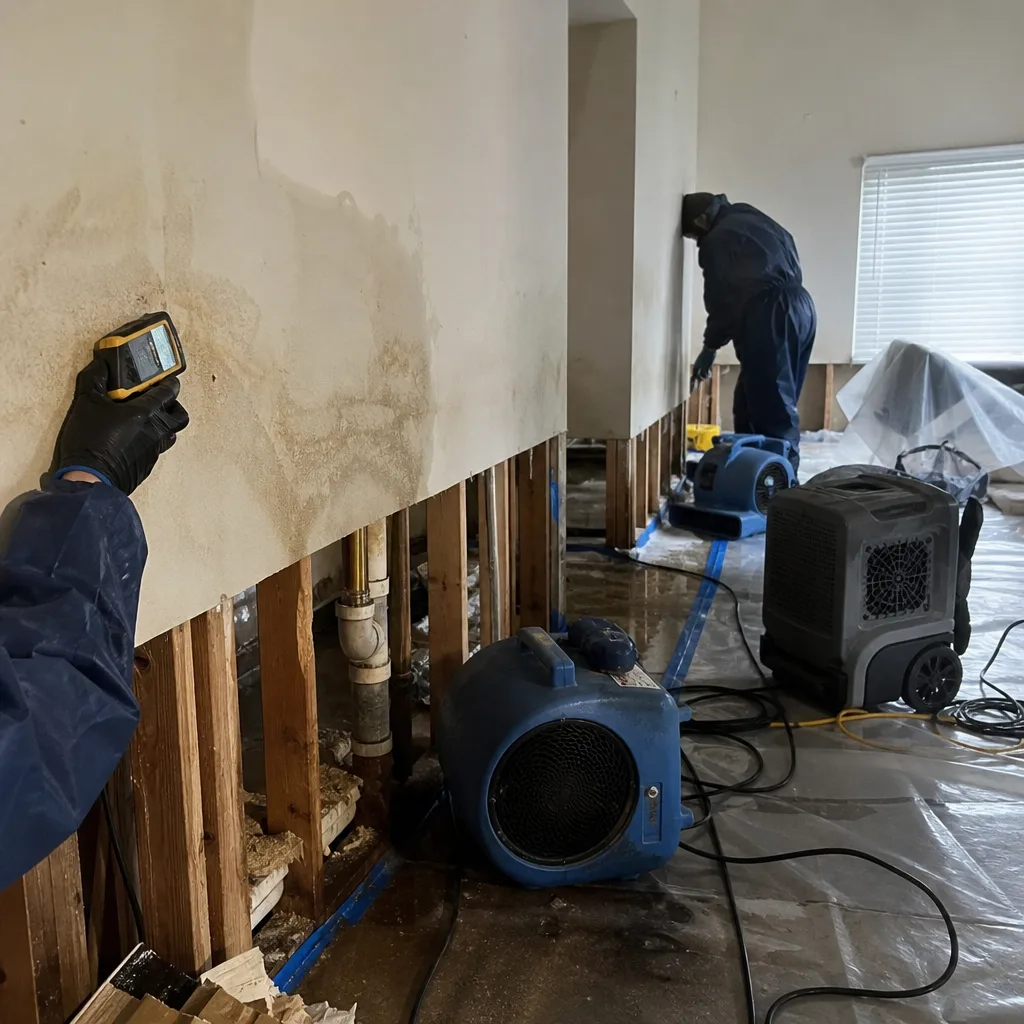 Before
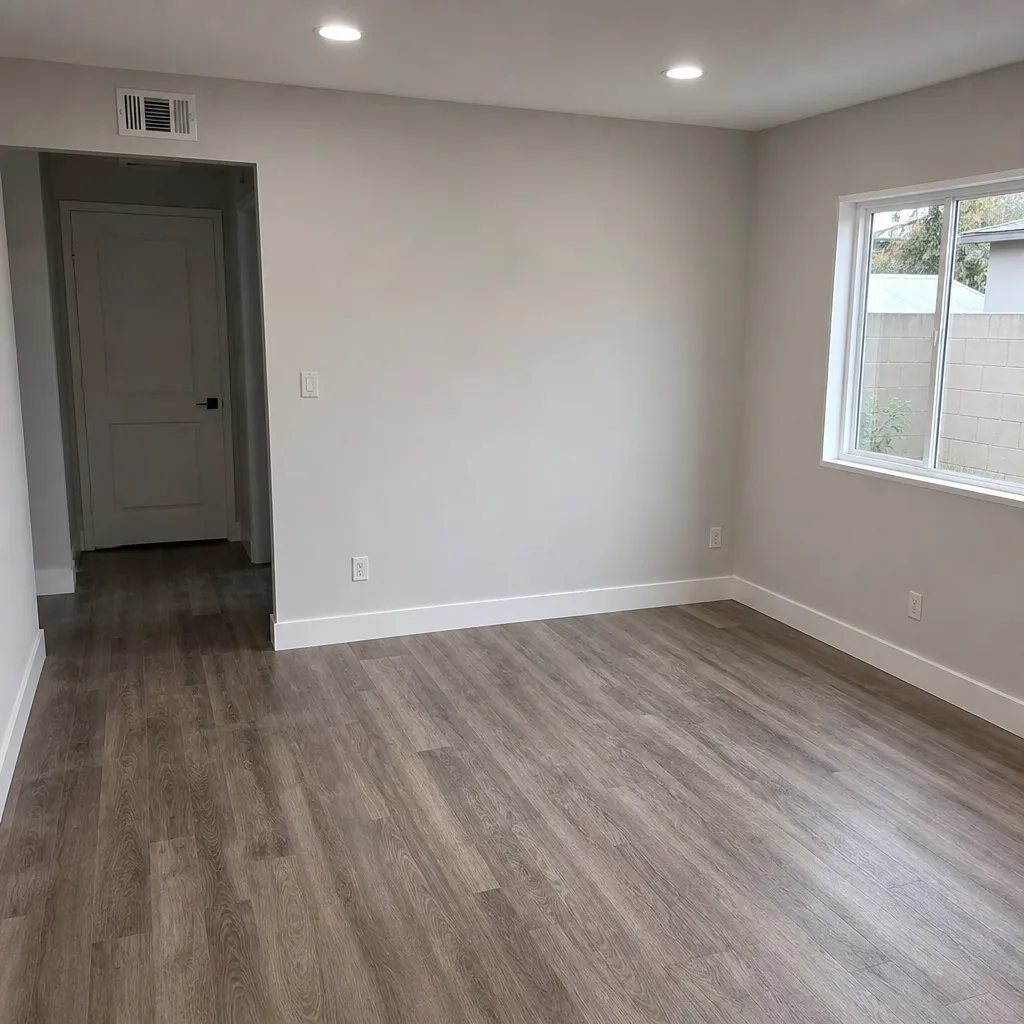 After
After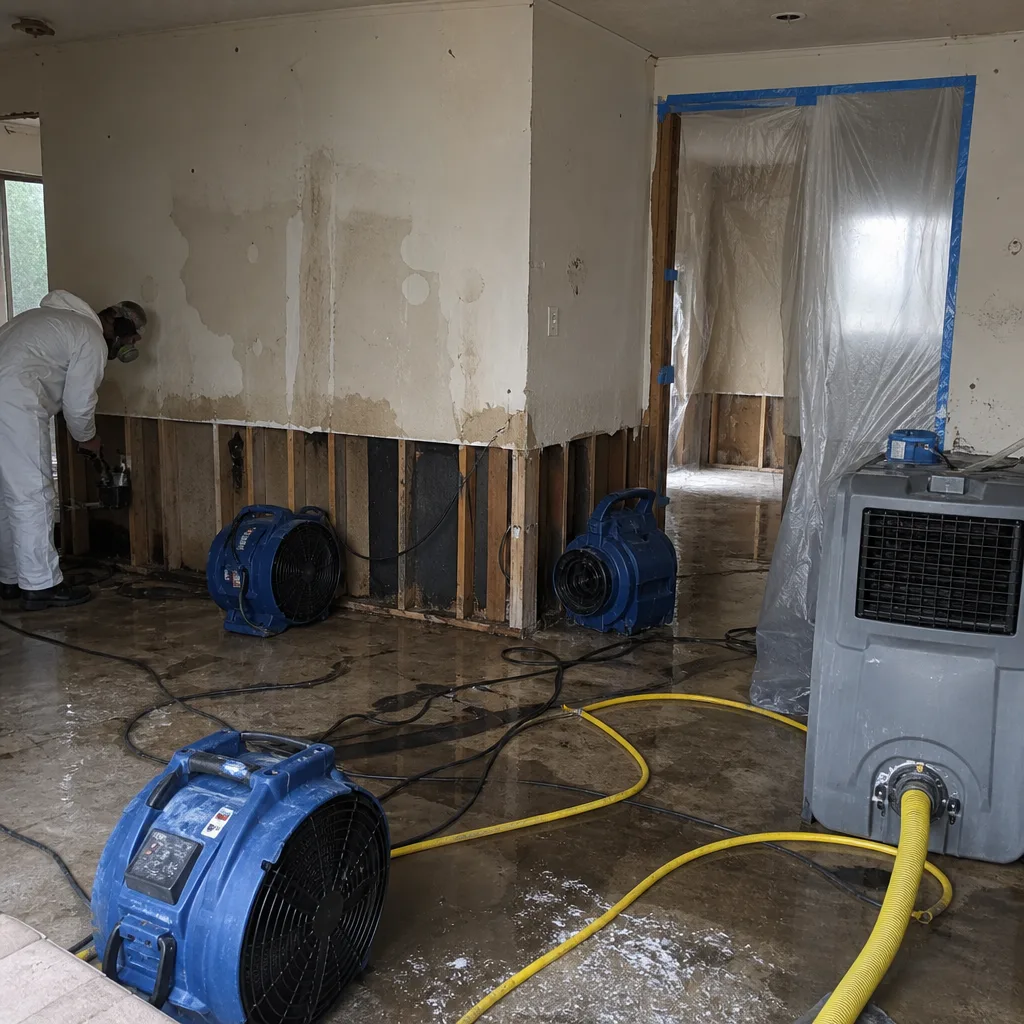 Before
 After
After Before
 After
AfterDamage Restoration Permits, Codes & Inspections in CA: What You Need to Know
An unpermitted drywall repair after water damage can void a buyer’s home inspection contingency at escrow - years after the original contractor said “permits aren’t needed for this scope.” In Cerritos, we’ve seen this exact scenario twice in the past eighteen months. One homeowner in the Park Estates area discovered a $340,000 offer fell through when the buyer’s inspector found a patch with no corresponding permit on file with the City of Cerritos Building Department. This guide explains when California restoration work triggers permit requirements, how to verify your contractor pulled the right permits, and why a closed permit with final inspection beats a photo folder when it’s time to sell or file your next claim. For related reading, see our Damage Restoration Warning Signs: A Cerritos Homeowner’s Reference Guide.
Quick Answer
Most water damage restoration in California requires a building permit when structural elements are modified, when more than 200 square feet of drywall is replaced, or when electrical or plumbing systems are disturbed. “Like-for-like” repairs under the Los Angeles County Building Code often qualify for exemption, but contractors frequently misclassify rebuild work as repair to avoid permit fees and inspection timelines. Homeowners in Cerritos should request a Certificate of Final Inspection for any permitted work and keep it with their property records permanently.
Table of Contents
- When Are Permits Required for Restoration Work in California?
- Cerritos-Specific Building Code Thresholds and the LABC
- Like-for-Like Repair vs. Rebuild: The Classification That Determines Your Permit Path
- California Health and Safety Code Section 17920.3 and Habitability Standards
- How Closed Permits Strengthen Insurance Supplement Requests
- How to Request a Certificate of Final Inspection in Cerritos
- Common Mistakes to Avoid
- When to Call a Professional
- Frequently Asked Questions
BeforeAfterWhen Are Permits Required for Restoration Work in California?
California building permit requirements for restoration work operate on a threshold system that surprises most homeowners. The work that follows a burst pipe or a small kitchen fire often crosses into permit territory without anyone announcing the boundary.
Under the California Building Standards Code (Title 24), building permits are required for any construction, alteration, or repair that changes the structural integrity, fire resistance, or mechanical systems of a building. For restoration specifically, this translates to several common triggers:
- Structural modification: Removal or replacement of load-bearing walls, ceiling joists, or subflooring affected by water, fire, or mold damage
- Drywall replacement exceeding 200 square feet in a single room or 400 square feet cumulative: This threshold appears in Los Angeles County amendments and is enforced by the City of Cerritos Building Department
- Electrical system disturbance: Any outlet, switch, or circuit that must be relocated, replaced, or rewired during restoration
- Plumbing alteration: Pipe replacement beyond a direct fixture connection, or any modification to drain-waste-vent systems
- HVAC ductwork replacement or relocation: Common after fire or smoke damage when ducts carry particulate contamination
- Change of use or occupancy classification: Rare in residential restoration but relevant when basement conversions are damaged and rebuilt
The 200-square-foot drywall threshold catches the most homeowners off guard. A standard 8-foot ceiling with water damage running from a second-floor bathroom down an interior wall can easily exceed this. Two sheets of 4×12 drywall equal 96 square feet. Four sheets, a common replacement scope in even moderate water damage, hit 192 square feet - functionally at the threshold. Many contractors in Cerritos and surrounding Los Angeles County cities will replace six, eight, or ten sheets and never mention permits.
California Government Code Section 65850.2 allows cities to adopt their own amendments to state building standards, and Los Angeles County has done so extensively. The City of Cerritos operates under the Los Angeles County Building Code (LABC) with local amendments, meaning permit thresholds here may differ from Sacramento, San Diego, or even neighboring Norwalk.
Here’s what the permit classification looks like in practice for common restoration scenarios:
| Restoration Scenario | Typical Permit Required | Common Misclassification |
|---|---|---|
| Water-damaged drywall, 3 rooms, 600 sq ft total | Building permit, drywall inspection, final inspection | Contractor calls it “repair,” skips permit |
| Kitchen fire: cabinet removal, wall framing exposed, electrical rewired | Building permit, electrical permit, fire-resistance inspection, final | Contractor pulls building only, misses electrical |
| Mold remediation with 50 sq ft drywall removal, no structural exposure | No building permit; possible environmental health notification | Contractor pulls unnecessary permit to inflate invoice |
| Sewage backup: subfloor removal, joist sistering, new flooring | Building permit, structural inspection, plumbing inspection, final | Contractor replaces subfloor without permit, no moisture verification |
| Storm damage: roof deck repair, 150 sq ft, no structural members | Roofing permit only; no building permit if truly like-for-like | Contractor pulls full building permit, charges higher fees |
The permit process itself adds time. The City of Cerritos Building Department typically reviews residential permit applications within 10 business days, with inspections scheduled 48 hours after request. For water damage restoration, this timeline conflicts with the urgency of drying. A contractor who wants to start immediately has a financial incentive to classify work as exempt. We’ve documented jobs where the drying was complete, equipment from Dri-Eaz and Phoenix was pulling vapor pressure differentials into target range, but the rebuild sat for three weeks because the permit wasn’t pulled before demolition began.
Haven Standard, Clause 1 applies here: our written price before work starts includes line-item identification of permit requirements, permit fees as a separate line item, and a documented photo record of the pre-permit condition. The customer sees the full timeline before anyone opens a wall.
Cerritos-Specific Building Code Thresholds and the LABC
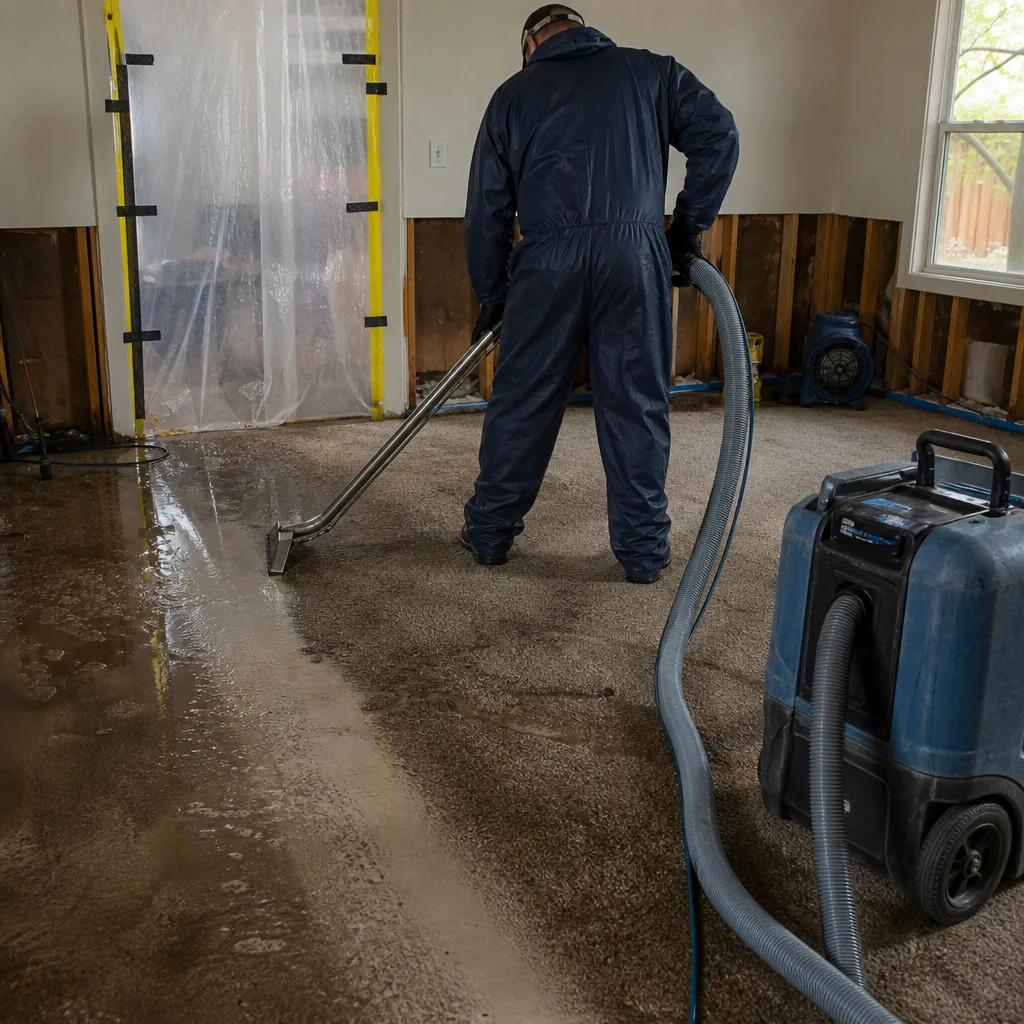
Cerritos sits within Los Angeles County’s jurisdiction but maintains its own Building Department at City Hall on Civic Center Drive. This matters because the city enforces LABC amendments that differ from unincorporated county areas and from neighboring cities like Lakewood or Bellflower.
The Los Angeles County Building Code adopts the California Building Code with specific local amendments. For restoration work, the most consequential amendments include:
- Square footage aggregation: LABC amendments require cumulative drywall replacement across a single permit cycle to be totaled, not evaluated room-by-room. A contractor replacing 150 square feet in the living room and 150 square feet in the adjacent dining room has triggered the permit threshold, even if each room appears under the 200-square-foot limit independently.
- Historic moisture damage disclosure: Properties in Cerritos built before 1980, common in neighborhoods near the Cerritos Auto Square and along Bloomfield Avenue, must disclose prior moisture damage if structural members show evidence of repeated wetting. This affects how inspectors evaluate “like-for-like” claims.
- Green Building Standards: Cerritos enforces CALGreen Tier 1 requirements for residential alterations exceeding $50,000 in valuation. Restoration work that includes energy-efficient upgrades during rebuild can trigger additional inspection points.
- Fire-resistant construction: The 1986 Cerritos earthquake and subsequent building code updates mean many structures have specific fire-resistance ratings. Any restoration affecting rated assemblies requires re-certification through inspection.
The climate context specific to Cerritos also shapes code enforcement. The city sits at relatively low elevation with clay-heavy soil that retains moisture. We’ve measured vapor pressure differentials in Cerritos crawl spaces that remain elevated for 72 hours longer than comparable readings in nearby Long Beach, where sandy soil drains faster. Building inspectors here know this. They look for evidence that moisture was fully remediated before rebuild permits are approved, and they’ll reject drywall inspections if framing moisture content readings aren’t submitted with the inspection request.
Permit fees in Cerritos follow a valuation schedule. For restoration work, the Building Department typically uses the contractor’s stated job value. A water damage rebuild with $8,000 in drywall, framing, and electrical work carries a permit fee of approximately $340-$420, plus plan check fees if the scope requires drawings. Electrical permits run separately, typically $85-$150 for circuit modifications. These fees are not large relative to the job value, but they’re large enough that some contractors build “permit avoidance” into their pricing strategy.
The inspection sequence for a typical permitted restoration job in Cerritos runs:
- Rough inspection: Framing and structural members exposed, moisture readings documented, new materials visible
- Electrical inspection (if applicable): Wiring exposed, boxes mounted, before drywall closure
- Insulation inspection (if applicable): Thermal and acoustic insulation in place before wall closure
- Drywall/nail inspection: Drywall hung, fasteners visible, joints not yet taped
- Final inspection: All work complete, accessible for verification, matches approved scope
Each inspection requires 48-hour advance scheduling through the Cerritos Building Department. Failed inspections require re-inspection fees and delay the Certificate of Final Inspection that belongs in your permanent file.
Like-for-Like Repair vs. Rebuild: The Classification That Determines Your Permit Path
This distinction is where most permit violations originate. California building code and LABC amendments distinguish between “repair” or “like-for-like replacement” and “alteration” or “rebuild.” The former often qualifies for permit exemption. The latter requires full permitting. Contractors have a structural incentive to classify work as repair, and homeowners rarely know enough to challenge the classification.
Like-for-like repair means replacing damaged materials with identical or equivalent materials in the same location, without changing dimensions, structural function, or system capacity. Examples that typically qualify:
- Drywall patch under 200 square feet using the same thickness and type
- Individual floor tile replacement in kind
- Baseboard and trim matching existing profile
- Single electrical outlet replacement with identical amperage and configuration
Rebuild or alteration means any change to structural members, system capacity, or material performance characteristics. Examples that require permits:
- Drywall replacement exceeding threshold square footage, even with identical material
- Framing member removal or sistering, even when concealed
- Electrical circuit extension or outlet relocation
- Subfloor replacement that changes thickness or material type
- Any work affecting fire-resistance-rated assemblies
The misclassification problem is systematic. In our experience reviewing competitor estimates through our Free Second Opinion service, approximately 40% of water damage rebuilds in the Cerritos area are classified as “repair” on the initial scope. The contractor’s price looks lower because it excludes permit fees, inspection timelines, and the documentation burden. The homeowner discovers the gap at resale, or when the next insurance claim is denied because prior unpermitted work voided coverage for that building section. Our How to Hire a Damage Restoration Contractor in Cerritos: A Step-by-Step Guide shows what to verify before signing any agreement.
Here’s a specific case from our files, anonymized: A homeowner in the Cerritos neighborhood near Don Knabe Community Regional Park received a water damage estimate classifying 340 square feet of drywall replacement, subfloor removal in a 12×10 laundry room, and relocation of a 240V dryer outlet as “repair - no permit required.” The estimate was $4,200. Our review identified three permit triggers: drywall square footage, structural subfloor, and electrical. Properly permitted, the job required $680 in permit and inspection fees, two additional weeks for inspection scheduling, and moisture documentation before rough inspection. The competitor’s price was achievable only by skipping permits and, we suspected, skipping the moisture verification that would have delayed their start. Haven Standard, Clause 1: our written price included all permit costs, all inspection timelines, and the documented photo record on every visit.
The LABC provides a specific exemption for “ordinary repairs” under Section 105.2, but defines this narrowly. Replacement of “less than 200 square feet of gypsum wallboard in any one room” is the threshold. The “any one room” language is where contractors play games. Open floor plans, combined living-dining spaces, and rooms with partial walls get parsed creatively. A competent restoration company measures total contiguous affected area and reports it accurately.
We document our classification reasoning in writing. If we believe work qualifies as like-for-like exempt repair, we state this explicitly, cite the applicable code section, and note that the determination is subject to Building Department verification. If work requires permits, we list each permit, the fee, the inspection sequence, and the timeline impact. This documentation becomes part of the job record, photographed and delivered to the customer.
California Health and Safety Code Section 17920.3 and Habitability Standards
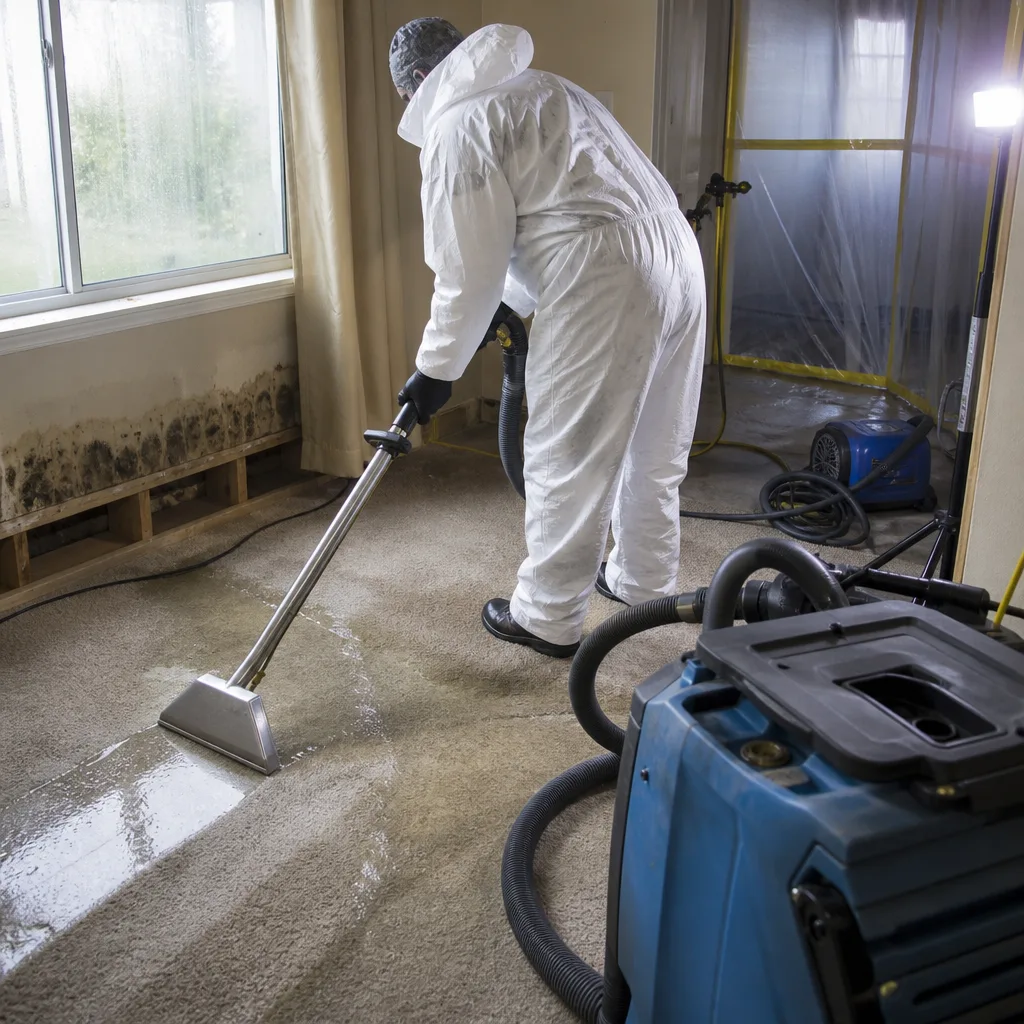
Permit requirements intersect with habitability law in ways that affect restoration scope and documentation. California Health and Safety Code Section 17920.3 defines conditions that render a dwelling “substandard,” including structural deterioration, dampness, and defective electrical systems. A property declared substandard triggers municipal enforcement, including potential red-tagging and occupancy restrictions.
For restoration work, this creates a compliance layer beneath building codes. Even if a repair technically qualifies for permit exemption, it must still restore the property to habitable condition. Inspectors apply this standard in several ways relevant to Cerritos homeowners:
- Moisture and mold: Visible mold growth exceeding 10 square feet, or moisture readings in building materials above 16% wood moisture equivalent, can trigger substandard declarations. The 16% threshold is not arbitrary; it’s the point where wood-decay fungi become active. Our drying systems, documented with daily psychrometric logs from Dri-Eaz and Phoenix equipment, establish that materials returned below this threshold before rebuild.
- Structural integrity: Floor systems with deflection exceeding L/360 (span divided by 360) after water damage may be deemed structurally compromised. Subfloor replacement without proper inspection can leave this condition undetected.
- Electrical safety: Ground fault protection required by current code must be provided when electrical systems are disturbed, even if the original installation predated the requirement. A “like-for-like” outlet replacement in a bathroom or garage may still require GFCI upgrade.
- Ventilation: Post-restoration spaces must maintain minimum ventilation rates per California Energy Code. Enclosed crawl spaces or attic conversions affected by water damage need verified airflow.
Cerritos Building Department inspectors reference Section 17920.3 during final inspections when prior damage is visible. We’ve attended inspections where the inspector requested moisture meter verification of framing members that appeared stained, even though the visible damage was “repaired” years earlier by another contractor. Without documentation of proper drying, the homeowner faced reopening walls for verification.
The habitability standard also affects insurance claims. California insurance regulations require policies to cover restoration to “like kind and quality,” but this coverage standard doesn’t override building code compliance. If code upgrades are triggered by the restoration scope, the policy’s ordinance or law coverage (typically 10-25% of dwelling coverage) may apply. Contractors who misclassify rebuild as repair to avoid permits may simultaneously forfeit ordinance coverage that would have paid for code-compliant work.
Our documentation protocol addresses this directly. Every job file includes: the pre-loss condition photo record, the moisture mapping with meter readings by location, the drying log with daily psychrometric data, the written scope with code compliance notes, and the post-restoration photo record. When ordinance coverage applies, we provide the code upgrade documentation that adjusters need for approval. This is the documentation gap that costs homeowners their claims - the gap our founder, a former claims adjuster, built this company to close.
How Closed Permits Strengthen Insurance Supplement Requests
An insurance supplement is a request for additional funds when the actual restoration scope exceeds the adjuster’s initial estimate. Supplements are standard in water damage restoration, where concealed damage reveals itself during demolition. But supplements require evidence, and the quality of that evidence determines approval speed and amount.
Contractor photos alone are weak evidence. Adjusters see thousands of photo sets. They know photos can be staged, misdated, or misattributed. A photo of wet framing proves the condition existed; it doesn’t prove the condition required the scope proposed, or that the work was performed to code, or that it was completed satisfactorily.
A closed permit with passing final inspection is different. It is a government document, timestamped, with an inspector’s license number, verifying that:
- The scope described was actually performed
- The work met applicable code at the time of inspection
- The materials and methods were visible and approved by a neutral party
- The job reached completion, not just demolition or rough-in
We’ve used closed permits to support supplement requests that added $12,000-$40,000 to initial estimates. The permit documentation doesn’t replace itemized invoices and photo records; it anchors them. An adjuster reviewing a supplement with permit documentation sees a claim that will withstand audit, not just a contractor’s word.
The specific mechanism works like this. Initial adjuster estimates often use pricing software (Xactimate, Symbility) with default assumptions: standard drywall, basic electrical, no structural. When demolition reveals fire-blocking requirements, shear panel upgrades, or mold-resistant drywall specifications, the supplement must justify the upgrade. A closed permit with inspection notes referencing code-required fire resistance or shear strength provides that justification in the inspector’s own language.
For Cerritos properties, this is particularly relevant for homes in the 1970s-1980s building cohort common near the Cerritos Towne Center and along South Street. These structures often lack modern shear wall requirements or have electrical panels below current amperage standards. Water damage restoration that touches these systems triggers code upgrades that pricing software doesn’t automatically include. The permit inspection documents the code trigger; the supplement request ties it to policy coverage.
We coordinate directly with adjusters on supplement documentation. Our job files include the permit application, inspection reports, correction notices (if any), and final Certificate of Completion. The 365-Day Done Right Promise backs this documentation: if an insurer questions our scope, we provide the file evidence that supports it. If we missed something, we make it right. This is The Haven Standard, not a marketing line.
How to Request a Certificate of Final Inspection in Cerritos
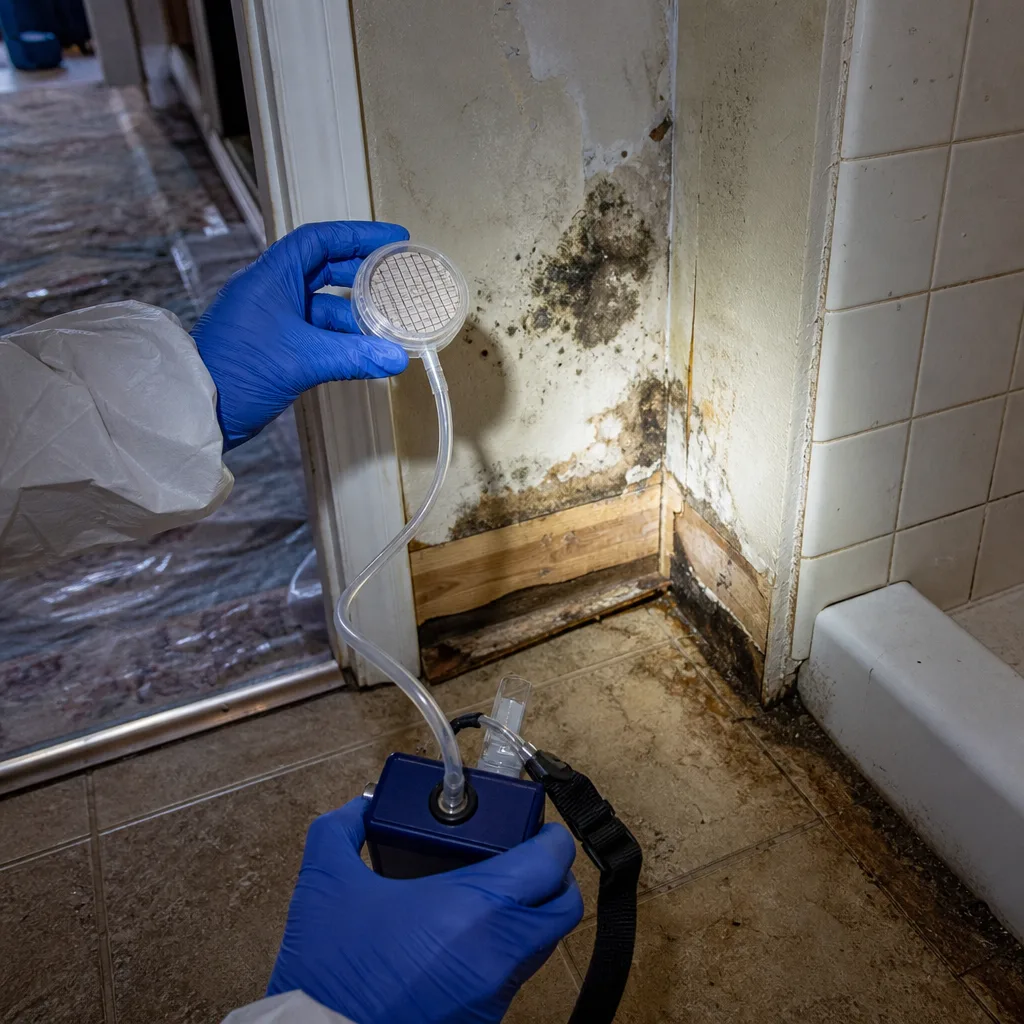
The Certificate of Final Inspection is the document that closes the permit record. Without it, the permit remains open, creating a cloud on title that surfaces in title searches during refinance or sale. In Cerritos, obtaining this certificate requires following a specific process that homeowners should understand even when their contractor handles permitting.
Step 1: Verify permit status.
Request the permit number from your contractor and verify it through the City of Cerritos Building Department. Permits are searchable by address or permit number. Confirm that the permit scope matches the work performed. We’ve encountered cases where a contractor pulled a “repair” permit for a scope that clearly required an “alteration” permit, or where the permit listed only electrical work when structural work was also performed.
Step 2: Track inspection sequence.
Each required inspection must pass before final inspection is scheduled. Request inspection records from your contractor or access them through the Building Department. Failed inspections require correction and re-inspection; the permit remains open until all inspections pass. Our standard deliverable includes a copy of every inspection record, pass or fail, with correction notes and resolution photos.
Step 3: Schedule and pass final inspection.
The final inspection verifies that all work matches the approved scope, that all prior inspections passed, and that no code violations are visible. In Cerritos, final inspections for residential restoration are typically conducted within 2 business days of request. The inspector will verify accessible work; concealed work must have been verified at rough inspection.
Step 4: Request the Certificate of Final Inspection.
After passing final inspection, request the certificate from the Cerritos Building Department. There is typically no additional fee for the certificate itself. The certificate includes: permit number, property address, scope description, inspection dates, inspector identification, and confirmation of code compliance.
Step 5: Record retention.
Store the certificate with your property records permanently. We recommend: original in a fireproof document safe, digital scan in cloud storage, and copy with your homeowner’s insurance file. When you sell, disclose the permitted work and provide the certificate. When you refinance, provide it if the lender requests property improvement documentation. When you file your next claim, reference it to establish prior restoration quality. Browse our more guides & resources for additional homeowner protection strategies.
The City of Cerritos Building Department is located at 18125 Bloomfield Avenue, Cerritos, CA 90703. Permits and inspection records can be requested in person or through their online portal. Response times for record requests are typically 5-10 business days for archived records, faster for recent permits.
We include certificate acquisition in our scope when we handle permitting. The customer receives the original certificate, our copy goes in the permanent job file, and we retain digital backup for the duration of our 365-Day Done Right Promise. If a customer uses another contractor for permitted work, we still advise on certificate acquisition during our Free Second Opinion review.
Common Mistakes to Avoid
- Accepting a contractor’s verbal “no permit needed” without written code citation. Every exemption claim should reference a specific code section. Generic assurances are a red flag that the contractor hasn’t analyzed the scope or intends to avoid oversight.
- Assuming room-by-room square footage stays under thresholds. LABC amendments aggregate contiguous affected areas. That “small” patch in the living room plus the “small” patch in the dining room may trigger permitting when combined.
- Letting the contractor pull permits in their name only. Permits should list the property owner as the responsible party, with the contractor as the licensed agent. This ensures the permit follows the property, not the contractor’s business record.
- Neglecting to request inspection records at each phase. Homeowners who don’t track inspection progress discover open permits years later, often when a sale is pending and the title company flags the defect.
- Paying in full before final inspection passes. California law limits upfront payment for home improvement contracts, but restoration work’s urgency often pressures homeowners to pay before verification. Structure payment to hold 10-15% until the Certificate of Final Inspection is in hand.
- Discarding documentation after “completion.” The permit record, inspection reports, and certificate belong in your permanent property file. We’ve seen homeowners scramble to reconstruct records from a decade-old bathroom leak when the next claim required proof of proper restoration.
- Hiring restoration contractors without verifying their license handles structural and electrical work. A C-61/D-49 (sanitation system) license doesn’t authorize structural repair. Verify the contractor’s license classification matches the scope through the California Contractors State License Board.
When to Call a Professional
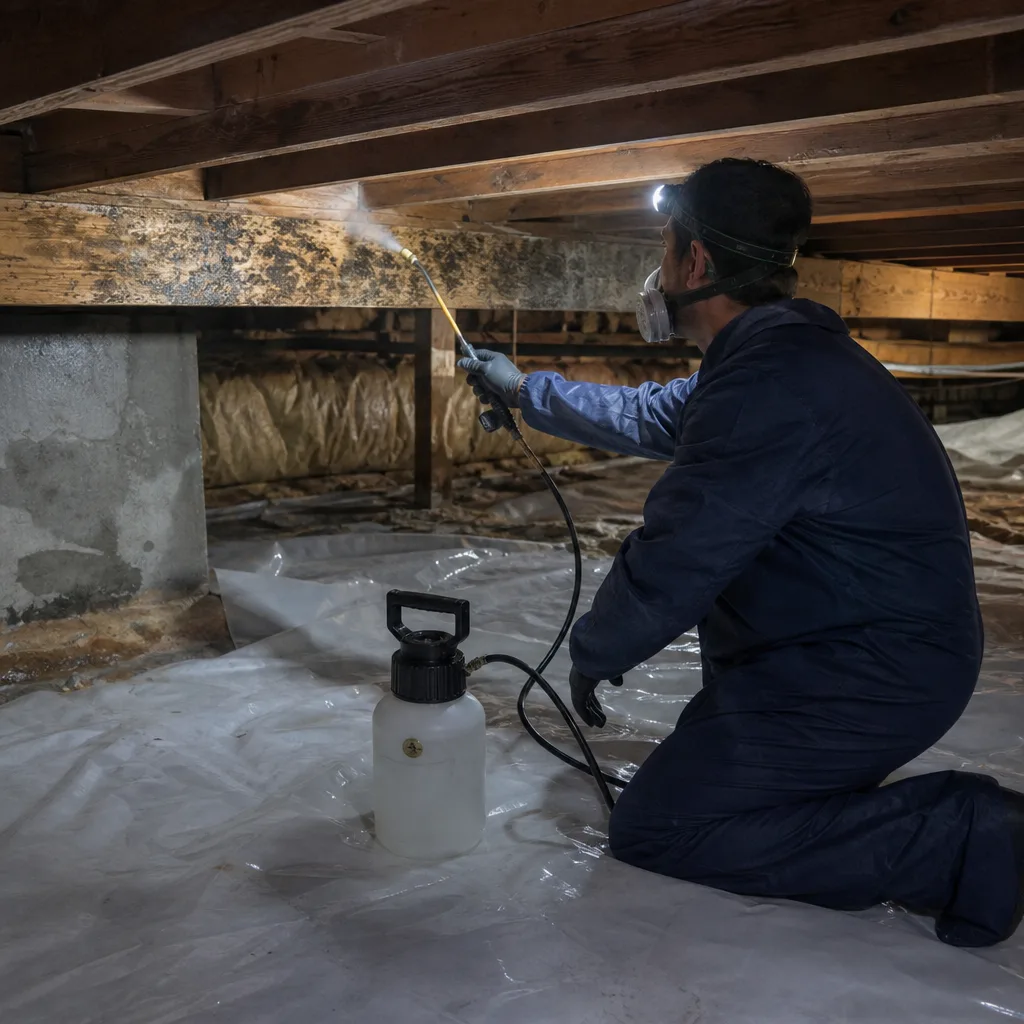
Call a licensed restoration professional when your damage scope exceeds surface cleaning, when structural materials are wet or charred, when electrical or plumbing systems are involved, or when any contractor tells you permits “aren’t worth the hassle.” These are the thresholds where documentation, code compliance, and proper drying verification protect your property value and insurance coverage.
DryMark Restoration Cerritos offers free estimates in Cerritos and surrounding Los Angeles County communities. Every estimate includes written identification of permit requirements, permit fee line items, and inspection timelines. We also provide a Free Second Opinion on any competitor’s written estimate - bring their scope and we’ll review permit classification, moisture documentation, and pricing accuracy at no charge. Call (562) 600-5083 to schedule. Live person answers every call, 24 hours a day, 7 days a week, with no voicemail on emergency lines.
Frequently Asked Questions
Yes, if the replacement exceeds 200 square feet in a single room or 400 square feet cumulative under LABC amendments enforced by the City of Cerritos Building Department. Below these thresholds, like-for-like replacement with identical materials may qualify for exemption. Call (562) 600-5083 for a written scope that identifies your specific permit requirements - estimates are free.
Standard homeowner’s policies typically cover permit fees as part of “reasonable repair costs,” but only when the work itself is covered and properly documented. Ordinance or law coverage, usually 10-25% of dwelling limits, may cover code-upgrade permit costs that exceed like-for-like repair. Your contractor’s documentation of code triggers directly affects this coverage determination.
Plan check review takes up to 10 business days for residential permits, with inspections scheduled 48 hours after request. A full sequence - rough, electrical, insulation, drywall, final - typically adds 2-4 weeks to the rebuild phase, not the emergency drying phase. Drying with professional-grade equipment from Dri-Eaz and Phoenix proceeds immediately; rebuild waits for permit approval.
Unpermitted work creates a title defect that can block sale or refinance. Remediation options include: retroactive permitting (difficult, requires exposing work for inspection), disclosure to buyers with price adjustment, or legal action against the prior contractor if fraud is provable. The Certificate of Final Inspection from properly permitted work prevents this scenario entirely.
Yes. Emergency mitigation - water extraction, equipment placement, controlled demolition for drying access - is distinct from rebuild and doesn’t require permits. However, the line between mitigation and rebuild blurs when demolition removes structural materials. We document every phase with photo records and moisture logs, and we flag when mitigation scope approaches rebuild thresholds that trigger permitting.
Pure mold remediation without structural modification typically doesn’t require a building permit, but may require notification to environmental health authorities for extensive contamination. If remediation disturbs structural materials or exceeds 200 square feet of affected surface area, permit requirements apply. Our written scope distinguishes remediation-only from remediation-plus-rebuild, with permit implications clearly stated.
The Bottom Line
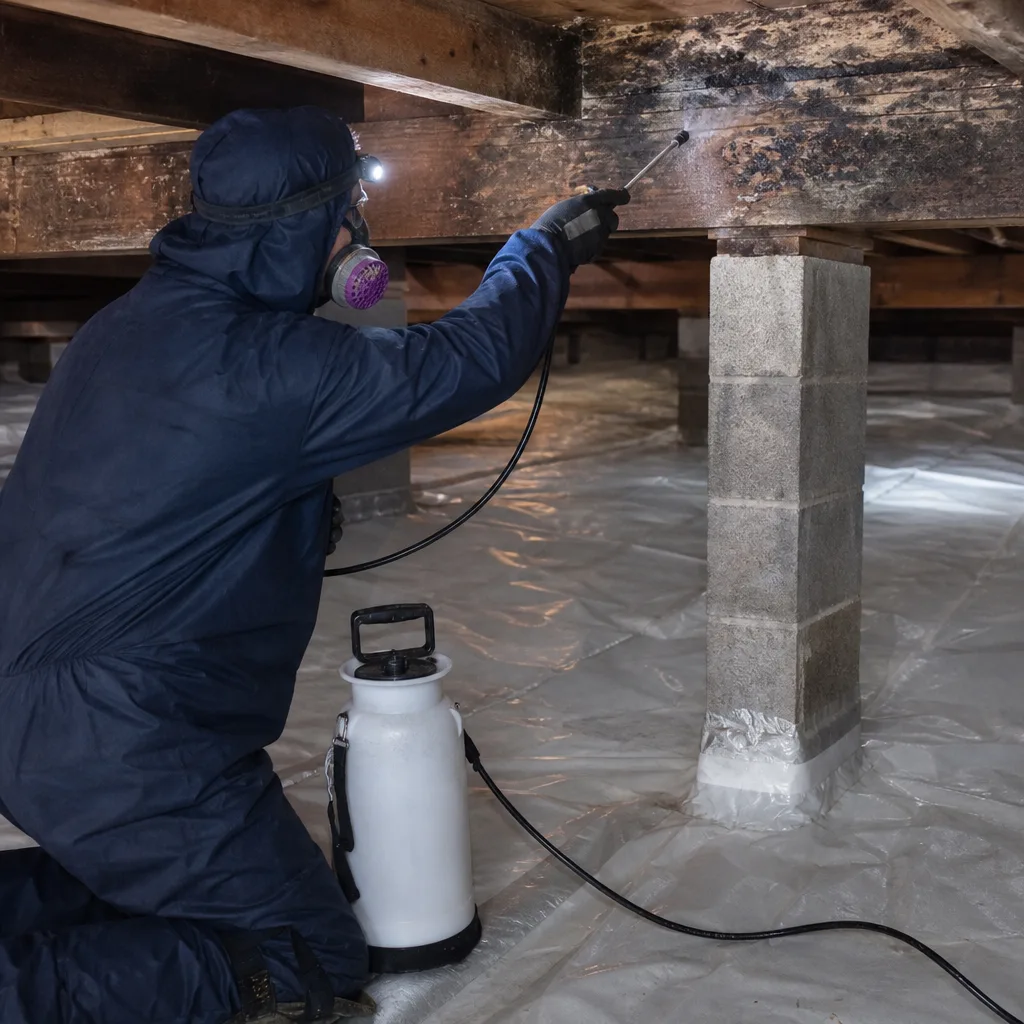
California’s permit system for restoration work is navigable, but only with precise scope classification and disciplined documentation. The gap between “repair” and “rebuild” is where homeowners lose money, time, and property value. In Cerritos, understanding LABC thresholds, tracking inspection sequences, and securing Certificates of Final Inspection transforms restoration from a liability into a documented asset. The contractors who skip this process save themselves time and leave you holding the risk. The ones who document it properly - written price before work starts, photo record on every visit, closed permits with certificates delivered - give you a file that protects your claim, your sale, and your next insurance review. That’s the standard we built this company to maintain.
Written by Alicia Brennan, Owner at DryMark Restoration Cerritos, serving Cerritos since 2011.