
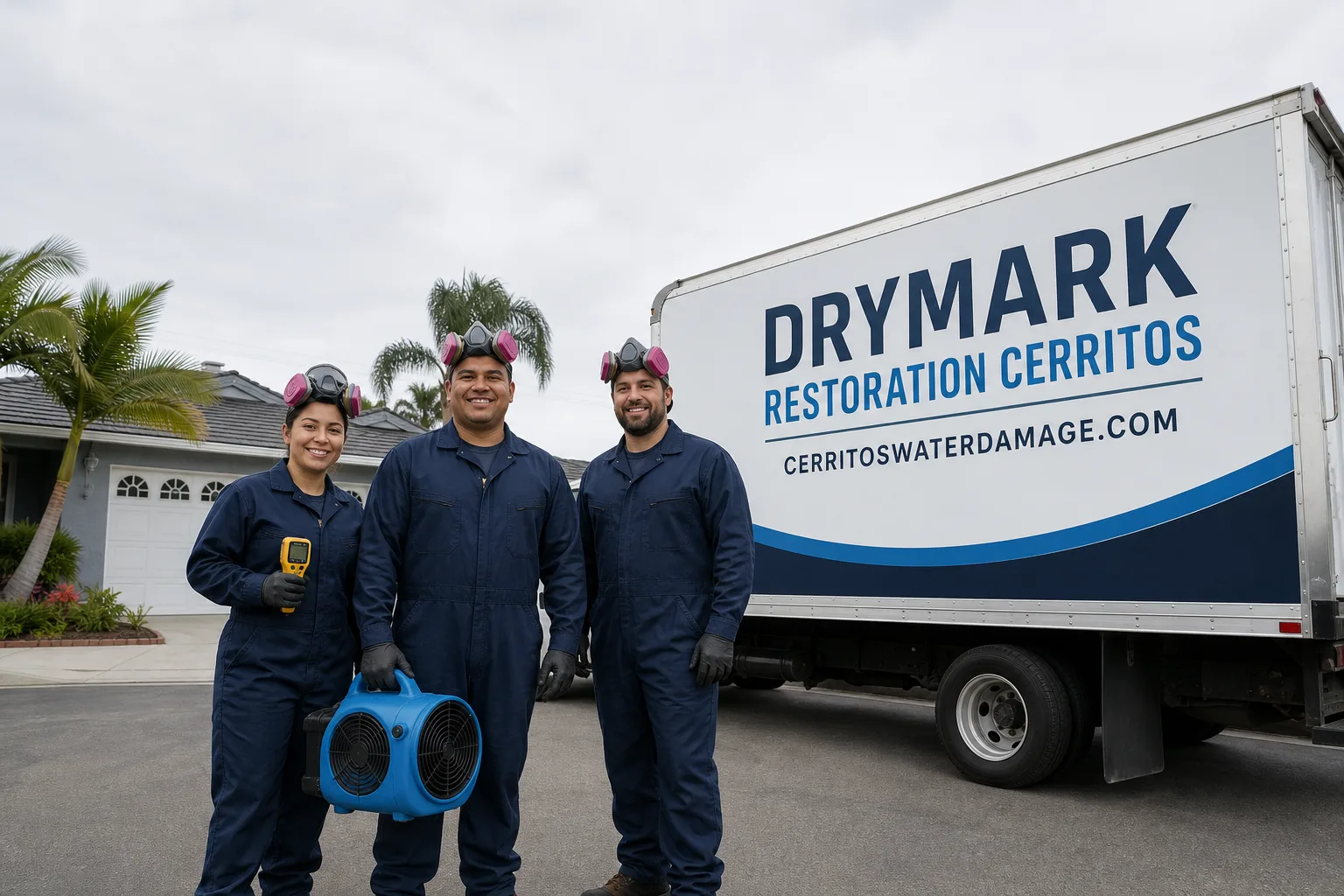
Free visual inspection and a written scope of work before any mitigation begins - photos, moisture readings, and drying logs go in your claim file
The scope we write is the scope we bill. Anything new gets shown to you, in writing, before we touch it.
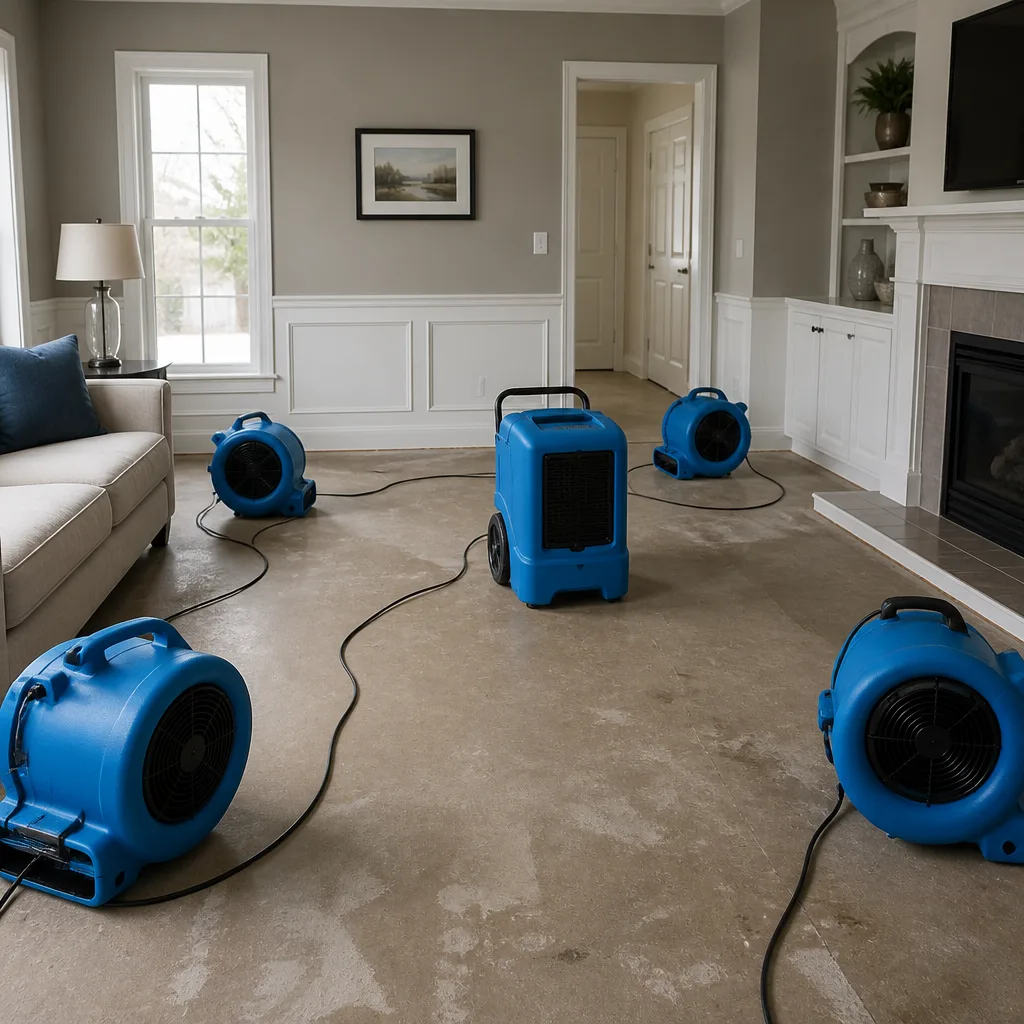
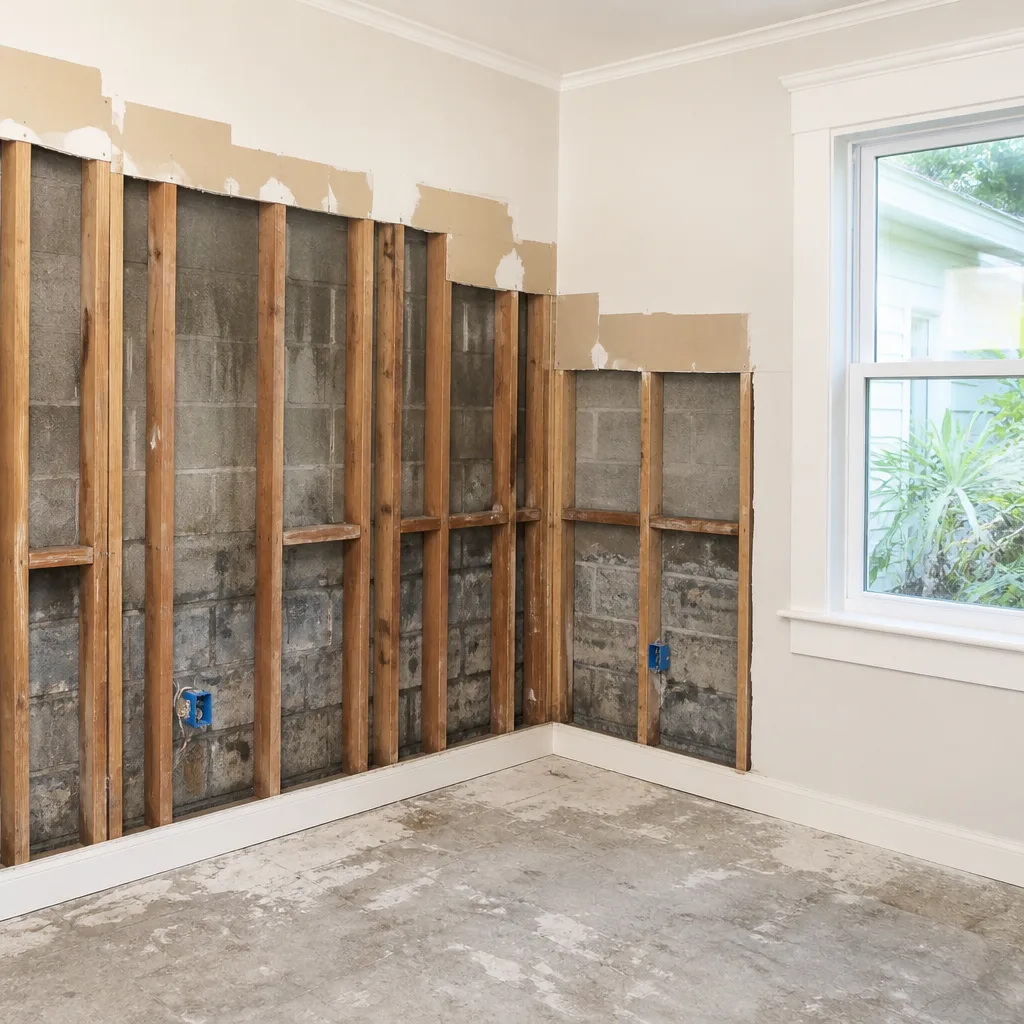
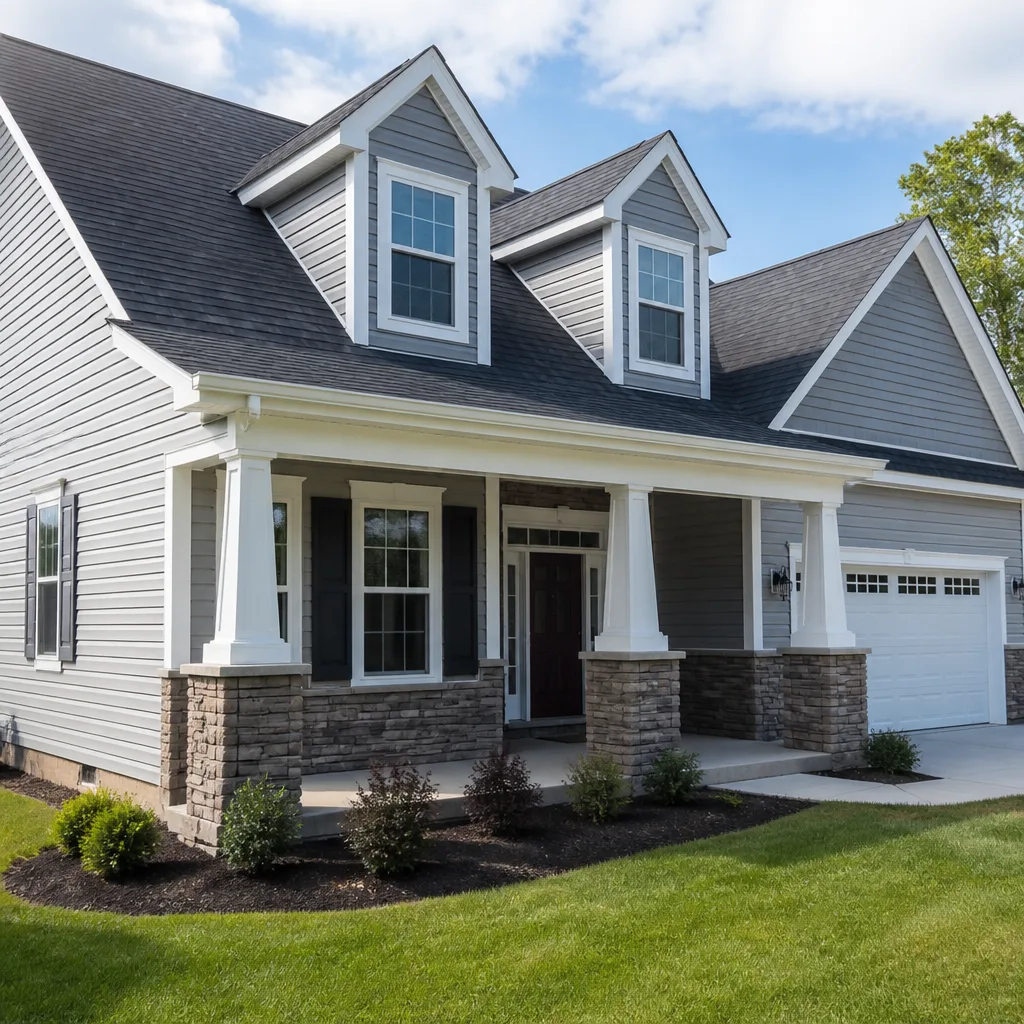
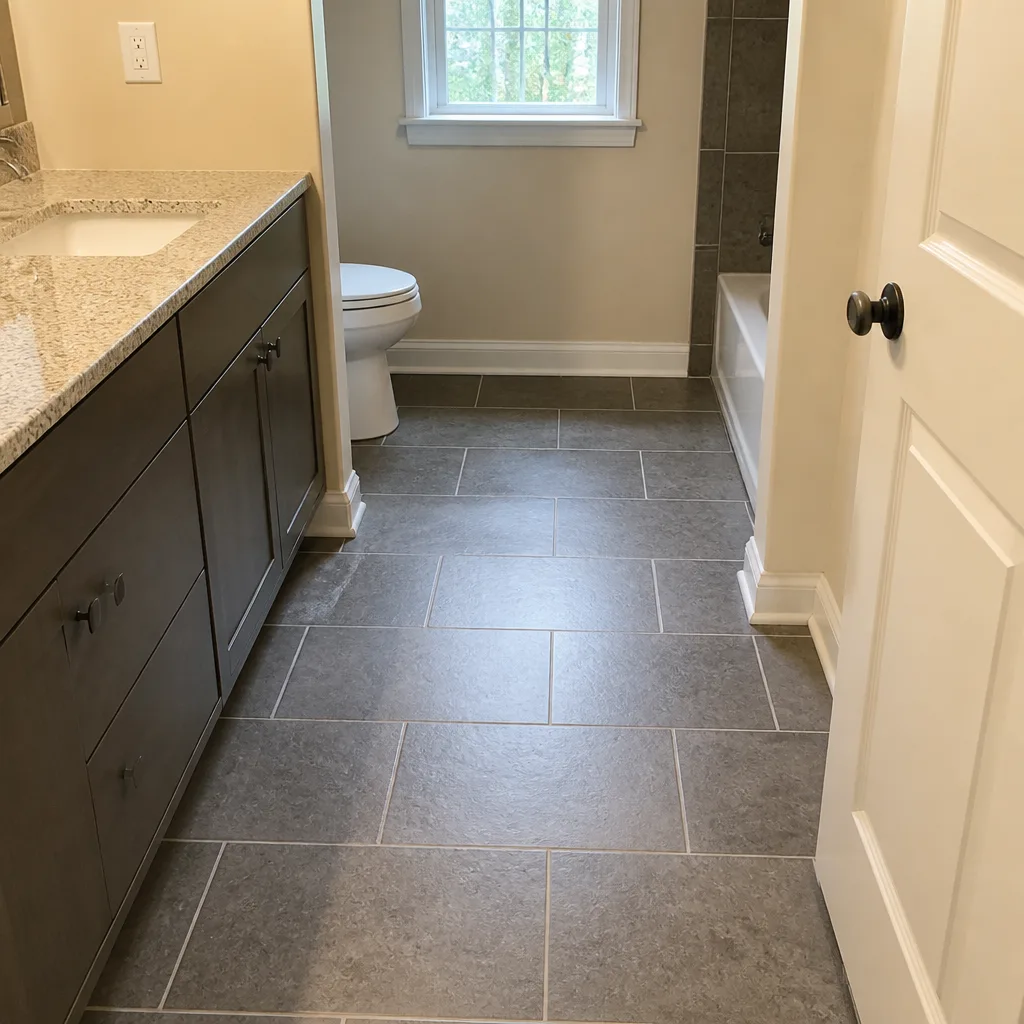

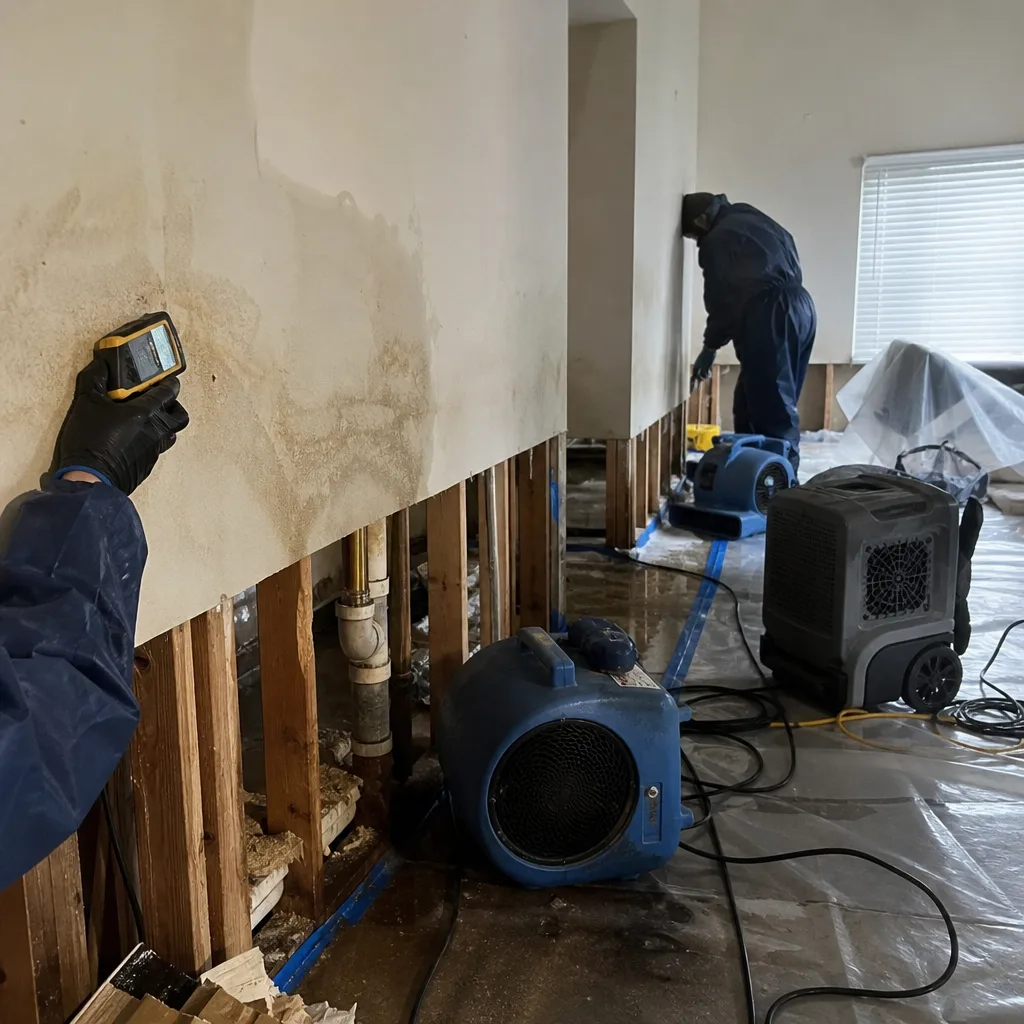 Before
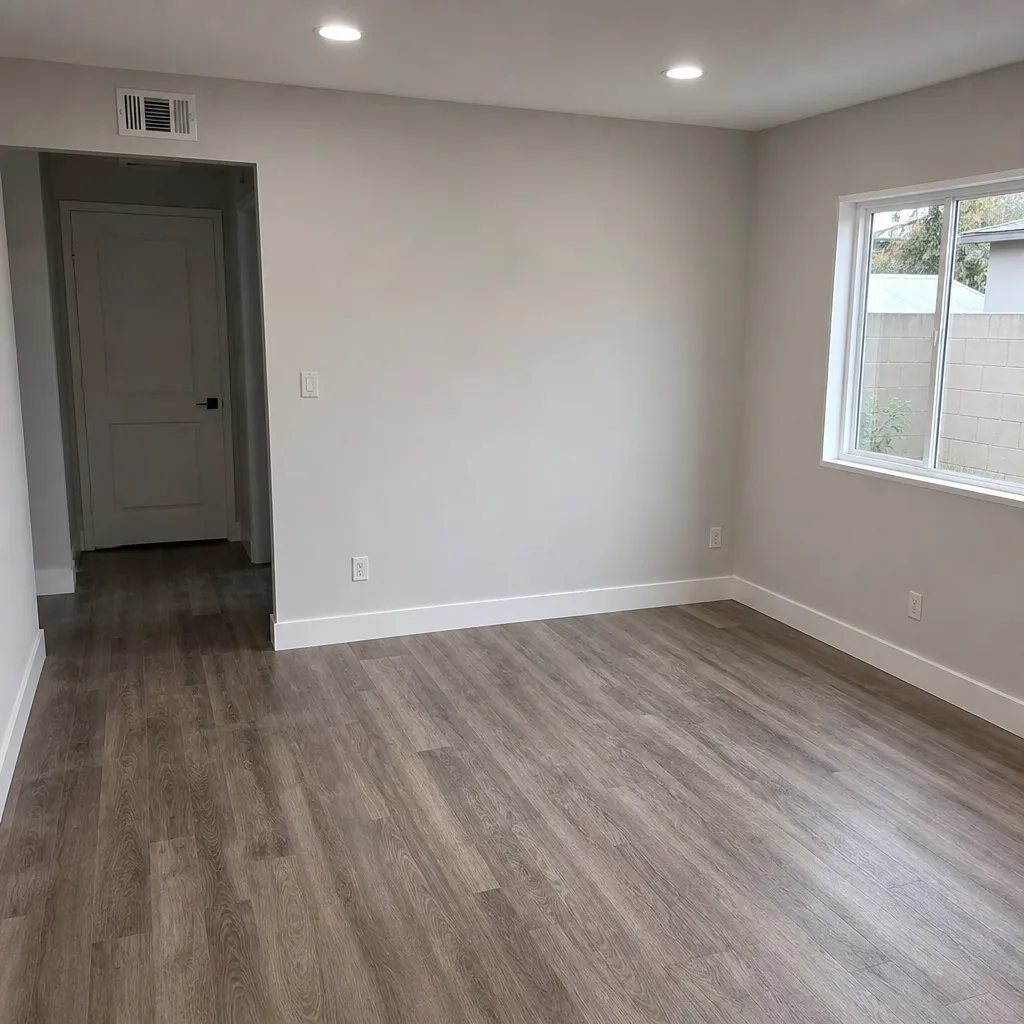 After
After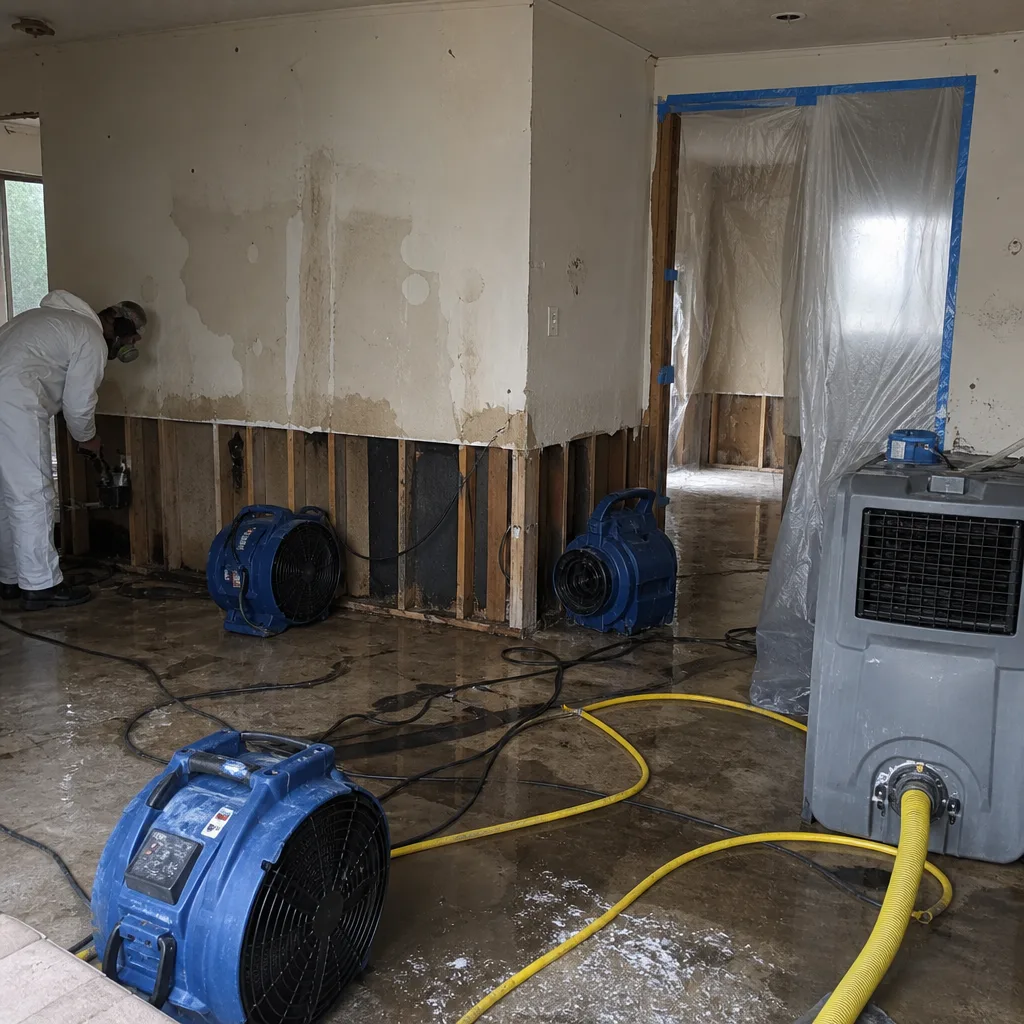 Before
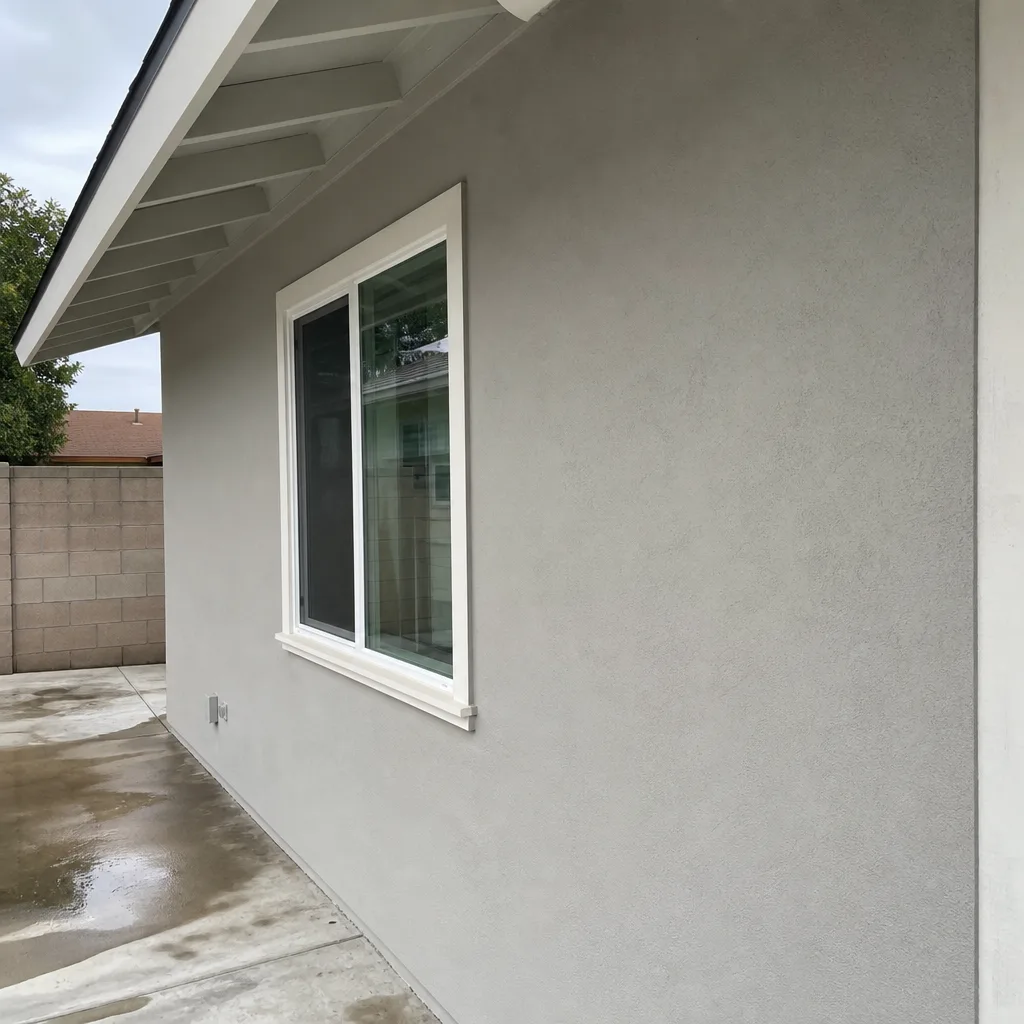 After
After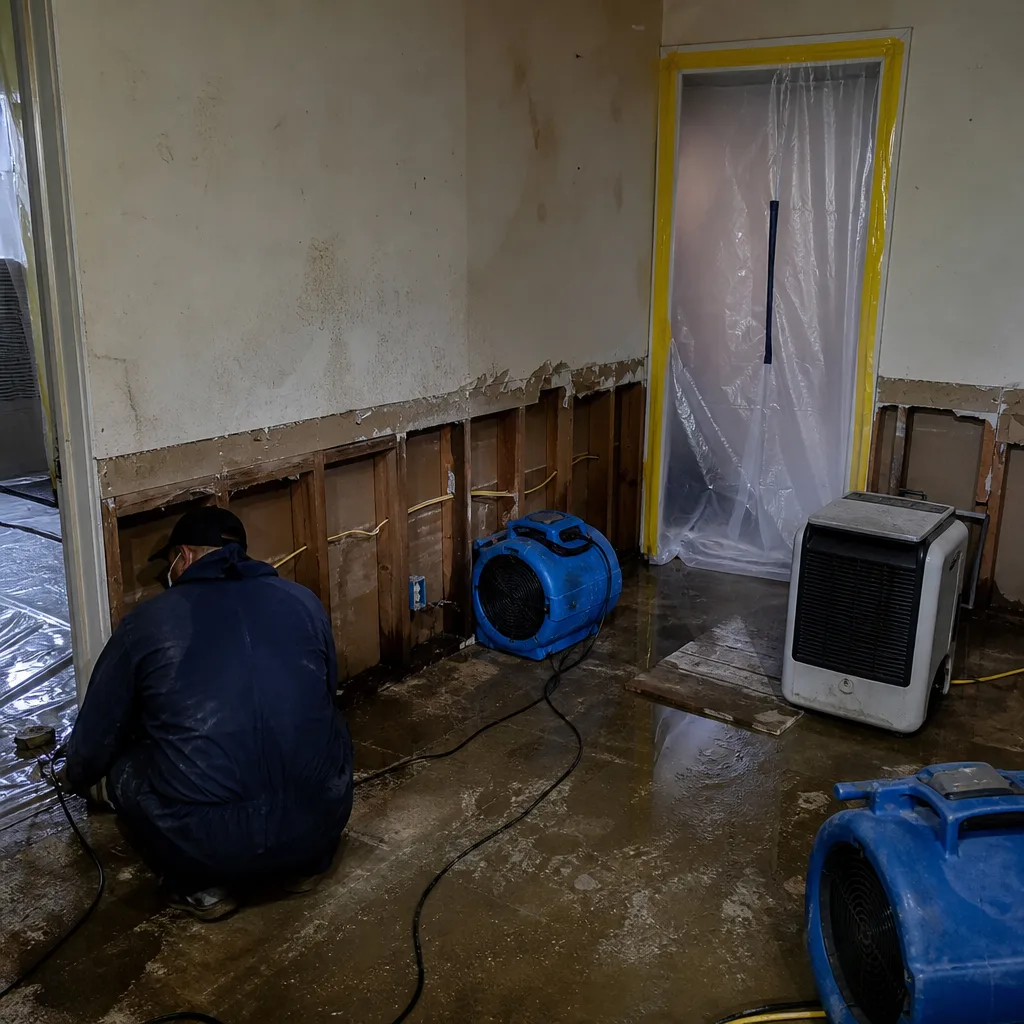 Before
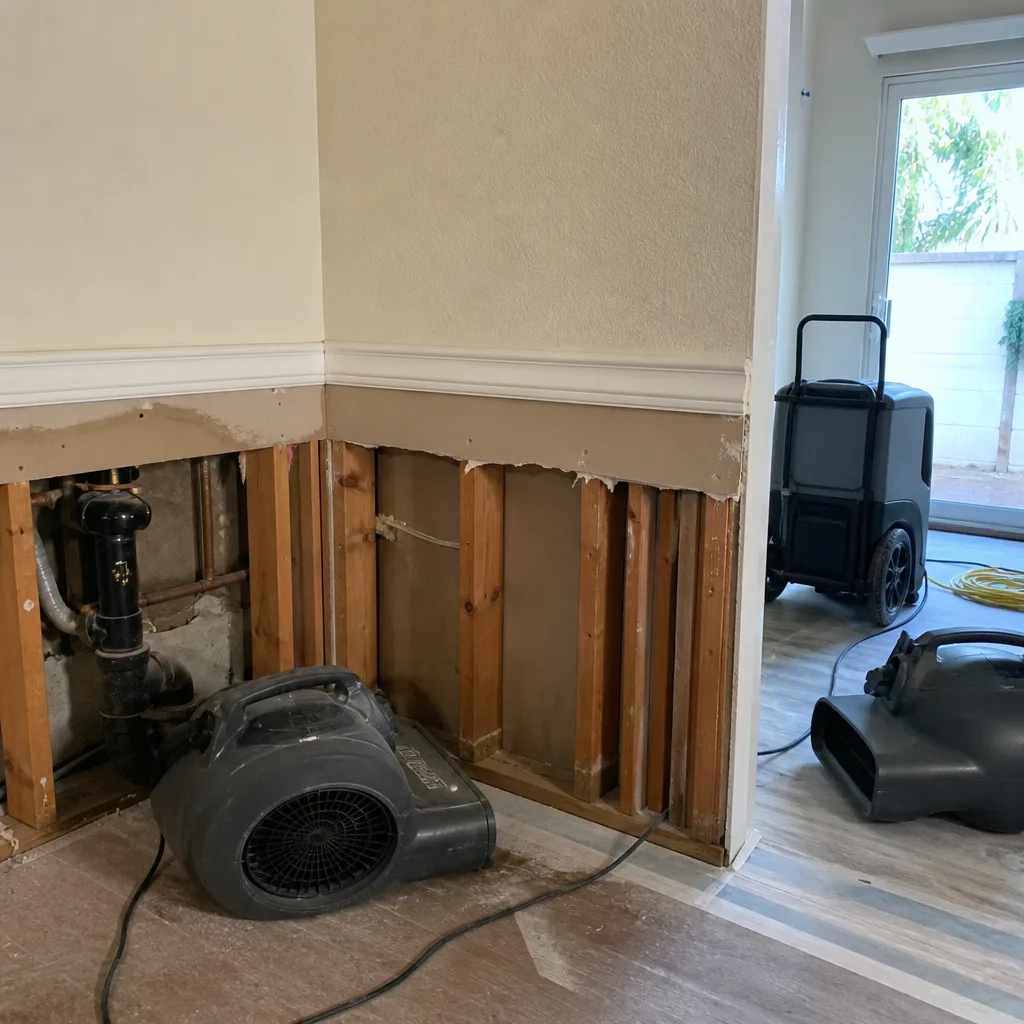 After
AfterFast, Reliable Mold Remediation Across Artesia
Mold remediation in Artesia typically costs between $1,200 and $4,500 depending on affected square footage and whether the source is a discrete leak or ongoing sub-slab moisture wicking. Most Artesia inspections can be scheduled within 24 hours, with containment and initial drying started same-day once the written scope is signed. Call (562) 600-5083 for a free written estimate - every price is delivered before work begins, Haven Standard, Clause 1.
We know Artesia’s blocks well: the 1950s-1970s slab-on-grade ranches off Pioneer Boulevard, the mixed-use strips where residential and commercial share walls, the alley-loaded townhomes with parking constraints that make equipment access a logistical puzzle. Our crews have worked the tight 1.6-square-mile city enough to understand that mold here is rarely just a burst pipe or roof leak. Artesia’s shallow artesian water table - the same geology that gave the city its name in the 1870s - pushes moisture upward through aging vapor barriers even when no plumbing has failed. That changes how we inspect, how we classify water damage, and how we dry. If you’re seeing musty odors, discolored drywall, or that white powdery bloom on your slab, we’ll find the actual source and document it.
Why DryMark Restoration Cerritos Is Artesia’s Preferred Mold Remediation Company
We’ve restored homes in Artesia since our founding in 2011, and our file on the city runs deep: moisture logs from the older blocks near Artesia Park, photo records from slab-edge jobs on 183rd Street, written scopes for townhome associations along the commercial corridors. Our 12,000+ home restoration history includes hundreds of properties in southeast LA Basin cities, and Artesia’s unique groundwater conditions have taught us specific protocols we don’t deploy the same way in Cerritos or Norwalk.
Our reviews from Artesia customers consistently mention two things: the speed of our response and the thoroughness of our documentation. One homeowner on Elaine Avenue noted that our crew identified artesian moisture wicking that two previous inspectors had missed. Another on Ashworth Street appreciated the room-by-room moisture readings and daily drying logs that her adjuster accepted without dispute. We don’t sell reassurance; we deliver evidence.
Response time to Artesia is typically under 90 minutes from dispatch confirmation. Scheduling and crew assignment are coordinated from our Los Angeles office, but the trucks and equipment are staged for southeast LA Basin calls. Live phone coverage is 24 hours a day, 7 days a week - no voicemail trees, no next-business-day callbacks while moisture keeps moving.
What builds trust here is local pattern recognition. Our technicians know to check for efflorescence on interior slab surfaces well away from plumbing. They know which Artesia blocks were dairy farmland before residential conversion, and which vapor barriers were never engineered for ongoing sub-slab pressure. That knowledge prevents the misdiagnoses that waste time and money.
Our Mold Remediation Services in Artesia
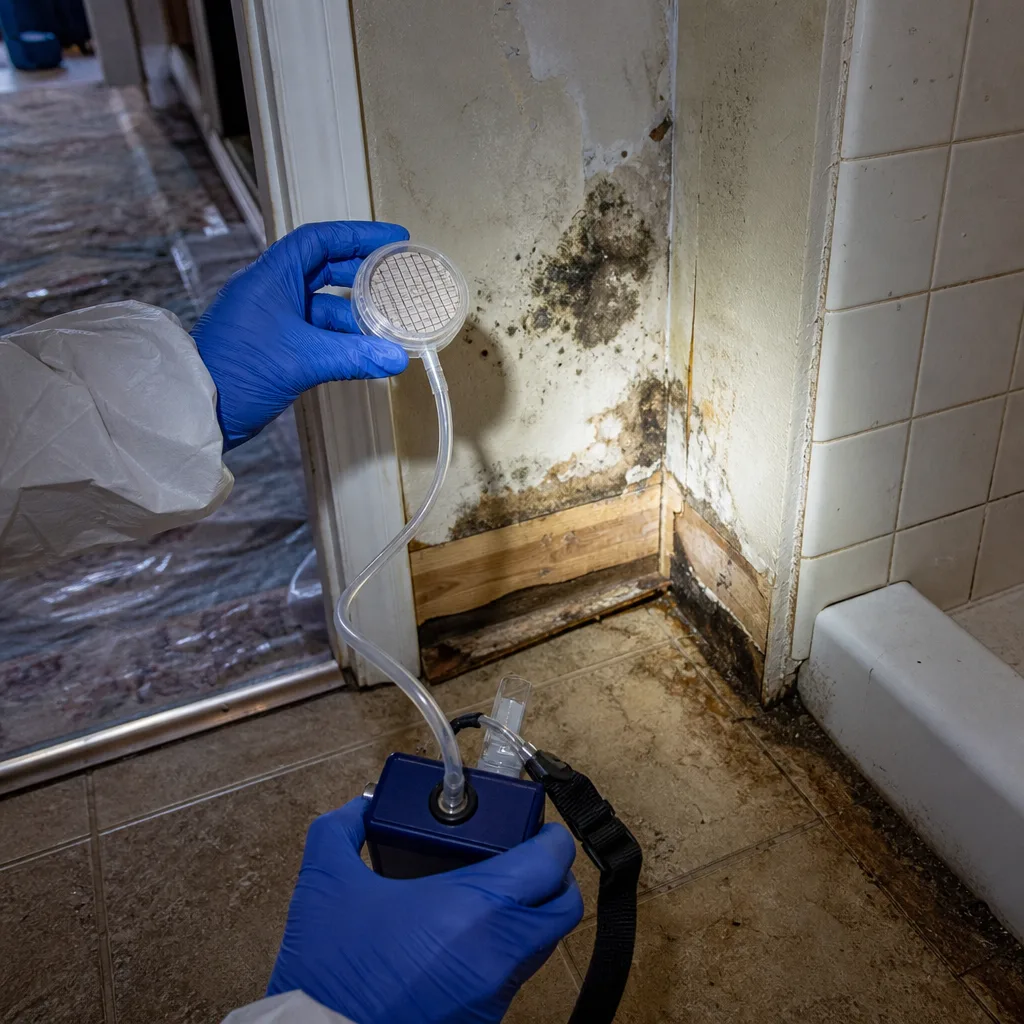
Mold Inspection & Testing
Every Artesia inspection starts with moisture mapping, not guesswork. We use Dri-Eaz and Phoenix moisture detection systems to establish baseline readings across slab surfaces, wall cavities, and air spaces. In Artesia specifically, we extend our inspection perimeter beyond the visible mold bloom to check for passive wicking from below - the artesian-pressure moisture that migrates upward through degraded vapor barriers and shows up as efflorescence or elevated readings far from any pipe. Air and surface samples are sent to independent labs; we don’t perform our own testing to avoid conflict of interest. You receive the lab report, the moisture log, and a written scope with photo documentation before any remediation begins.
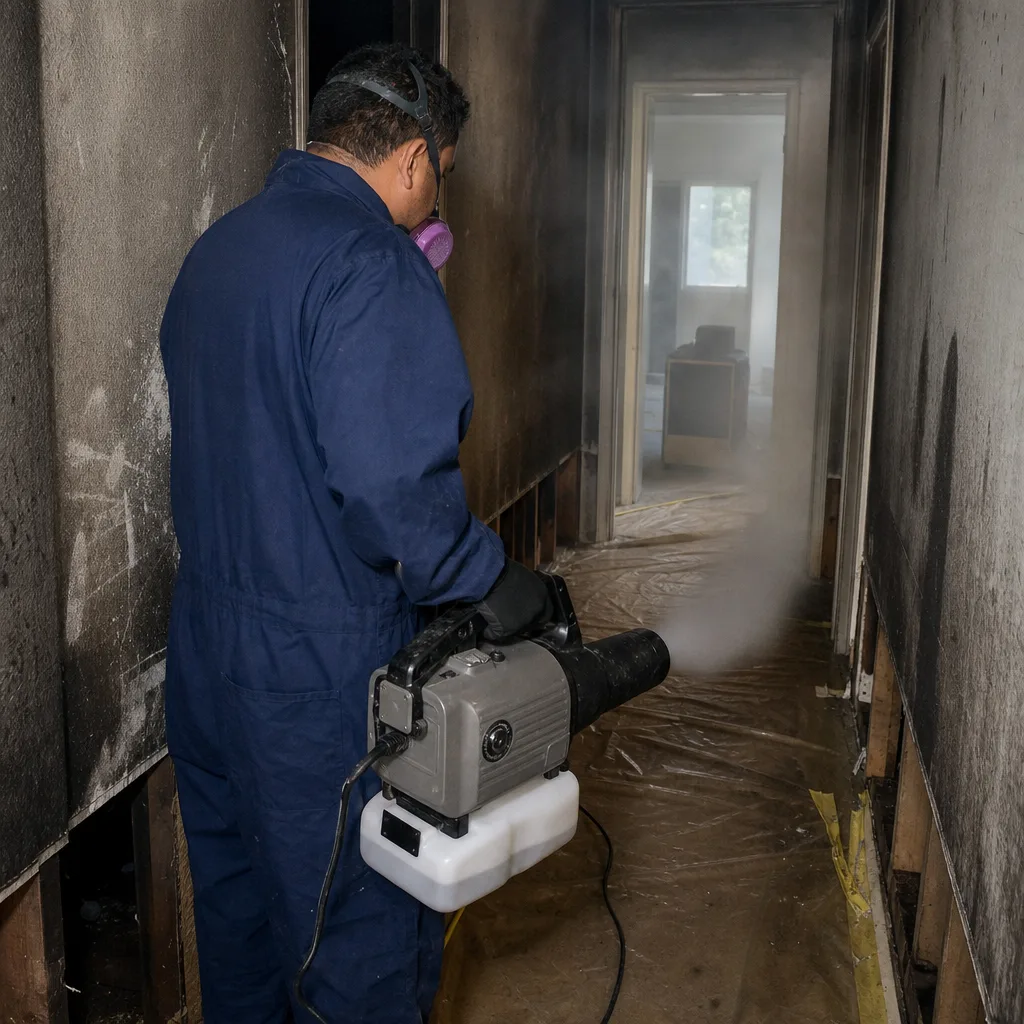
Mold Removal
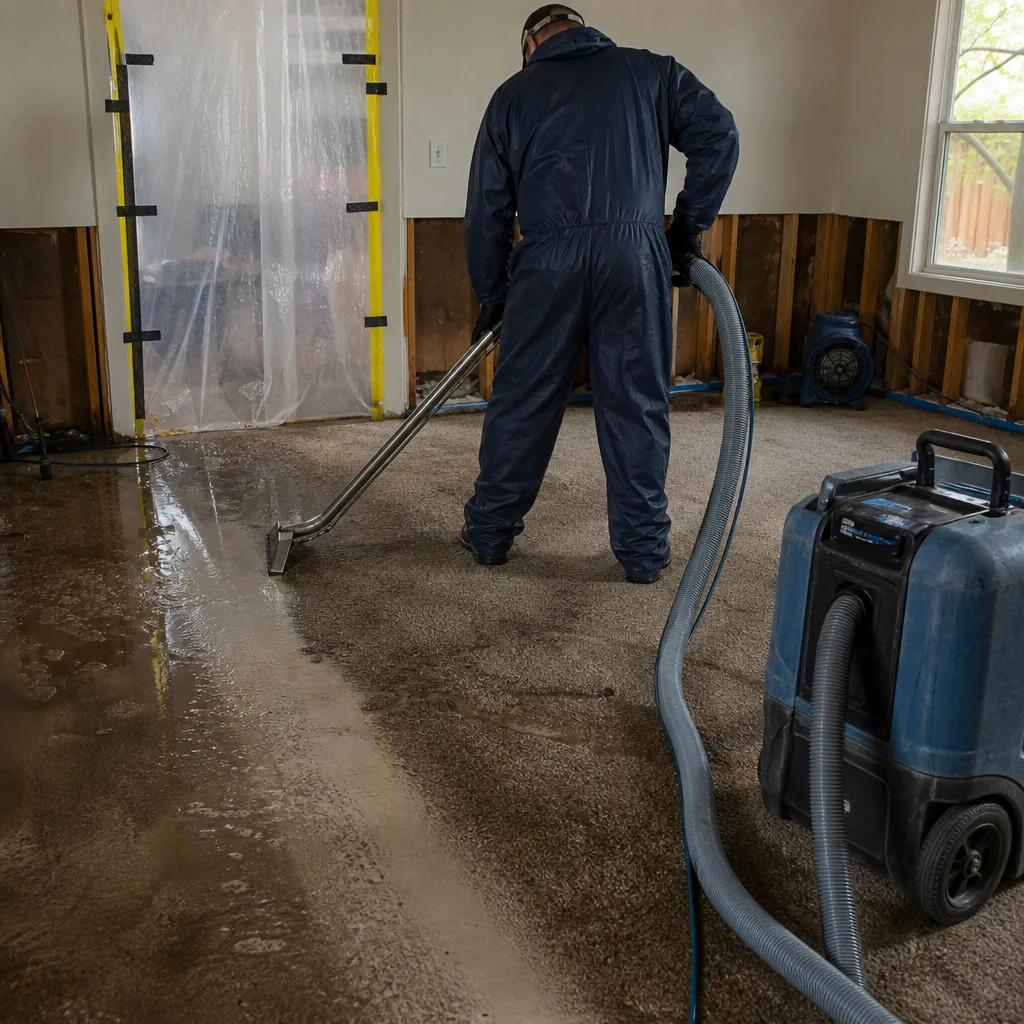
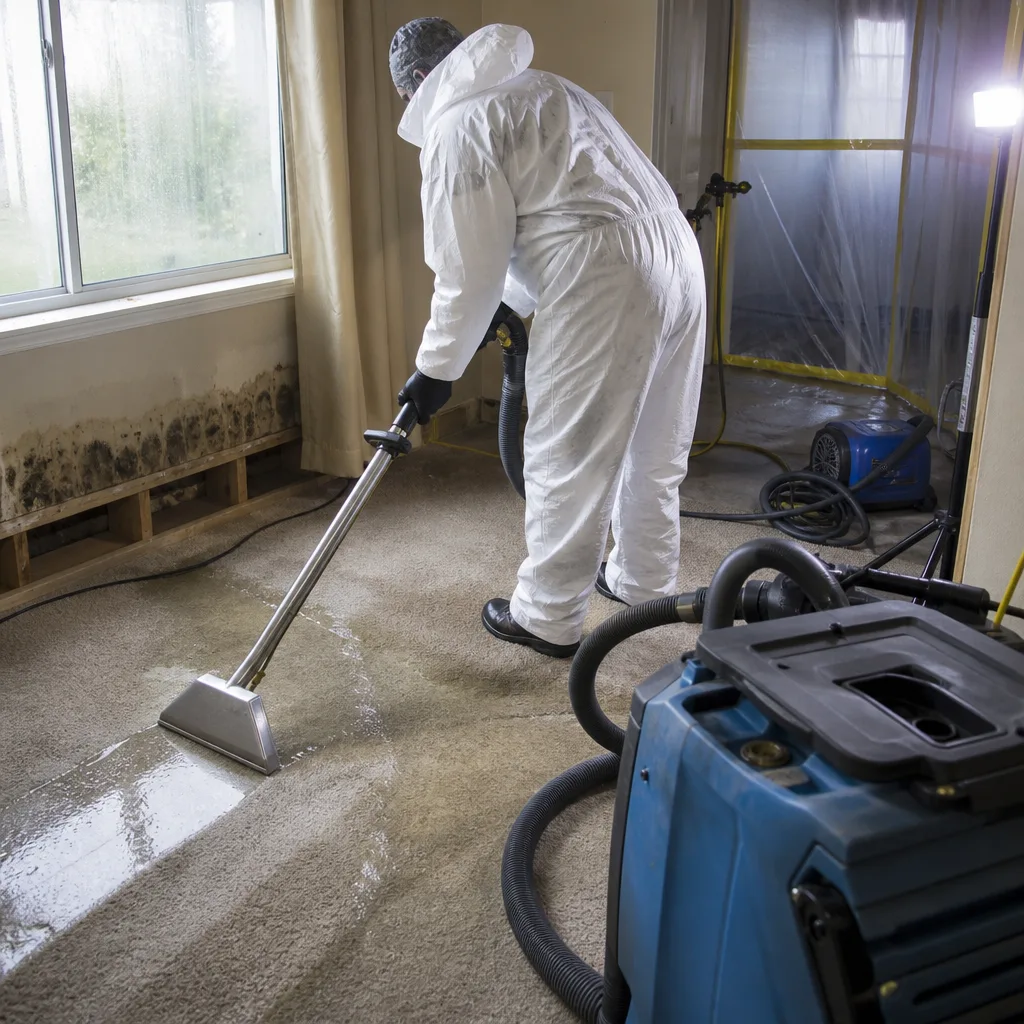
Removal in Artesia follows IICRC S520 standards with containment protocols adjusted for the city’s tight housing stock. Many Artesia properties are alley-loaded or share walls with commercial units, so our containment engineering accounts for narrow doorways, limited parking for equipment staging, and cross-contamination risks to adjacent structures. We classify the water source correctly - critical in Artesia where groundwater wicking is common and must be treated as Category 2 or 3, not Category 1. Porous materials that have absorbed contaminated moisture are removed, not dried and saved. Non-porous surfaces are HEPA-vacuumed and treated with antimicrobial agents. The photo record documents every stage.
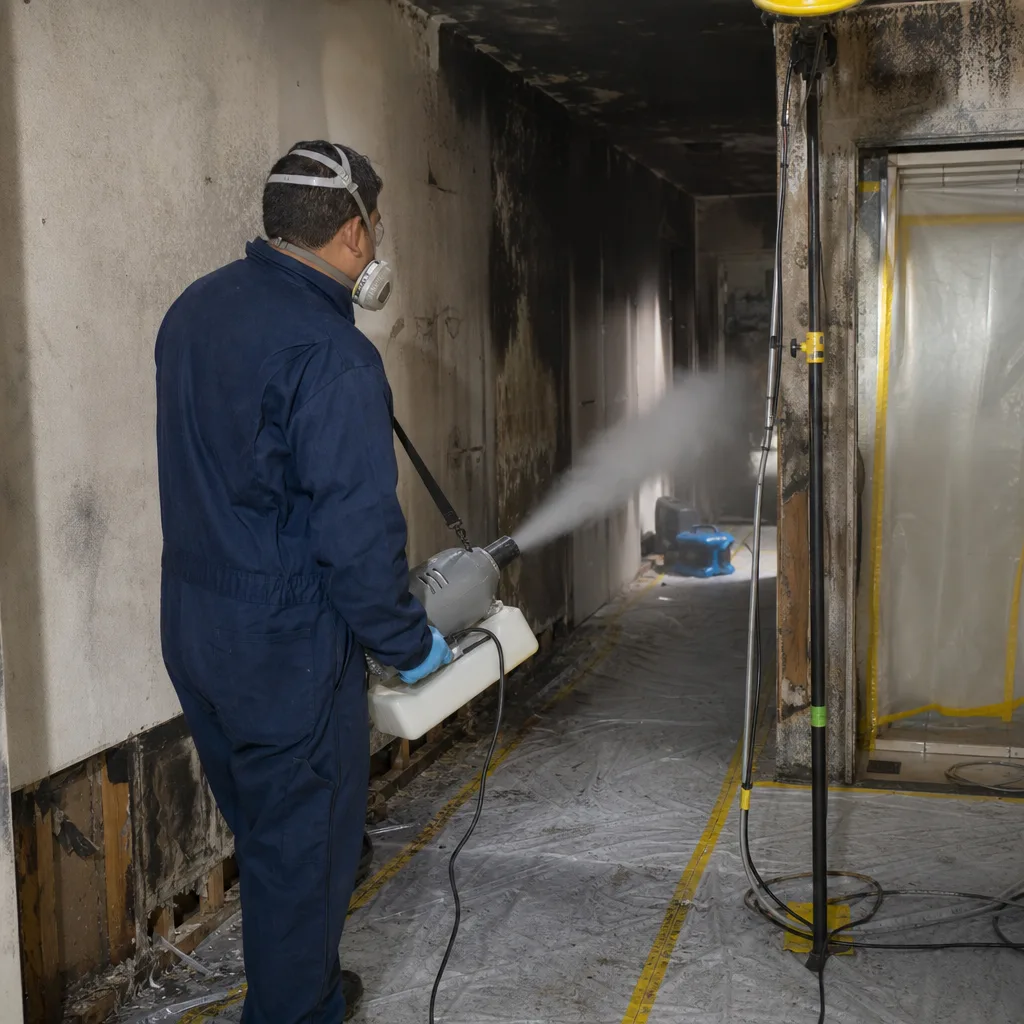
Black Mold Remediation
Stachybotrys and other toxigenic molds require enhanced containment and negative air pressure. In Artesia’s older ranches, these species often colonize behind baseboards where slab moisture has been wicking for months undetected. Our protocol includes full containment with HEPA filtration, sealed egress pathways for debris removal, and post-remediation clearance testing. The written scope specifies exactly which materials are removed, which are treated in place, and what the clearance criteria are - no open-ended “we’ll see how it looks” language.
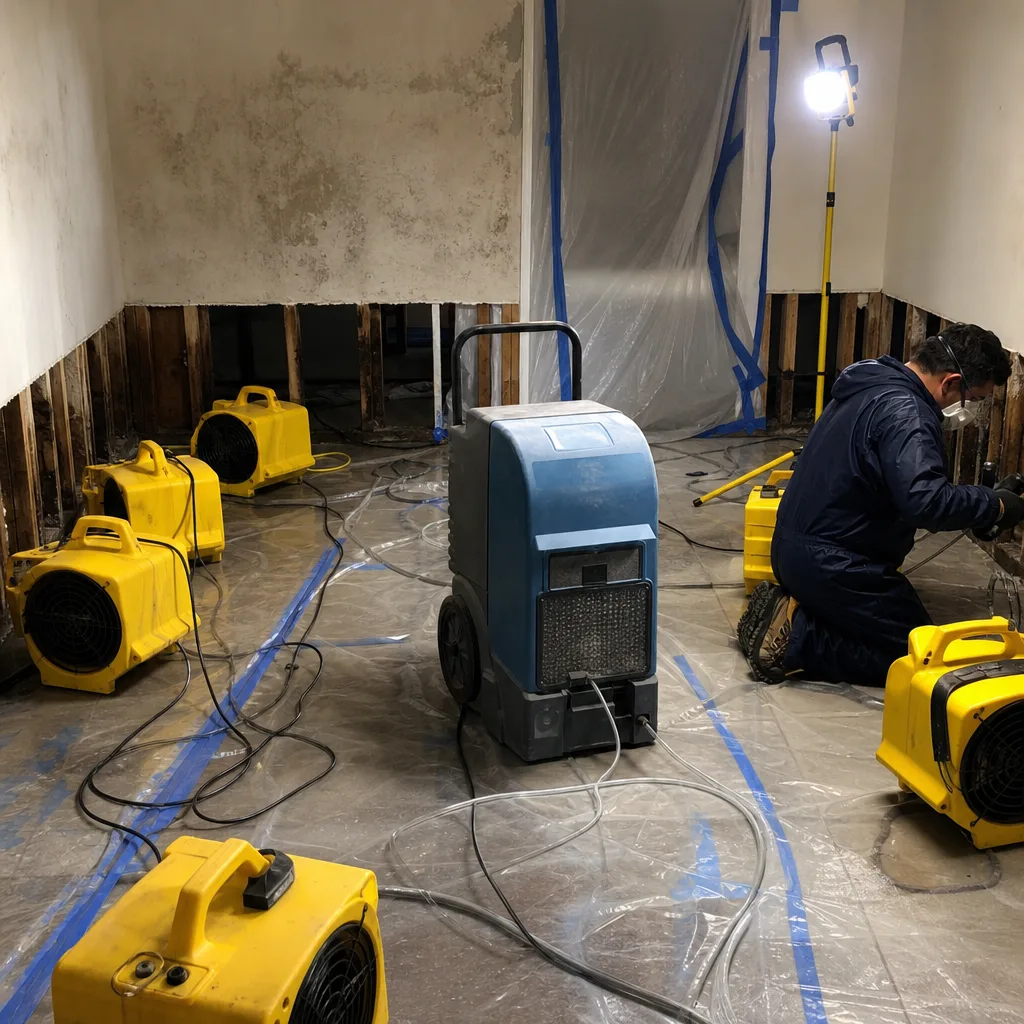
Air Quality Restoration
Post-remediation air quality in Artesia homes requires more than running a dehumidifier. We deploy Phoenix and XPOWER air scrubbers with carbon and HEPA filtration, then verify results with particle counts and, when requested, VOC testing. The goal is returning the space to pre-loss condition with data to prove it, not just a smell test. Our drying logs and air quality readings become part of the documentation package for your records or insurance claim.
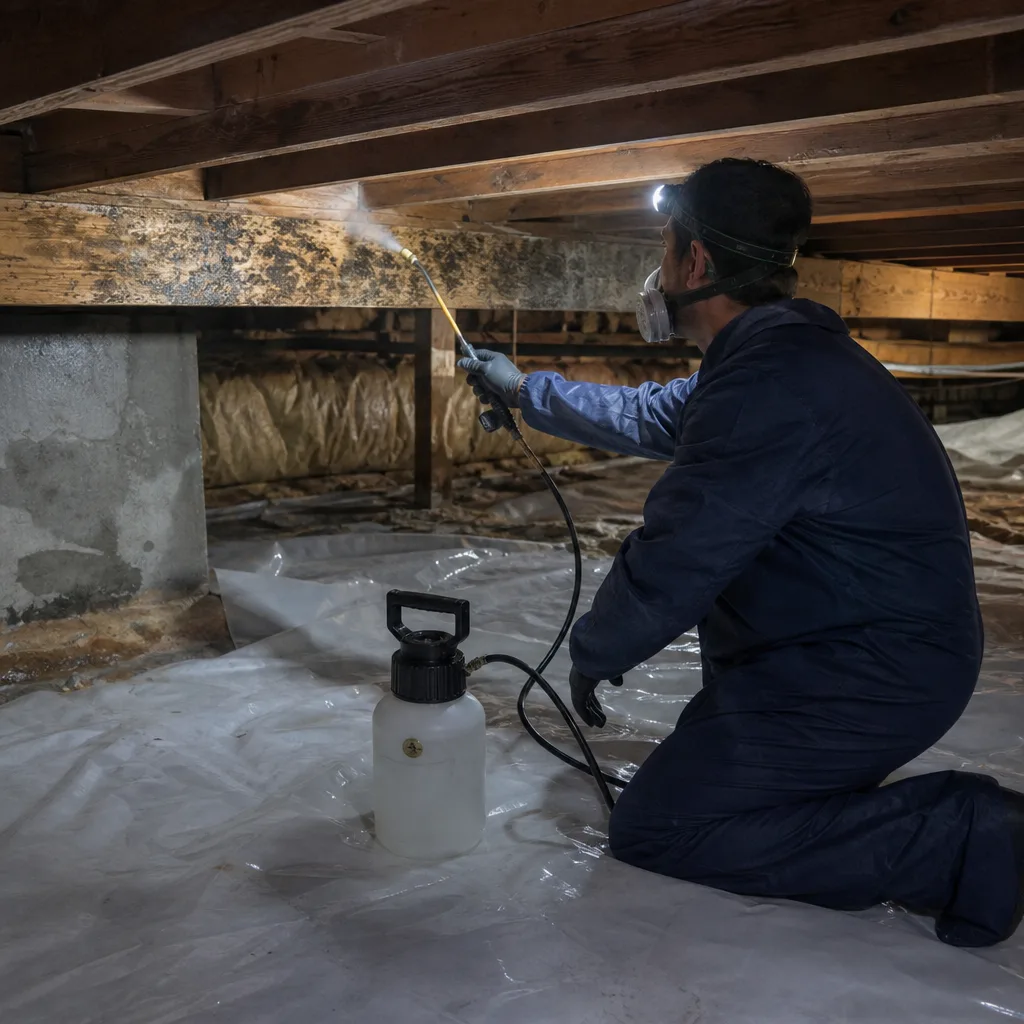
Crawl Space Treatment
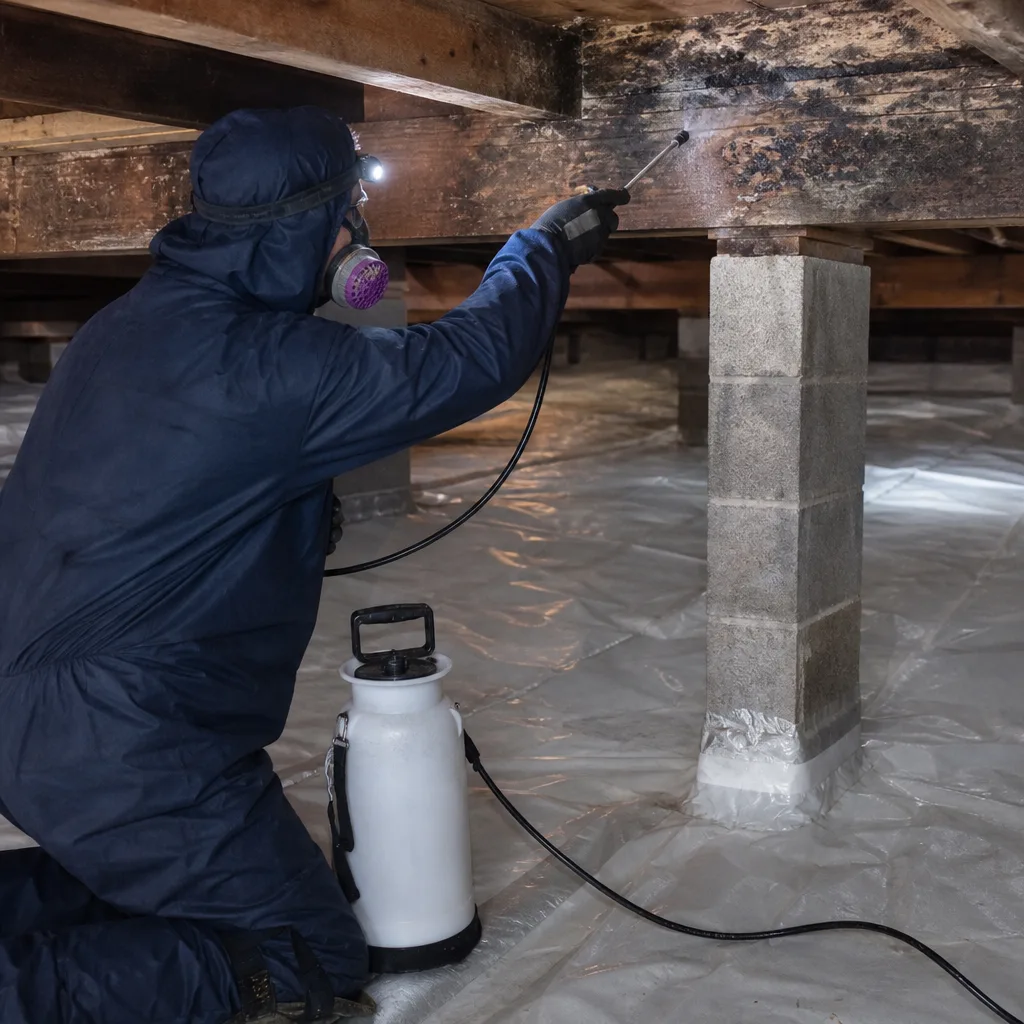
Most Artesia homes are slab-on-grade, but the city does have limited crawl space construction in certain pockets and additions. Where crawl spaces exist, they’re often subject to the same shallow water table pressures that affect slabs. We inspect for standing water, vapor barrier integrity, and subfloor moisture content. Treatment includes source control, structural drying with Injectidry systems where access permits, and encapsulation options for ongoing protection. Every recommendation is itemized in writing before work starts.
Moisture & Humidity Control
Long-term mold prevention in Artesia requires addressing the from-below moisture that defines this market. We install and specify dehumidification systems sized for the actual vapor pressure differential in your specific structure, not generic square-footage rules. For slab-on-grade homes with recurring wicking, we may recommend vapor barrier remediation or drainage improvements in coordination with qualified foundation specialists. The written scope explains what we can achieve through restoration and what requires separate structural work - no blurring of lines, no scope creep once the crew is inside.
What happens when you call
- 1
A real person answersNo phone trees - you reach a local pro.
- 2
You get an upfront price rangeHonest numbers before anyone is dispatched.
- 3
A background-checked tech heads outLicensed & insured, dispatched right away.
- 4
You approve before work beginsNothing starts until you say go.
BeforeAfterTrusted Brands We Service in Artesia
Our equipment inventory for Artesia jobs includes professional-grade drying systems from Dri-Eaz, Phoenix, and XPOWER - brands whose performance data is accepted by major carriers and documented to IICRC, RIA, and IFA standards. We stock HEPA filtration, antimicrobial formulations, and moisture detection consumables locally, so Artesia jobs aren’t delayed waiting for supply runs to distant warehouses. For slab-edge and cavity drying, our Injectidry systems interface with the tight access points common in Artesia’s older housing stock. Every piece of equipment on your job is logged in the daily drying record with deployment time and readings.
Common Mold Remediation Problems We See in Artesia Homes
- Sub-slab moisture wicking misdiagnosed as plumbing leaks. Artesia’s shallow artesian water table pushes moisture upward through degraded vapor barriers in 1950s-1970s slab ranches. Crews who don’t moisture-map the full slab surface will tear out walls chasing a pipe leak that doesn’t exist, while the actual source keeps pumping moisture from below.
- Incorrect water category classification. Groundwater wicking through a failed vapor barrier is Category 2 or 3, not Category 1 clean water. Treating it as a simple leak means porous materials that should be removed get dried and kept, setting up future mold recurrence and potential health liability.
- Inadequate containment in tight Artesia properties. Alley-loaded homes and townhomes with shared walls require engineered containment that accounts for narrow doorways and limited equipment staging. Skipping full containment to save time in tight spaces cross-contaminates adjacent units - a liability we’ve seen on multi-family jobs where the original scope ignored access constraints.
- El Niño moisture spikes in flat-lying terrain. Artesia’s limited natural drainage and basin-floor topography mean winter rain cycles push the already-shallow water table higher. Homes that stayed dry for years suddenly show slab wicking, and crews unfamiliar with this seasonal pattern treat it as a new plumbing failure rather than a predictable geological event.
Pricing for Mold Remediation in Artesia, CA
Mold inspection and testing in Artesia typically runs $350-$650, including moisture mapping, air sampling, and independent lab analysis. Contained mold removal for a localized slab-edge or wall-cavity job generally falls between $1,200 and $2,800. Whole-room or multi-room remediation with full containment, air scrubbing, and clearance testing ranges from $2,800 to $4,500. Extensive jobs involving multiple affected rooms, HVAC contamination, or structural drying of sub-slab moisture sources can exceed $5,000.
What moves the price: affected square footage, accessibility constraints (tight Artesia alleys and townhome entries add labor), material classification (Category 2/3 groundwater work requires more protective measures than Category 1), and whether clearance testing is included. Every price is delivered in writing before work begins - Haven Standard, Clause 1 - with no additions once the crew is inside. Bring a competitor’s written estimate and we’ll review it free under our Free Second Opinion policy. Call (562) 600-5083 for your specific written price.
We Also Serve Cities Near Artesia
Our crews work throughout the southeast LA Basin, including Artesia and neighboring Cerritos, La Palma, Bellflower, and Cypress. Each city has distinct groundwater conditions and housing stock, and our protocols adapt accordingly. For our full Mold Remediation service overview and additional city pages, see our service hub.
Serving Artesia, CA - Our Local Coverage Area
We’re based in the Artesia area and know this community well. Use the map below to see our service coverage - if you’re nearby, we can almost certainly help.
FAQs - Mold Remediation in Artesia
The recurrence usually means the actual moisture source wasn’t the leak. In Artesia’s slab-on-grade ranches, artesian groundwater pushes upward through degraded vapor barriers even when plumbing is intact. We moisture-map the full slab to identify this from-below wicking, then specify drying and barrier remediation that addresses the real source. Call (562) 600-5083 for inspection and written scope - estimates are free.
Visible mold can establish within 48-72 hours on water-damaged drywall, but in Artesia the timeline often starts before the rain hits. El Niño cycles raise the already-shallow water table, so slab wicking may begin days before any surface flooding. That head start means mold is often active by the time homeowners notice staining. Fast inspection matters, but correct source identification matters more. We schedule Artesia inspections within 24 hours and deliver written scopes same-day.
Efflorescence is the white, powdery mineral deposit left when water evaporates from concrete or masonry, carrying dissolved salts to the surface. In Artesia, it appears on interior slabs distant from plumbing because artesian-pressure groundwater is migrating upward through the vapor barrier, evaporating at the slab face, and depositing minerals. It’s a reliable indicator of sub-slab moisture movement that moisture meters will confirm. We document it in our photo record and drying logs as evidence of the actual water source.
Yes. Our crews have worked Artesia’s narrow alleys and limited parking along Pioneer Boulevard enough to engineer containment and equipment staging that fits the space. We use compact HEPA units, modular containment, and scheduled arrival windows that respect parking constraints. The written scope specifies access requirements before work starts so there are no surprises. Full containment is non-negotiable regardless of space limitations - we engineer for both.
The vast majority of Artesia’s residential stock is slab-on-grade, particularly the 1950s-1970s ranches that dominate the city. Limited crawl spaces exist in some additions and pockets of newer construction. During inspection, we verify foundation type and adjust our moisture detection protocol accordingly. Slab homes get full slab-face moisture mapping; crawl spaces get subfloor and standing water assessment. Either way, the written scope specifies exactly what we’re treating and why.
Ready for a written price before any work starts? Call (562) 600-5083. Our live dispatch answers 24 hours a day, 7 days a week. We’ll schedule your Artesia inspection, deliver a documented scope with line-item pricing, and stand behind the work with our 365-Day Done Right Promise - Haven Standard, in writing, on every job.
Written by Alicia Brennan, Owner at Back to Dry Restoration, serving Artesia and the southeast LA Basin since 2011.